
The Eclipse That Started a Journey to the Stars ——Willie’s ZWO journey
“My Name is Willie Stickley (@WillieHustles) and I am a 26 year old photographer and videographer from Cleveland, Ohio (United States) and I am the current Vice President of the
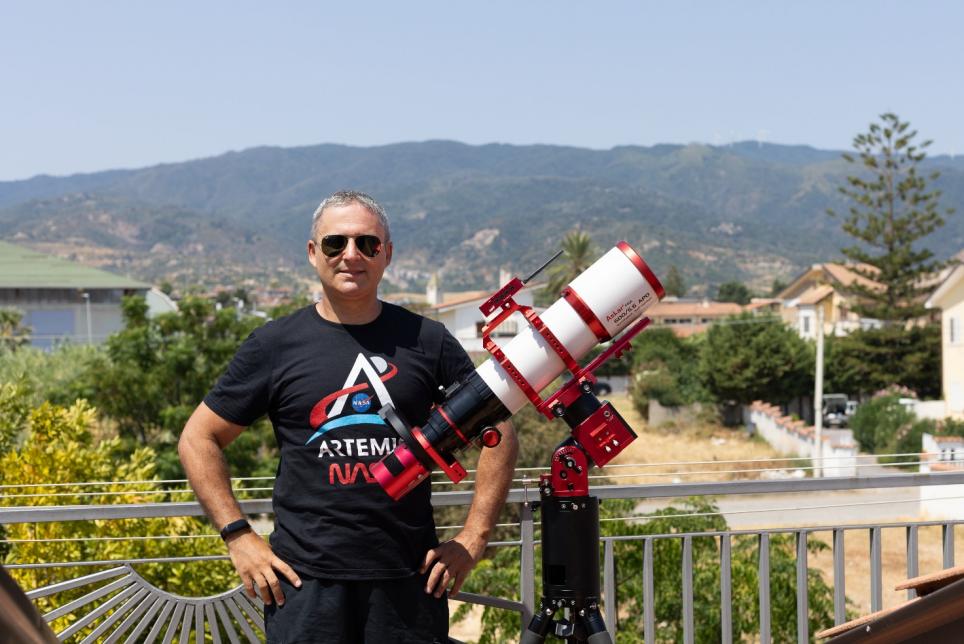
Hello! My name is Gianni Lacroce, and I’m an astrophotographer from Italy.
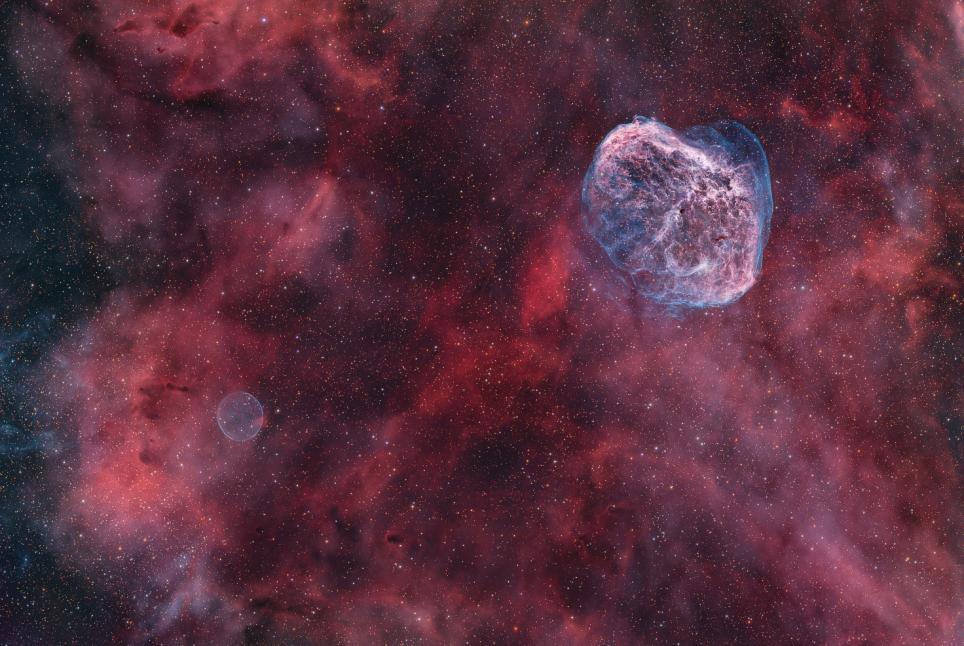
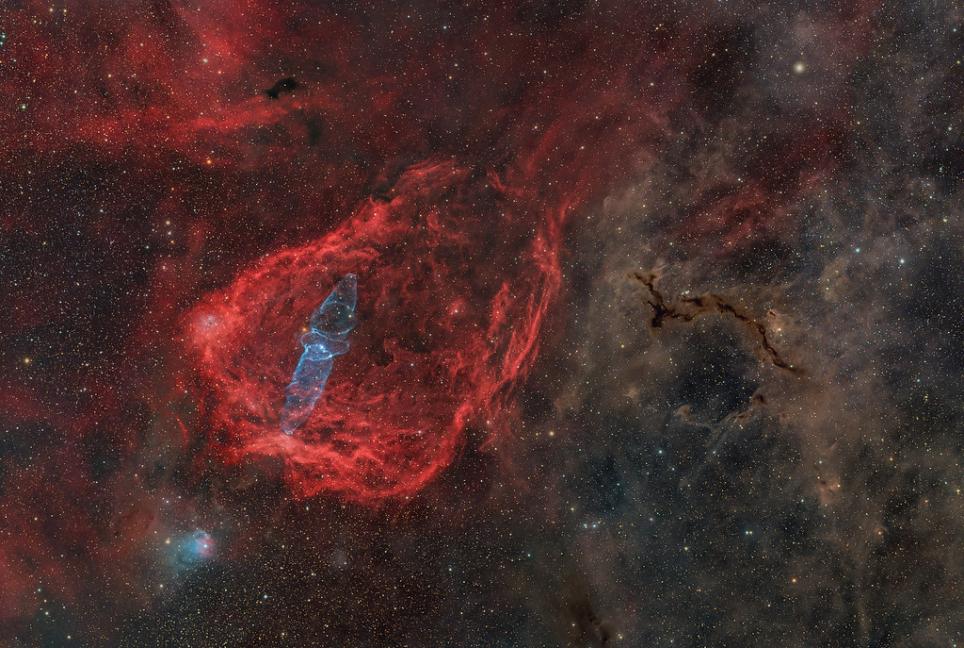
I’m incredibly honored that my image “The Crescent Nebula & the Soap Bubble Nebula” has been chosen of the ASIWeek winner. I would like to sincerely thank ZWO for this wonderful recognition. Having my work selected once again is a great honor and a strong motivation to continue learning, improving, and pushing myself to capture the beauty of the night sky.
Astrophotography has become much more than a hobby for me—it’s a passion that I love to share with others, and I’m grateful for the opportunity to tell my story.
My adventure with the night sky began when I was a child. During my summer holidays in a small village in Calabria, I could clearly see the Milky Way stretching across the sky. Those unforgettable nights sparked my curiosity about the universe.
The breathtaking images from the Hubble Space Telescope fueled that curiosity even more, making me dream of seeing those incredible objects with my own eyes.
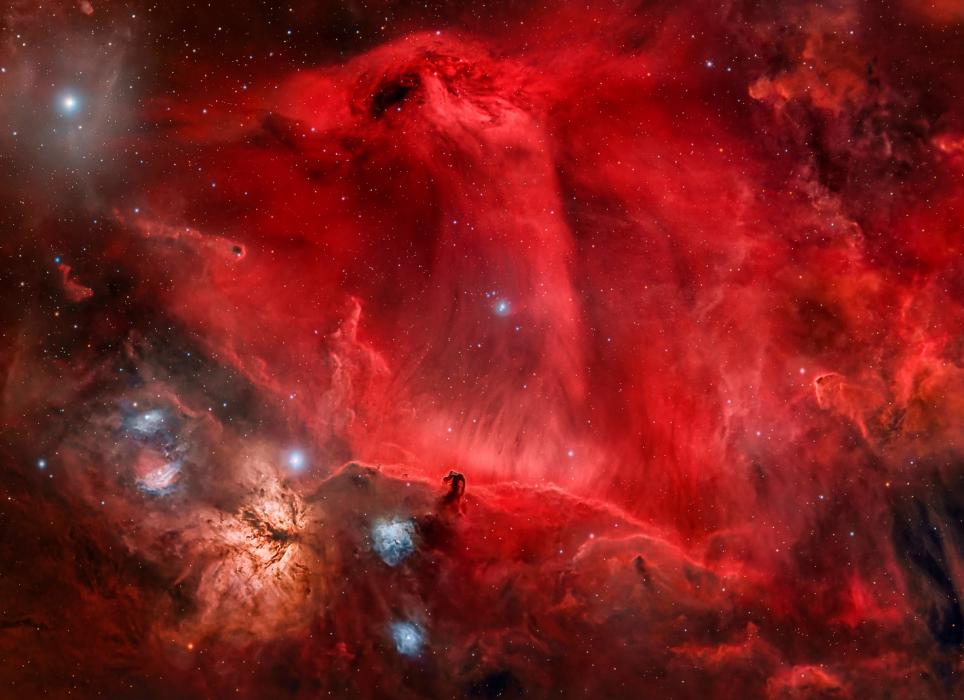
The turning point came the first time I observed the Orion Nebula through a telescope. Seeing it with my own eyes was an unforgettable experience, and at that moment I knew I wanted to capture the beauty of the deep sky through astrophotography.
Like many astrophotographers, I started with simple equipment and learned through experience, one step at a time. Over the years I gradually upgraded my gear, improved my imaging techniques, and refined my processing workflow.
Today astrophotography has become a real passion, and I also share my experience through my YouTube channel, helping others learn this amazing hobby.
I started out using a DSLR, a 200mm f/4 Newtonian telescope, and an AZ-EQ5 mount. Switching to dedicated, cooled astronomy cameras radically transformed the quality and consistency of my results.
However, the ASIAIR has undoubtedly optimized every aspect of my imaging sessions, making remote astrophotography far more reliable and enjoyable.
Currently, my main setup includes a ZWO ASI2600 Duo, the excellent ZWO AM5 mount, a ZWO EFW 5×2 filter wheel, and an EAF electronic focuser, paired with various telescopes depending on the subject I am imaging; the one I use most frequently is the Askar FRA600.
I live in Rome and I started taking pictures from a bortle 9, but in the last year I have put my equipment in a remote observatory in Manciano with a bortle 4 sky. The most moving evening I’ve experienced recently was the one where, together with the friends with whom I deeply share this passion, we set up our equipment at the Manciano remote observatory. Above us loomed a view of the Milky Way—so bright and spectacular that it took our breath away. In that moment, I realized we were opening a new chapter in our astrophotography journey.
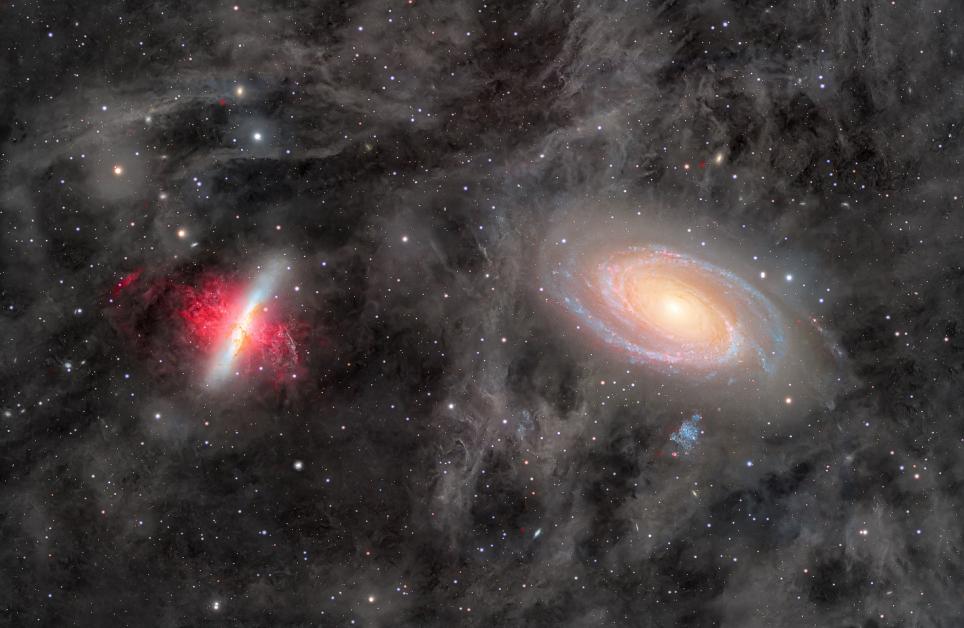
My biggest challenge has always been trying to improve on my previous image. Every new project sets a higher standard for the next one, and that’s not always easy. Every attempt teaches me something new and pushes me to keep improving. The most important lesson I’ve learned is patience. Spending weeks collecting data on the same target to create a truly outstanding image isn’t easy, especially when you want to see results quickly. Over the years, I’ve learned the astrophotography rewards those who are willing to wait, pay attention to every detail, and never stop learning.
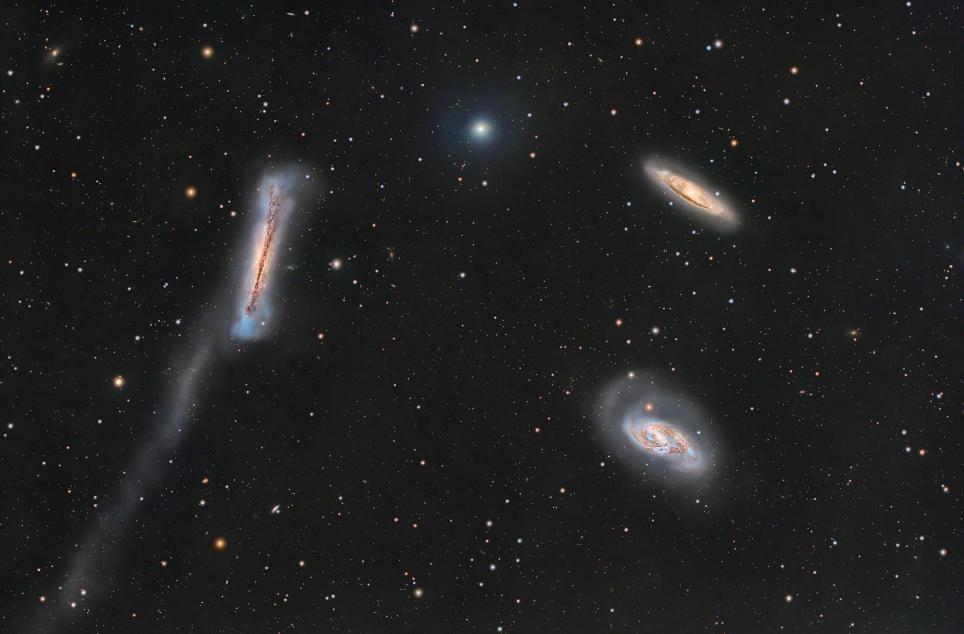
Initially, I relied on simple workflows, often following online tutorials. Today, I dedicate much more time to data analysis, precise noise reduction, and targeted processing to preserve fine details.
For image processing, I use PixInsight for calibration and stacking, then continue in Photoshop to enhance the subject while preserving details, highlights, and colors; I treat the surrounding areas and dust clouds differently, ensuring that noise does not degrade the image’s edges. My goal is to preserve natural colors while bringing out faint structures hidden within the data.
The Achievement
An image of mine that represents both a milestone and a new starting point is…
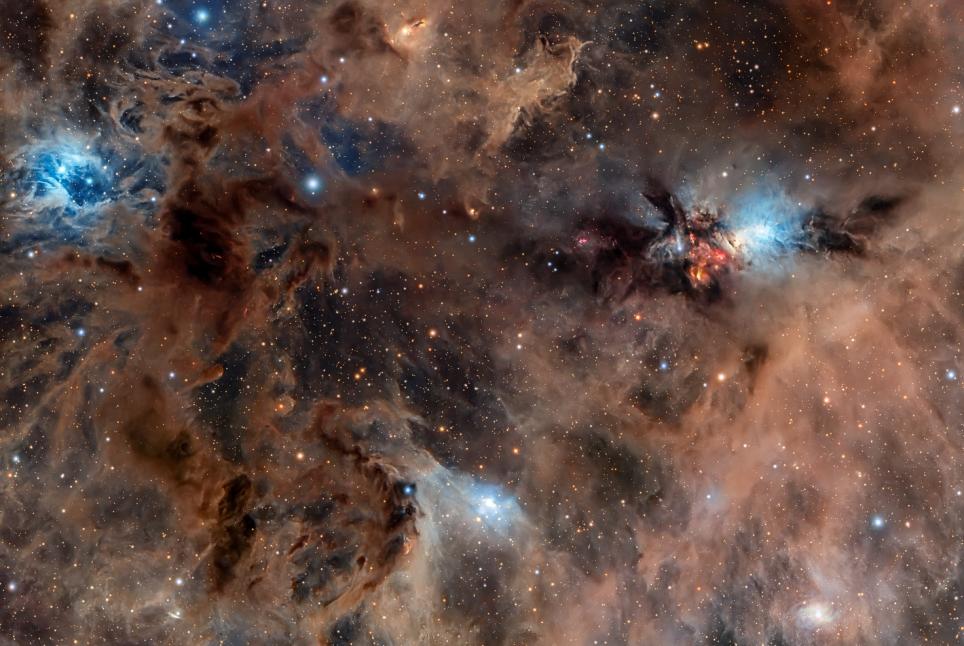
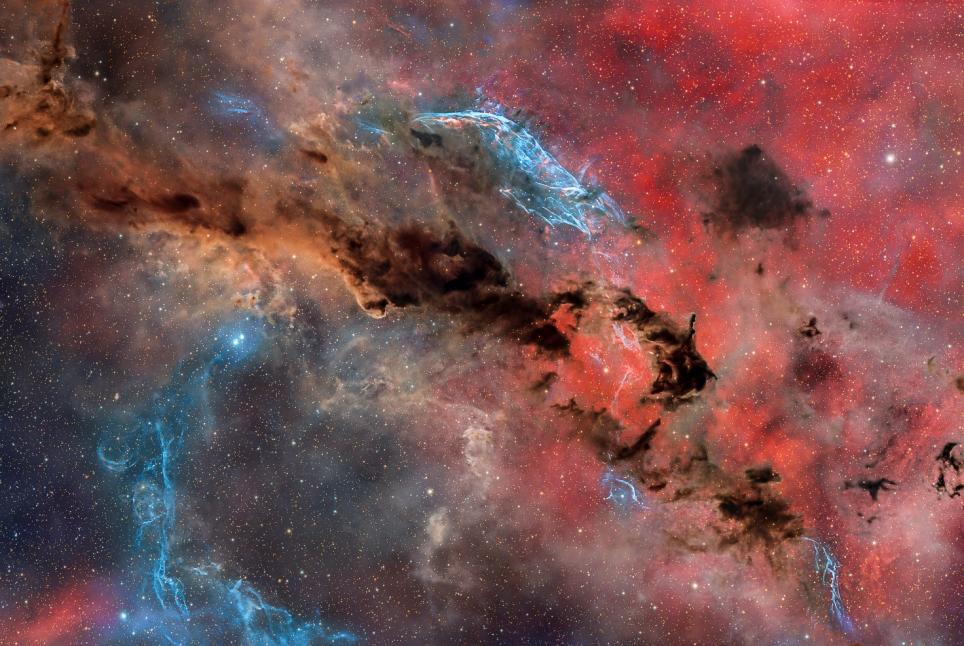
…undoubtedly the one featuring the LBN 528 and LBN 532 nebulae, which was selected as a winner in the ZWO ASIWeek competition. It represents years of learning and constant improvement. Every detail of the image is the result of patience, dedication, and ongoing experimentation. I always love returning to photograph dark nebulae intertwined with ionized hydrogen emissions. They are rich in complex structures, and every new dataset reveals something I hadn’t noticed before.
The Vision — Looking Ahead
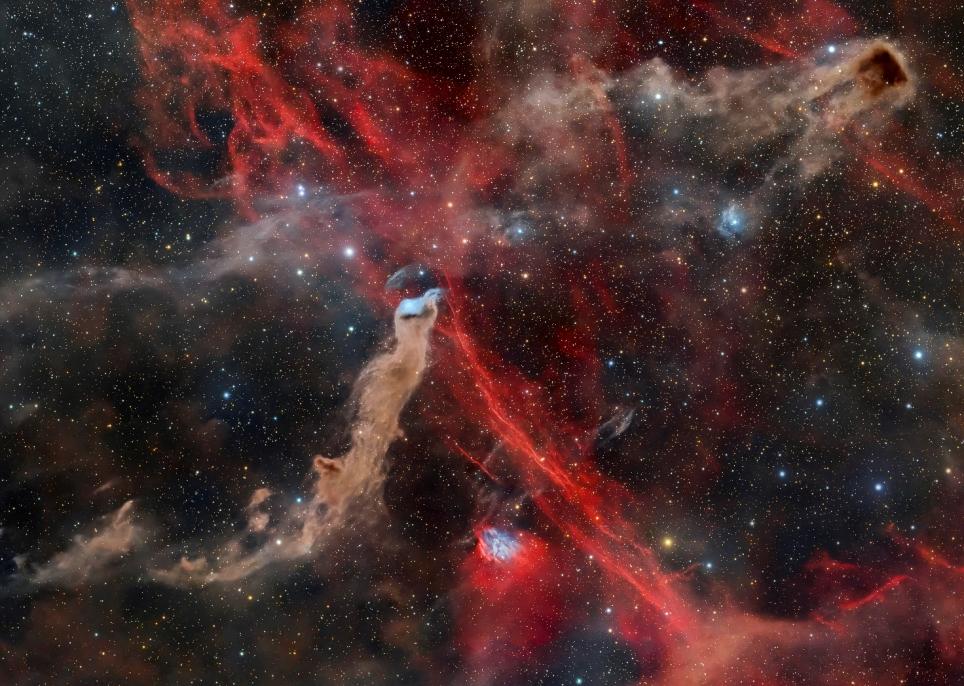
One of my main goals is to continue developing the remote observatory in Manciano. It is a project that truly excites me, as it gives me access to a significantly darker sky and a greater number of clear nights. These conditions allow me to tackle much more ambitious astrophotography projects and further elevate the quality of my work.
I look forward to dedicating more time to complex deep-sky subjects that require many hours of integration. I love planning long-term projects and revealing those faint details that only patience can bring to light.
I hope to continue growing—not just as an astrophotographer, but also as someone who shares this passion with others. Through my images and my YouTube channel, I want to inspire more and more people to discover the beauty of the night sky, while simultaneously challenging myself with increasingly demanding projects.
Like many astrophotographers, I discovered ZWO through the astronomy enthusiast community. What struck me most was the combination of innovation and reliability, as well as the way all the products interact to form a complete ecosystem. ZWO has enabled enthusiasts worldwide to pursue this passion by offering the opportunity to engage in astrophotography at relatively affordable prices without compromising on quality.
Today, my observatory relies on several ZWO products, including the ZWO 2600 Duo and ZWO 2600 MM, the ASIAIR, the AM5 mount, the ZWO CAA electronic field rotator, the 7-position ZWO EFW filter wheel, the ZWO EAF focuser, and the ZWO 224 guide camera. These tools have revolutionized the way I photograph the night sky, allowing me to fully automate the observatory and manage it remotely. This has significantly boosted both the quantity and quality of the data collected, enabling me to take my astrophotography to the next level.
I also greatly appreciate what ZWO has achieved with its smart telescopes. They have made astrophotography accessible to thousands of people, offering beginners the chance to experience the thrill of capturing the universe with great ease. I have tested the S50, S30, and S30 Pro; they are truly easy and fun to use.
The ZWO ecosystem is constantly expanding with new components. One product I would love to see is a ZWO flat-field panel designed to integrate seamlessly with the ASIAIR ecosystem. It would be the ideal addition for fully automated remote observatories like mine, making the acquisition workflow even more complete.
“My Name is Willie Stickley (@WillieHustles) and I am a 26 year old photographer and videographer from Cleveland, Ohio (United States) and I am the current Vice President of the
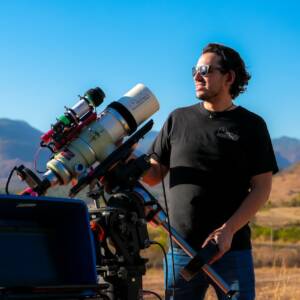
Guillermo Cervantes Mosqueda is an astrophotographer lives in Poncitlán, Jalisco, Mexico, whose fascination with the night sky began with astronomy books in his childhood. His journey officially took flight in
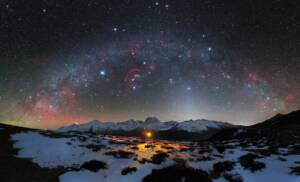
Being an astrophotographer is the most romantic job in the world. But behind that romance lies a canvas of isolation and peril.From standing helpless and alone at the Baima Snow
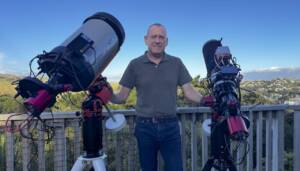
Peter Ambrose lives in Porirua, Wellington, New Zealand, after moving there from his hometown of Christchurch in 1991. Now retired from corporate life for over 13 years, he has been
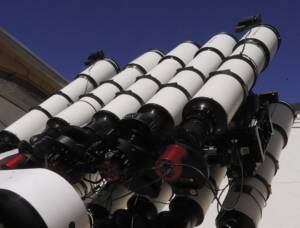
Distributed-Aperture Telescopes: A New Revolution in Astronomy A new wave of astronomy is here. Instead of relying on a single massive telescope, distributed-aperture systems combine multiple smaller telescopes working together—unlocking