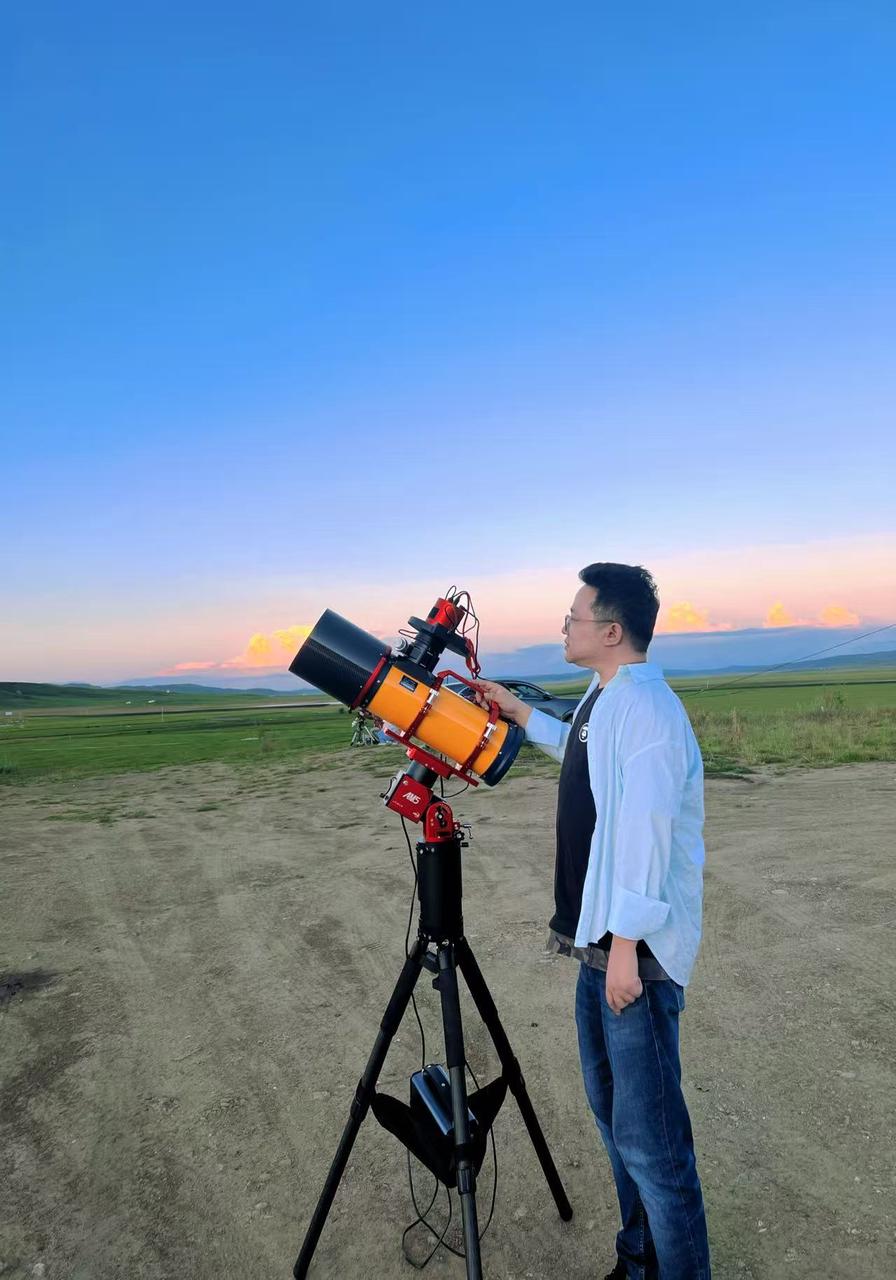
Some astrophotographers spend years searching for the perfect image. For Deqian Li, the journey began only in 2024—yet within a remarkably short time, several of his images have already been shortlisted for the ZWO Astronomy Photographer of the Year.
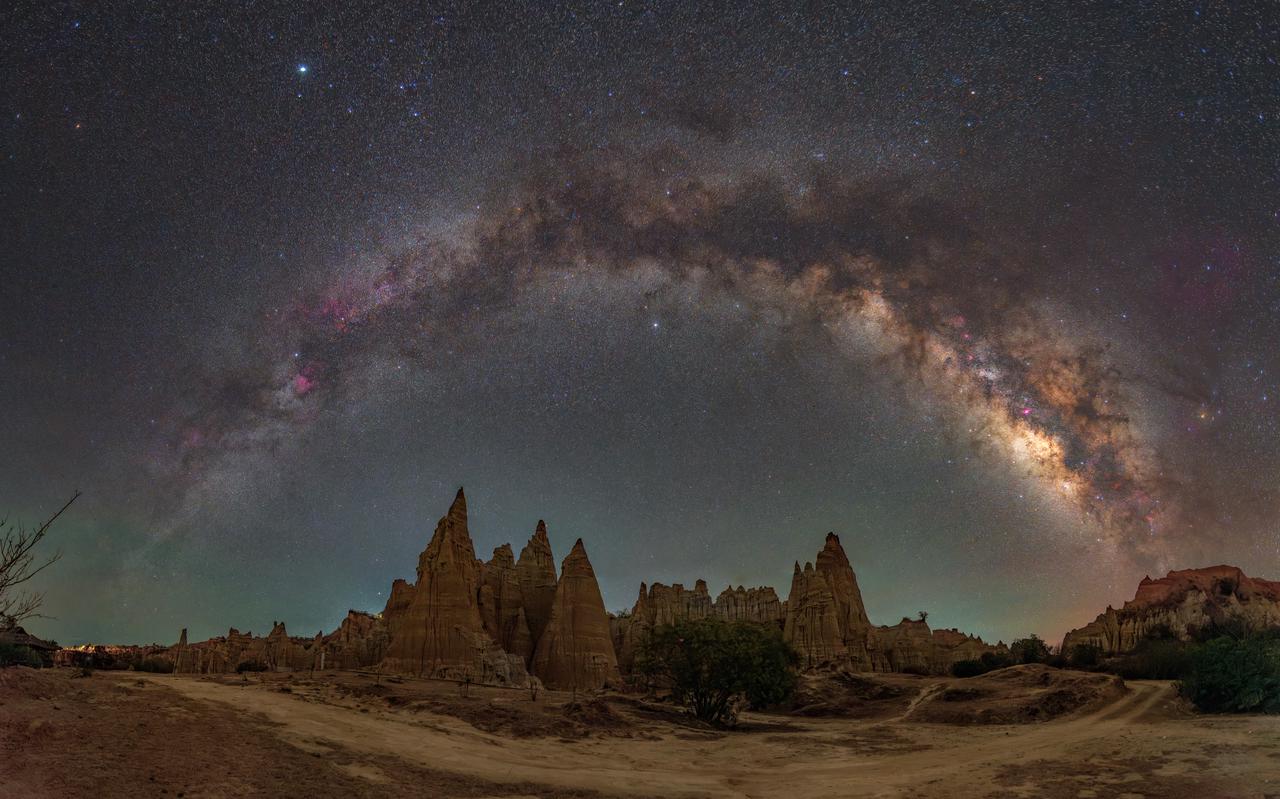
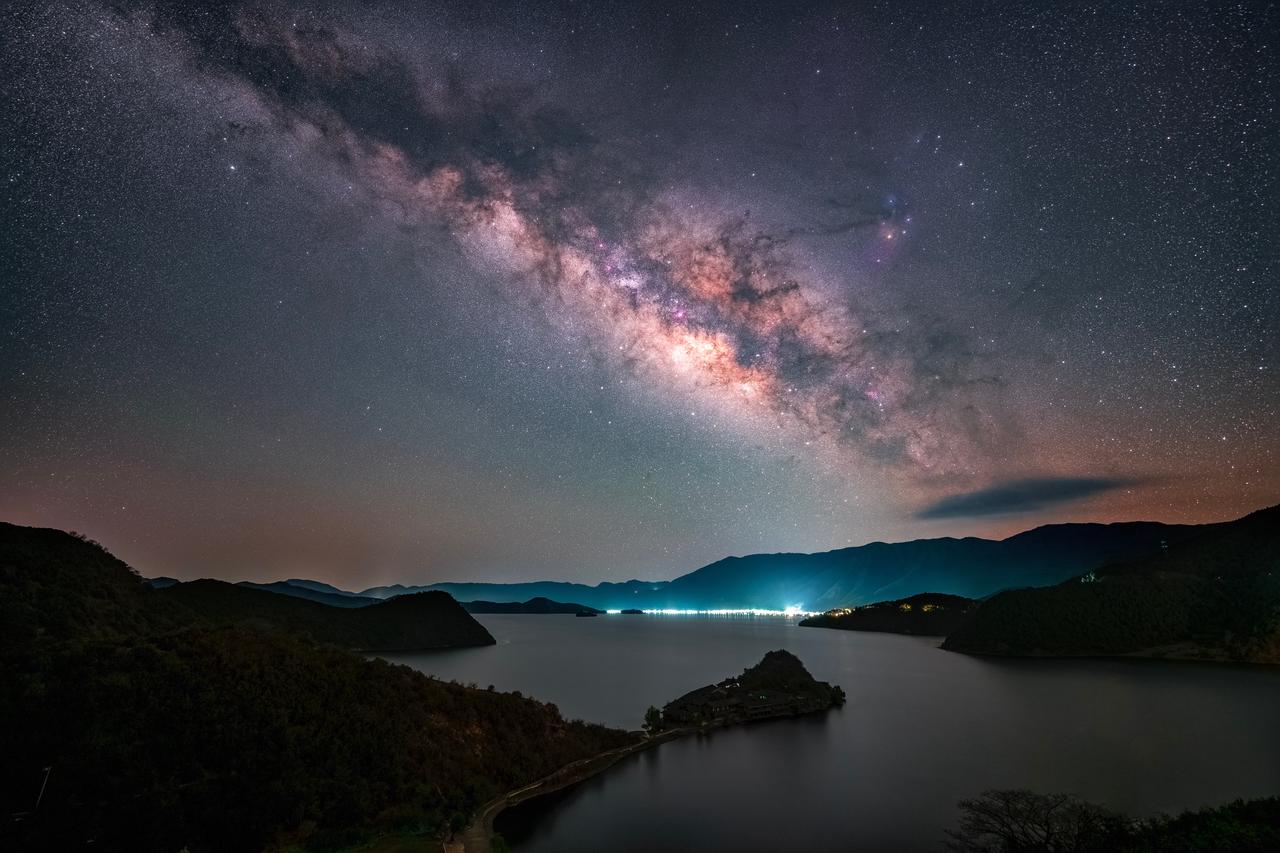
Looking through his portfolio, one thing immediately stands out. Rather than isolating celestial objects, Deqian prefers to reveal the environment around them. Faint interstellar dust, dark nebulae, subtle hydrogen clouds, and carefully balanced compositions transform his images into immersive portraits of the universe rather than simple object records.
His philosophy is simple:
“The subject is only part of the story. The surrounding space tells the rest.”
From Landscape Photography to Deep Sky
Although Deqian is relatively new to deep-sky astrophotography, photography itself has long been part of his life.
His fascination with the night sky began during his student years, but it wasn’t until returning to Sichuan—within reach of some of China’s darkest skies—that curiosity became action.
Like many astrophotographers, he started with landscape astrophotography, photographing the Milky Way, star trails, and nightscape timelapses. Eventually, he wanted to look deeper.
Friends already experienced in deep-sky imaging introduced him to astronomical equipment, helping him make a remarkably smooth transition into astrophotography.
Today, imaging has become both a creative outlet and a welcome escape from his demanding professional life.
Composition Beyond the Target
One characteristic defines nearly every one of Deqian’s award-winning images: composition.
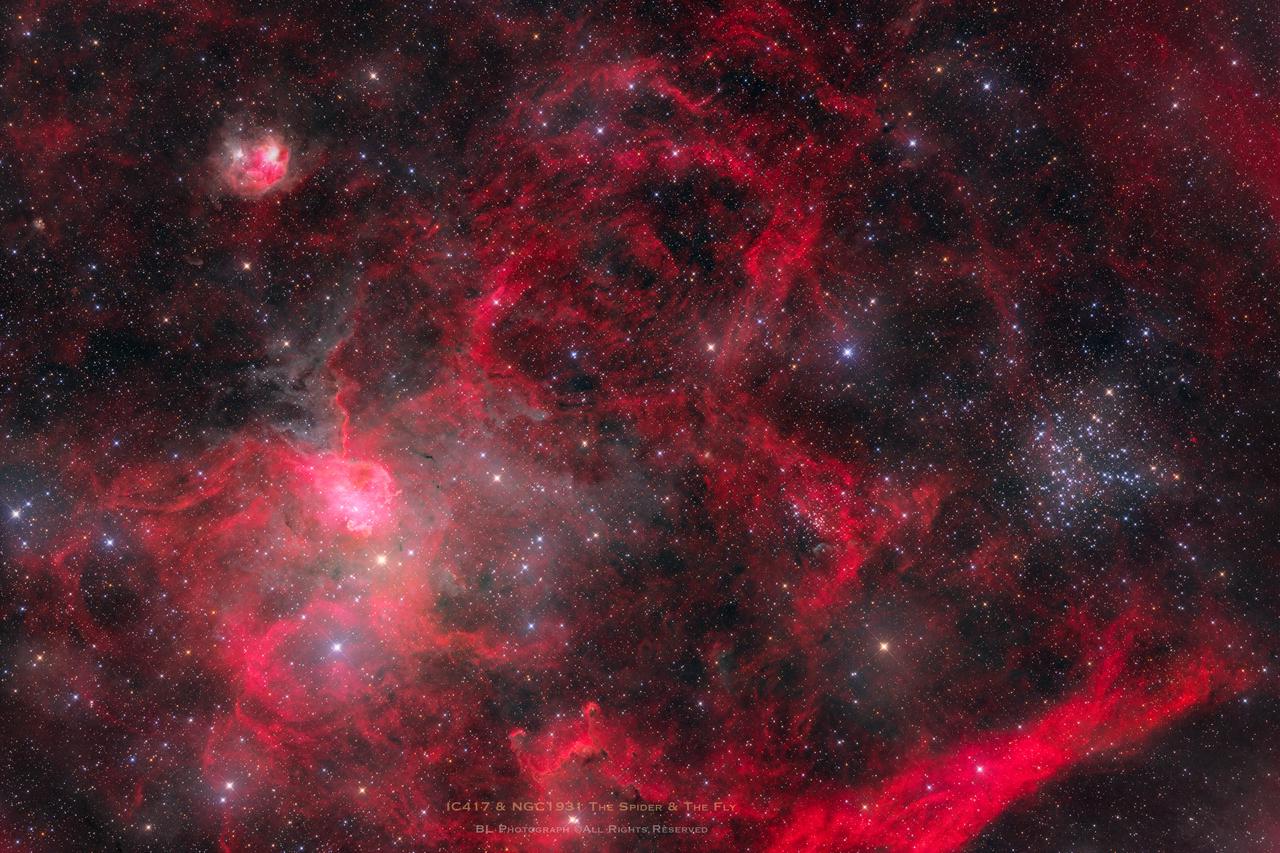
Instead of centering only the primary nebula, he intentionally incorporates neighboring star clusters, dark nebulae, or faint dust structures to provide context and visual balance.
One shortlisted image demonstrates this perfectly.
Rather than framing only the main nebula, he expanded the composition to include a nearby star cluster, creating a more dynamic and harmonious image. Additional Luminance data was carefully integrated with RGB and H-alpha channels, enriching the fine structures throughout the field.
The final image required nearly 19 hours of total exposure.
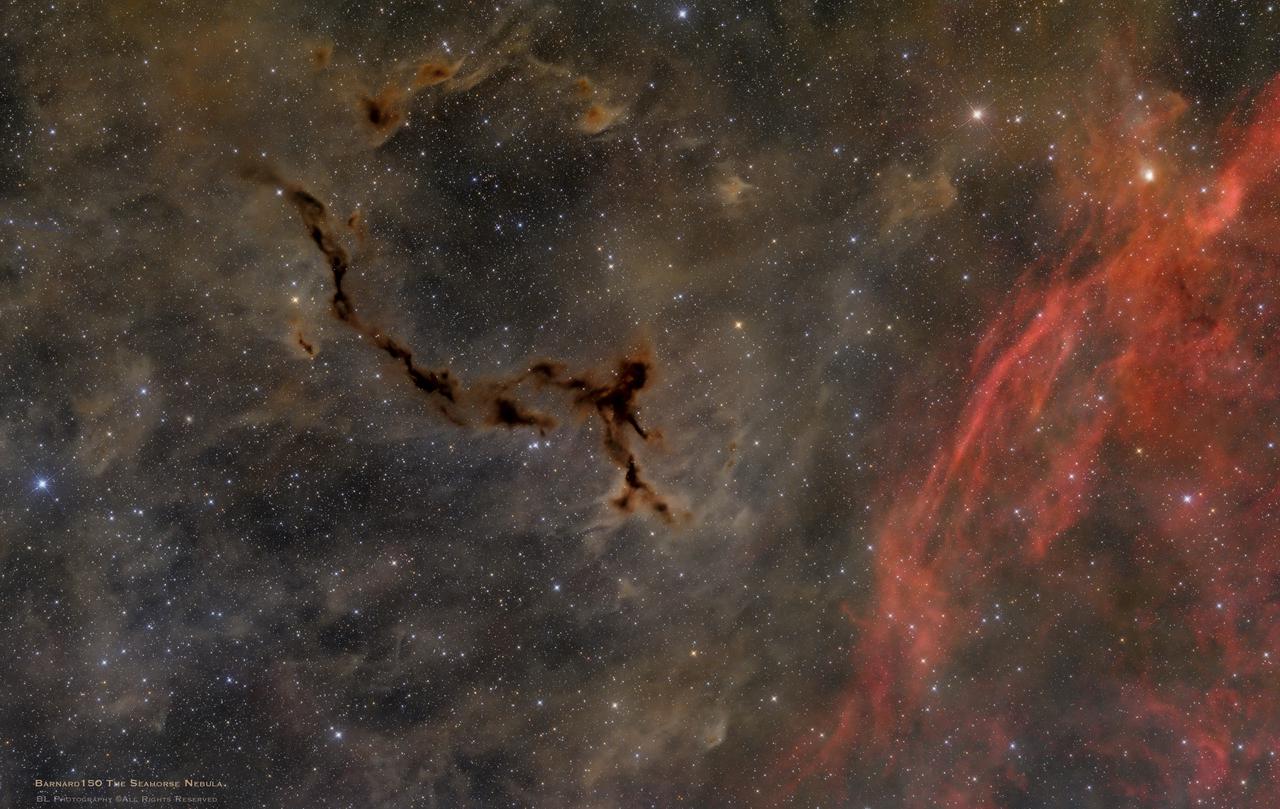
This philosophy appears again in his wide-field image of the Cocoon Nebula. Instead of isolating the nebula itself, he intentionally included the surrounding dark nebulae.
“Landscape photography taught me to think beyond the subject. Showing the environment makes the story more complete.”
Chasing the Hidden Dust Around the Pomegranate Nebula
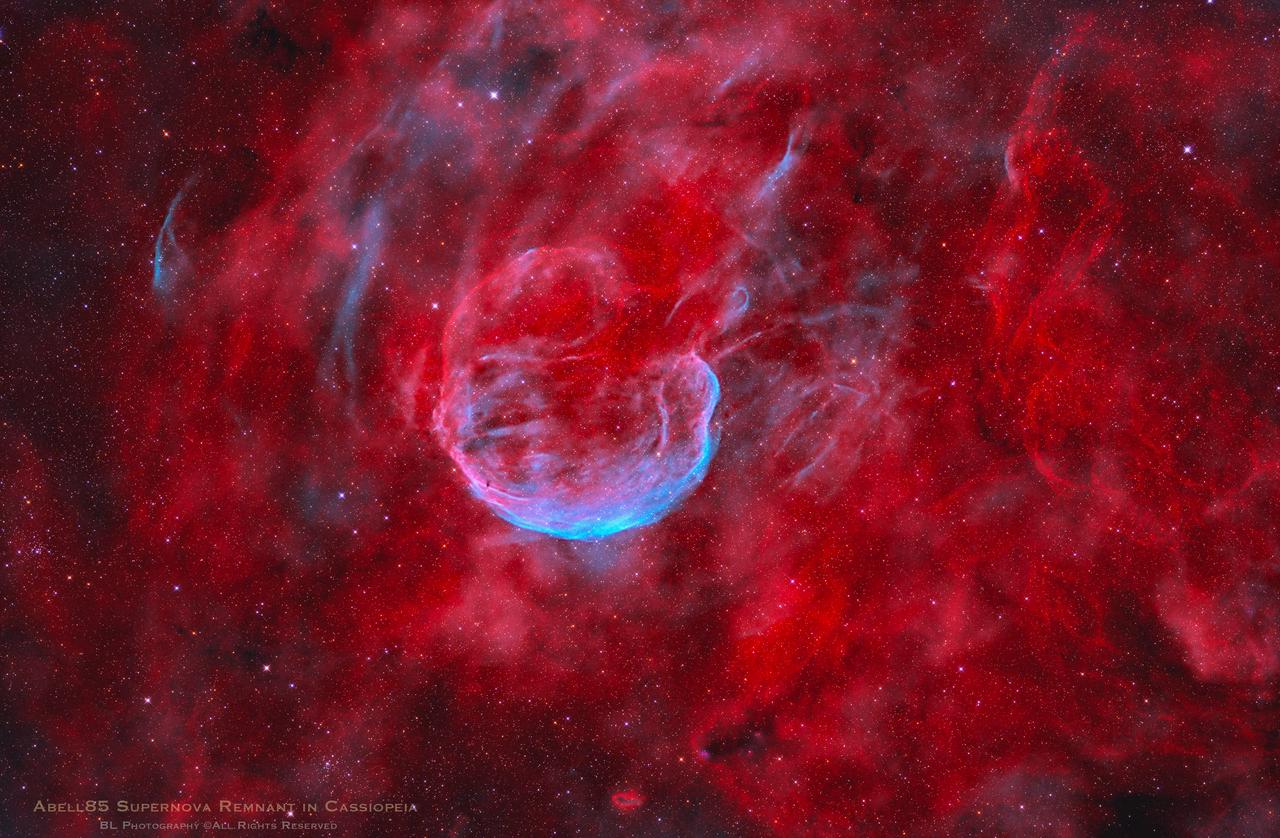
Perhaps the most striking example of Deqian’s approach is his image of the Pomegranate Nebula.
While many astrophotographers focus on the bright nebular core, Deqian set out to reveal the faint interstellar dust surrounding it.
The project began during the summer of 2024.
Using a SkyRover 102 mm f/7 refractor together with his ZWO imaging system, he spent six to seven nights traveling between three dark-sky locations across Sichuan.
Nearly 24 hours of integration were accumulated.
Almost 10 hours were devoted solely to the OIII channel, allowing the delicate blue structures to emerge naturally.
For Deqian, however, exposure time alone wasn’t enough.
Maintaining identical framing across multiple nights proved equally important.
His field setup centered around the ZWO ASIAIR and AM5 mount, allowing him to revisit exactly the same composition night after night.
Only the first evening required careful framing. Once established, ASIAIR enabled repeatable imaging sessions with almost no deviation.
For a Newtonian telescope, even slight rotation would have produced inconsistent diffraction spikes.
Instead, the stars remained perfectly consistent throughout the entire project—providing the stable dataset required for advanced post-processing.
Exposure Is an Investment
Reviewing Deqian’s portfolio reveals another obvious pattern:
He is never afraid of long integrations.
15 hours.
20 hours.
30 hours.
Even 112 hours.
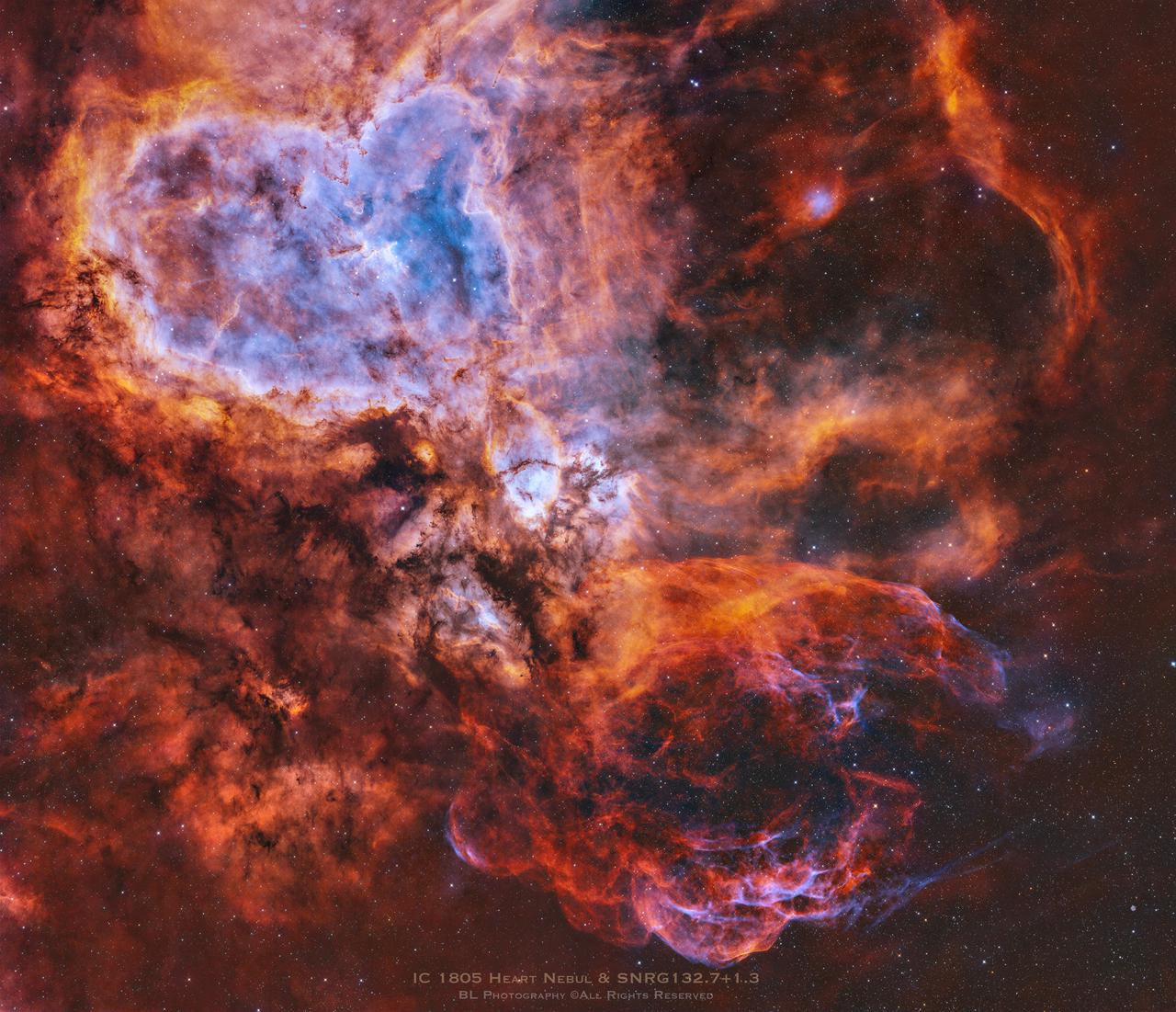
His breathtaking Heart Nebula mosaic required nearly three months of imaging between November and January.
The project consisted of a two-panel mosaic with:
- 50 hours of H-alpha
- 31 hours of SII
- 26 hours of OIII
For him, longer exposure is not simply about reducing noise. It allows hidden structures to emerge naturally while giving far greater flexibility during processing. He also believes beginners often make the same mistake. Instead of collecting a few hours on many targets, they should dedicate an entire night—or several nights—to one object.
“The more signal you collect, the easier every step afterward becomes.”
Field Imaging or Remote Observatories?
Having extensive experience with both portable field setups and remote observatories, Deqian believes each serves a different purpose. Field imaging remains the best classroom.
Setting up equipment, polar aligning, framing targets, and troubleshooting teaches beginners how every part of the imaging system works. Even standing outside in freezing temperatures becomes worthwhile once the first calibrated frame appears on screen.
Remote observatories, on the other hand, unlock projects that would otherwise be nearly impossible.
Dozens—or even hundreds—of hours of integration become achievable without repeated long-distance travel.
His recommendation?
Experience both. Master the equipment in the field first, then let remote observatories expand your creative possibilities.
Professional Systems and Smart Telescopes
As someone who regularly uses professional astronomical equipment, Deqian sees professional imaging systems and smart telescopes as complementary rather than competing products.
Professional ZWO imaging systems offer maximum creative freedom, supporting monochrome cameras, narrowband imaging, and complex processing workflows capable of producing publication-quality images.
Smart telescopes such as Seestar, however, dramatically lower the barrier to entry.
For beginners, families, or travelers, they remove much of the complexity associated with setup, focusing, guiding, and acquisition.
“Professional systems help you explore the limits of astrophotography. Smart telescopes help more people discover why the night sky is worth exploring in the first place.”
Advice for Beginners
After only a short time in astrophotography, Deqian’s rapid progress has been driven by a surprisingly simple philosophy.
“Prioritize stability over expensive equipment.”
Reliable automation lets you focus on creativity instead of troubleshooting.
“Be patient with exposure time.”
One well-exposed target is far more rewarding than several incomplete ones.
“Study great images.”
Every photographer learns through observation. Analyze outstanding work, compare it with your own, and gradually develop your own artistic style. His final message perfectly captures the essence of astrophotography:
“Slow down. Look deeper. The universe rewards patience.”