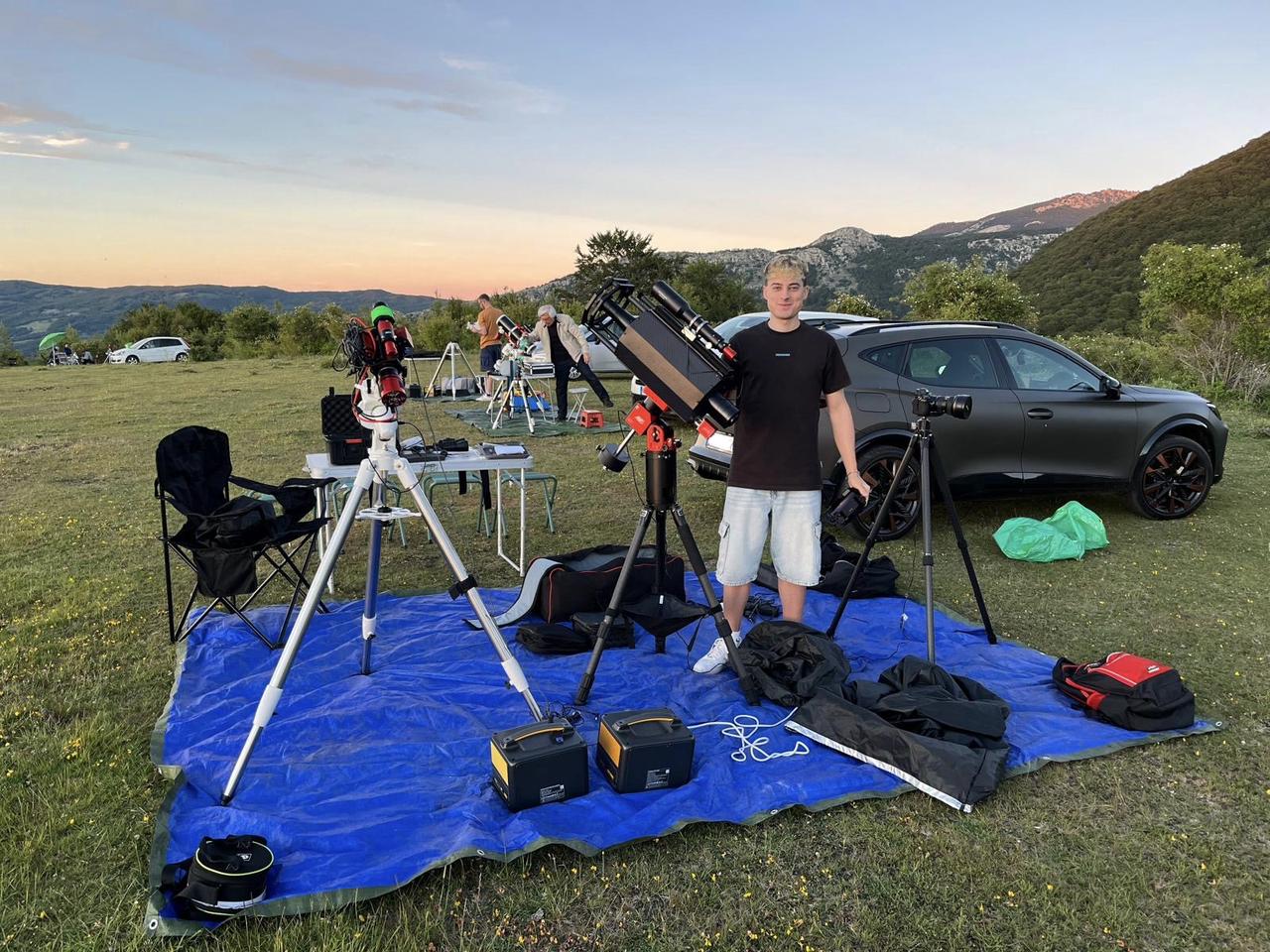
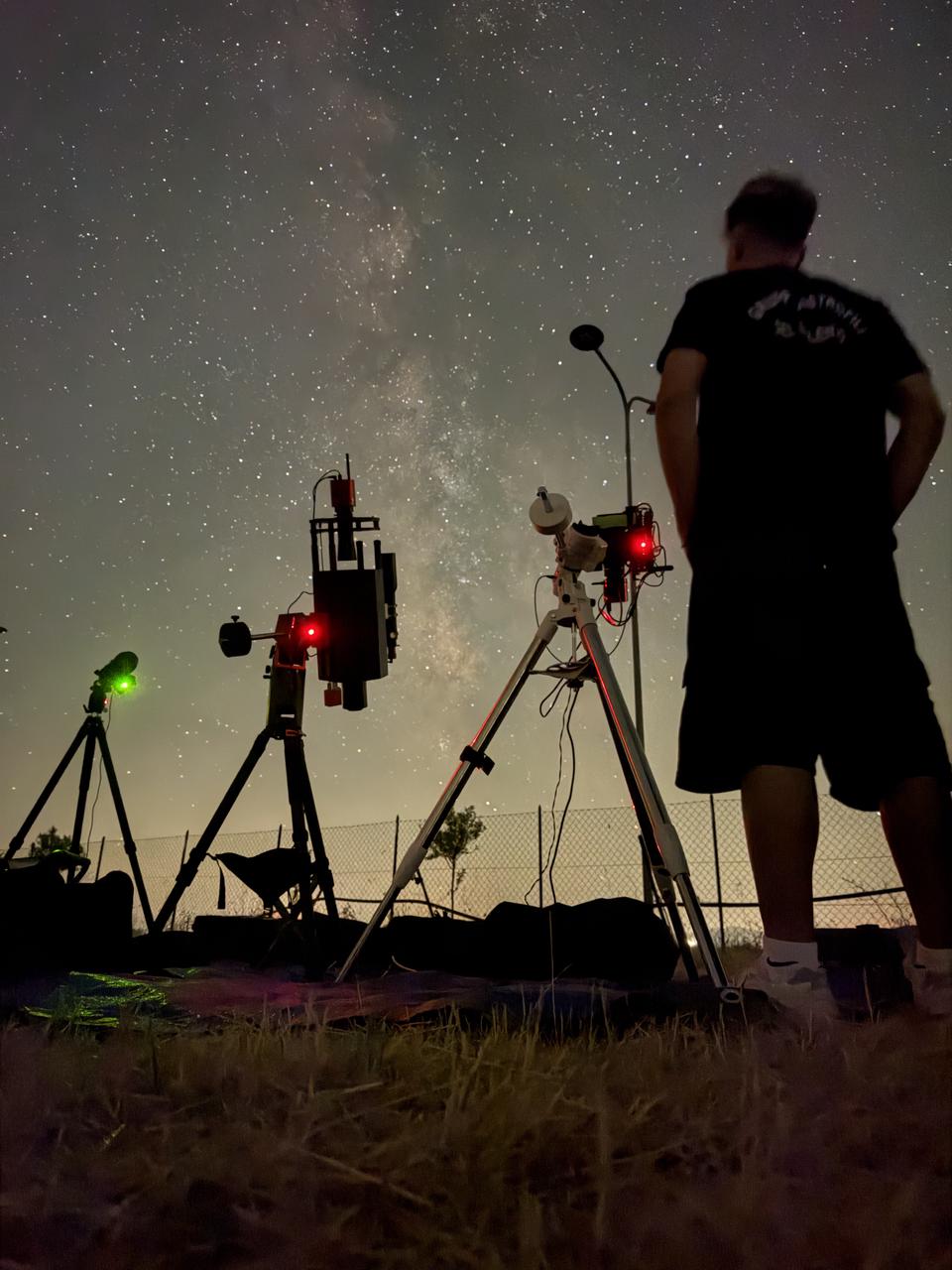
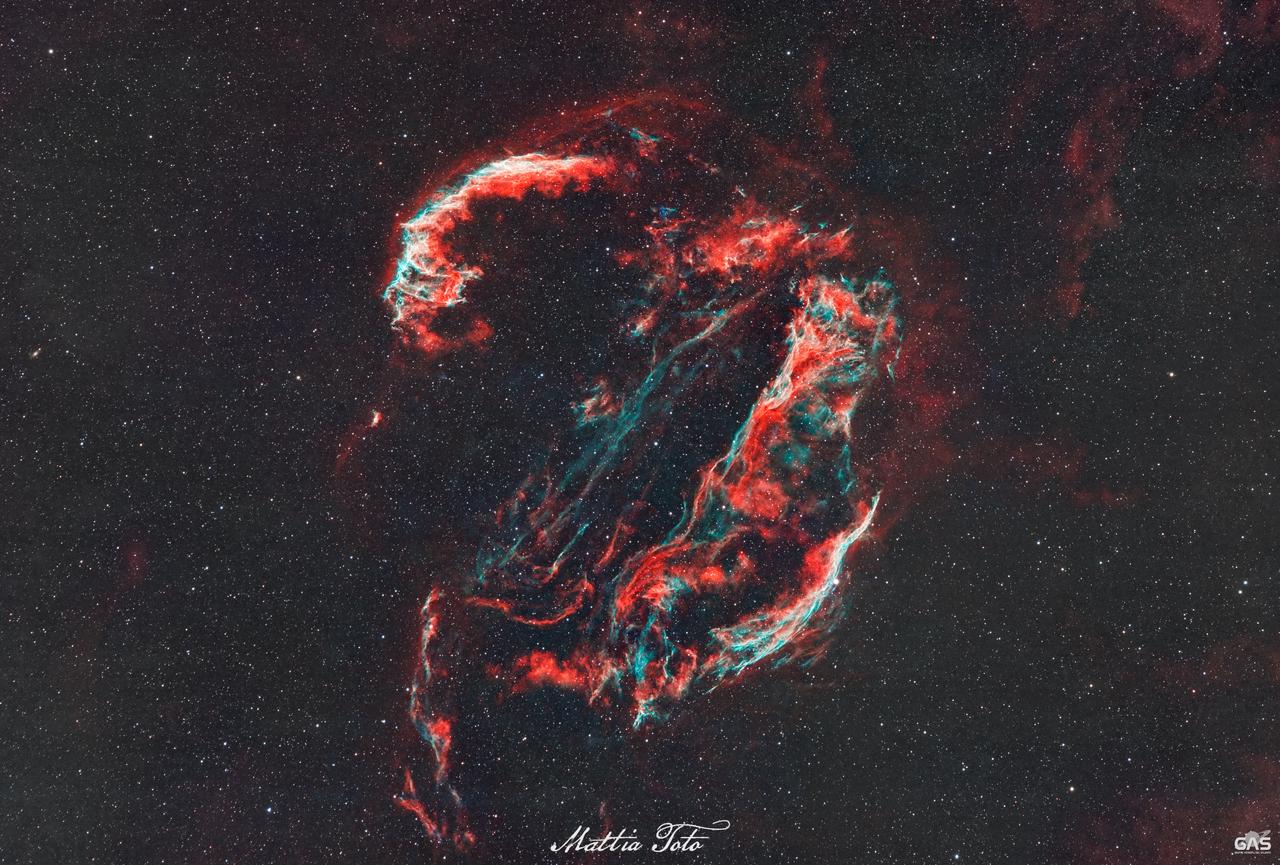
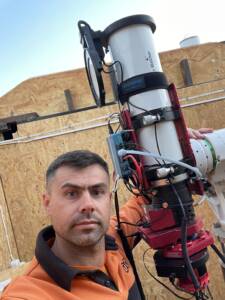
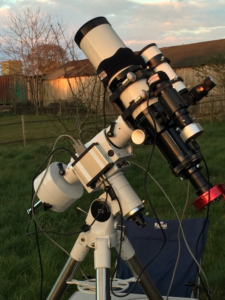
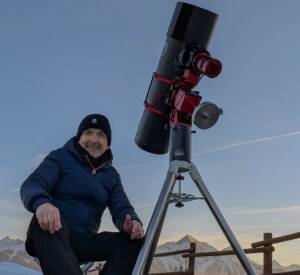
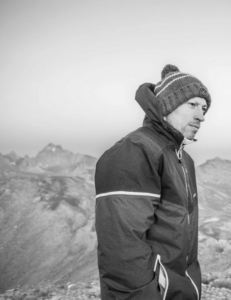
In 2025 I started travelling to darker sites: Area 21 near Ruvo di Puglia, Stigliano and the Pollino National Park. First I paired the ASI294MC Pro with a Celestron C8 for targets like M51 and the Crescent Nebula. Then I moved to wide fields with a Samyang 135 mm f/2 and a ZWO ASI2600MC, and later I built my current ZWO-based setups. My nights out there are a mix of waiting, patience and wonder. I prepare everything carefully, check the sky, guiding and focus, then let the setup work for hours while the signal slowly builds up.
A real family of astronomers
I’m part of Area 21, an amateur astronomy community born in Puglia that now has more than 1,000 members on Facebook. To organise ourselves faster I created a WhatsApp group with more than 70 active members. It’s not just a group of enthusiasts but a real family: we help each other every day, share advice, plan our nights out and, when we’re not under the stars, we meet up just to chat.
A special project
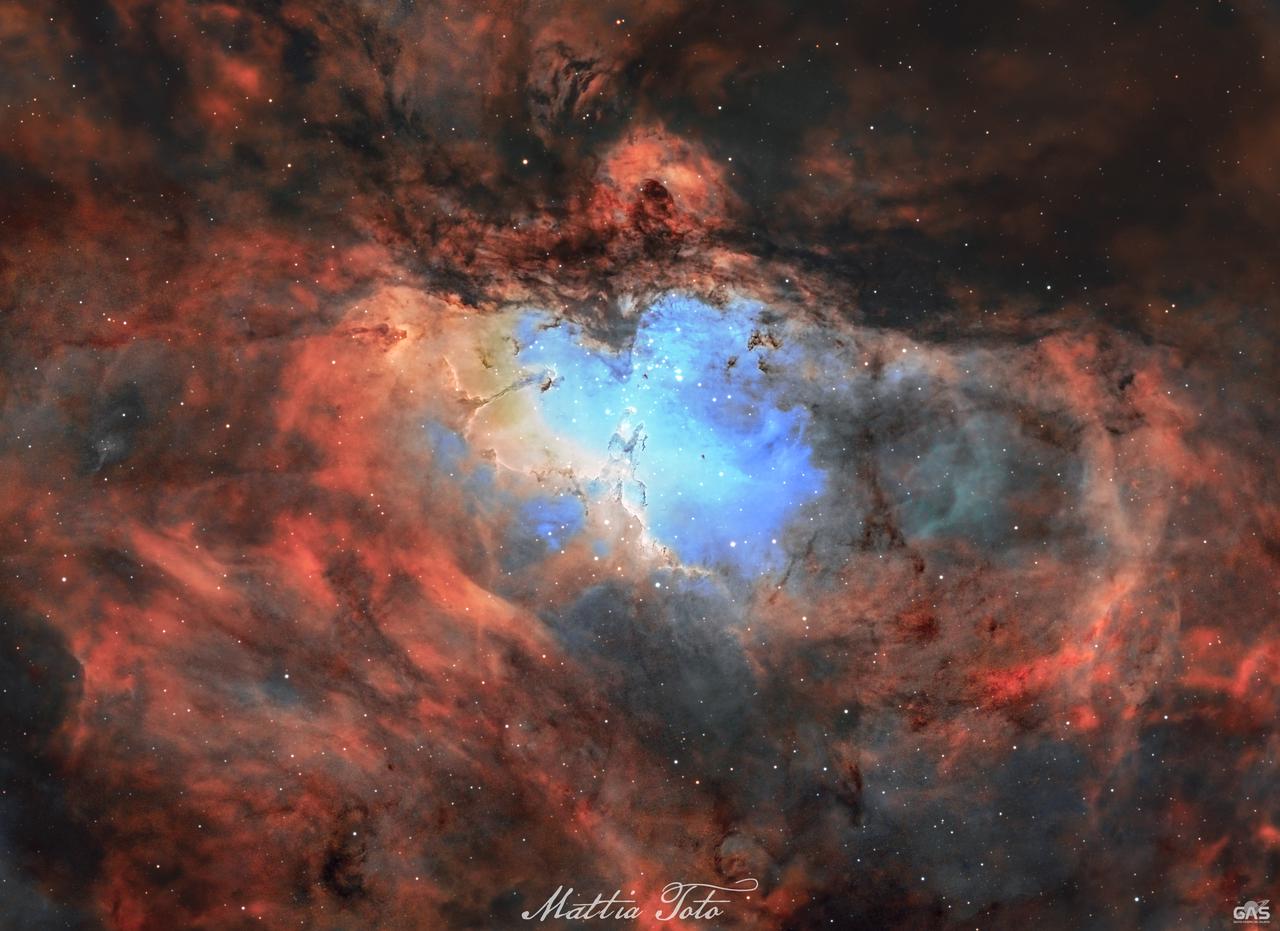
One of my favourite memories is the Eagle Nebula and the Pillars of Creation, shot on Pollino in July 2026 with two friends. We combined three different setups and almost 14 hours of data, and all three ran on ZWO cameras: my ASI2600MC Air on a ZWO AM5N, an ASI585MC Pro and an ASI585MC Air. Three people, three telescopes, one image.
One tube, two telescopes, and my ZWO Air cameras
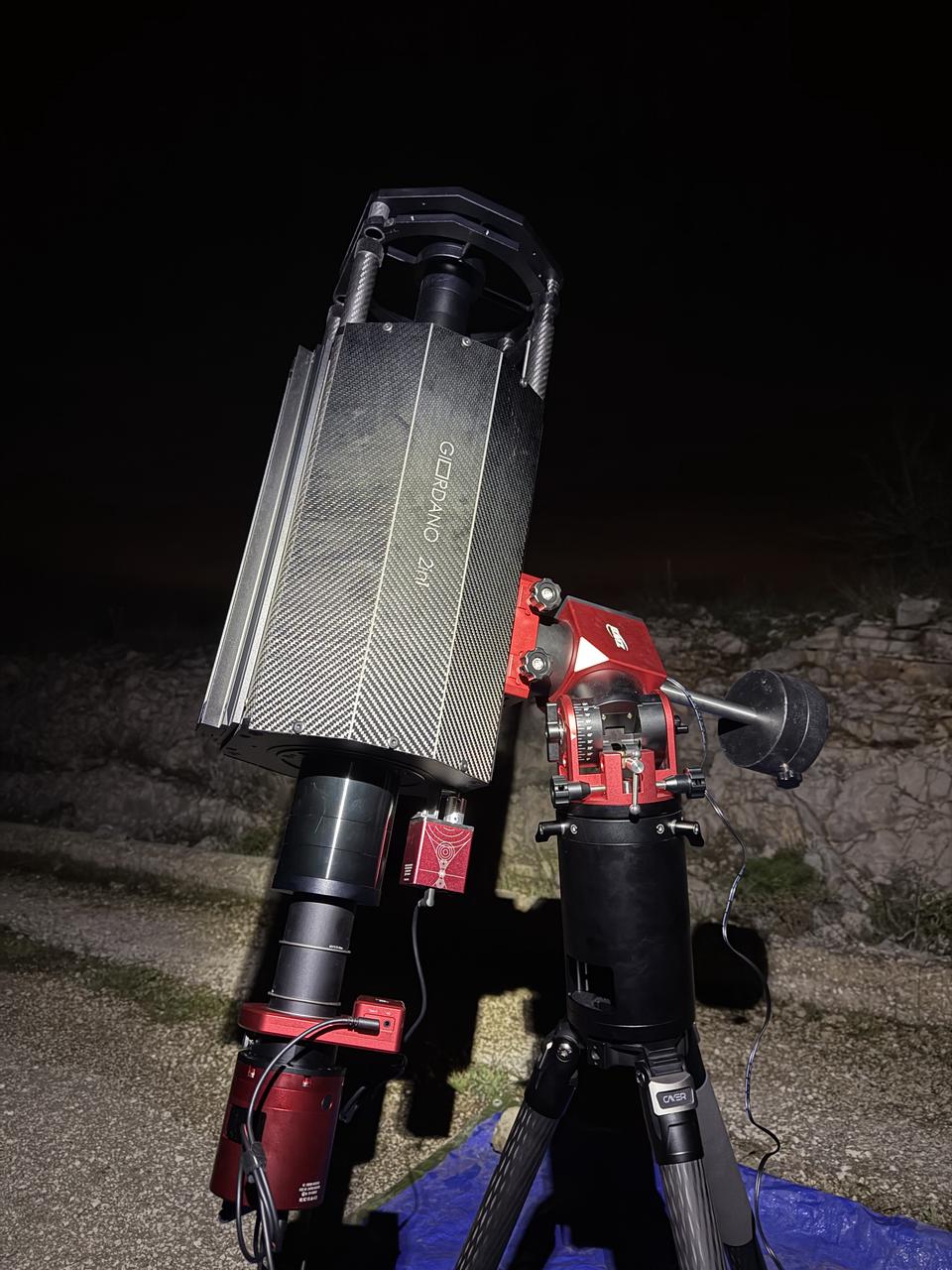
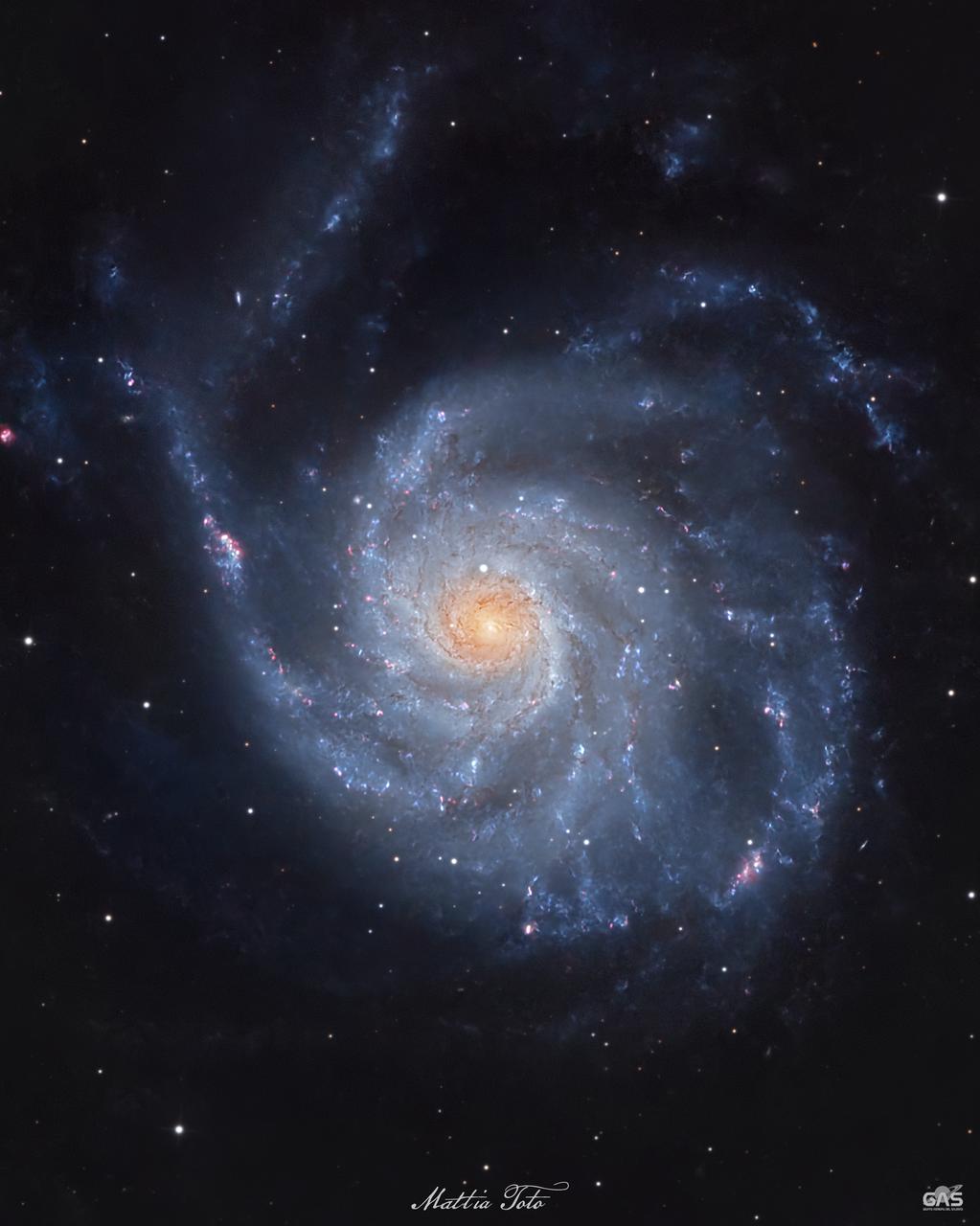
A big part of my recent work comes from the GIORDANO RCN8 2-in-1 (an Italian brand I also work with), an 8-inch tube that I can use either as a Ritchey-Chrétien at 1600 mm f/8 or as a fast Newtonian at 600 mm f/3. On the RC side I shot M101, the Pinwheel Galaxy, with the ASI2600MC Air. In the fast Newtonian configuration, with the same camera and an L-Para filter, I captured the faint Squid Nebula, OU4.
The ZWO Air cameras made a huge difference. The control is built into the camera, so I have far fewer cables and boxes on the mount, and I can switch between the two configurations or move the camera to my FRA400 in a few minutes. With the ASI585MC Air I don’t even need a separate guide scope. When you set up in a dark field at night, this simplicity means more time under the sky and less time fixing cables.
Recognition
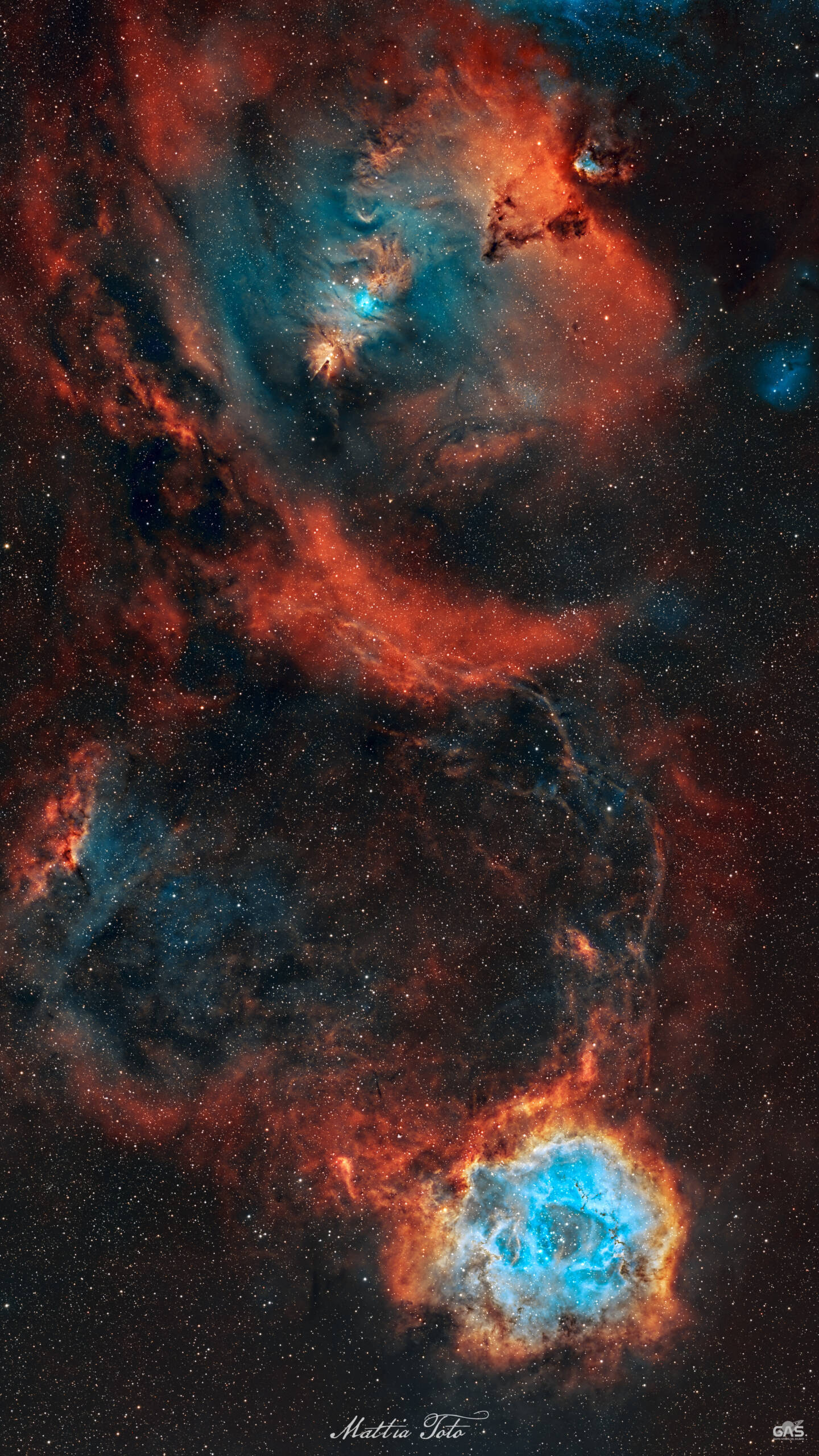
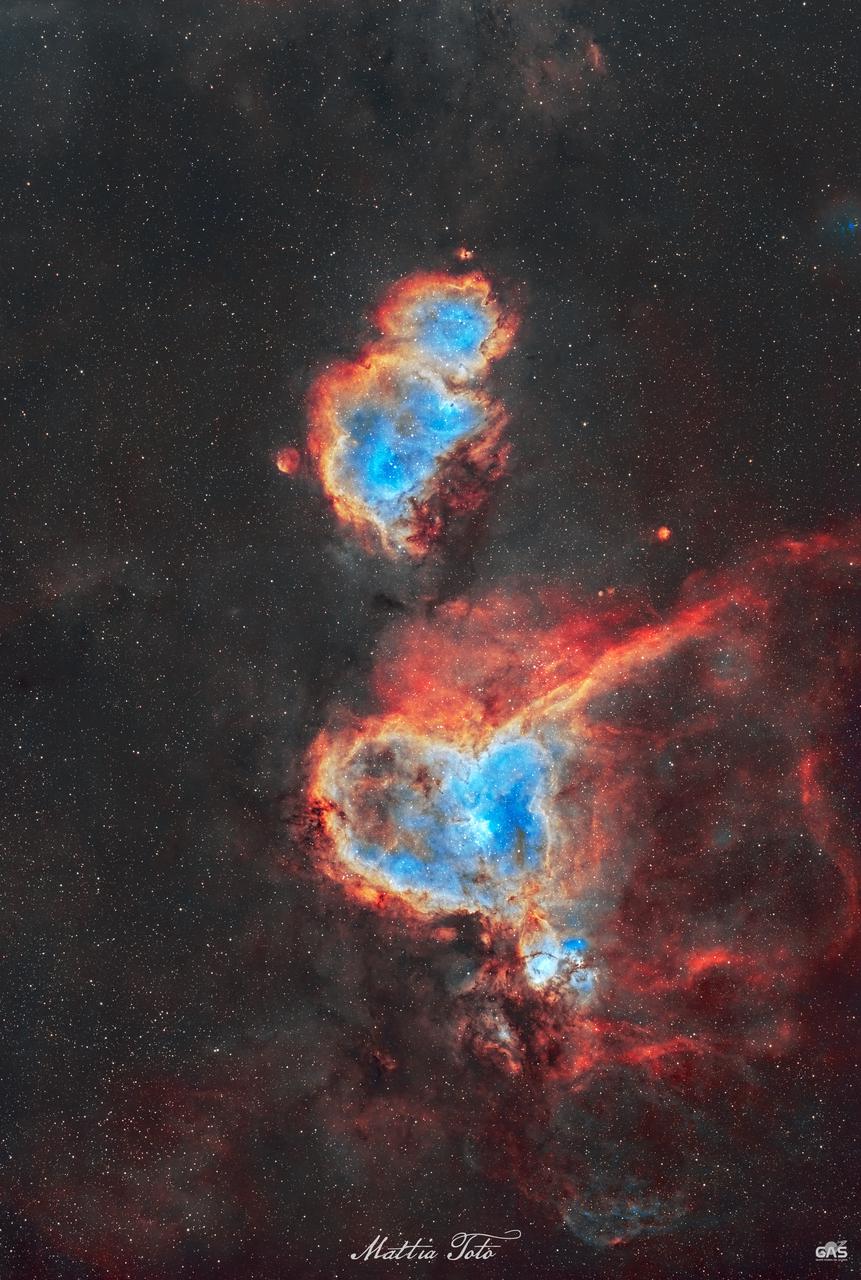
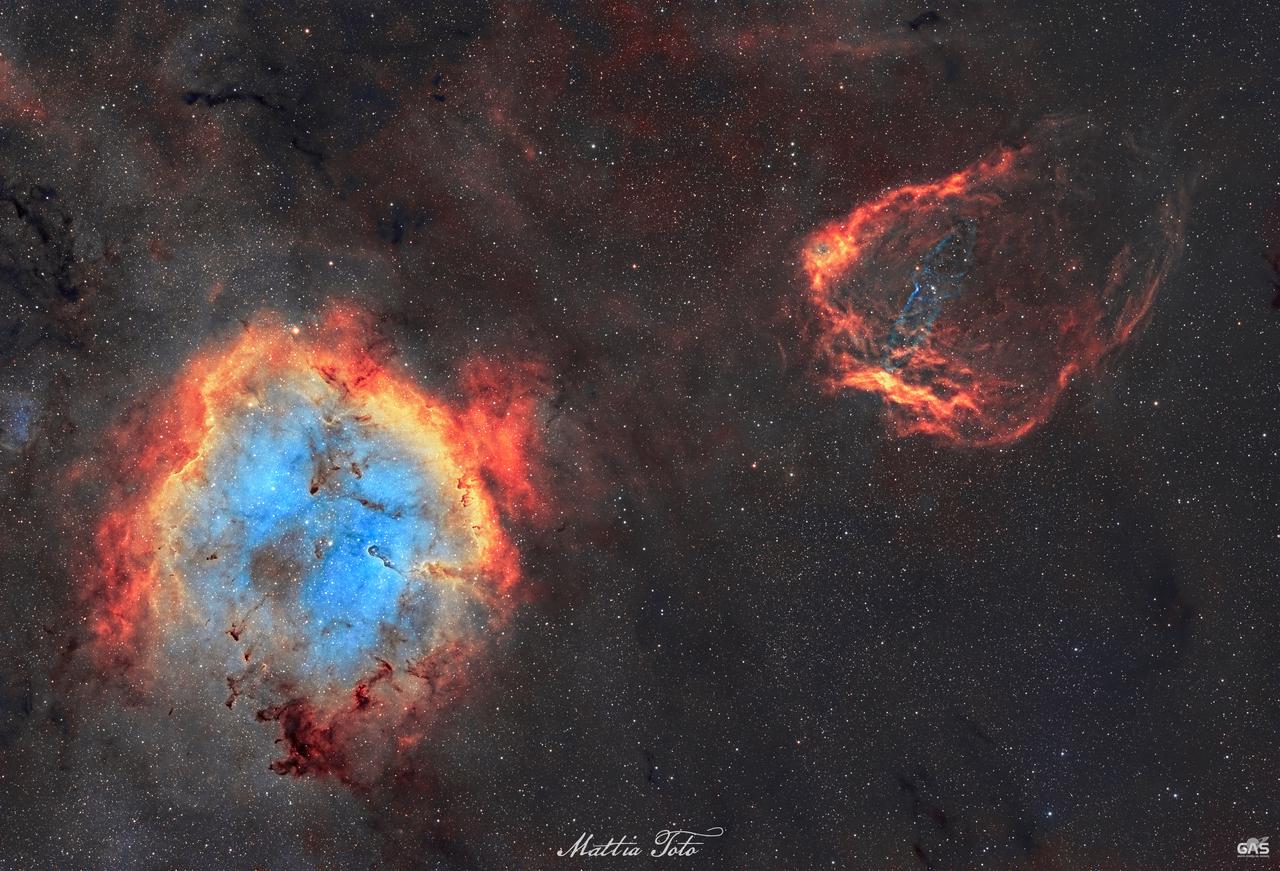
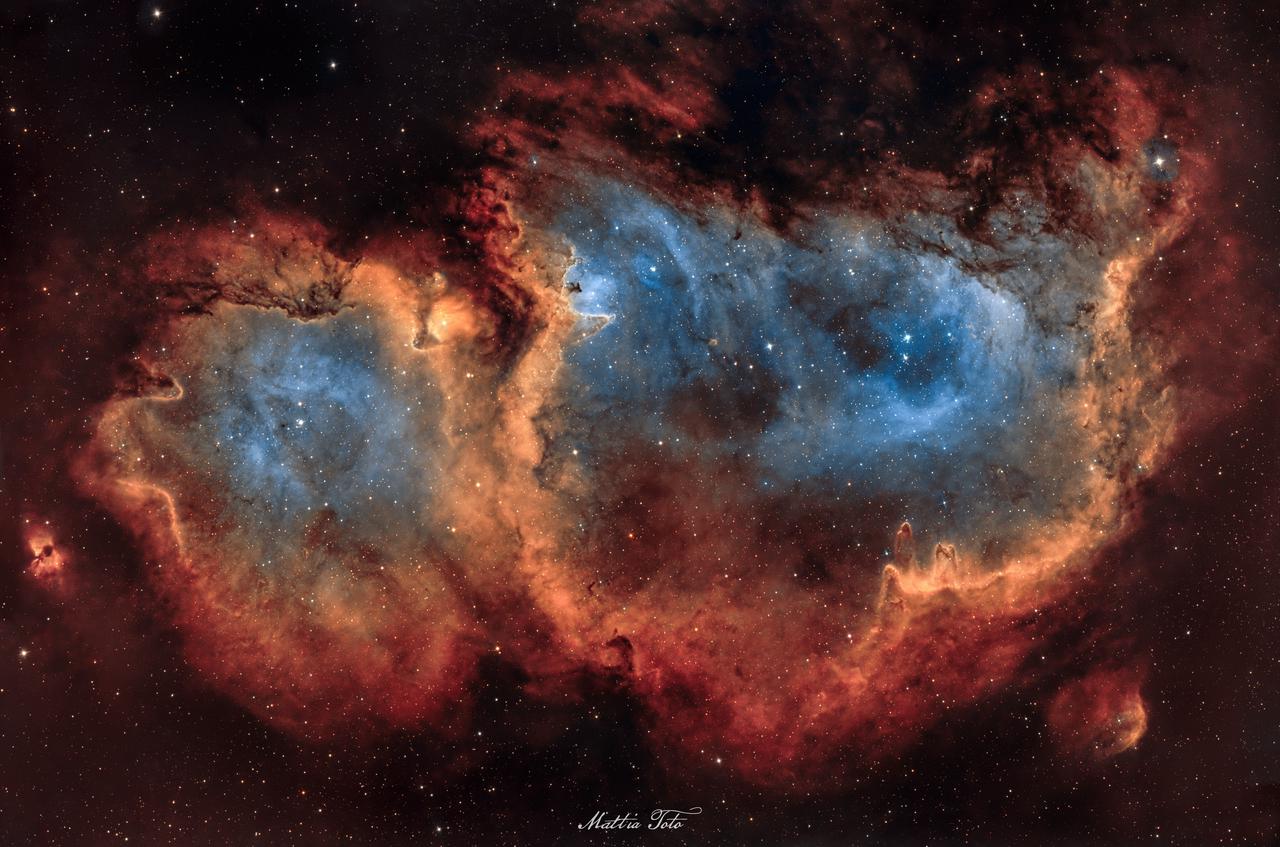
- Astronomy Picture of the Day (APOD) on Astronomia.com, four times. Only one image is chosen among hundreds of submissions. The first came on 30 October 2025 with the North America, Pelican and Shell nebulae, shot over two nights with Area 21 and at the Star Party del Meridione. Then came the Soul Nebula (IC 1848), M101, and IC 1396 with Sh2-129 and OU4 (the Elephant, the Bat and the Squid).
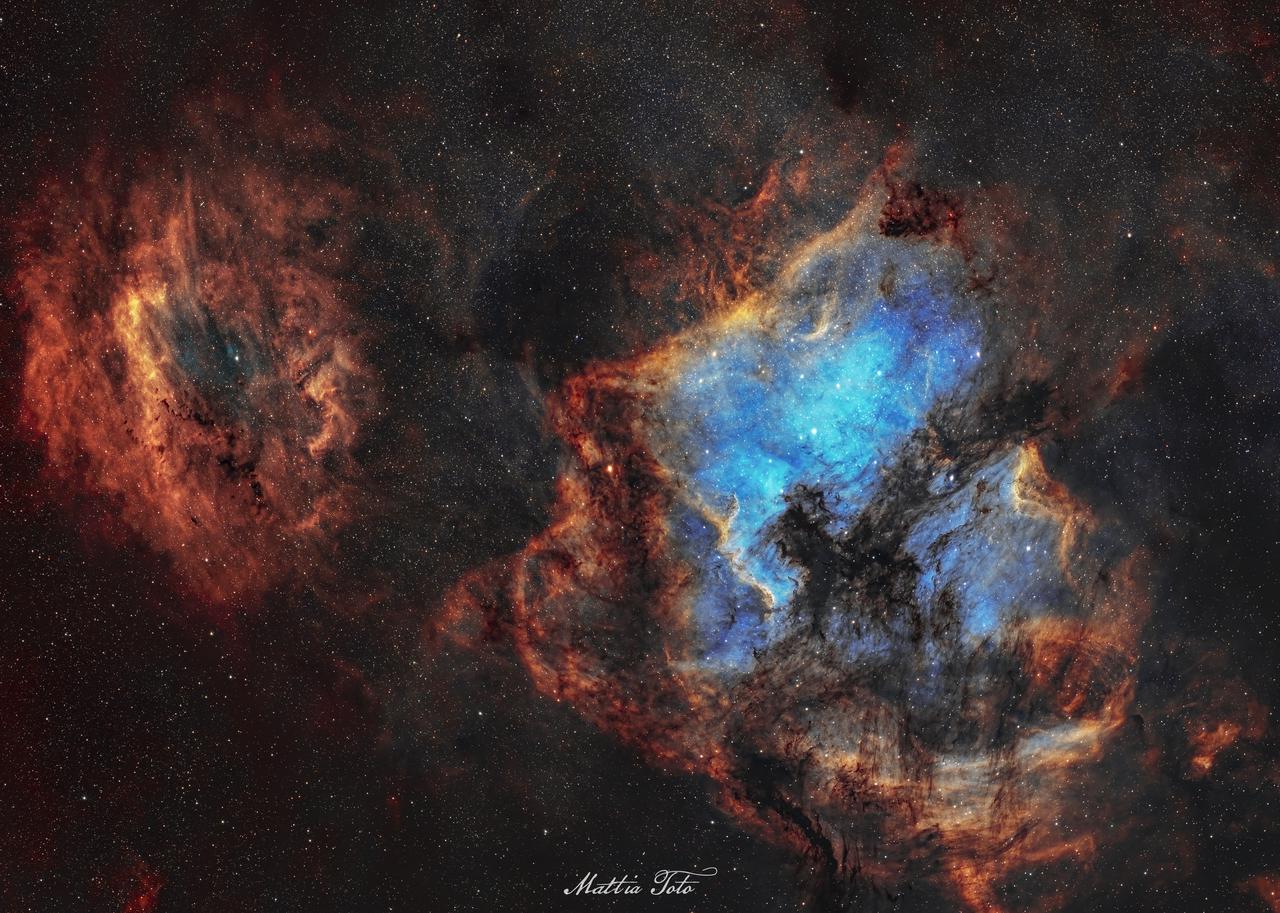
- Astronomy Picture of the Month on Astronomia.com, three times: the Soul Nebula, M101 (June 2026), and the Elephant, the Bat and the Squid (October 2026).
- Italian Space Agency (ASI): “Photo of the Week” on YoubyASI with the Shell, North America and Pelican nebulae (8 h 40 min with a ZWO ASI2600MC and a Samyang 135 mm).
- BBC Sky at Night Magazine: the Soul Nebula in the Bonus Content of March 2026.
- Urania magazine: my images have appeared almost every month, starting with NGC 7822 in 2025, then issues 11 (January 2026), 12 (February, Valentine’s special), 15, 16, 18, 19, 20 and 21 (November 2026).
- Cosmo magazine: issues 73 (June 2026) and 74 (July–August 2026), in the “Le vostre stelle” section.
My setups today
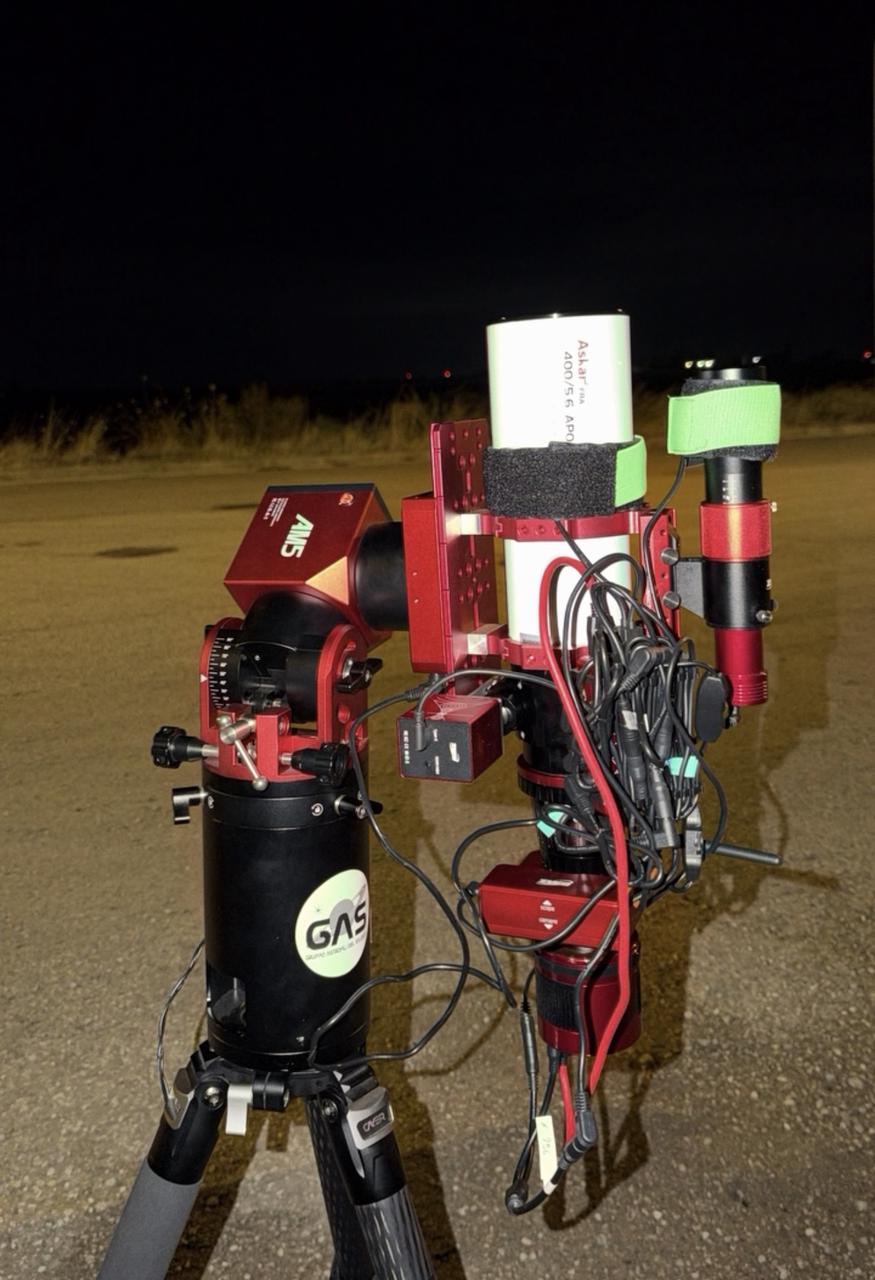
- Portable deep-sky: Askar FRA400 on a ZWO AM5N with the ASI2600MC Air or ASI585MC Air and EAF.
- Fast and long focal length: GIORDANO RCN8 2-in-1 on the AM5N with the ASI2600MC Air.
- Wide field: Samyang 135 mm f/2 with the ASI2600MC and ASI294MC Pro.
- Planetary: ASI385MC for the Moon and planets.
For me, astrophotography means combining technique, patience and wonder, and turning hours under the sky into an image that shows the hidden beauty of the universe.