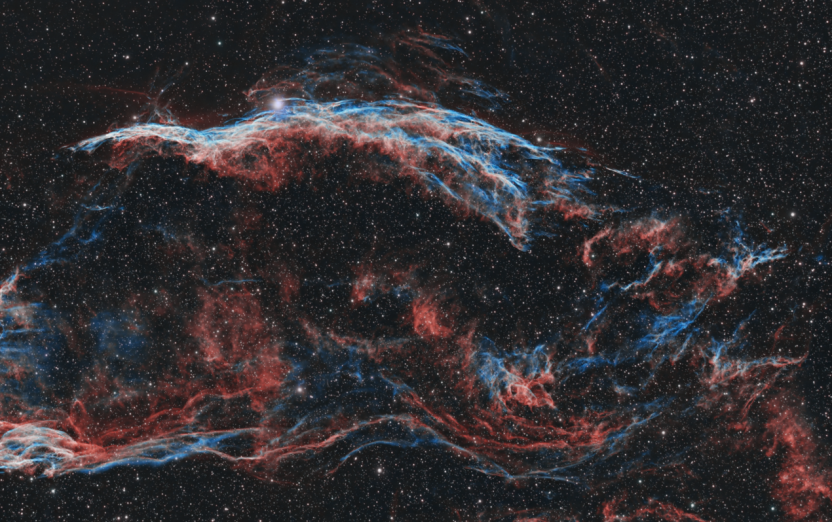
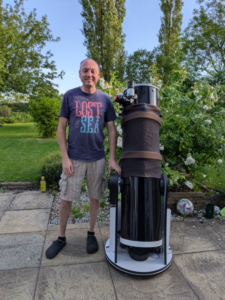
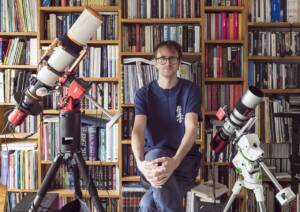
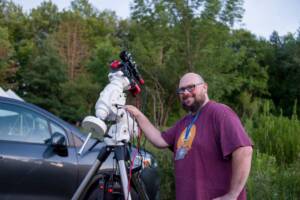
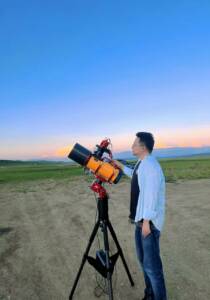
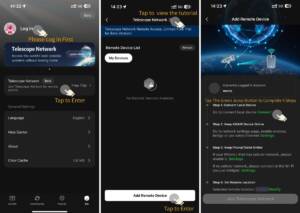
William Optics ZenithStar 103/ZWO ASI533MM Pro
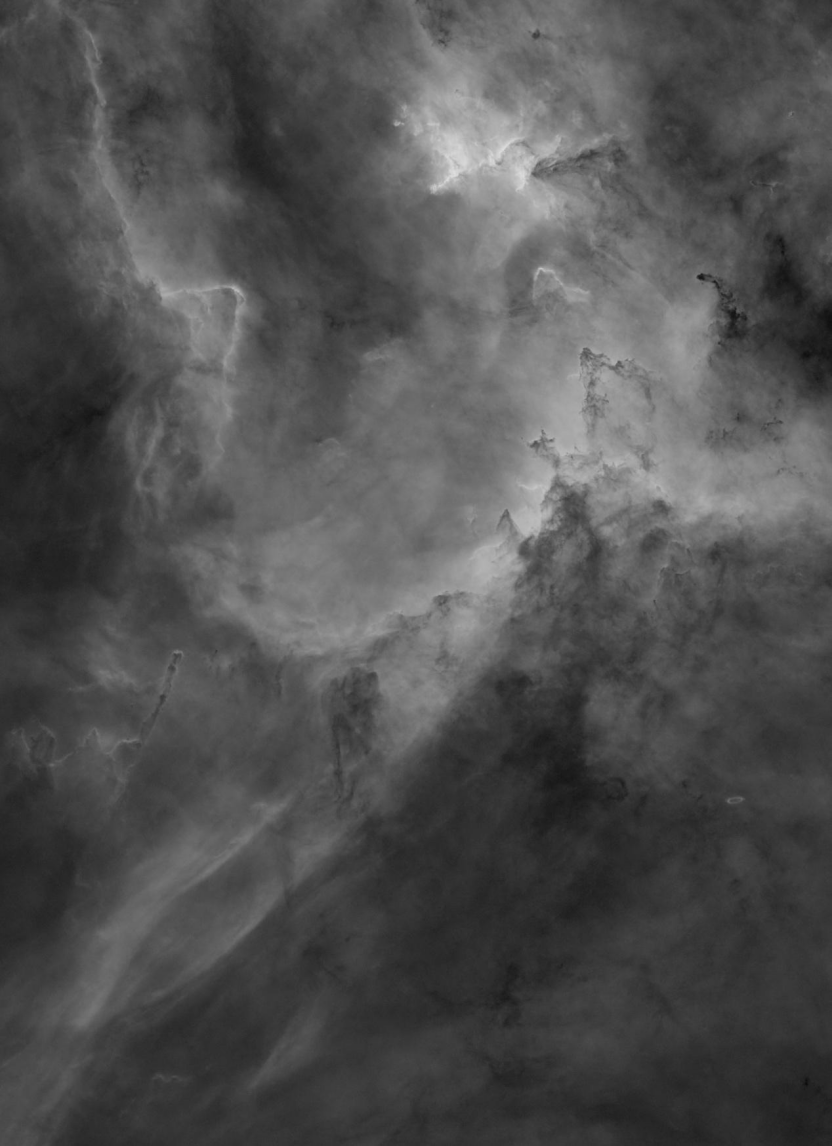
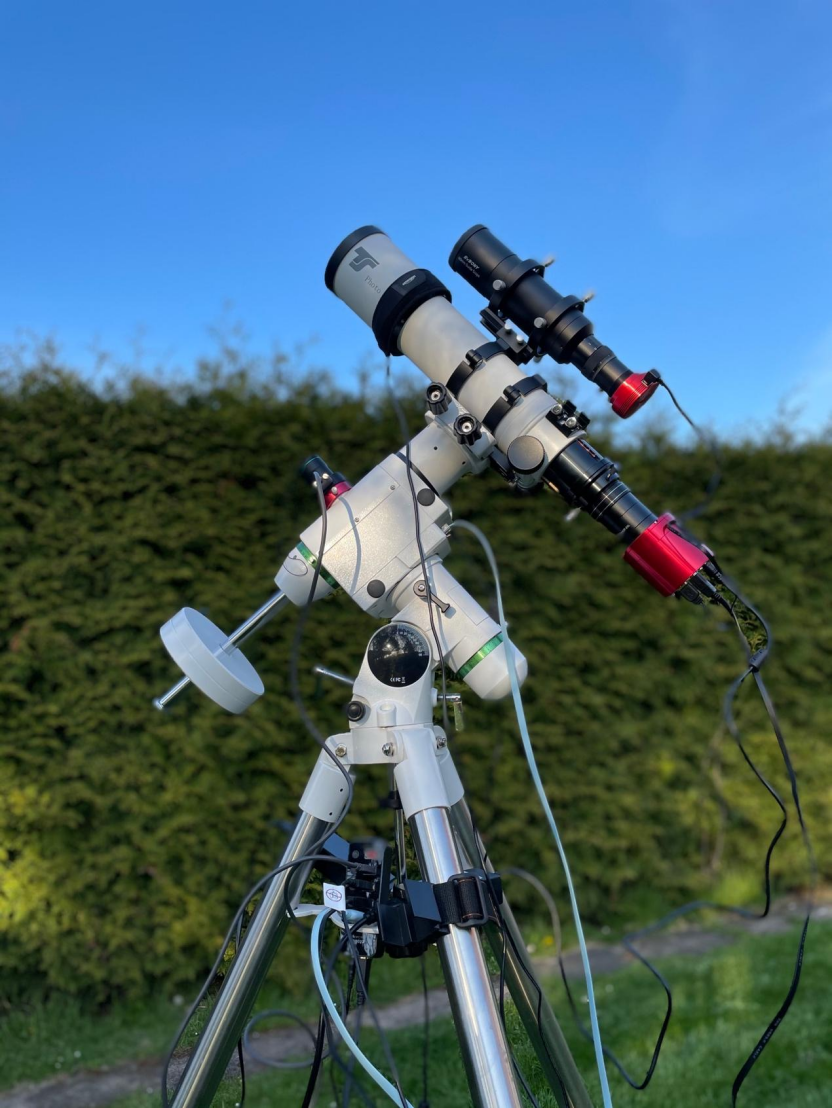
Heart of the Heart Nebula in Ha: RedCat 51II/ ZWO ASI 533MM Pro
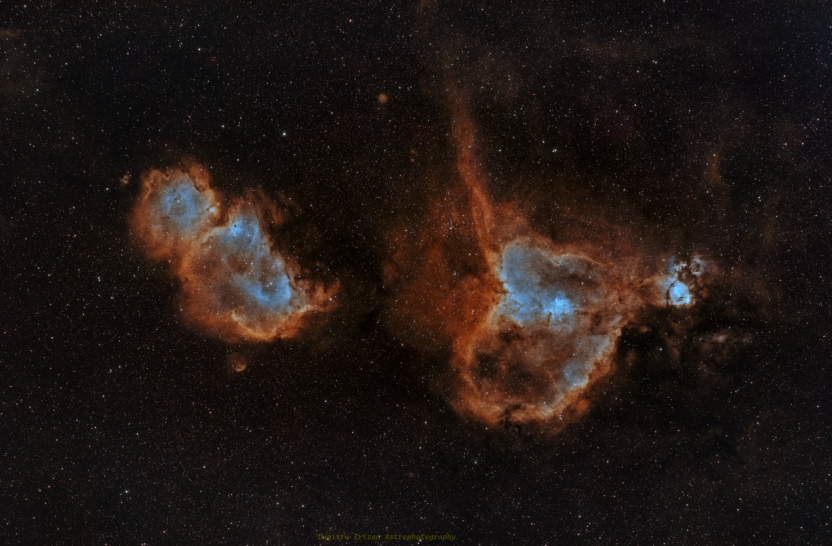
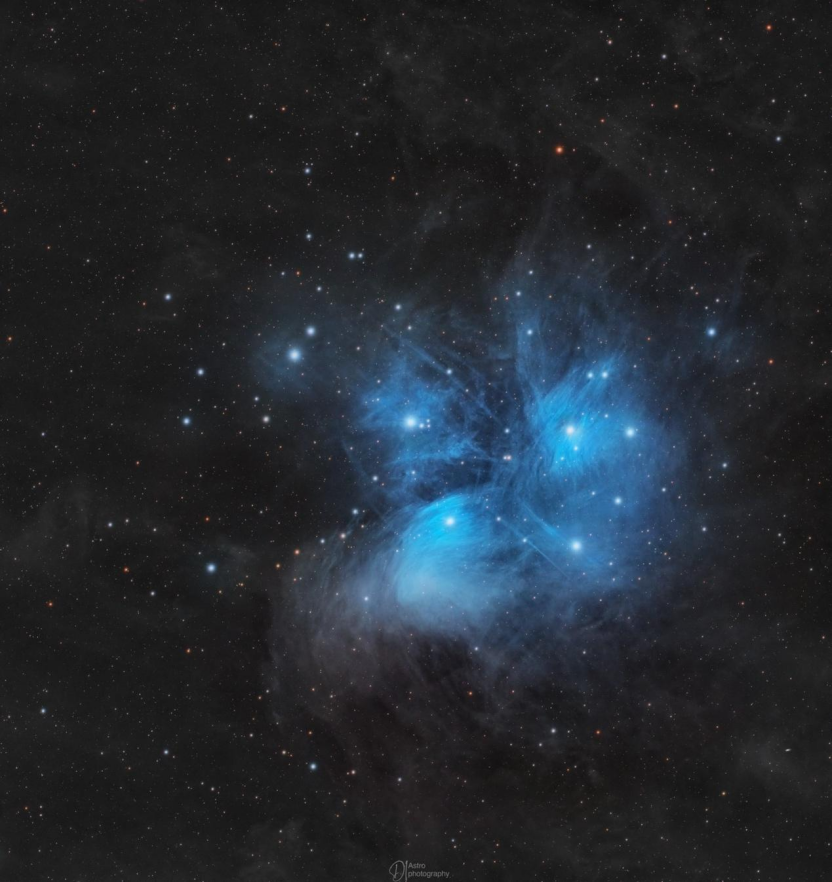
Heart and Soul Nebula; RedCat 51 II paired with ZWO ASI128MC Pro; 9 hours integration
3. Under the Stars
Initially, I took photos under a Bortle 6 urban sky, but a year ago, I completed my observatory in my home village. Now, I capture images under a rural sky with an SQM (Sky Quality Meter) reading of 21.6 (on a clear, moonless night) which I would classify as Bortle 2–3. The observatory is operated remotely; whenever issues arise, my father steps in to help. He is a local entrepreneur involved in agriculture and, more recently, in electricity generation from renewable sources. Nolens volens, he became my assistant as well as my mother. My parents even have sacrificed a portion of their garden to accommodate my observatory.
Throughout my time as an astrophotographer, I’ve had many memorable experiences, but the night of May 10, 2024, stands out the most. It was a clear, serene night perfect for starting an imaging session with my telescope. Then, quite unexpectedly, I encountered a surprise: the sky began to shift, taking on an increasingly intense red hue. It soon dawned on me that I was witnessing a powerful aurora borealis. What’s particularly striking is that I had never observed such a phenomenon in the Republic of Moldova before. It remains an unforgettable night for me.
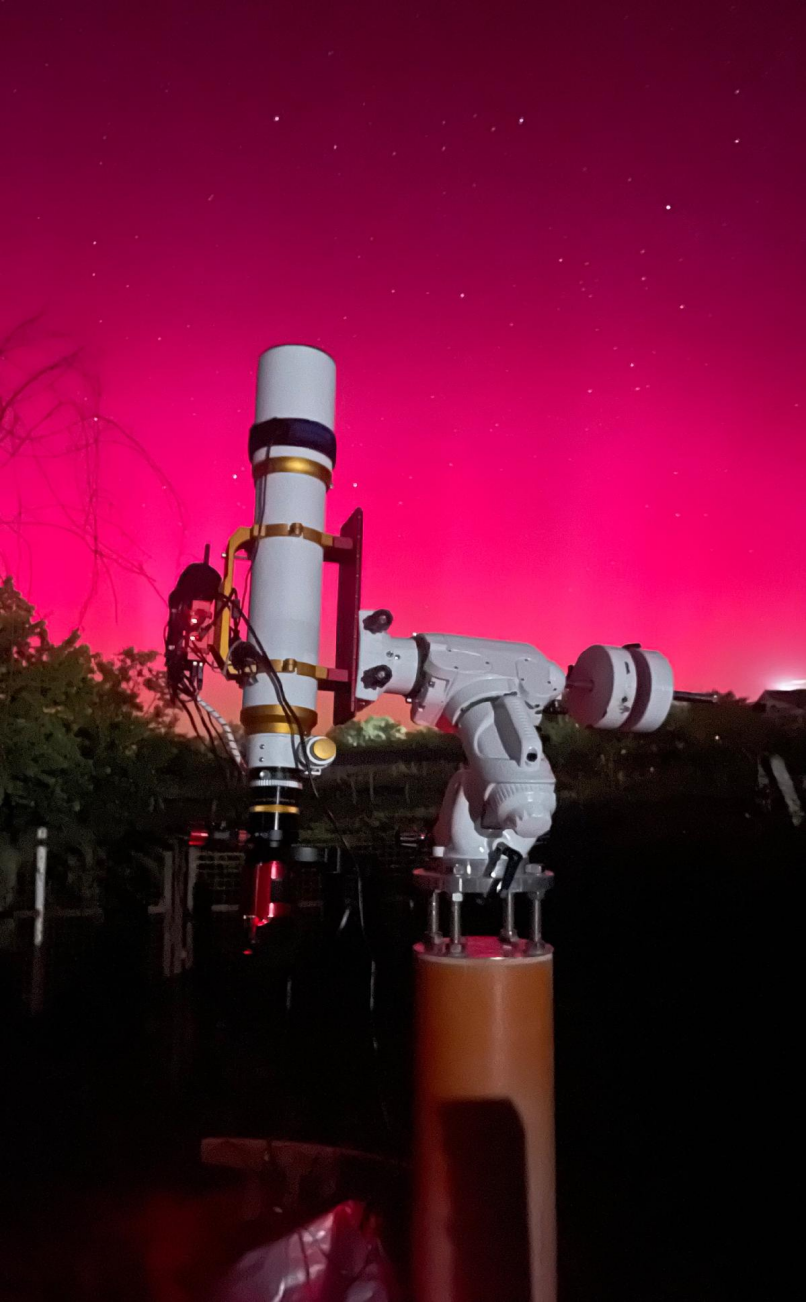
The aurora borealis, observed by me for the first time in the Republic of Moldova
4.The Challenge
The greatest challenge for me was the designing and building the observatory. From the very beginning, it was planned to be fully autonomous and capable of remote operation. Two aspects proved to be particularly difficult: the motorized, retractable roof and the upgrading of the telescope for remote use.
For the roof, I opted for a system featuring specialized rails and bearings, ensuring it remains securely fixed even during unstable weather. A weather station from LunaticoAstro handles safety; should the weather become unstable, the roof closes automatically to protect all the equipment.
Regarding the telescope, the most difficult part was finding a way to measure and correct the tilt remotely. Fortunately, just at that time, the company Wanderer Astro introduced a solution that matched exactly what I was looking for: the Wanderer Astro ETA tilt adjuster.
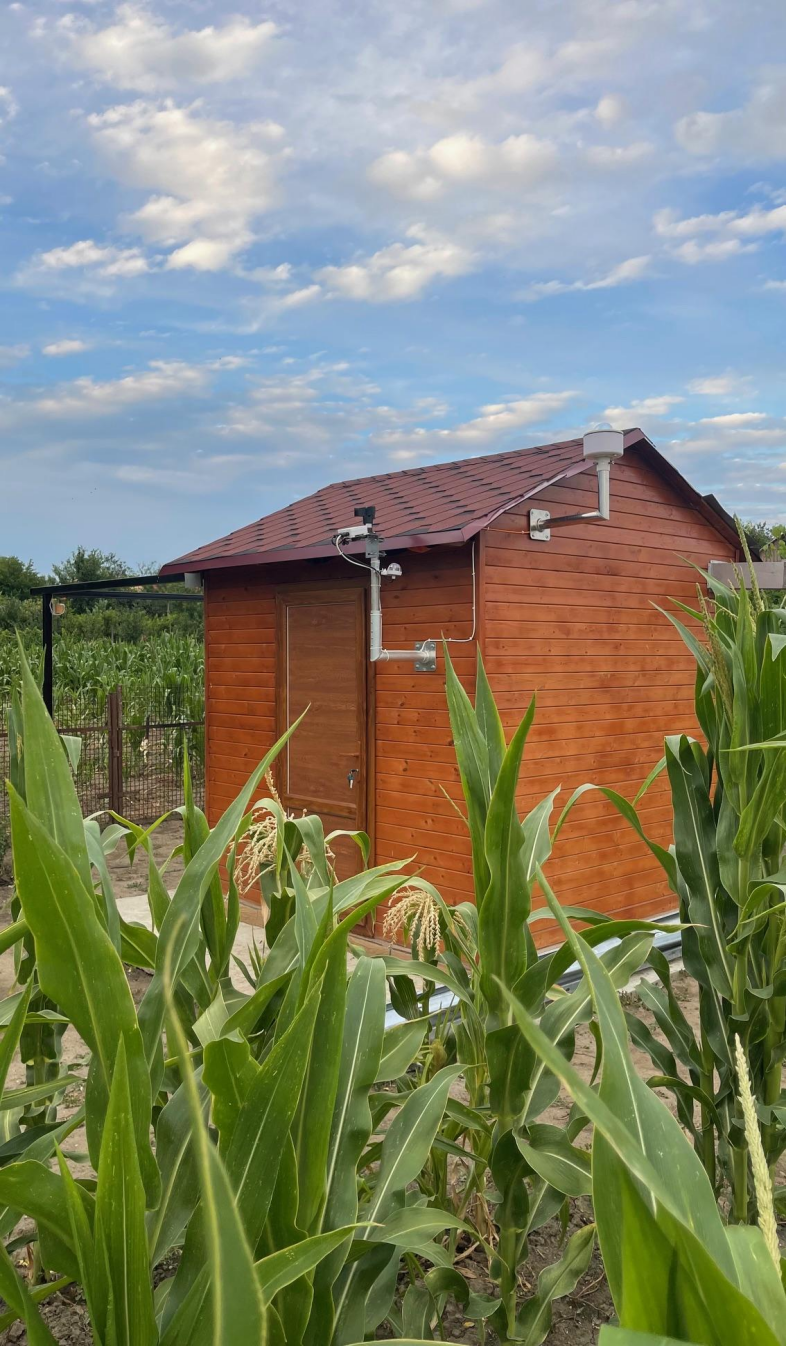
The observatory located in my parents’ garden
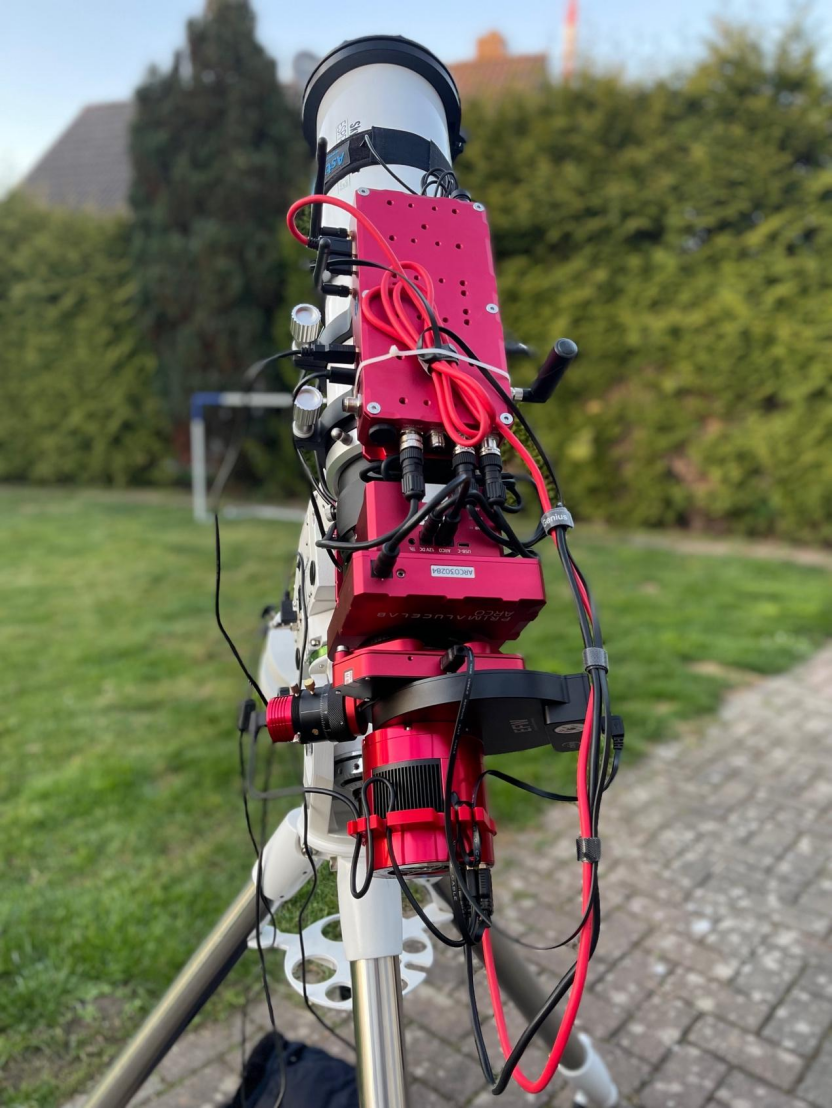
Here you can clearly see how the ETA M54 Tilter adjuster from Wanderer Astro is integrated into the system.
5.The Processing
I process my images using PixInsight and Photoshop.
To summarize, here are the steps I follow:
Blink (subframe selection);
Calibration and stacking using WBPP;
Dynamic Crop, channel combination, and MultiscaleGradientCorrection;
Color calibration using SPCC;
BlurXTerminator, NoiseXTerminator, and StarXTerminator;
Image stretching using GHS;
RGB stars;
Luminance + RGB channels;
Adding narrowband data (Ha, SII, OIII) I perform this step in Photoshop;
Finishing touches.
Naturally, I faced some difficulties when I first started image processing, due to a lack of experience. After several years of using software like PixInsight and Photoshop, I have developed my own system of workflows and rules, which helps me continuously improve my results. I am very demanding of myself and never hesitate to experiment with new processing techniques. Discipline and perseverance have been key to my growth.
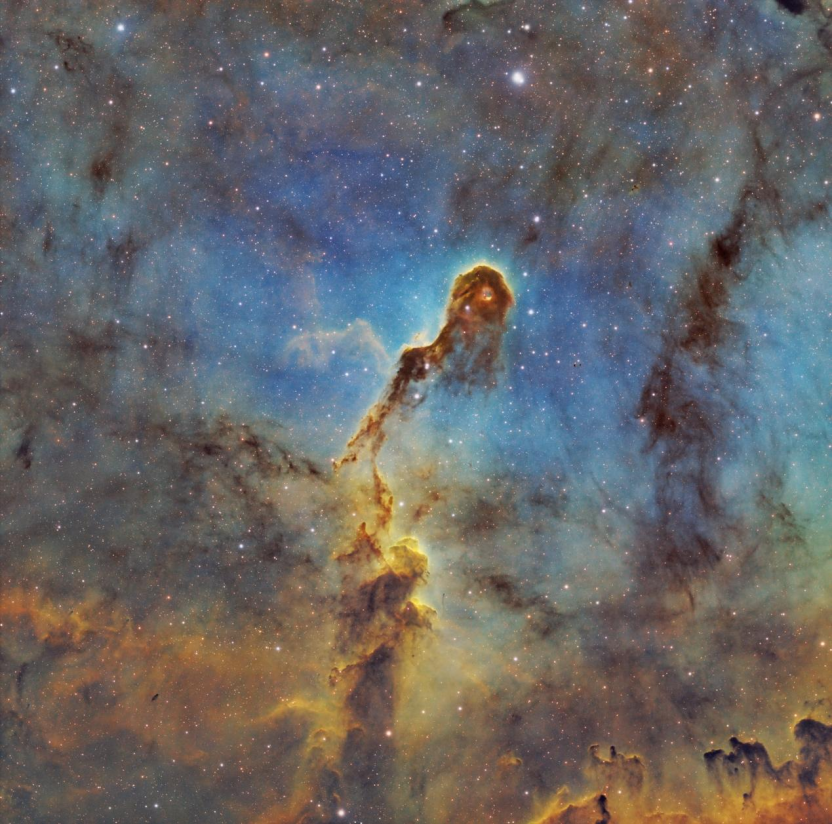
Elephant’s Trunk Nebula: IC1396; William Optics ZenithStar 103 paired with ZWO ASI533MM pro; 22 hours integration
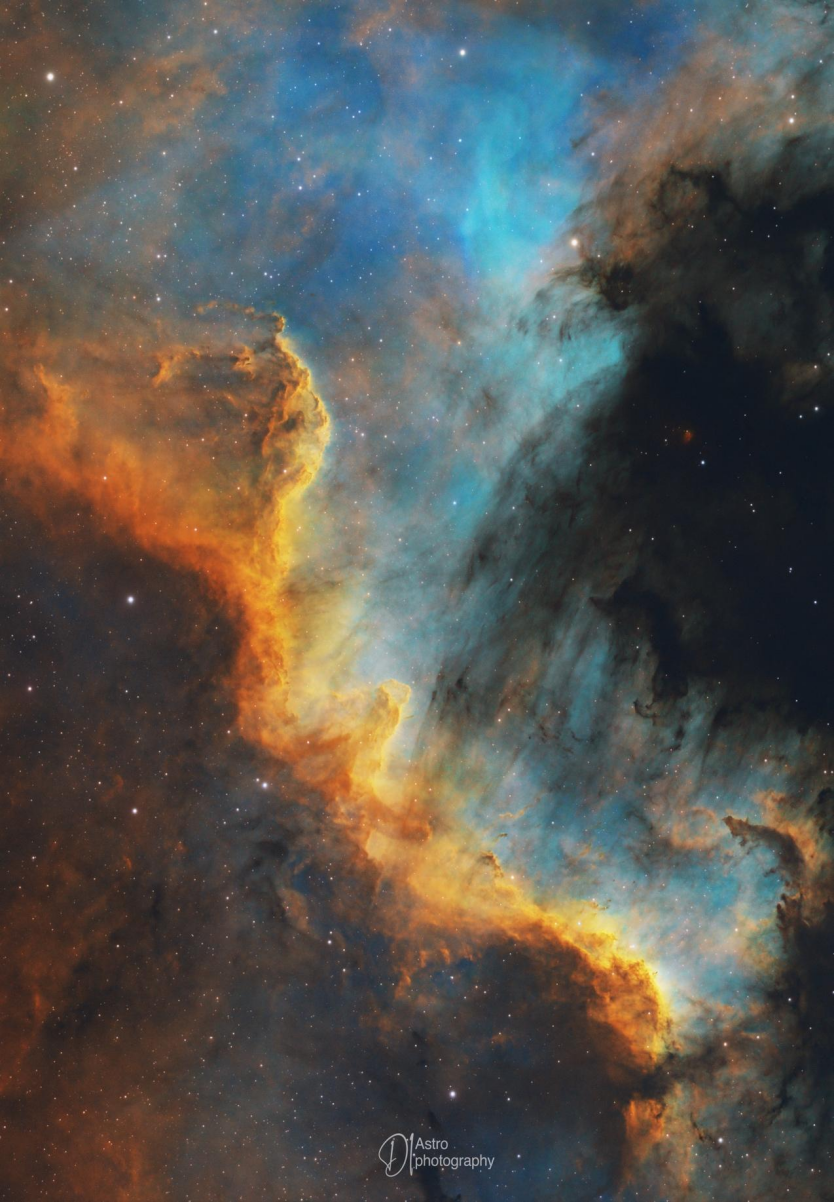
Cygnus Wall: NGC7000; William Optics ZenithStar 103/ZWO ASI533MM Pro; 24 hours integration
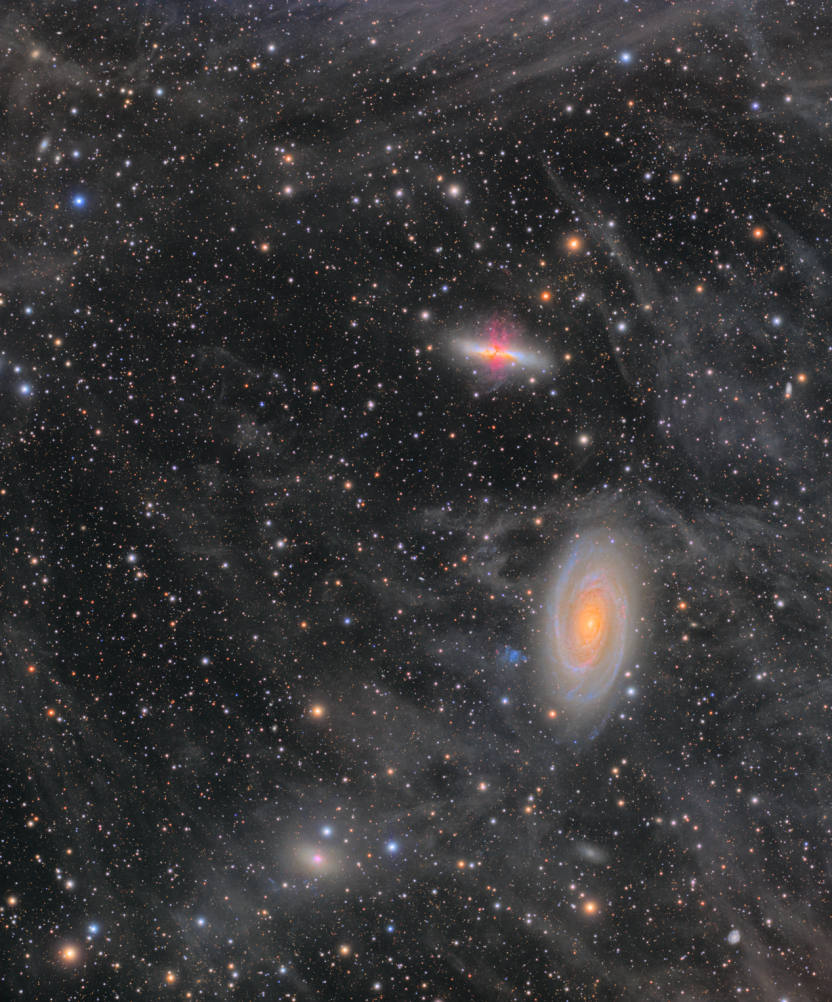
M81&M82: SkyWatcher Esprit 100/Takahashi FSQ85 paired with ZWO ASI 2600MM Pro; 165 hours integration
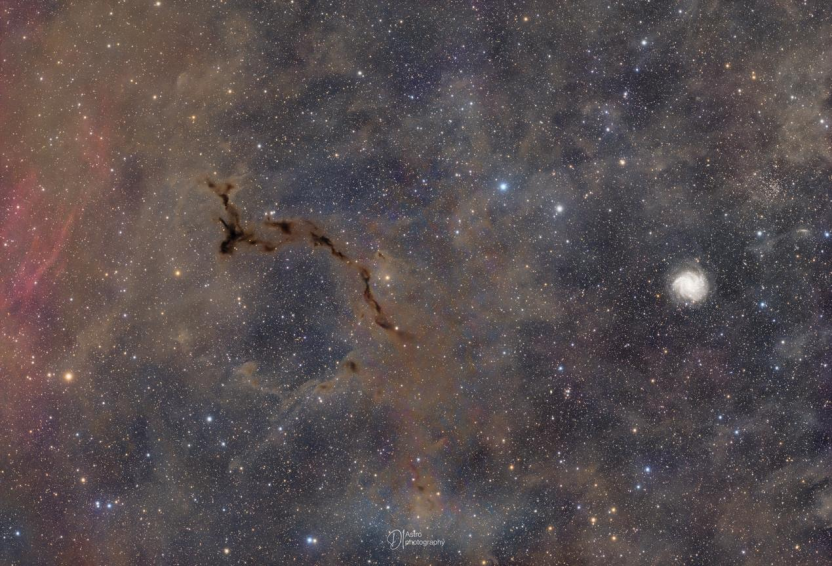
Barnard 150 and Fireworks Galaxy; William Optics RedCat 51 II/ ZWO ASI 294MC Pro, 16 hours integration; Bortle scale 2
6.The Achievement
The fact that you selected this image as the “Image of the Week” is, without a doubt, a significant achievement for me. From the very beginning, this project was intended to reach over 100 hours of total exposure time, a first for me and I am very proud to have succeeded. Once I finished editing the image, I felt that all the effort invested had truly paid off. And then came the “icing on the cake”: your decision to name it “Image of the Week.” I have received a great deal of positive feedback, and it is wonderful.
For me, the Rosette Nebula is a subject I would choose to photograph every single time I had the chance. Its fascinating colors give it a truly fabulous appearance.
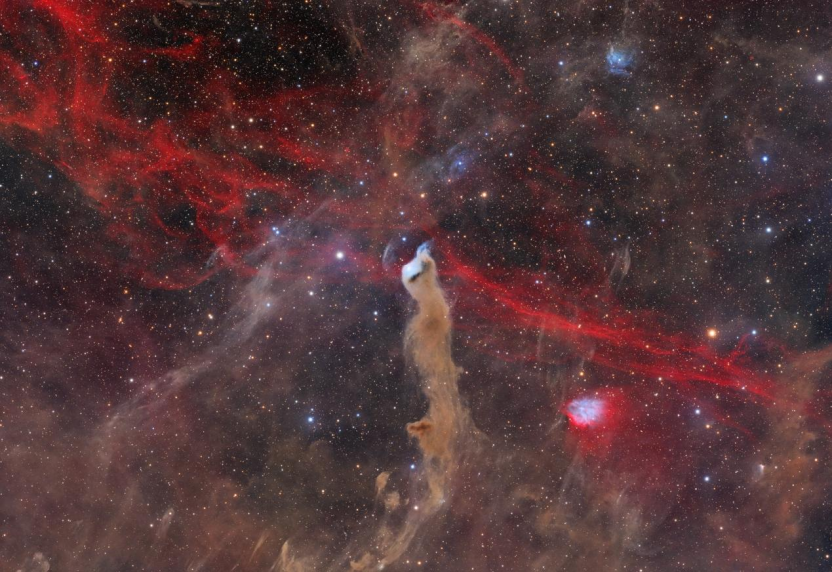
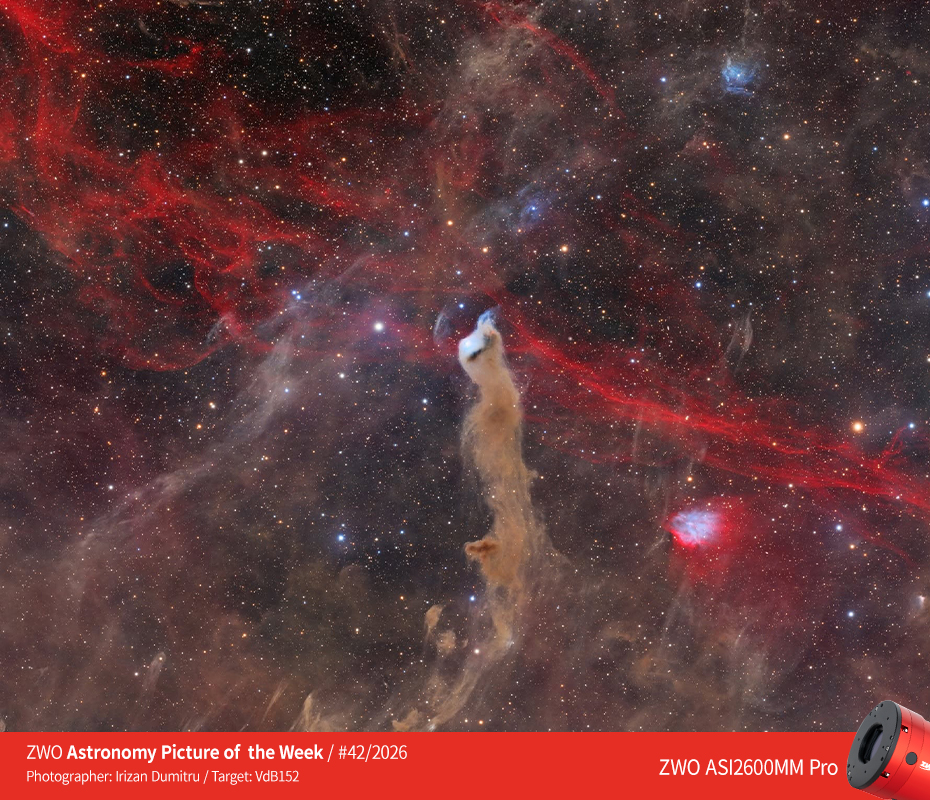
vdB152; Sy Watcher 100 Esprit/ ZWO ASI2600MM Pro; 108 hours integration
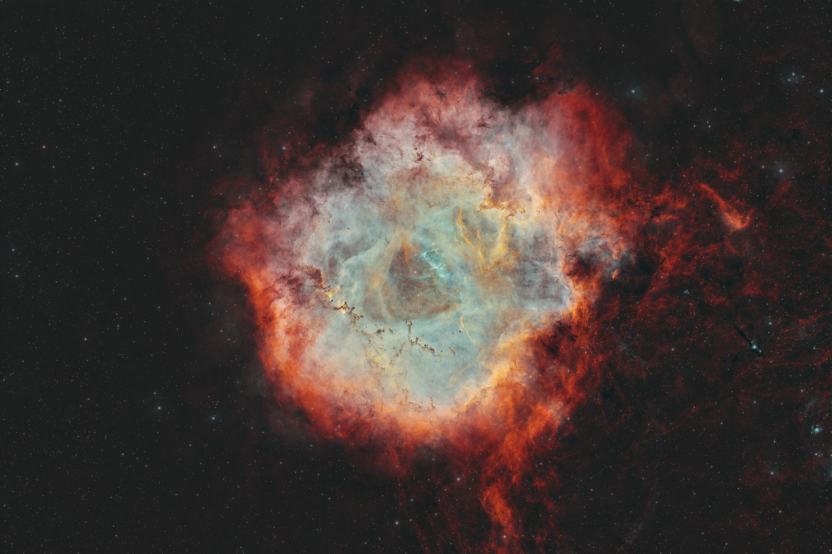
Rosette Nebula; Sky Watcher Esprit 100/ ZWO ASI2600MM Pro; 21 hours integration
7.The Vision — Looking Ahead
What are your goals or dream projects for the coming year?
Is there a target, a trip, or a new piece of gear you’re excited to try next?
How do you see your astrophotography evolving in the future?
My next goal is to install a telescope in a location with an amazing night sky—Namibia. Not long ago, I acquired a real gem of a telescope, an ASA 12N which I had long dreamed of owning. This specific telescope will be installed in Namibia and paired with a full-frame camera. I hope that, in this way, I will achieve even better results.
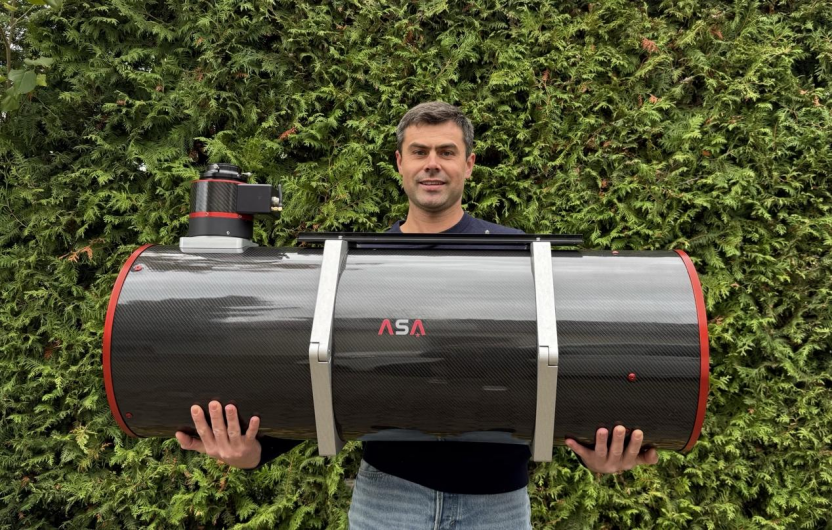
My new acquisition: an ASA 12N
8.The Connection — ZWO in Your Journey
I first learned about the company ZWO in 2019, if I recall correctly. I was watching some YouTube videos in search of useful information to help me excel in my hobby, and I discovered that the content creators were using ZWO products. I chose ZWO products for the simple reason that they offered an excellent price-to-quality ratio compared to other options.
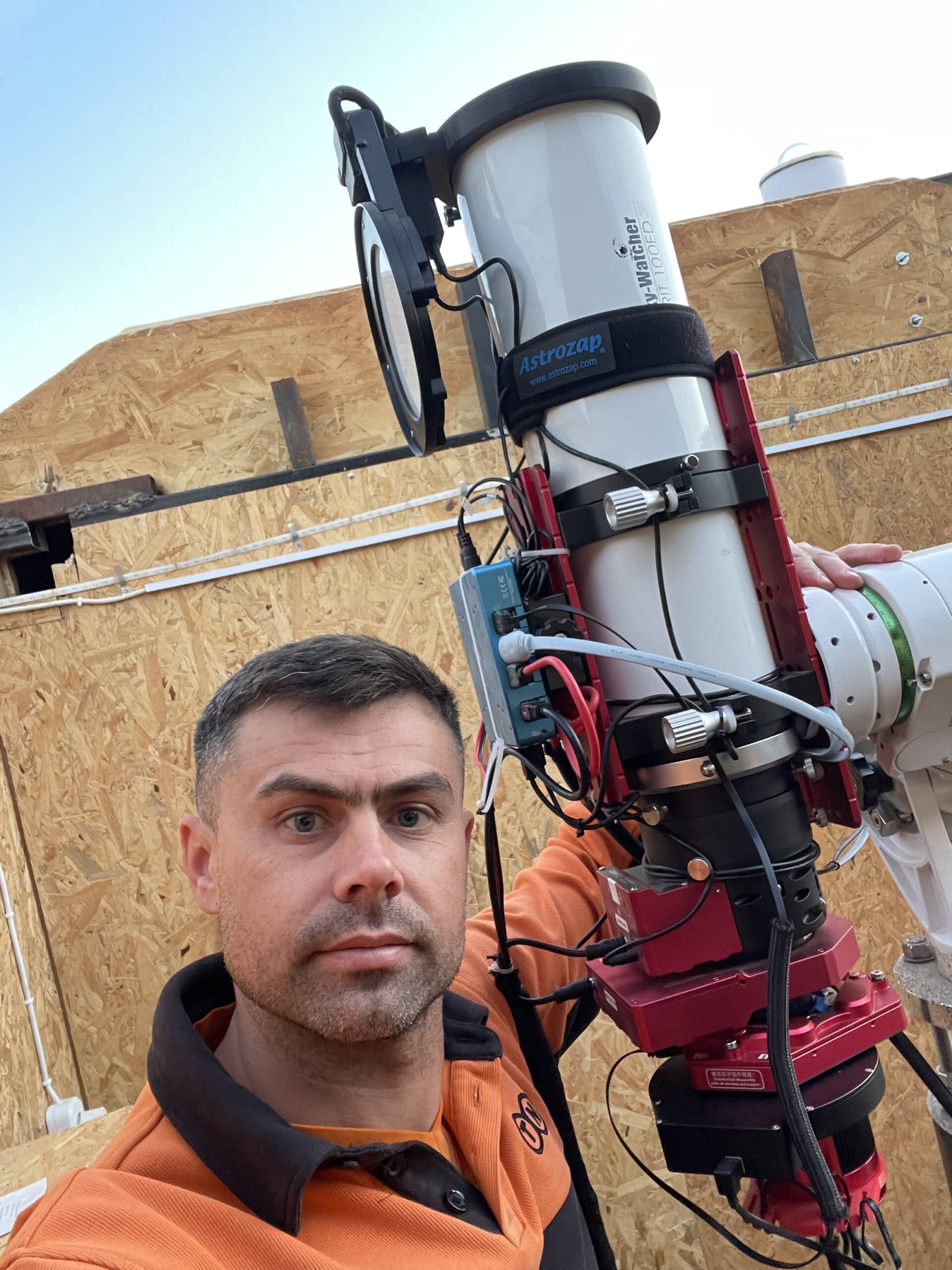
Currently, my setup includes several ZWO products: the ZWO 2600MM Pro camera, the ZWO EFW 36 filter wheel, a ZWO off-axis guider, and a ZWO 174MM Mini guide camera.
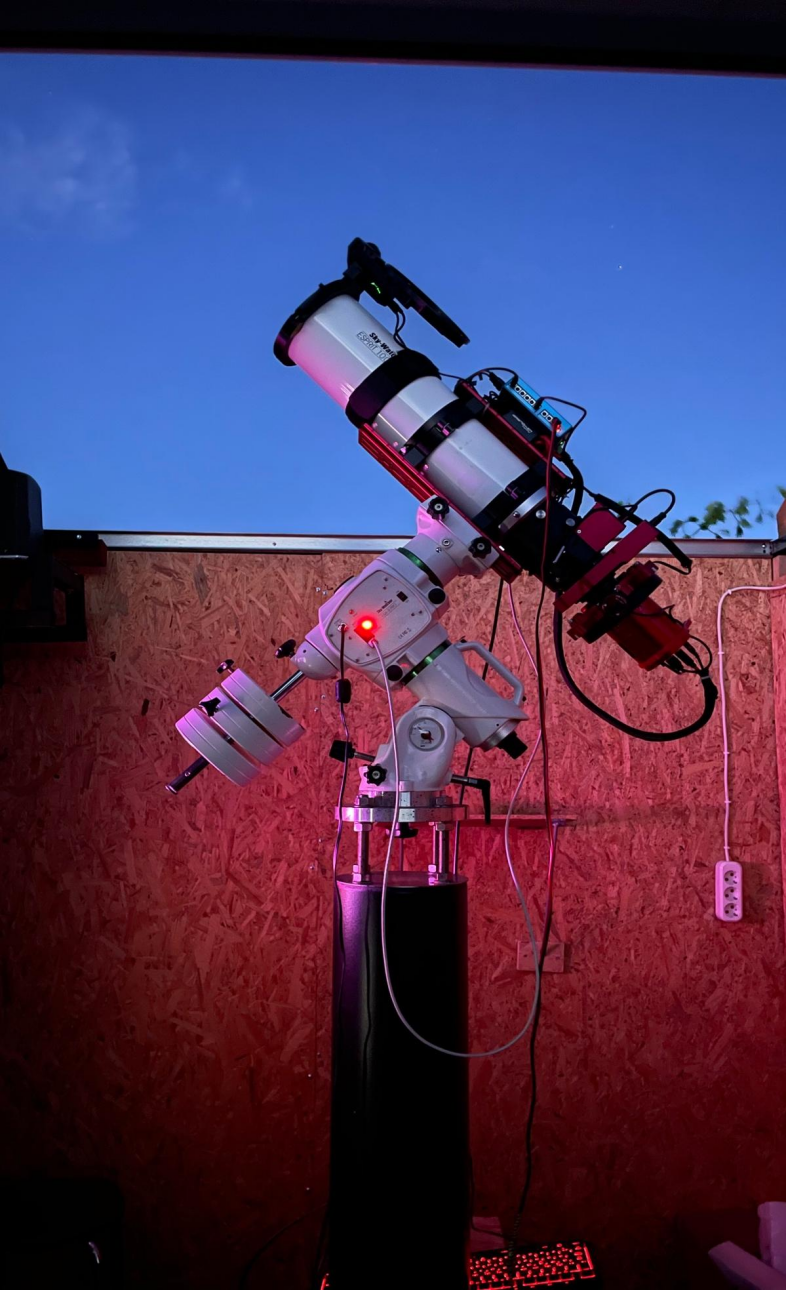
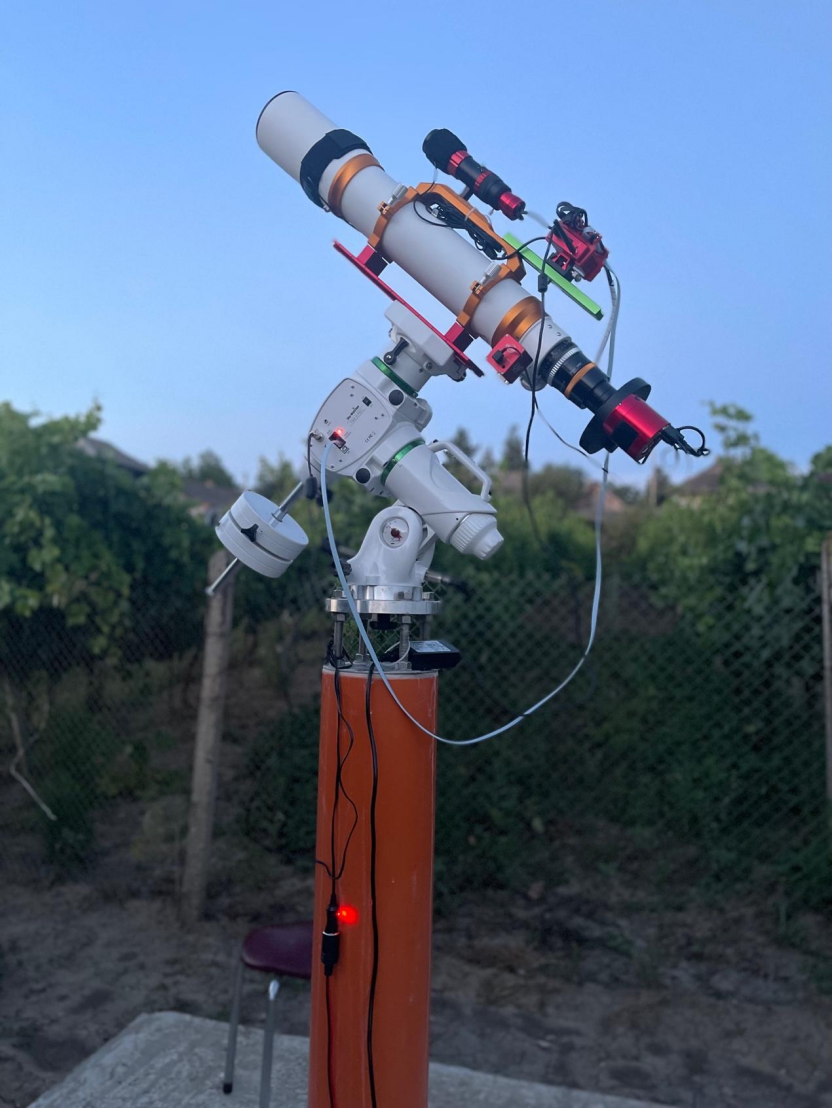
The setup in the observatory that I am currently using
Over time, I have used various ZWO products and have never encountered any technical issues; the quality has consistently met my expectations. The camera is perfectly compatible with the telescope I keep at my observatory site.
Looking ahead, I would like to see the development of products or solutions focused on remote control. A real challenge would be to integrate an off-axis guider—attached to a filter wheel—along with a field rotator, all within the 55 mm backfocus limit.