
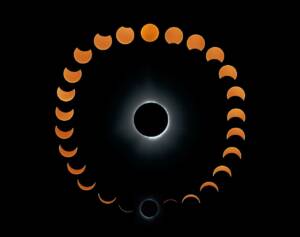
One Total Solar Eclipse Changed Everything
My name is Eric Wright and I’m a 39 year old Astro photographer and cybersecurity technician in the Cleveland, Ohio area (United States). I am the current Secretary for the
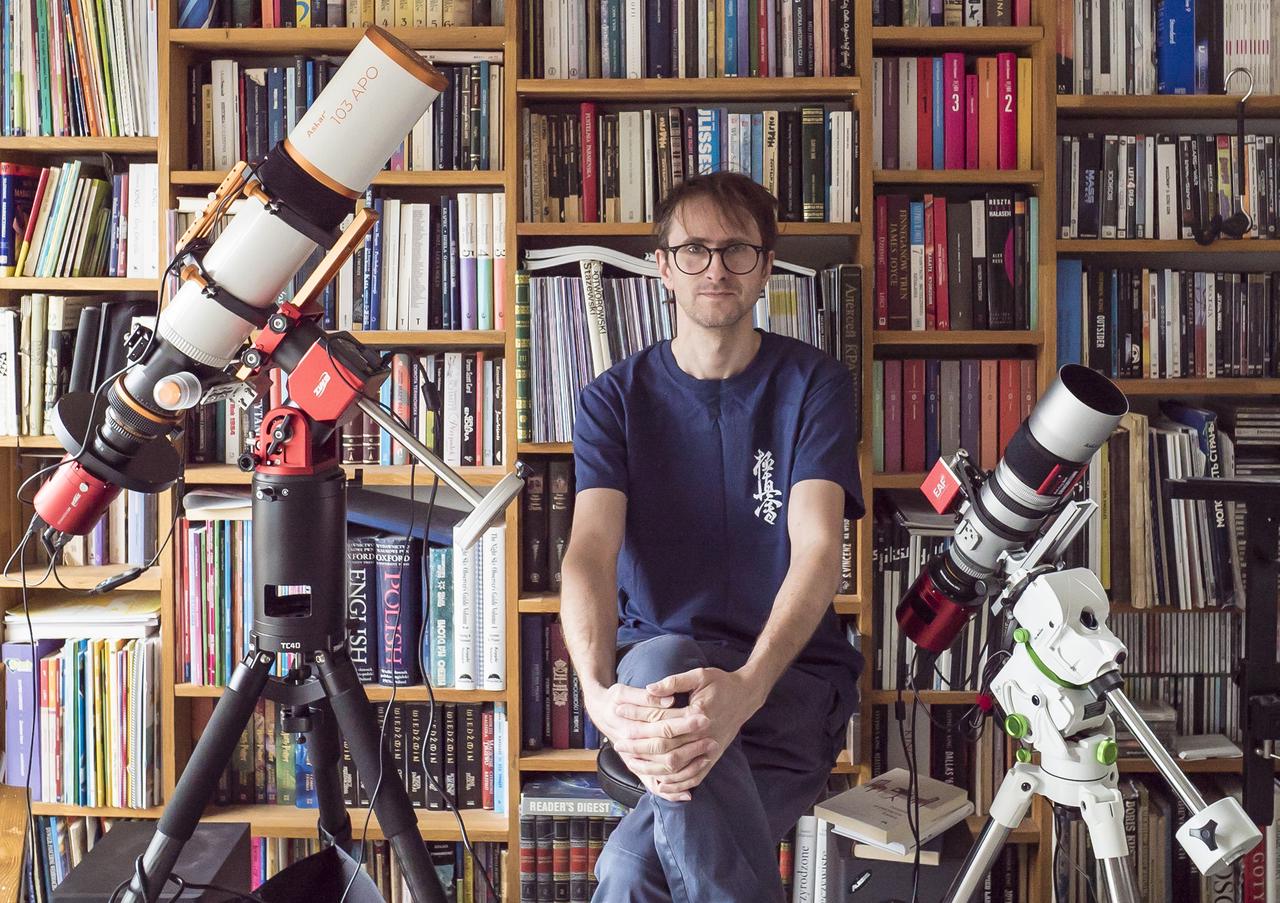
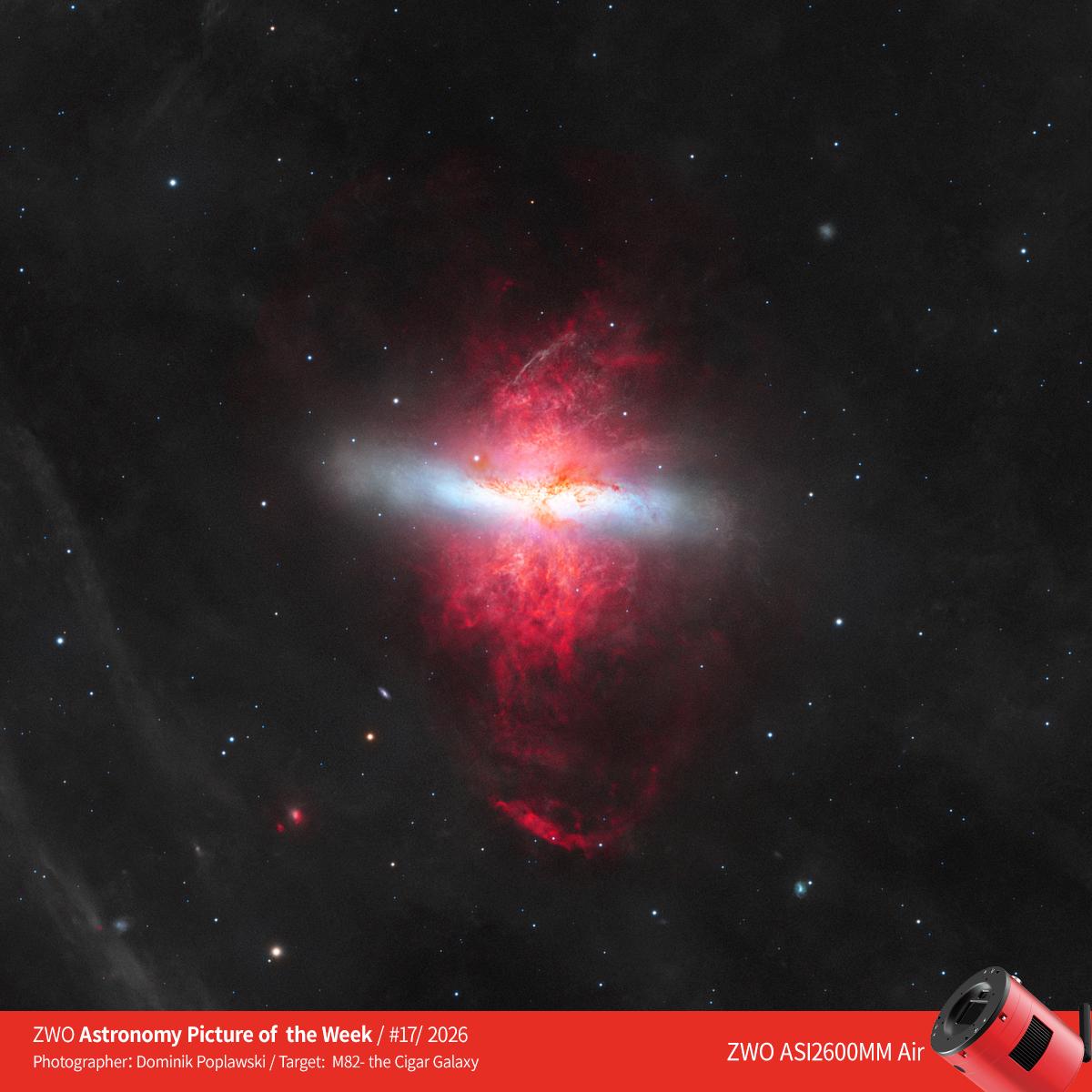
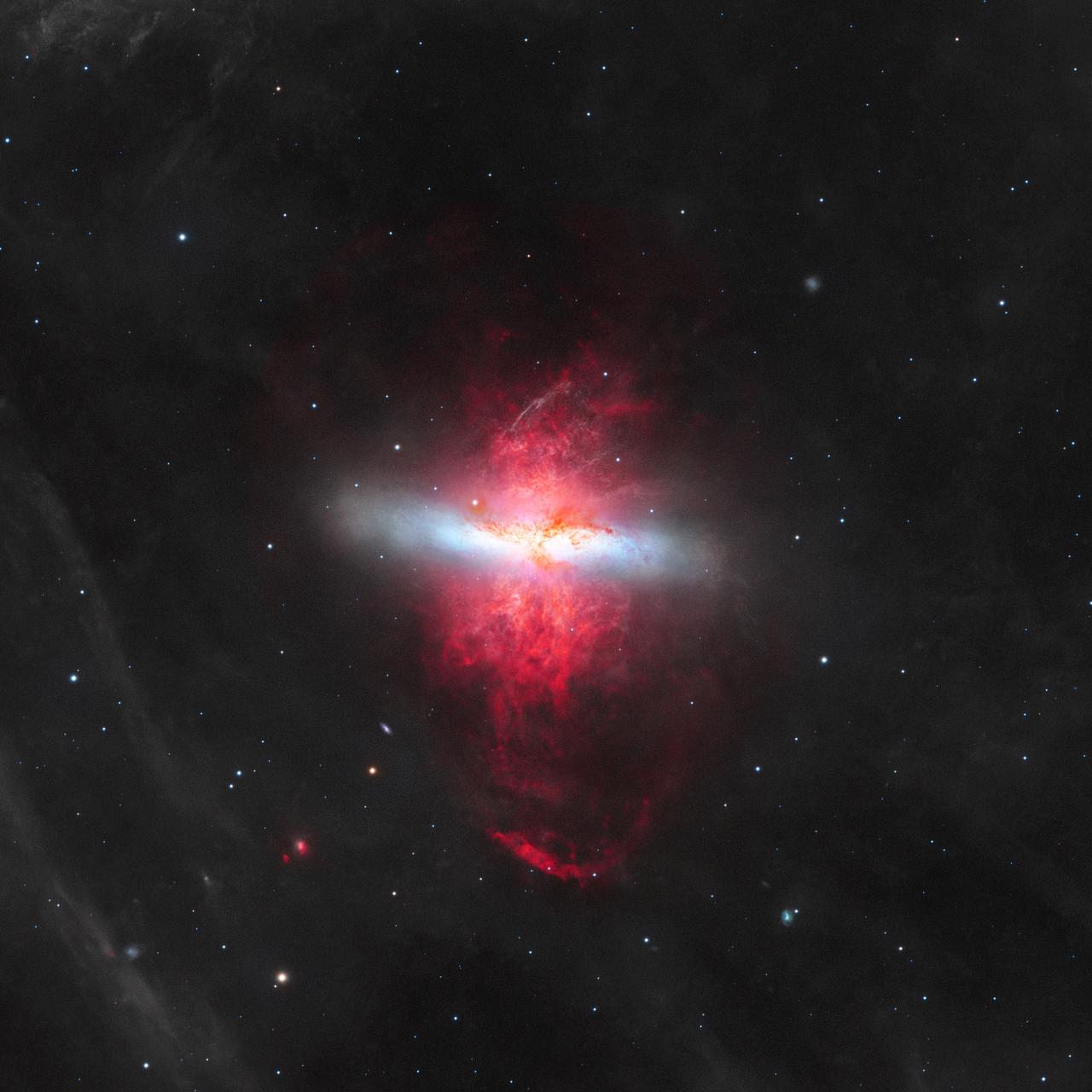
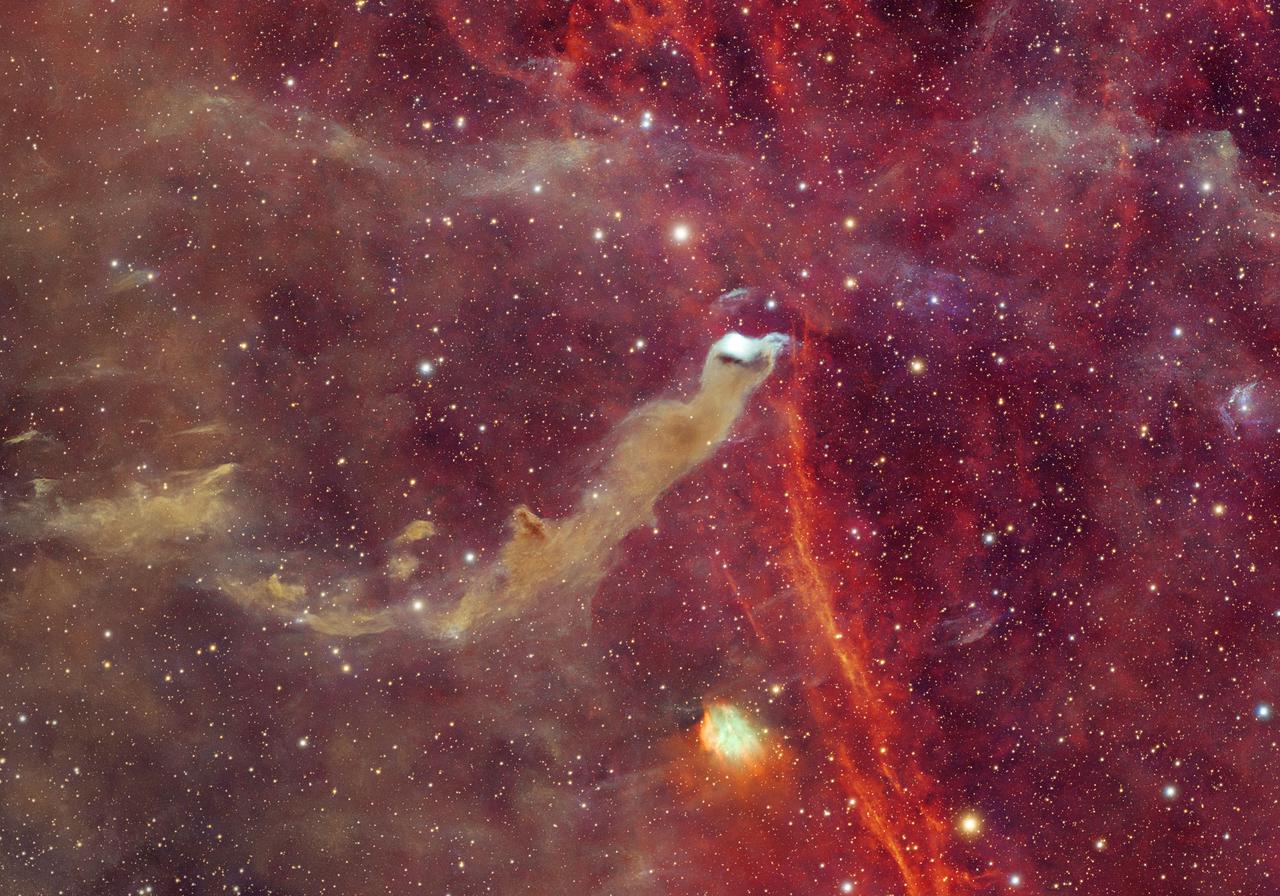
Hello. My name is Dominik Popławski. I live in Poland. I’m a painter and computer graphic designer. Astronomy has been my passion since childhood. I’m honored that my photos of the Spaghetti Nebula and M82 Cigar Galaxy has been included in the prestigious ASIWEEK selection. Thank You ZWO for this distinction and the opportunity to present myself to all astrophotography enthusiasts.
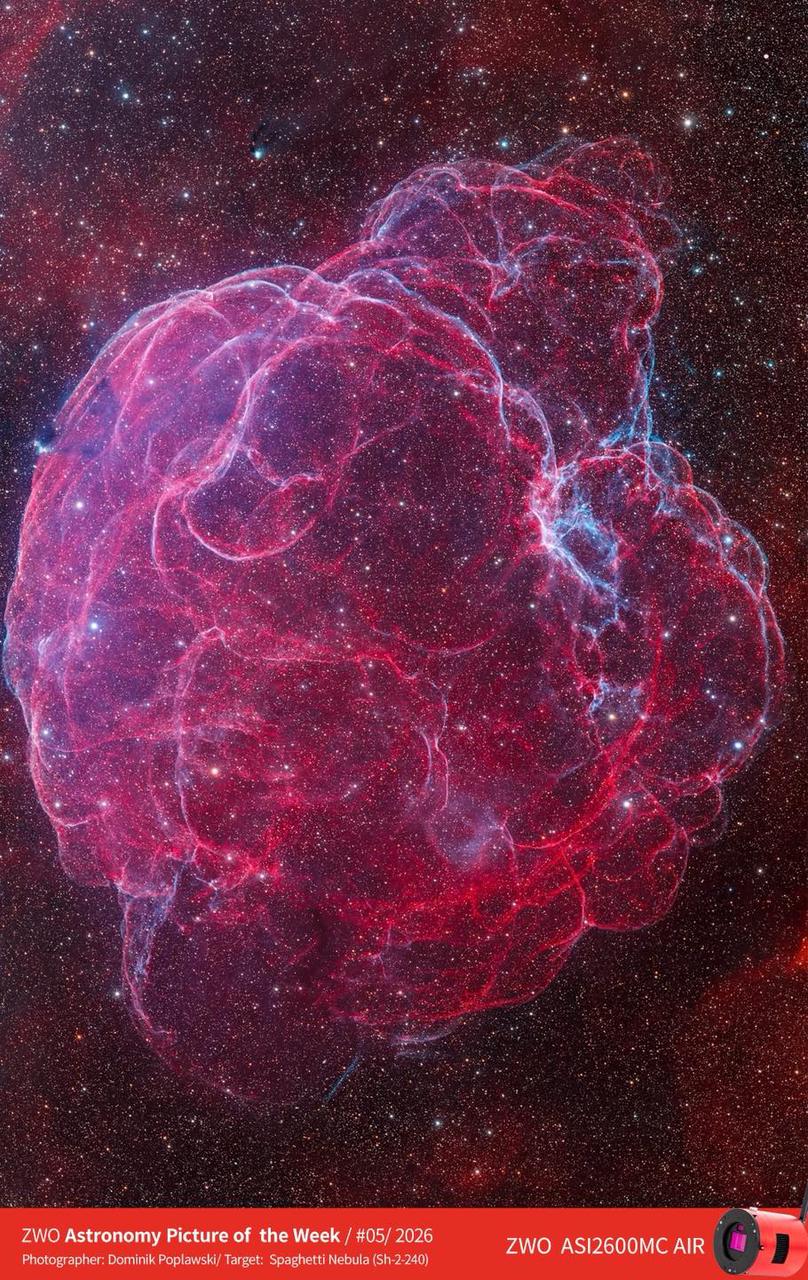
From a young age, I was surrounded by art and science. My parents and older brother were painters, my oldest brother an astrophysicist. In my family home, I was surrounded by paintings, but also by my brother Nikodem’s scientific accessories, and our first, very simple by today’s standards, small refractor. So I have had a fascination with astronomy for as long as I can remember.
Years later, as I entered adulthood, that childhood dream of reaching far into space revived. Trips from the city to the countryside and nighttime sky observations began. Once I settled permanently far from the city, I decided to try something more than just observing. Thus began my adventure with astrophotography.
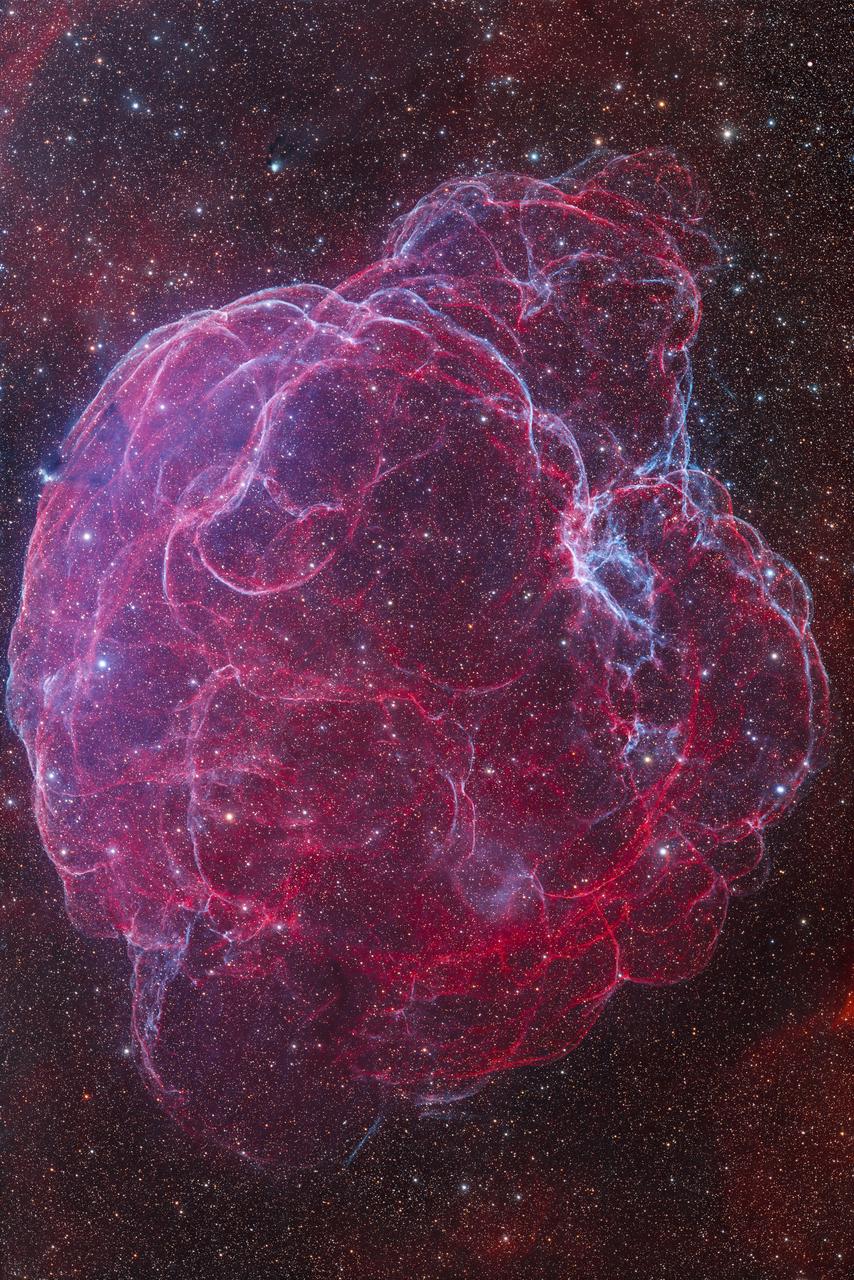
My first astrograph was the Seestar S50. To this day, I’ll never forget the impression when I first saw structures of nebulae and galaxies appearing on my phone. Structures I’d previously seen as faint specks of light in my telescope. Of course, I was aware of and often followed the work of fellow astrophotographers. I knew that photos could reveal rich and colorful structures that wouldn’t be visible through observation alone. However, being able to take my first image of myself is an unforgettable experience.
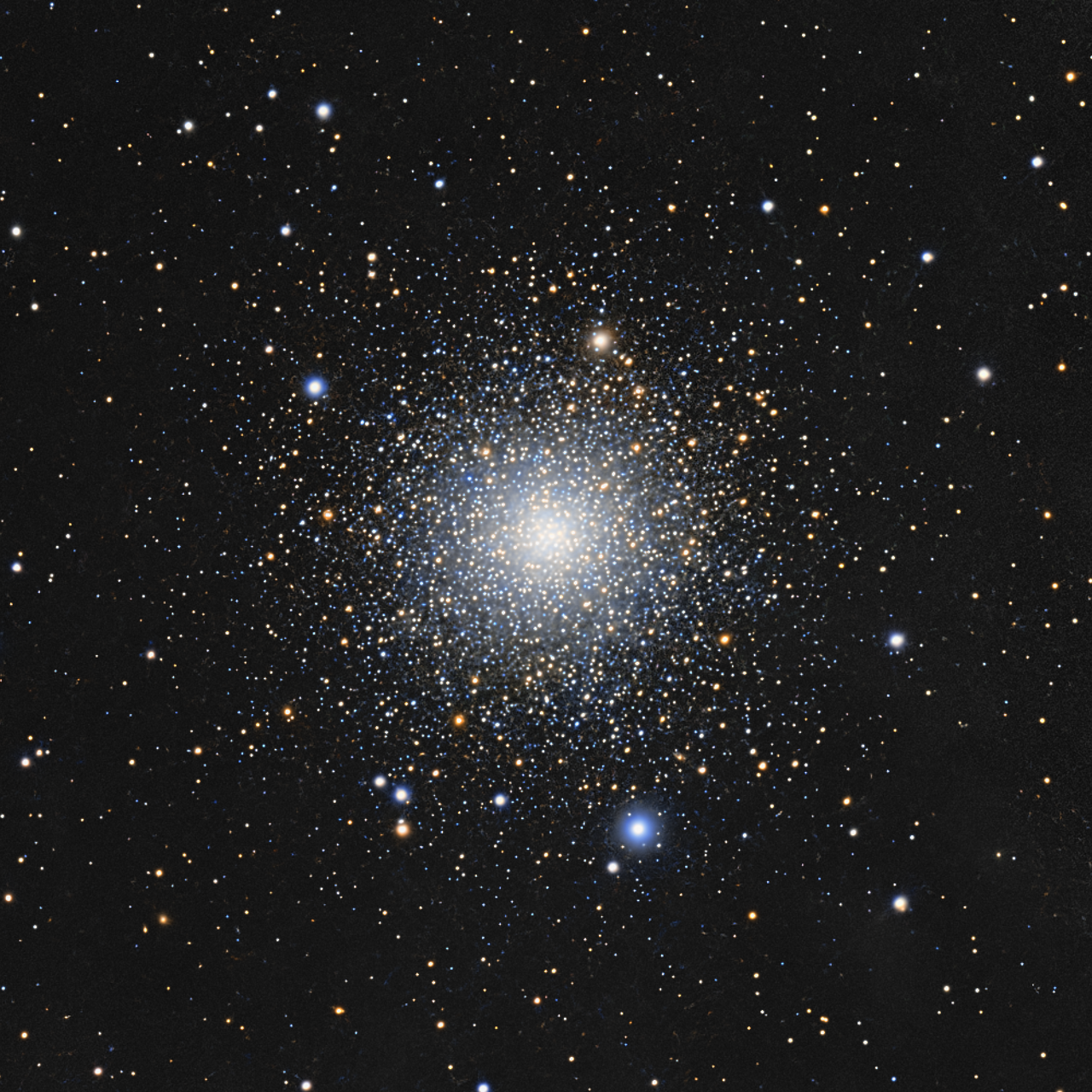
I currently have two astrophotography setups. For a wider field of view and a focal length of about 250mm, I have the Askar SQA55 with the Sky Watcher Star Adventurer Gti mount, and the Askar 103 APO with the AM3N mount for a narrower field of view and a focal length of about 550mm. I pair both telescopes with either the ASI2600MM AIR or the ASI2600MC AIR. It is worth noting that the transition from Seestar to these two pro sets supported by ASIAir was extremely simple and very pleasant, considering the similar phone app environment.
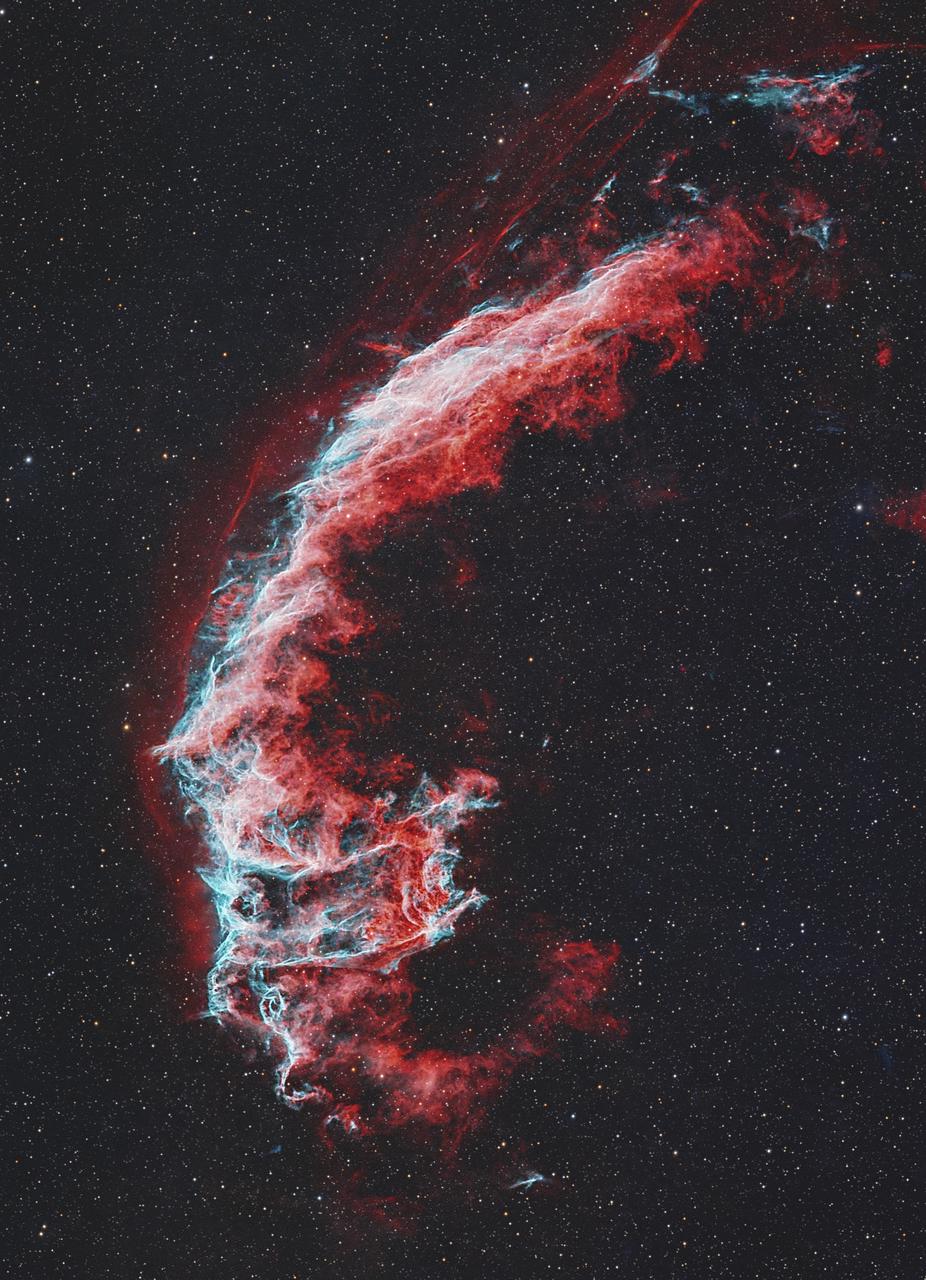
I currently live in the countryside, far from city lights. This gives me the great joy of communing with nature, but I also greatly benefit from the dark, rural night sky. During night sessions, I often forget about everything around me and simply observe the Milky Way.
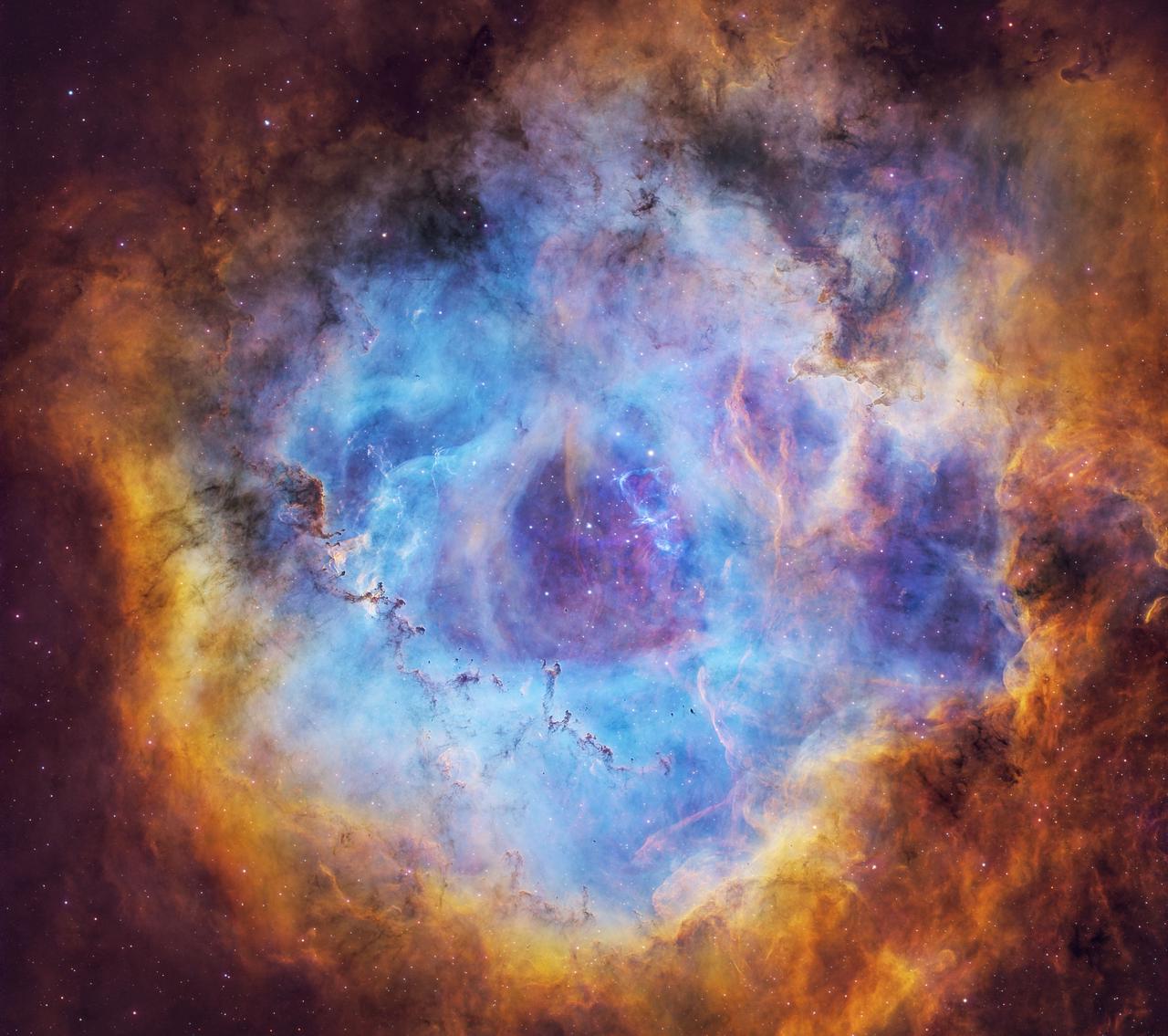
So far, my greatest joy has been the slow reveal of deep-sky objects in live view mode when I’m shooting with Seestar. These days, I wake up in the morning, download the entire night’s footage, and I’m pleasantly surprised when the combined footage reveals the rich structures of the sky objects I’m photographing.
I probably won’t be too revealing, but the biggest challenge is always the weather. 🙂 An astrophotographer’s life is constantly monitoring weather forecasts and moon phases. It’s a professional bias.
Besides that, I strive to ensure that all stages of astrophotography bring a great deal of satisfaction and fulfillment. So, for example, I don’t attempt to photograph objects that I know will be difficult to capture at my latitude because they are low above the horizon or due to the quality of the optics. Astrophotography should be fun, not frustrating. 🙂 An important lesson is that every telescope has its strengths and weaknesses. It’s up to us how we use them. The Seestar S50, with its default short 10-second exposure time, is ideal for revealing details of bright galaxies and globular star clusters. On the other hand, faint nebulae will be easier to capture with longer exposure times and a wider field of view of my 103 APO.
My approach to astrophotography processing hasn’t changed much over the past year. Ever since I started working with Seestar, I was convinced that I needed to choose the right postprocessing tools to fully utilize every photon that hit the sensor.
My primary tool is Pixinsight. I use it to review individual frames, stack, and prepare the image. Finally, I usually add the finishing touches in CemaraRAW or Photoshop. I learned and developed my skills by watching online videos from astrophotography gurus. Nothing more is needed. Of course, I modified some things to suit my needs.
I could list several such projects. Most often, they involve celestial objects I’ve known since childhood. The ones that captivated me when I browsed astrophotography albums 30 years ago.
As a child, I imagined expensive telescopes, enormous, several meters wide and a dozen meters high, that were used to take these photographs. Back then, I was convinced that astrophotography was a field inaccessible to ordinary people (and it was). Therefore, when I can create images of the night sky myself today, I always return to those familiar from my childhood. Not to compare, but to reflect on the progress of technology and it’s accessibility for people like me.
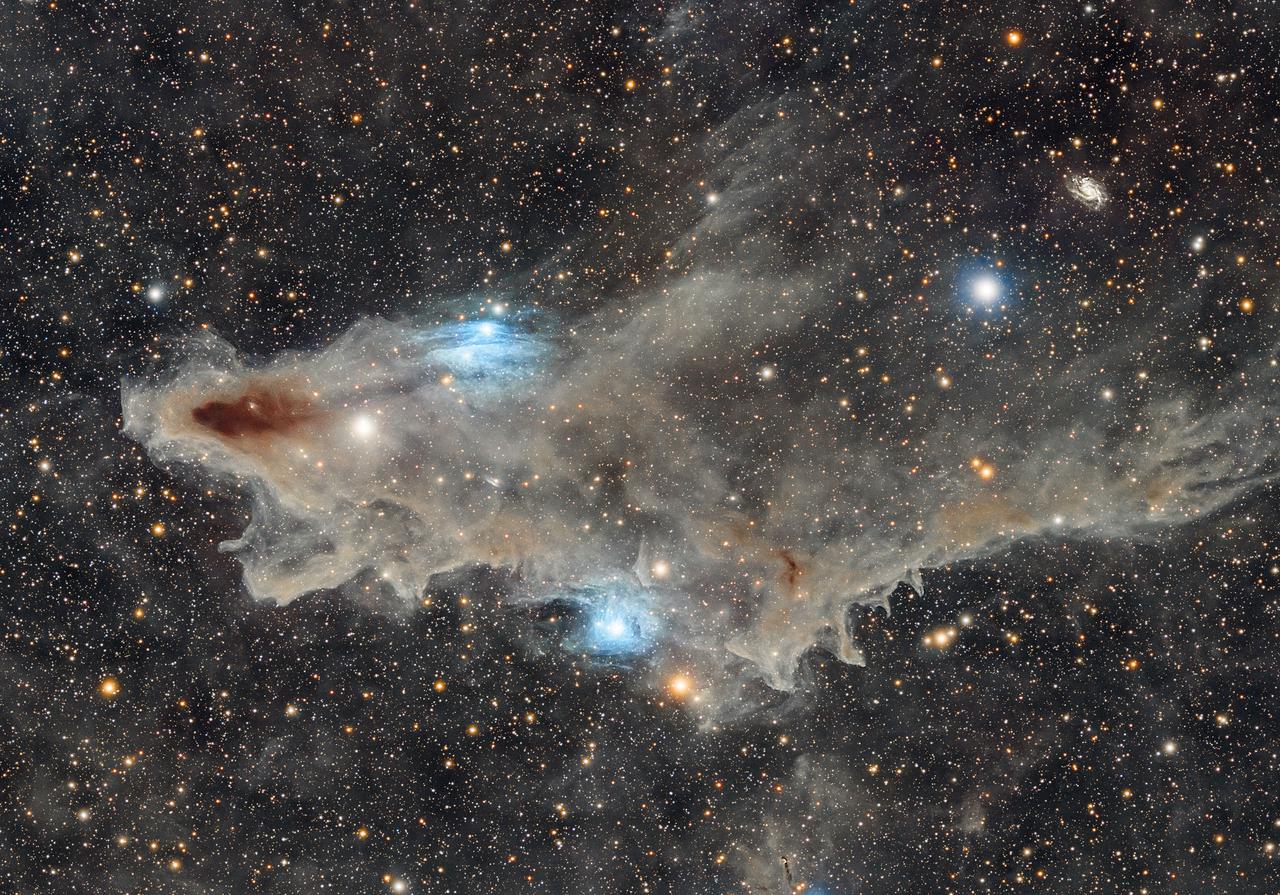
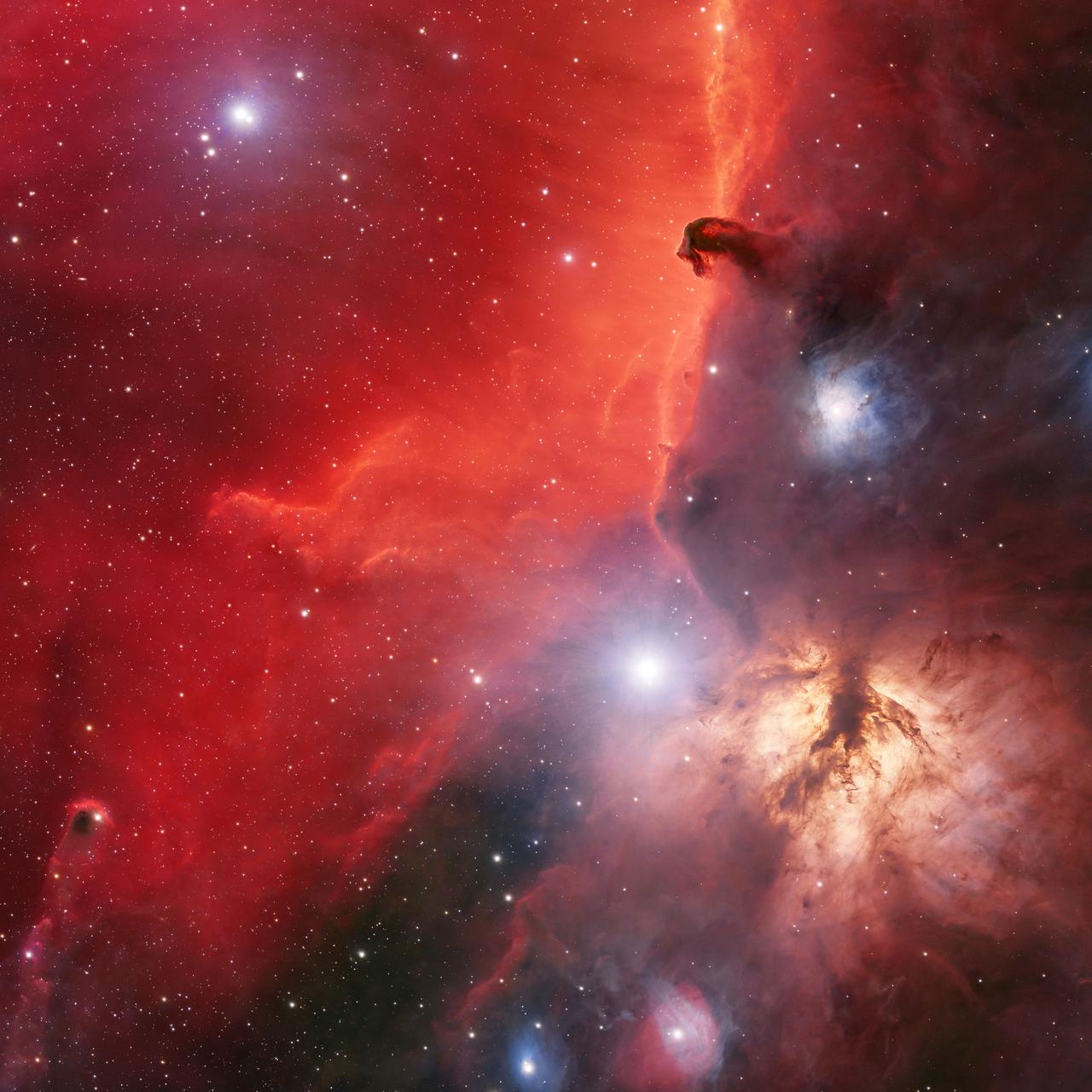
Getting back to the photos. One of them was in the aforementioned album: the Horsehead Nebula. For me it is “must do” nebula every single winter no matter what. 🙂
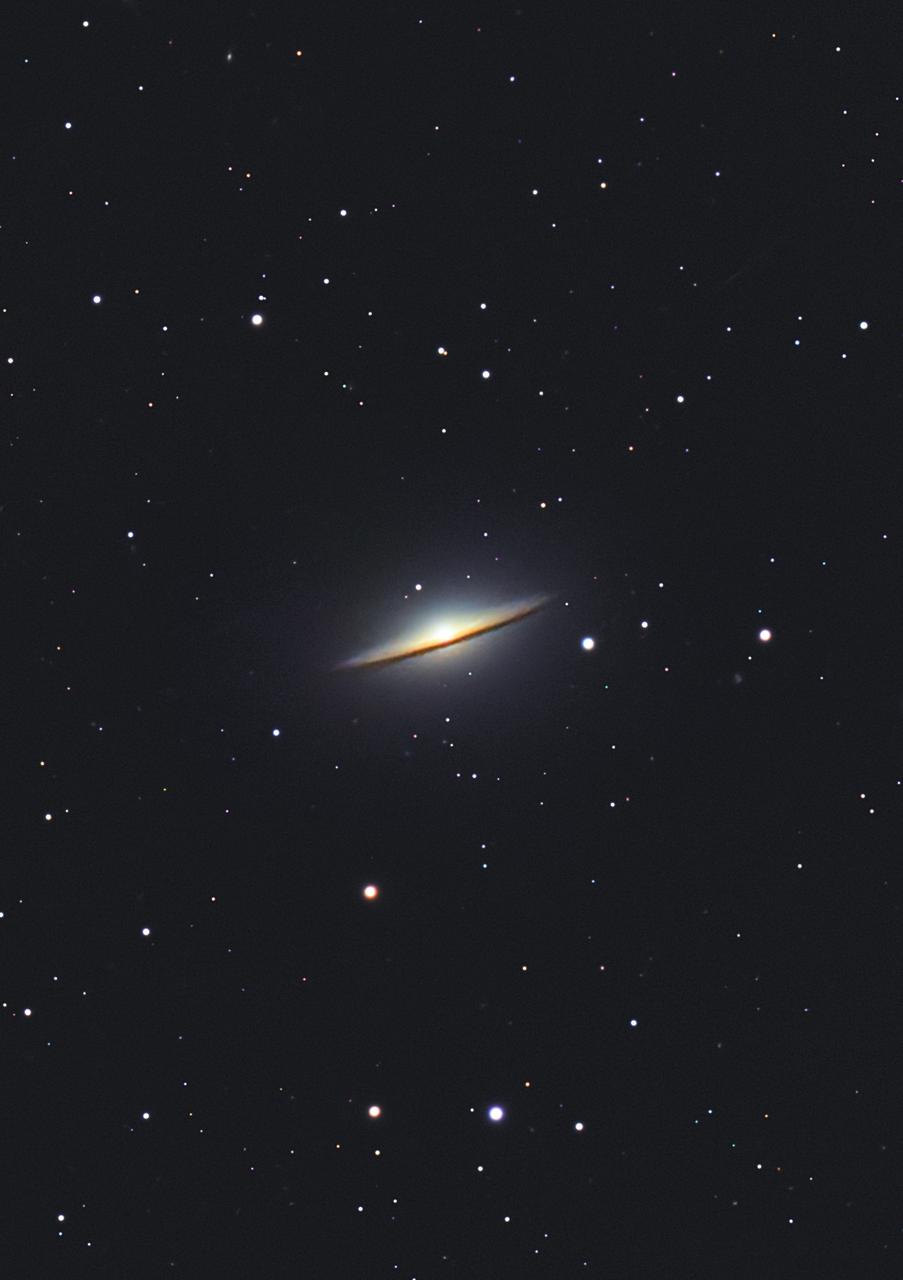
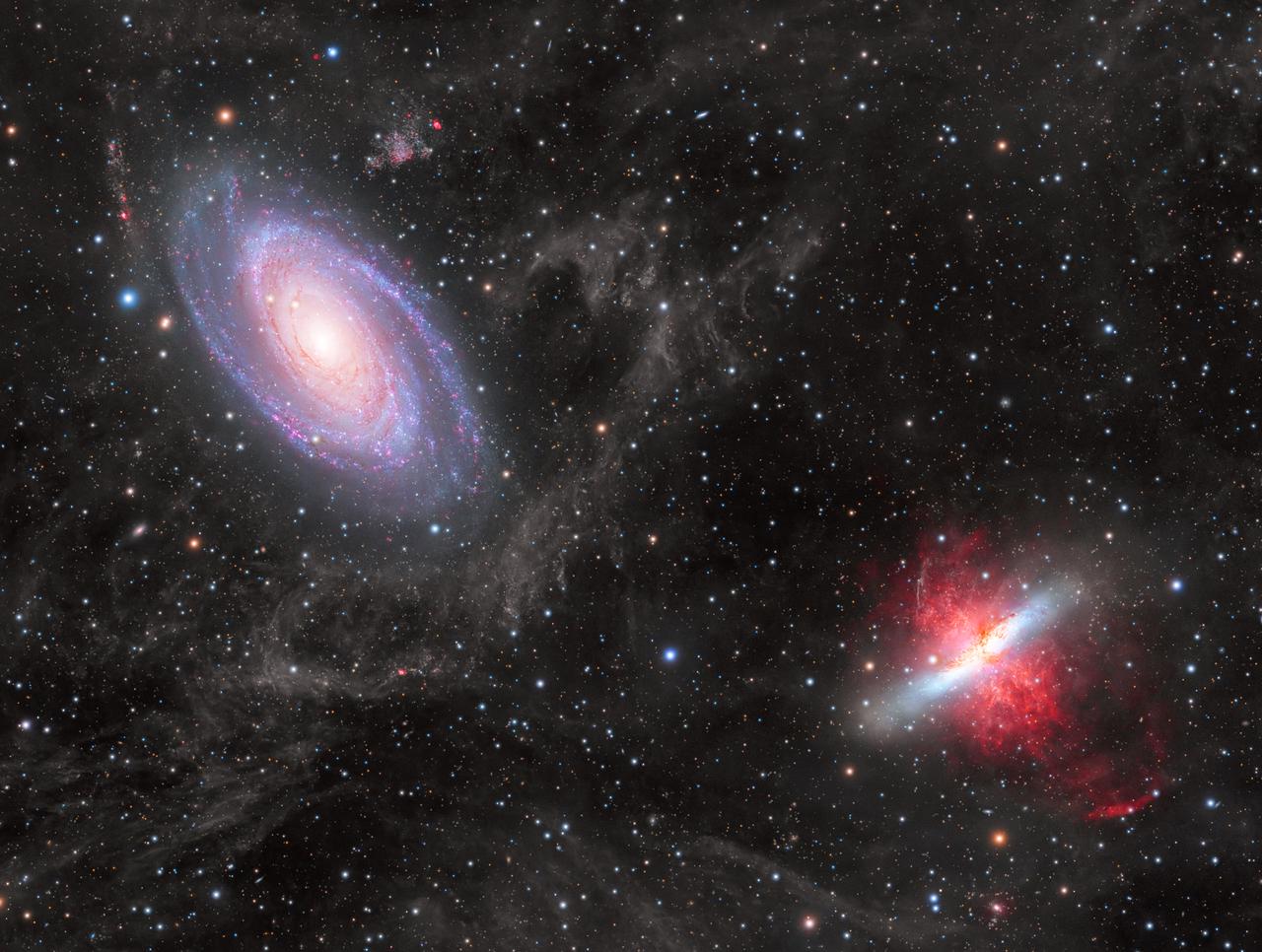
Another photo is of an object I’ve observed many times with a telescope, but which only astrophotography truly reveals. It’s the galaxy M82 and its larger companion, M81. My adventure with astrophotography, you could say, began with imaging these objects with a Seestar S50. I think I will return to these objects many times.
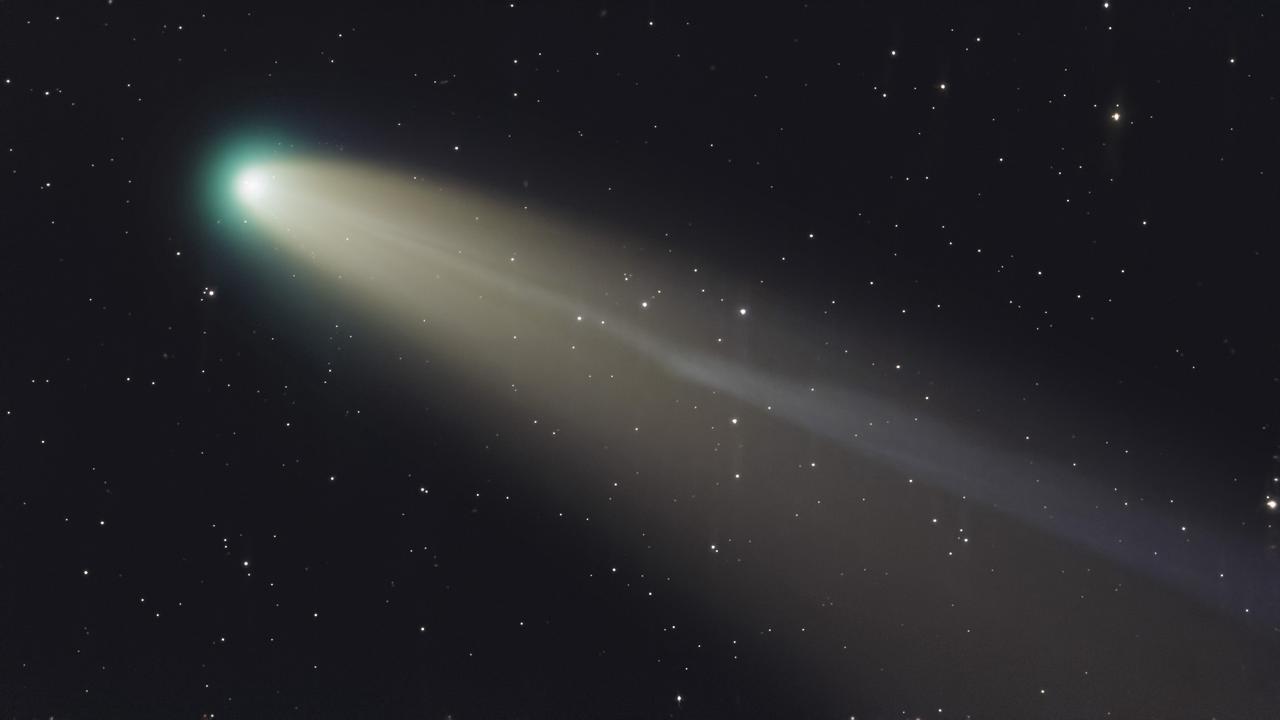
A trip to the Southern Hemisphere with a whole list of nebulae and galaxies to photograph would be a wonderful development for my astrophotography. I’d also love to see the constellation of Orion upside down. 🙂 It would also be great to discover a new comet, for example. Which, of course, would then have to be photographed. 🙂 In terms of equipment, I’d definitely like to get a setup with a narrow field and a long focal length for photographing planetary nebulae and smaller galaxies.
My current equipment includes: ASI2600MM Air and ASI2600MC Air cameras, AM3N mount, TC40 tripod, ZWO EFW 7, ZWO EAF and ZWO EAF Pro.
But the most important thing is what’s hidden on the first look: the ASIAir. I feel like it’s a revolution in my approach to astrophotography. Currently, I can’t imagine capturing photons any other way than with the ASIAir.
I also have to mention the Seestar S50 , which was my first astrograph. Thanks to it, I’ve developed and opened my eyes to a fully professional setup. I’m very curious to see how far the capabilities of a Seestar-type smart telescope can be expanded. I’d love to see a Seestar additional camera or optics dedicated solely to guiding as it is in the ASI2600 Duo cameras.
My name is Eric Wright and I’m a 39 year old Astro photographer and cybersecurity technician in the Cleveland, Ohio area (United States). I am the current Secretary for the
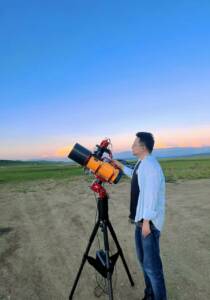
Some astrophotographers spend years searching for the perfect image. For Deqian Li, the journey began only in 2024—yet within a remarkably short time, several of his images have already been
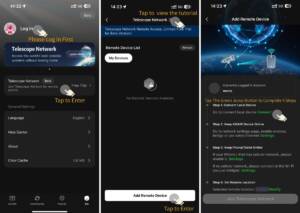
Part 1: What’s New in ASIAIR V3.0 New Features Optimized & Fixed Telescope Network is now live No matter where you are, as long as your device is online, you
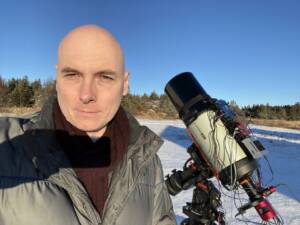
How It All Began Meet Benoit De Mulder(@ bigbenuniverse) , 52, and started visual astronomy at the age of 8. “For as long as I can remember, I’ve been fascinated
Preparations in Advance On April 8, 2024, my wife, two of my daughters, and I drove to Beaulac-Garthby, a small municipality in Quebec, Canada, a little under 900 km from