
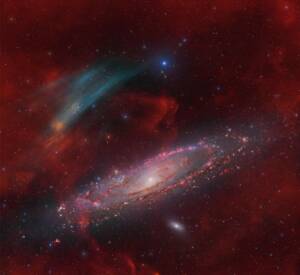
Discovery of the M31 [OIII] emission arc
Recently, a major discovery by an international team of amateur astronomers and scientists has become a huge online hit, and this new discovery is just located in one of the
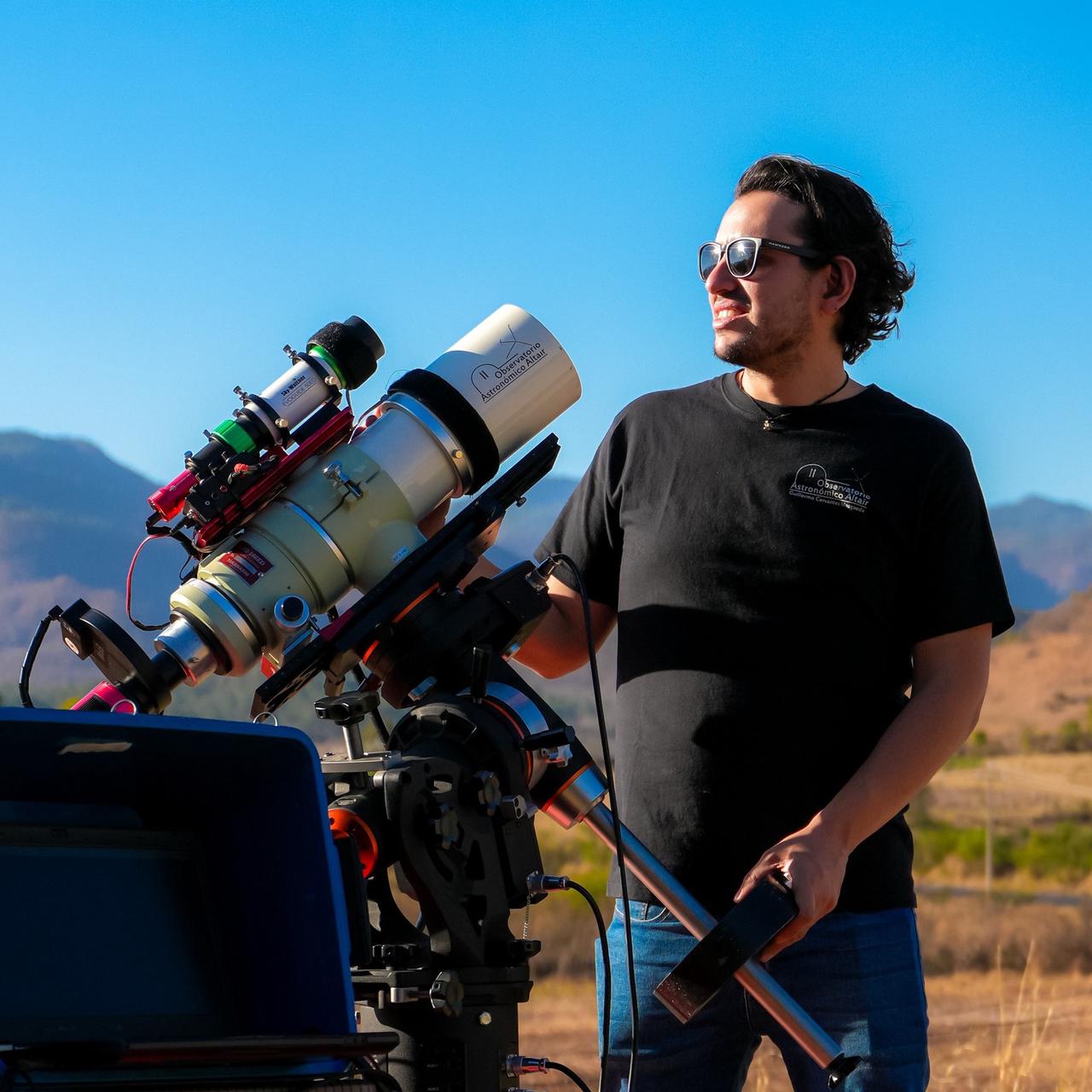
Guillermo Cervantes Mosqueda is an astrophotographer lives in Poncitlán, Jalisco, Mexico, whose fascination with the night sky began with astronomy books in his childhood. His journey officially took flight in 2013 after a breathtaking first view of Saturn through a modest 60mm refractor, a moment that sparked a lifelong passion to capture and share the cosmos. Over the years, his dedication has evolved into a relentless pursuit of excellence, leading him to build his own observatories, test dozens of optical setups, and earn prestigious recognitions including multiple AstroBin, AAPOD2, and Takahashi America honors. For Guillermo, astrophotography is a masterful exercise in patience and a deeply rewarding process—whether he is capturing faint deep-sky structures from his backyard or sharing a clear night under magical skies with fellow astronomers.
My passion for the sky began when I was a child. My parents used to buy me astronomy books, and throughout my childhood and teenage years I was fascinated and kept learning about the subject. When I turned 23 and finished my university degree, I was able to buy my first refractor telescope, and I started observing the sky randomly.
With my 60mm refractor, I would wander across the sky with no idea of what I was looking at, jumping from “star to star,” and during one of those sessions in 2013 I came across Saturn. It was the first time I had ever observed it, and it blew my mind! So I said to myself that I needed to share this with more people—that is, I wanted to photograph it (without having any idea about photography).
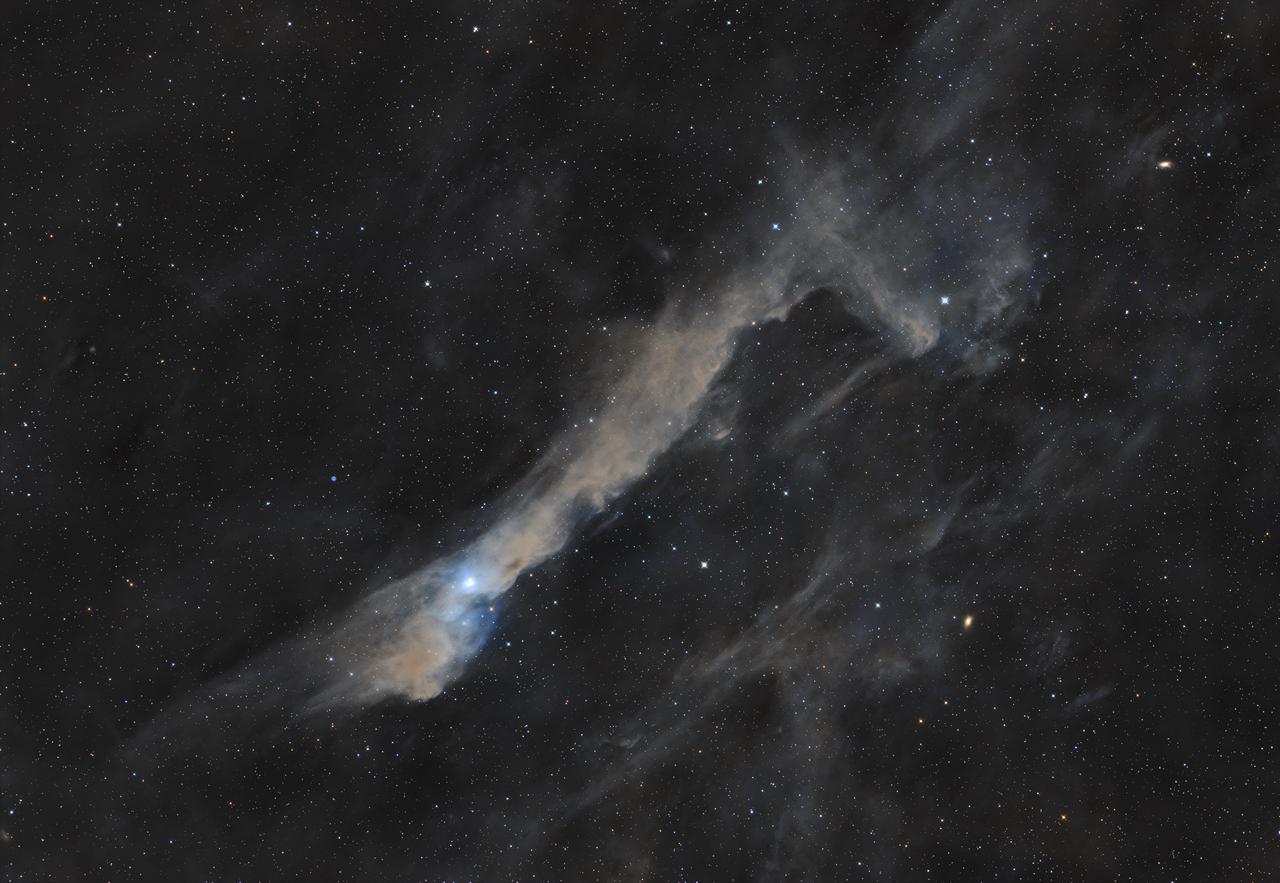
I started with a DSLR and kit lenses, which I bought on December 27, 2013 as a Christmas gift, and from that point on I never stopped. I began buying and selling telescopes and mounts, always trying to improve. Through those purchases and sales of optical tubes, 69 of them have passed through my hands to this day, although I do not own all of them (because I was constantly buying and selling in order to upgrade). The same thing happened with the mounts.
The adventure also continued as I was motivated to build my own observatory, which at that time was at my parents’ house. After getting married, I am now building another one out in the countryside, complete with a dome. Many of the aspects that brought me here are the healthy sense of competition I have with my colleagues, who are now also lifelong friends.
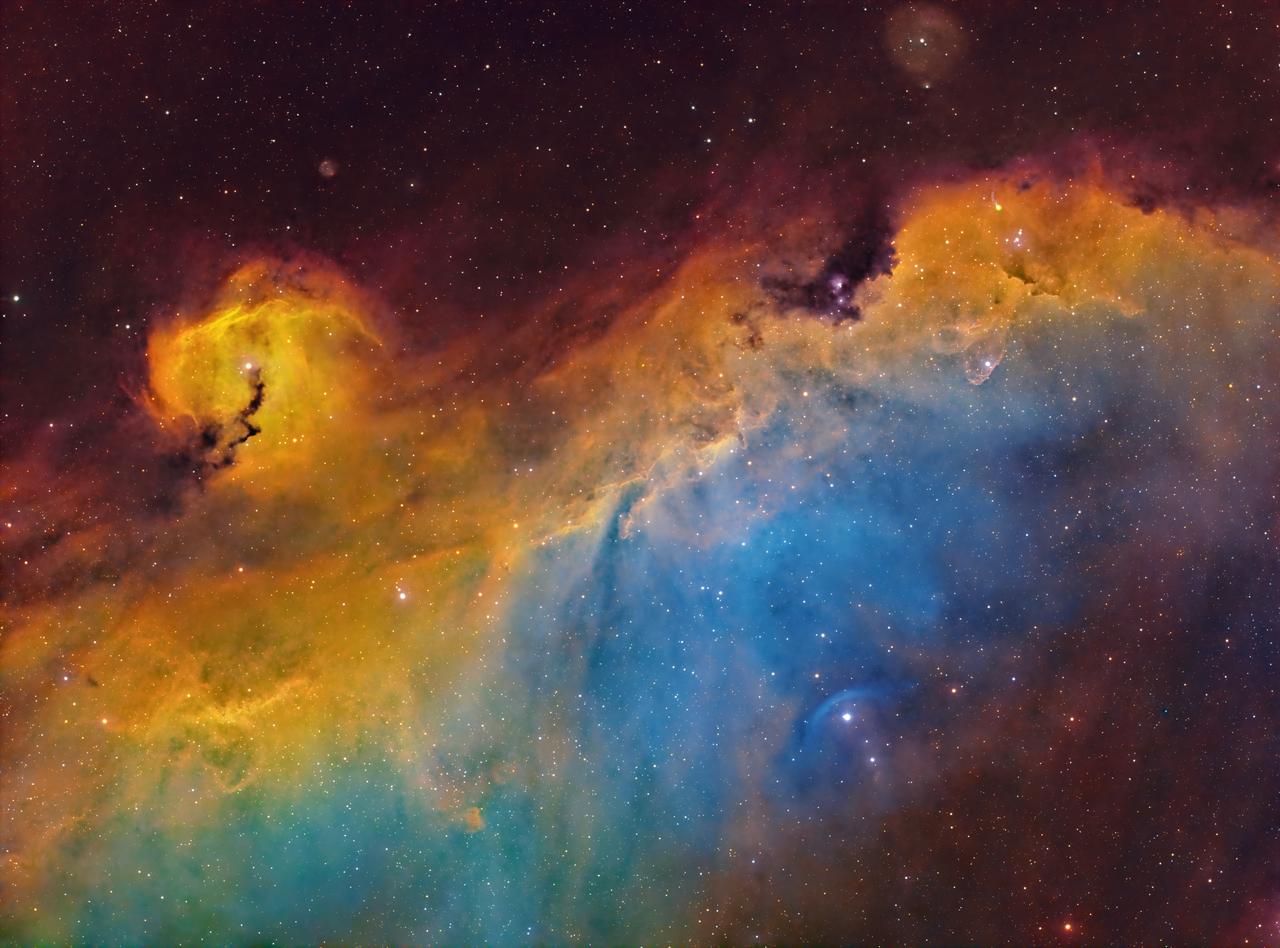
I currently have four complete setups:
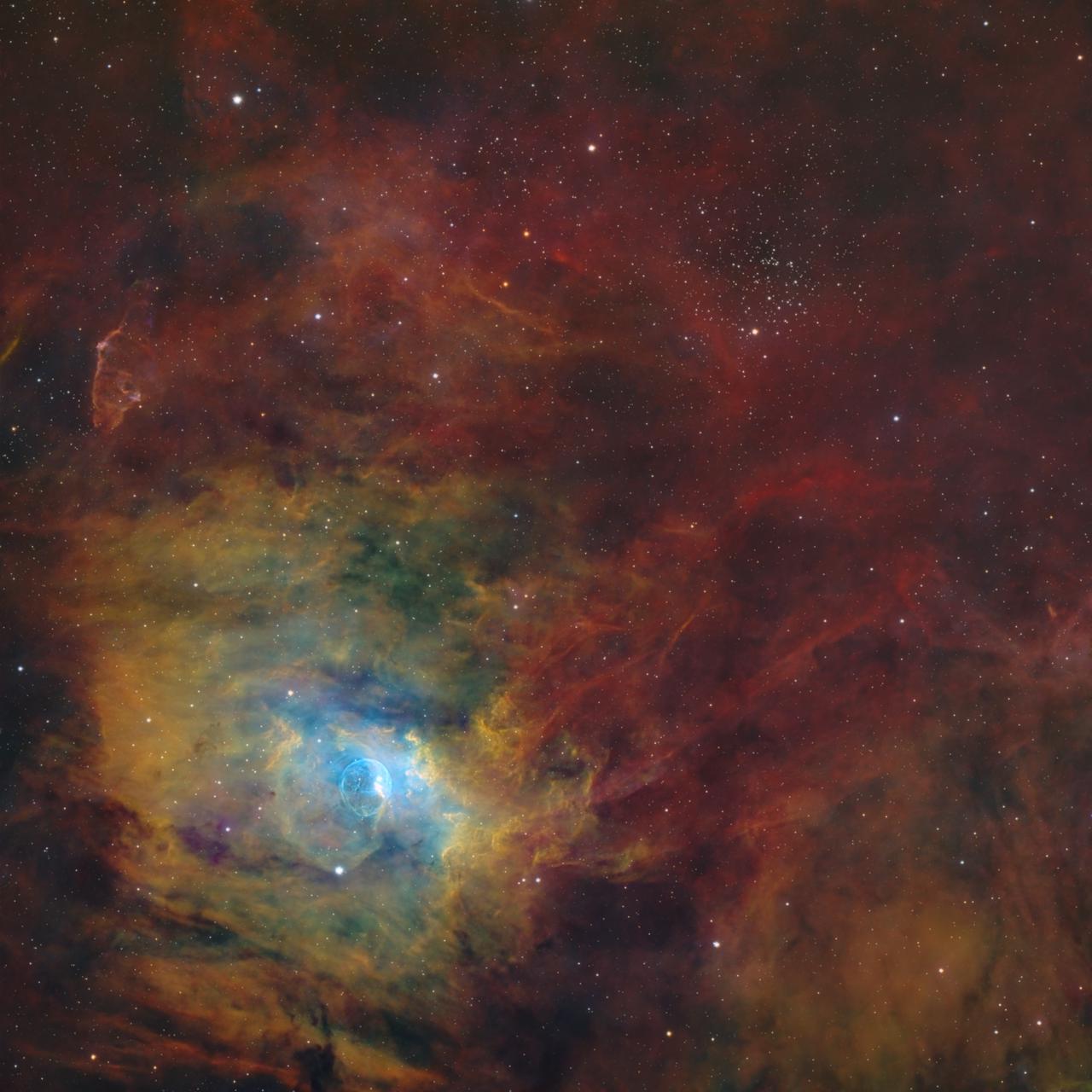
A Takahashi FSQ-106 EDXIII that I use with a CGE PRO mount, a Takahashi Epsilon 130D with an AM5, a Meade 80mm triplet / Meade 115mm triplet with an Orion Atlas, and finally—along with the image that got featured in ASIWEEK—an Askar FMA 180 PRO on a TeSeek 11 mount (my portable setup).
For cameras, I use ZWO on two of those setups: the ASI533MC Pro and the ASI522MM Pro. I like swapping them depending on the target for each telescope. All of my systems are equipped with an EAF focuser and other accessories. On two of the setups where I use ZWO cameras, I also run them with the ASIAIR Plus.
As additional cameras, I use an ATIK 16200 Mono and a QHY268C.
My setup has changed a lot—so much that sometimes I completely switch it between one photo and the next. I am very, very active, so when planning each target I decide what is most suitable for it, and I’m constantly assembling and disassembling setups.
When I bought my first cooled ASI1600MM in 2017, everything improved, and that progress has continued up to today.
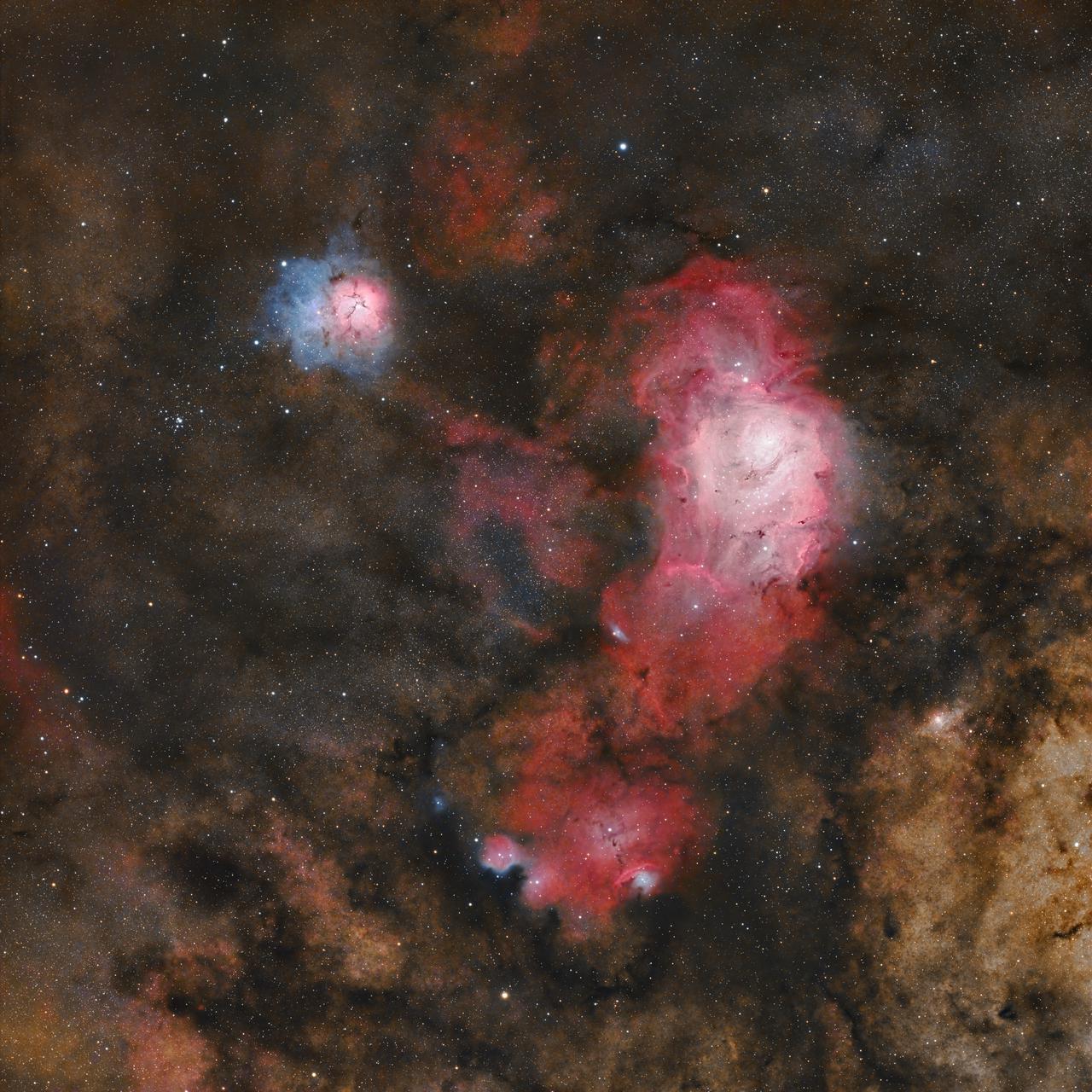
I usually do deep-sky imaging from two locations: my backyard, where I do narrowband work; it is a Bortle 5 site, and a rural location where I am building my observatory, which is a Bortle 4 site.
One story that definitely comes to mind is a project in 2023 when I was invited to the National Astronomical Observatory of Mexico in the Sierra de San Pedro Mártir, under Bortle 1 skies. Doing deep-sky astrophotography among the observatories for three nights was something truly magical.
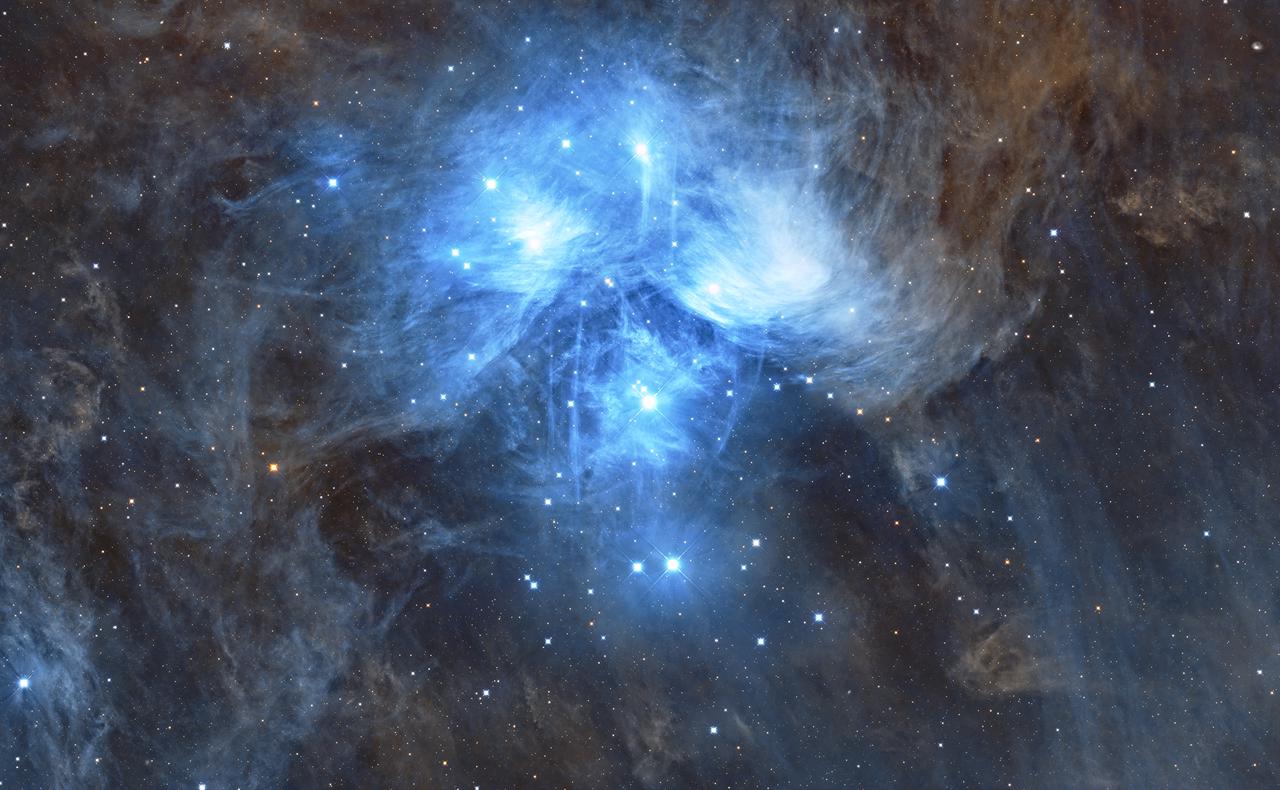
My favorite moment of the night is when the equipment is already doing its job and the sky is clear. I take that time to do visual observing, and if there are fellow astronomers around, spending time and socializing with them is always the best part of this hobby. So I could say that what I enjoy most is the entire process, from the beginning all the way to the processing stage.
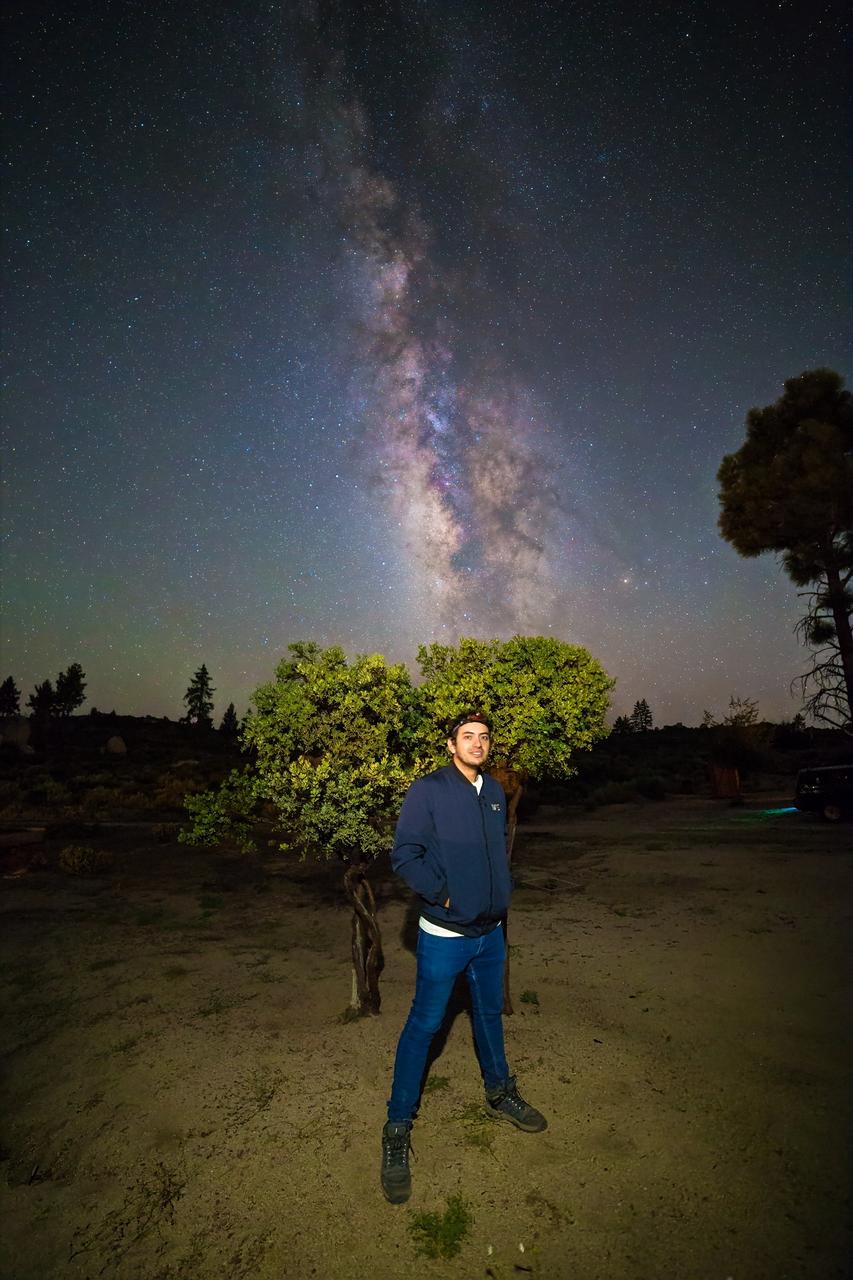
My goals have always changed. My biggest challenge is trying to surpass my previous image with the latest one. It’s difficult because it doesn’t always happen; in fact, there are even captures that are never published. But that’s what it’s all about.
The biggest lesson I have learned in astrophotography is patience. It is quite a challenge to stay on the same object for weeks to achieve an incredible result, and in my case, it is something I have been gradually developing over time.
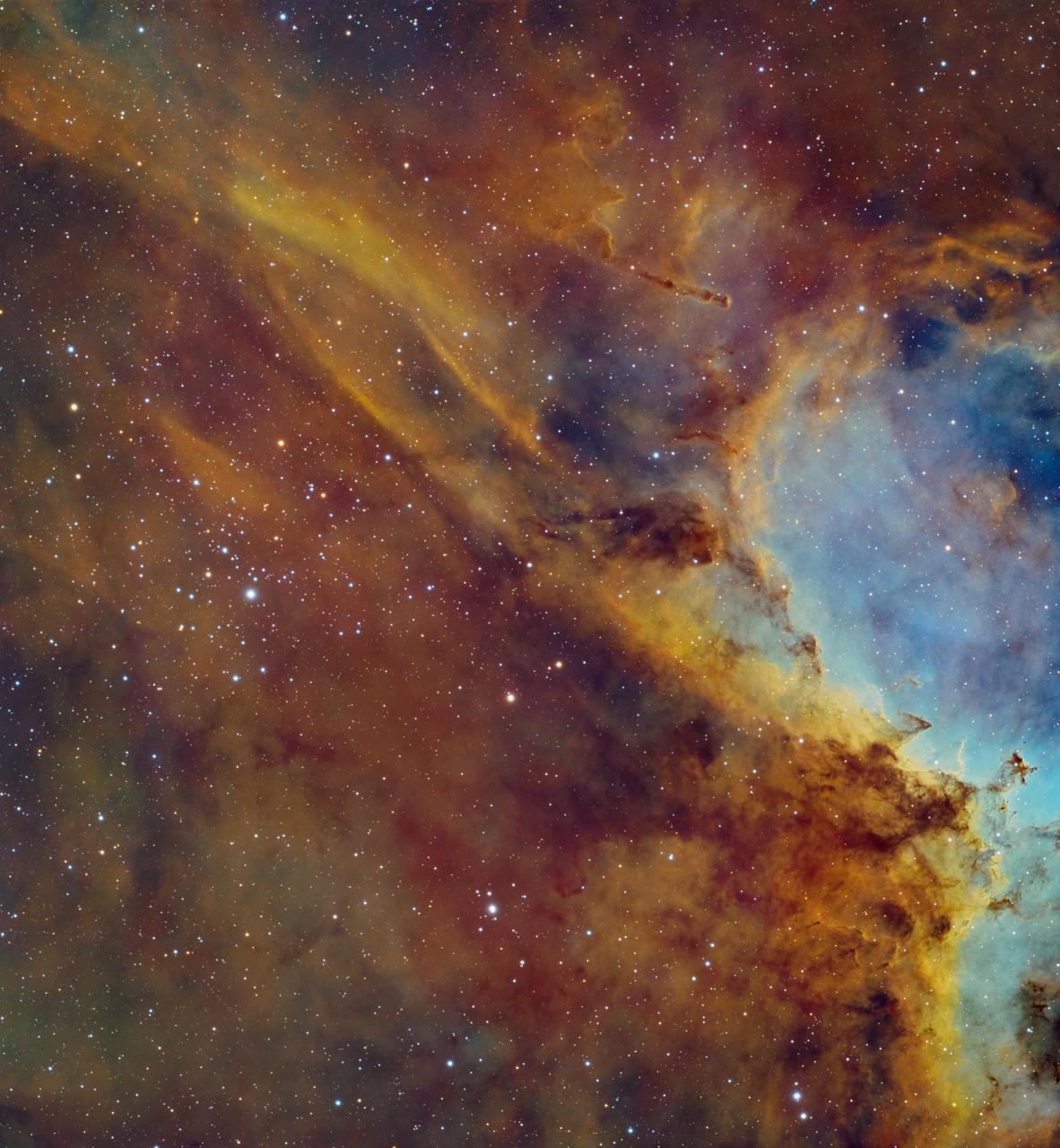
My processing is always done in PixInsight, and I always share my photographs on social media, as well as in groups like this one.
The evolution has led me to avoid forcing my images, not to stretch or over-process structures, and not to oversaturate colors. I try to imagine what the object would look like if I were floating in front of it (I know it can’t actually be observed that way, but I like to imagine it). I would summarize it as being as minimally invasive as possible in my processing.
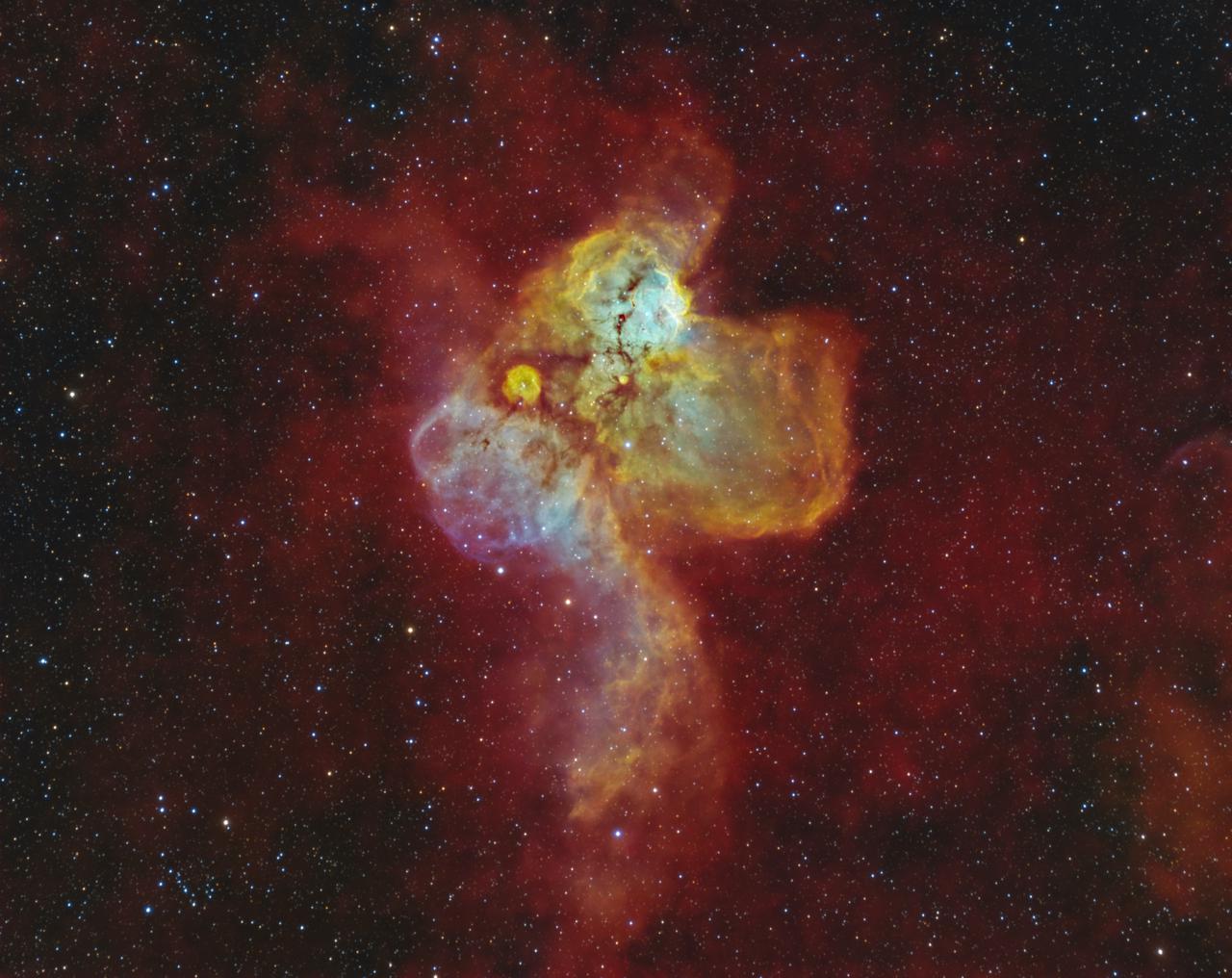
Maybe it’s not a project, but I’m very proud that, in my résumé up to today, I can highlight the following recognitions: 11 featured images on AstroBin, 12 AAPOD2, 1 APOD Sky, 37 APOD GrAG, 1 Solar Activity Picture of the Day, and having won the Takahashi America Contest in 2023 among 6 other finalists.
The image with which I won ASIWEEK—being my first mention—makes me proud, especially because I achieved it with a very simple and portable setup: a ZWO ASI533MC Pro, Optolong L-Pro, ZWO EAF, a 30mm guidescope, a ZWO ASI224MC as the guide camera, an ASIAIR Plus, and a small harmonic mount: the TeSeek 11 Dual Axis.
It’s hard to say, but maybe NGC2264 region
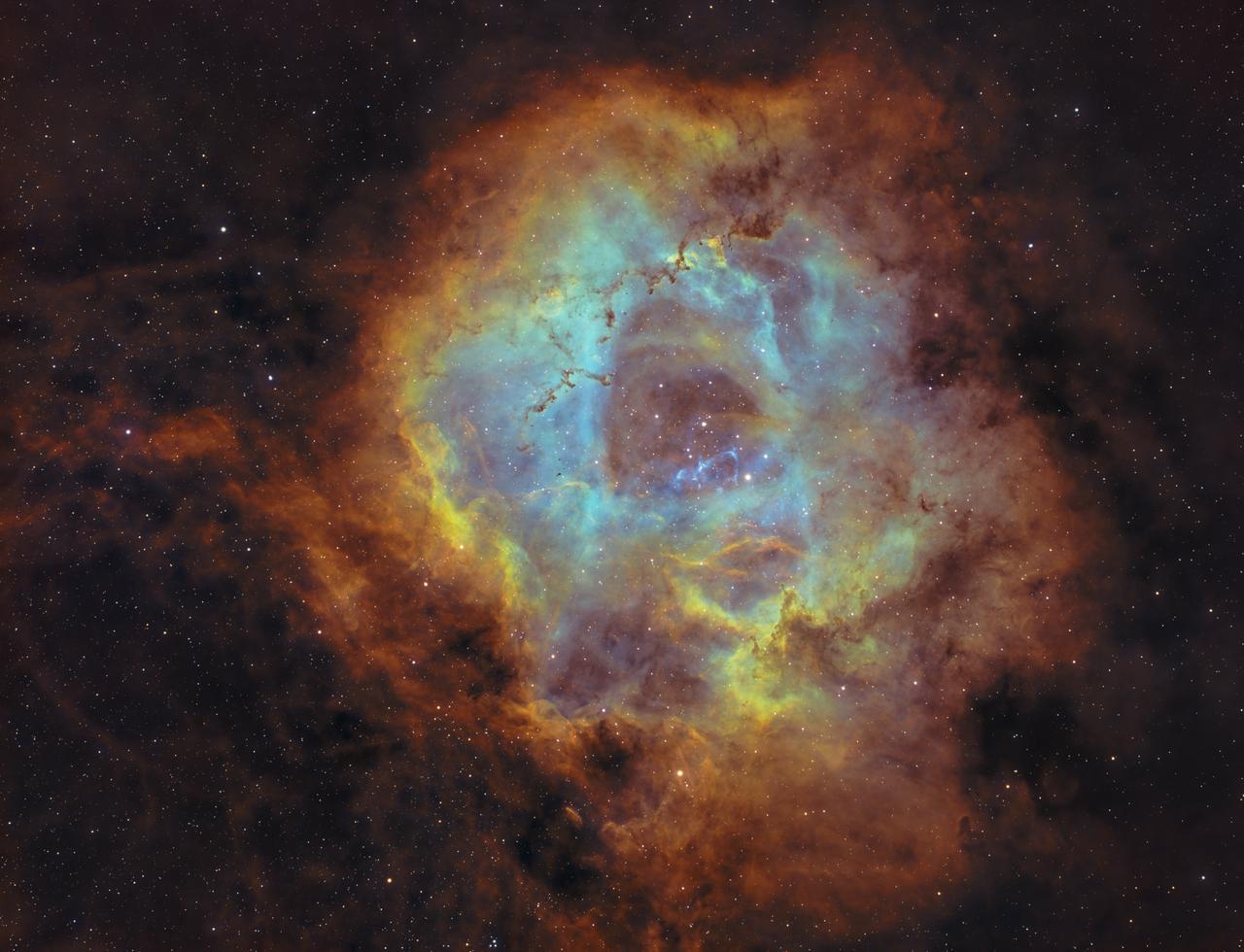
My goal this year, in terms of imaging, is to capture the H-alpha clouds of Andromeda, and secondly, to finish building my observatory out in the field.
Yes, there’s a trip I’m really excited about in two weeks from now. I’ll be going to the International Astrophotography Congress camp under the exceptional skies of Baja California, in Mexico. I’ll be bringing my portable setup with me.
I believe my astrophotography will continue to evolve for the better, gradually refining my technique as well as my equipment—everything goes hand in hand with the never-ending learning curve.
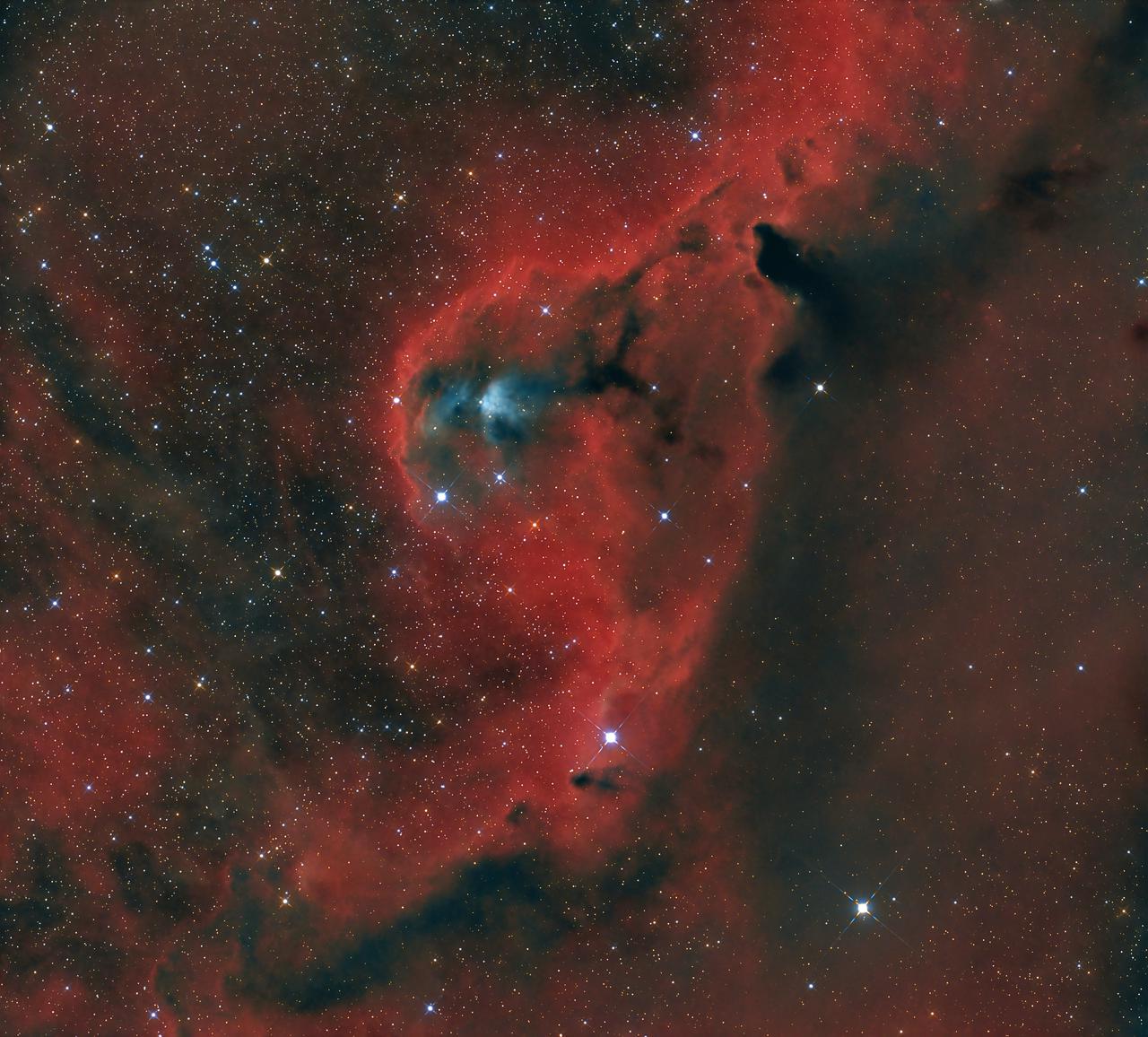
The first time I saw ZWO was at the now-defunct OPT store, where in 2017 I bought my first ASI1600MM-cooled camera. At the time, the brand wasn’t well known in Mexico, but it’s always good to give things a chance—and to this day, I don’t regret it.
In my setups—where I’m constantly swapping accessories between them—I use 4 EAFs, 2 ASIAIR Plus units, an ASI533MC Pro and an ASI533MM Pro. I also use an 8-position filter wheel, an AM5 with its carbon fiber tripod and extension, and for solar planetary imaging, an ASI178MM.
Every aspect keeps improving; I’m truly amazed by the 16-bit sensors.
I would love for ZWO to release a very, very portable mount—more portable than the AM3, also harmonic—but with a maximum payload of around 7 kg. That would make it possible to build an extremely compact setup for air travel with small rigs.
Recently, a major discovery by an international team of amateur astronomers and scientists has become a huge online hit, and this new discovery is just located in one of the
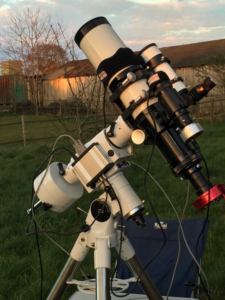
Hi, I’m Christopher Rose. My own personal interest in astronomy started when my parents got our own black and white television so we could watch the first man to land
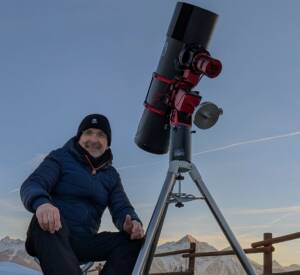
Hi, my name is Alessandro Cipolat Bares, I’m 72 years old , I live in Aosta, in the Aosta Valley, a mountainous region in the heart of the Western Alps.
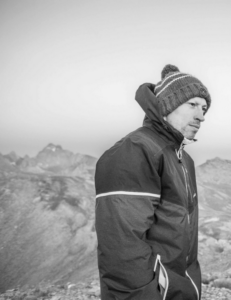
My name is Julien De Winter (@dwj85), and I live in Belgium. I am a Professor of Chemistry at the University of Mons, where my research focuses on mass spectrometry
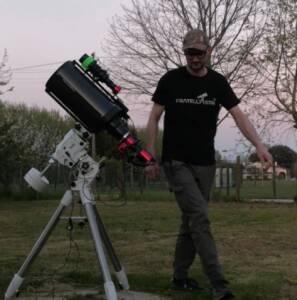
Hi! My name is Nicola Bugin and I live in a town in northern Italy called Borgoricco. I’m really happy that my photo of WR-134 has been so successful that
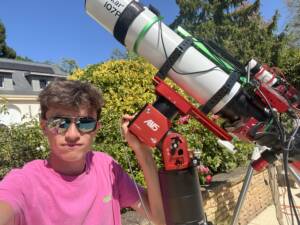
My name is Quentin (@_quentin_g), I am 17 years old, and I live in Nantes, in the west of France. I am currently in a French preparatory class for engineering