
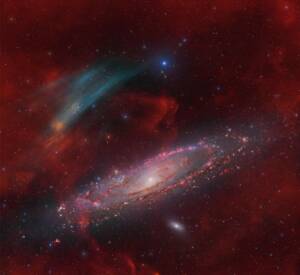
Discovery of the M31 [OIII] emission arc
Recently, a major discovery by an international team of amateur astronomers and scientists has become a huge online hit, and this new discovery is just located in one of the
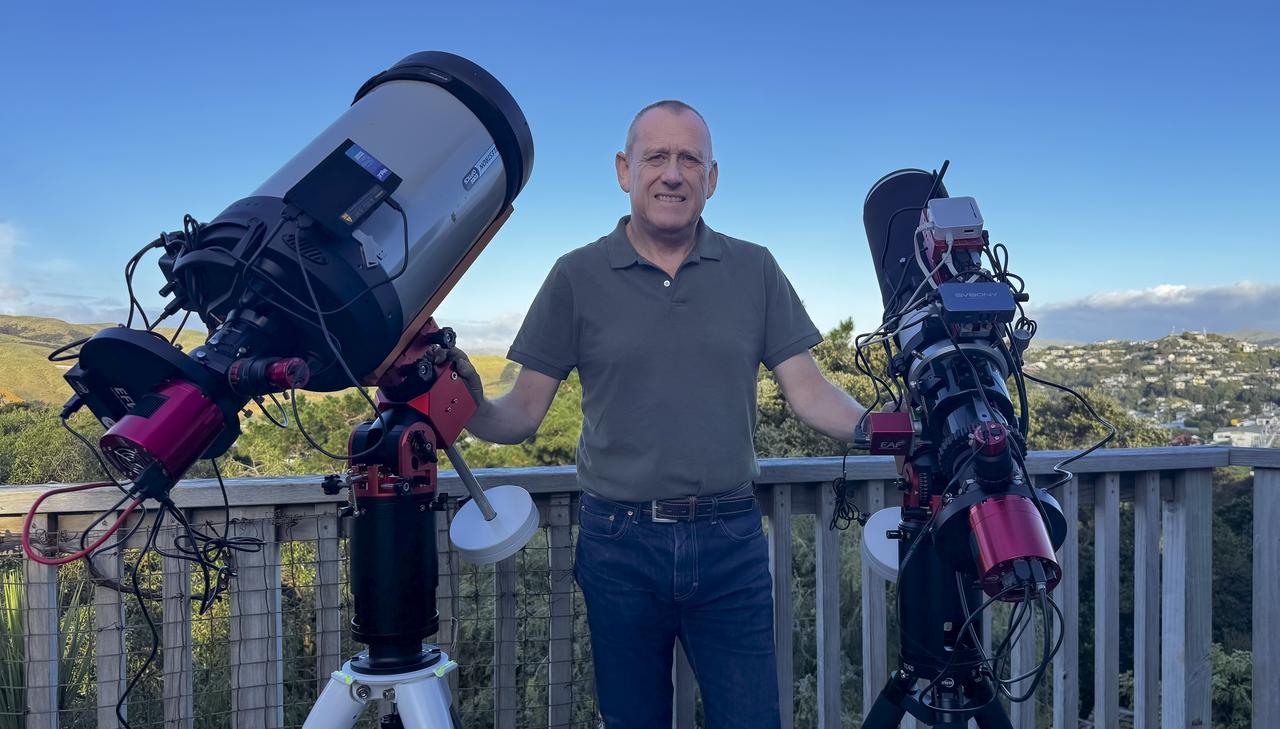
Peter Ambrose lives in Porirua, Wellington, New Zealand, after moving there from his hometown of Christchurch in 1991. Now retired from corporate life for over 13 years, he has been able to fully embrace the passions he loves most—hiking, landscape photography, fine wine, and of course, astrophotography.
For Peter, the perfect night often combines the last two: a glass of fine wine beneath a sky full of stars.
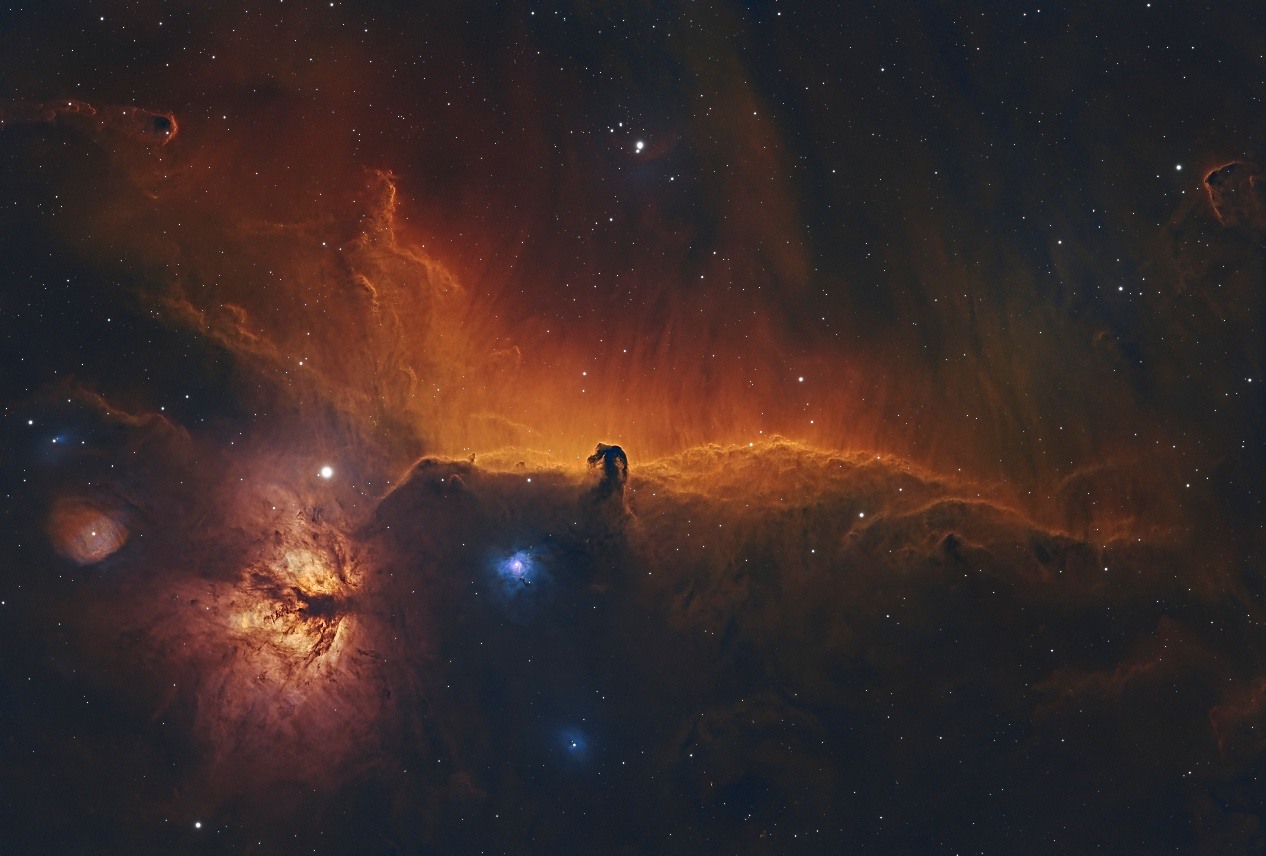
As a child, we lived in a place where the night sky was quite clear, and I often wondered about the universe and our neighboring planets and moons. As NASA started to show images of the universe, this really spurred my curiosity.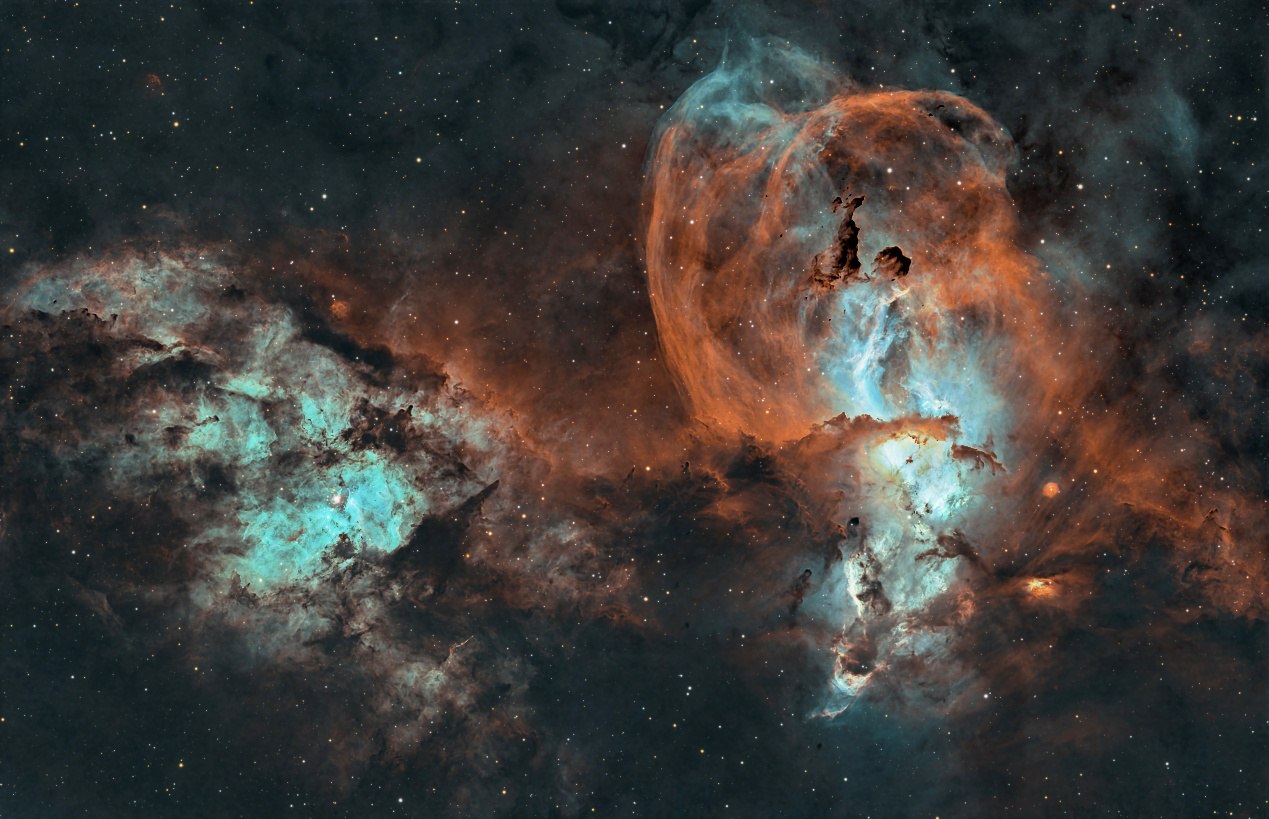
When astro photography started to become more available to the public, I really thought that I had an opportunity to capture the horsehead nebula. That was the image that truly started me on my Astro journey.
I thought I would start with a simple skywatcher star tracker, but I found that extremely hard to polar align in the southern hemisphere and after watching hours of you tube videos and starting to follow some people around 4 years ago, I thought I would dip my toe in the water and purchase the Esprit 100ED and an EQ6r-Pro mount. At that point, I also decided that ZWO would be at the heart of my “eco system” to try and optimize my future rigs, and I purchased the ASI120MM Mini guide camera and the ASIAIR PLUS which had just been released, and I connected them all to my Nikon D750. From there, I now have 4 different setups that range from Milky way config to deep sky and planetary.
I am currently mainly using my Celestron EdgeHD 9.25 at full focal length of 2350. This sits on an AM5 mount and I mainly use the ASI2600MM-Pro and the ASI174MM-Mini as the guide camera for my OAG and the ZWO 7×2” filter wheel and EAF are key components of that rig as well.
My gear has evolved as I discover new targets I want to capture and as I gain knowledge and experience under the stars.
Although I started with a dSLR, I quickly moved to the Skywatcher ESPRIT 100ED, then the Celestron EDGEHD 9.25, then the Redcat 51 III WIFD and have since modified my Nikon D750 for astrophotography. ZWO gear is at the heart of all these rigs and I enjoy mixing the ASI2600MC-PRO with the ASI2600MM-Pro. It was a good decision to stick with the ZWO eco system as the 3 rigs have ASIAIR Plus, EAF, Filter wheels and various ASI guide cameras. I have since dispensed with the star tracker and just use the AM3 and AM5.
I think the AM5 has really made my astro photography more enjoyable as it is reasonably light and fast to set up. I also think progressing to MONO photography has made a big difference.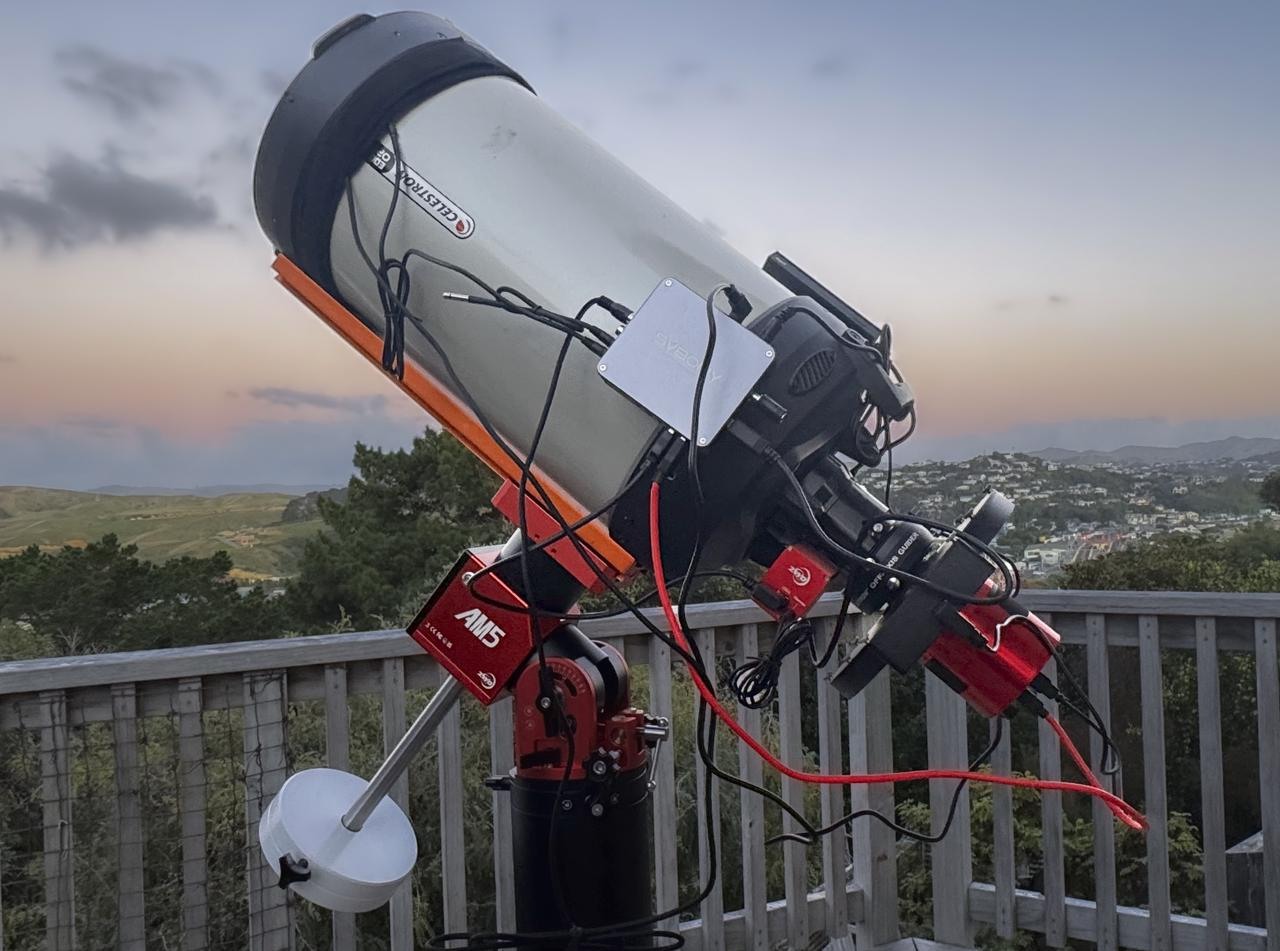
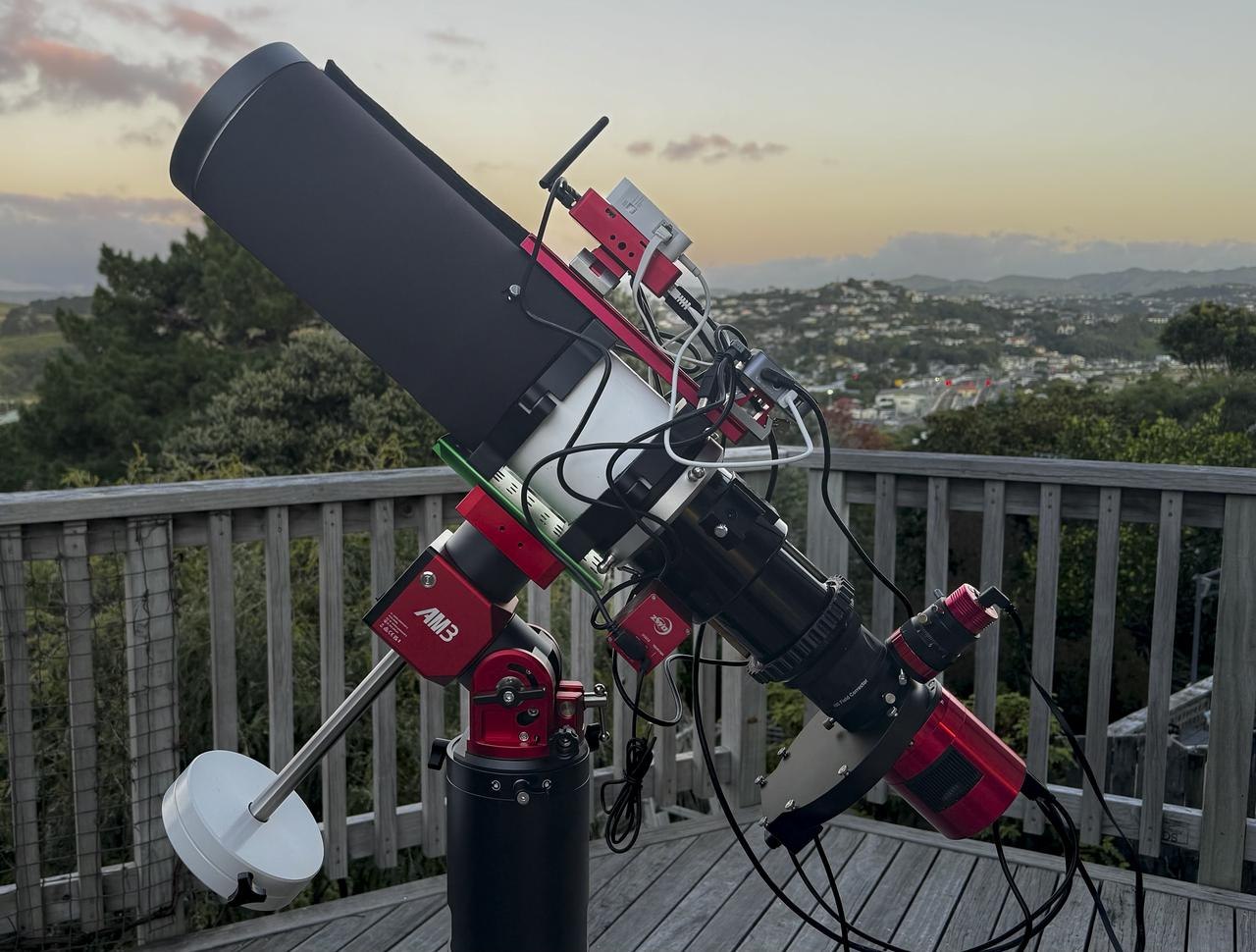
I generally shoot from my back deck under Bortle 4 skies. The biggest challenge here is that you can’t walk on the wooden deck when shooting as that seriously effects guiding so doing a polar alignment and initial setup requires some skill.
When I took my ESPRIT 100ED and ASI2600MC-Pro to a dark sky reserve to shoot M45, it was such a clear still night and I was super impressed with the quality with a relatively low integration time. M45 is generally not visible here and when it is, it generally doesn’t get above 30 degrees for long. I really enjoy seeing the first frame and ensuring the angle and object is in the position I am visualizing. I also seem to become fixated on the guiding graph for the initial hour or so.
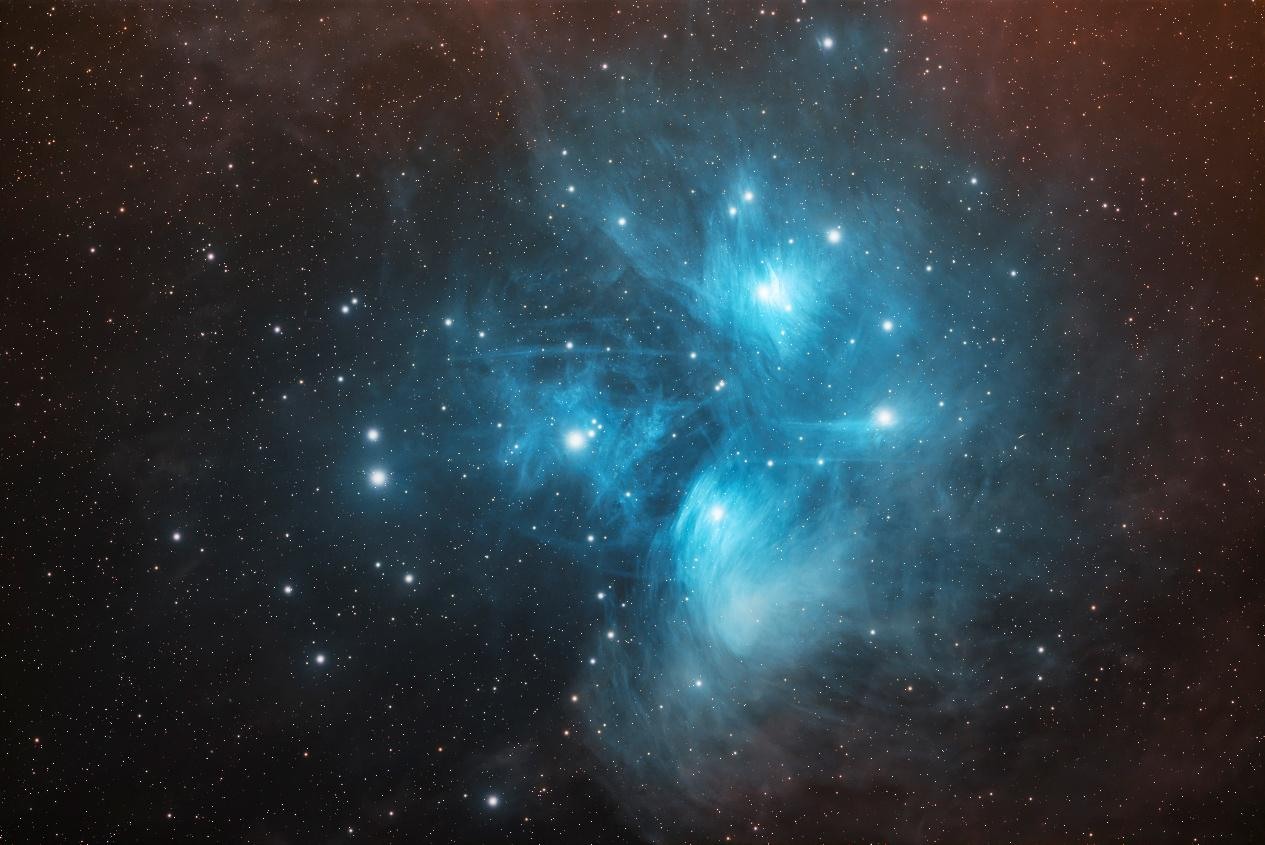
Astrophotography can be a frustrating and also very rewarding hobby. My toughest challenge from where I live is the weather!……..even though I am shooting from Bortle 4 skies, we do not get many nights per year that a clear and certainly not many that have great seeing. I try and manage that by planning a couple of targets that would suit either wide field or deep sky and set up accordingly at sunset.
I really enjoy the technical side to astro photography as well as the objects I am shooting, but I have learned that every night is completely different and although the setup is perfect one night and can be a completely new challenge the next night. You just have to deal with that and keep going. The rewards are truly there.
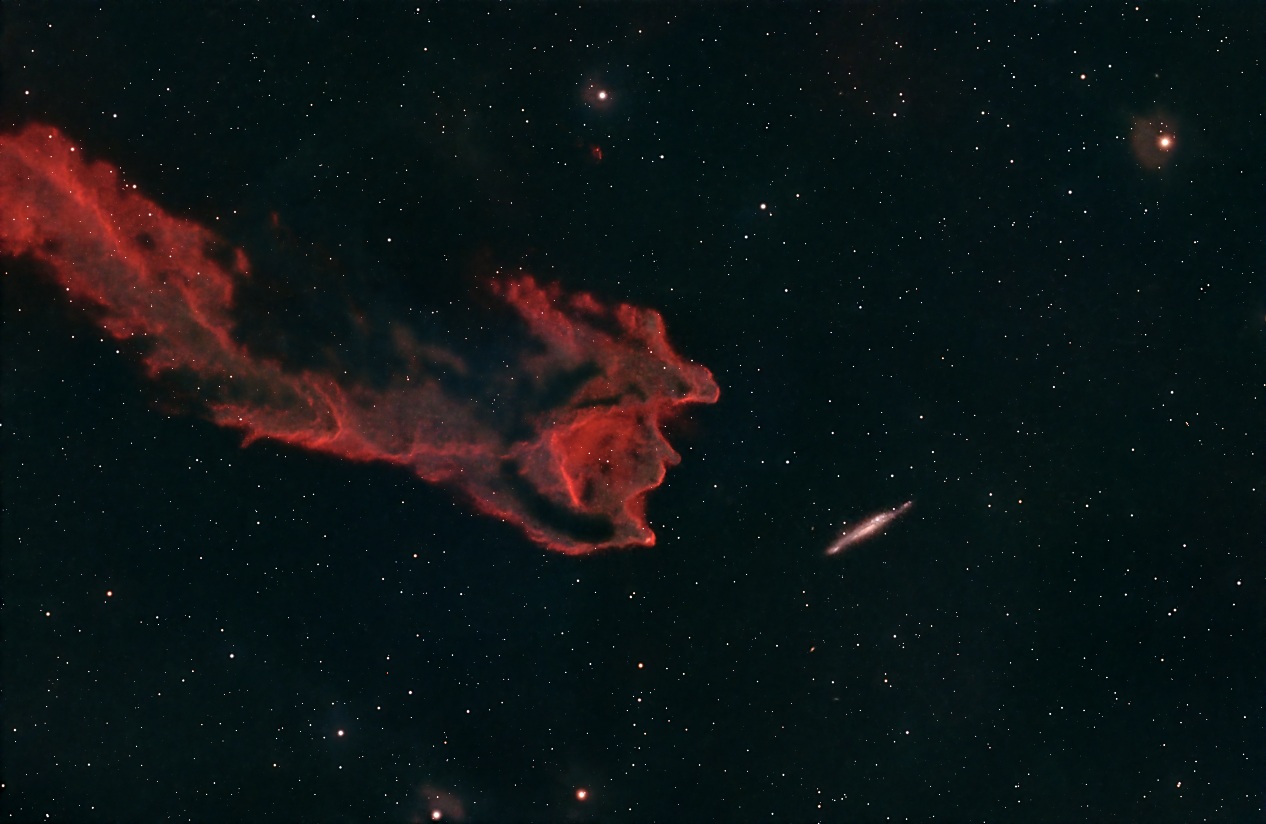
I made the decision early on to learn PIXINSIGHT as it appeared that it was the most advanced processing software to use. That has been a steep learning curve and one that is still evolving along with add-on tools that are invaluable. Although I have a standard workflow, I find that each image requires its own certain custom way to process. I generally like to finish off the image in Lightroom or Photoshop.
I now have the confidence to experiment with various workflows and see which outcome I prefer. I think the biggest learning I have had is that I now make very subtle changes incrementally in post processing.
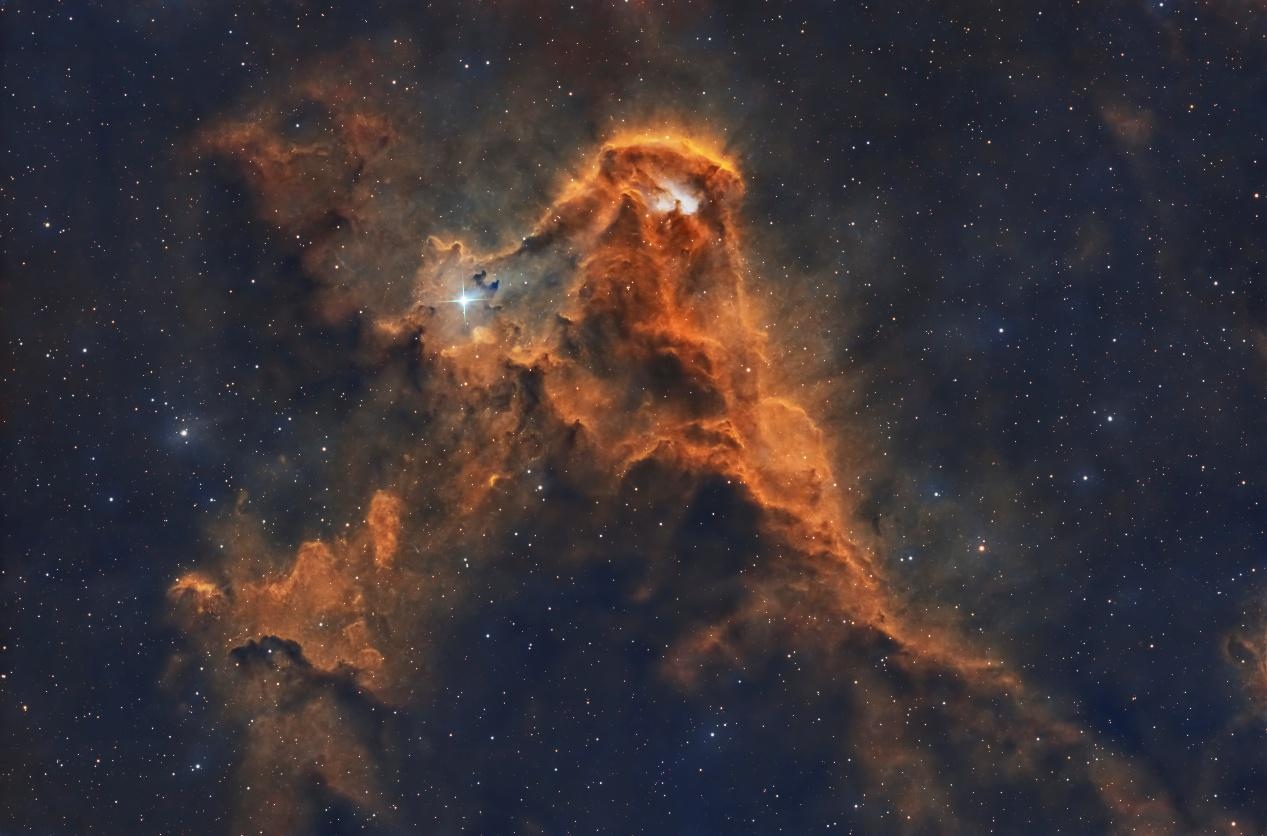
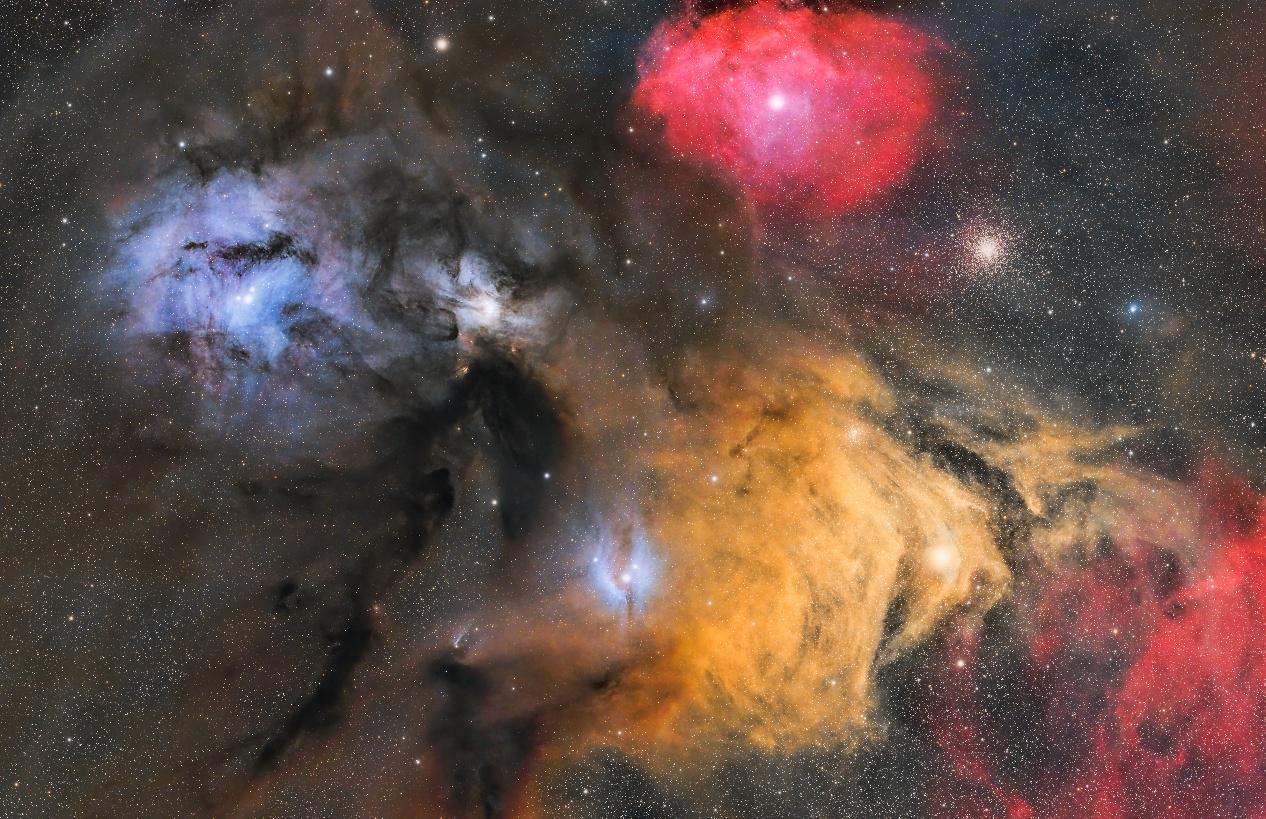
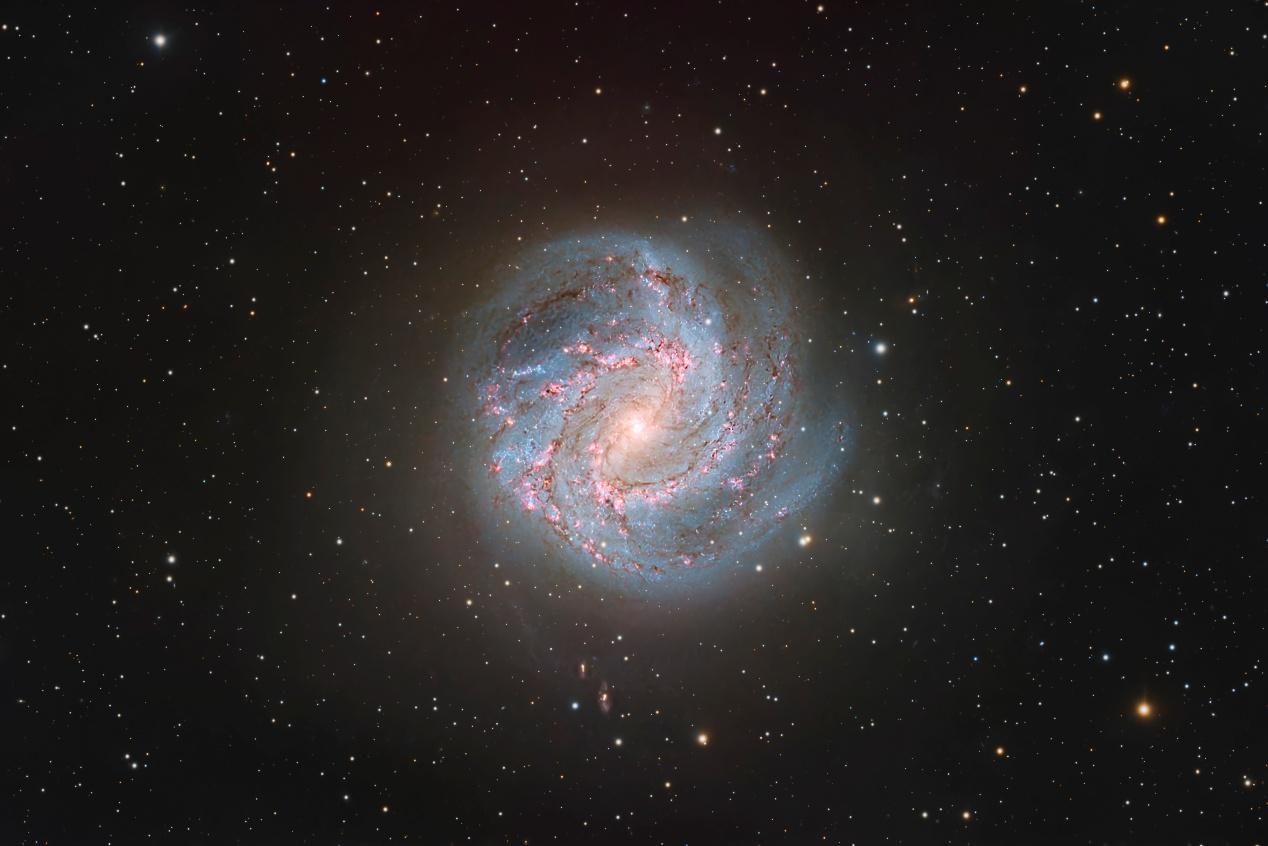
I have one image from each of my three main rigs that I am very happy with.
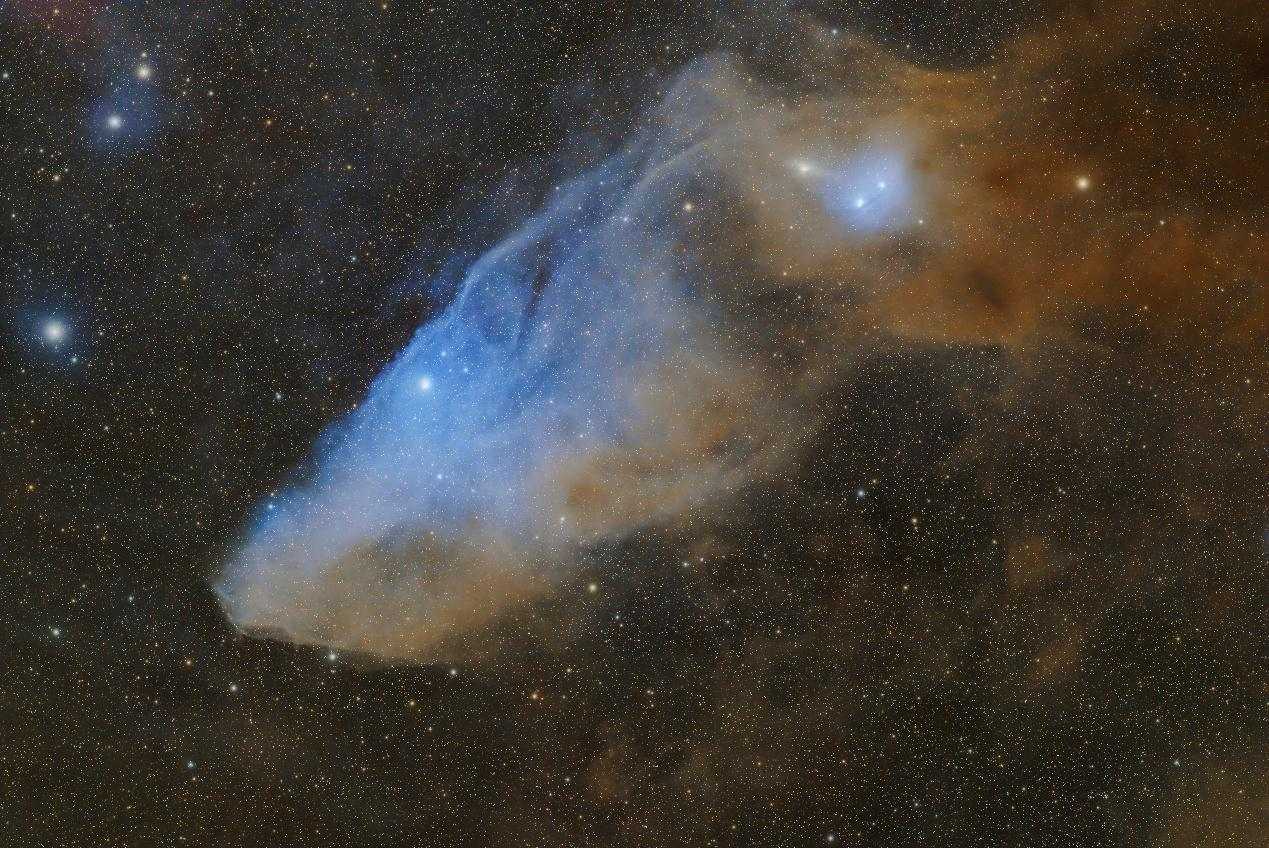
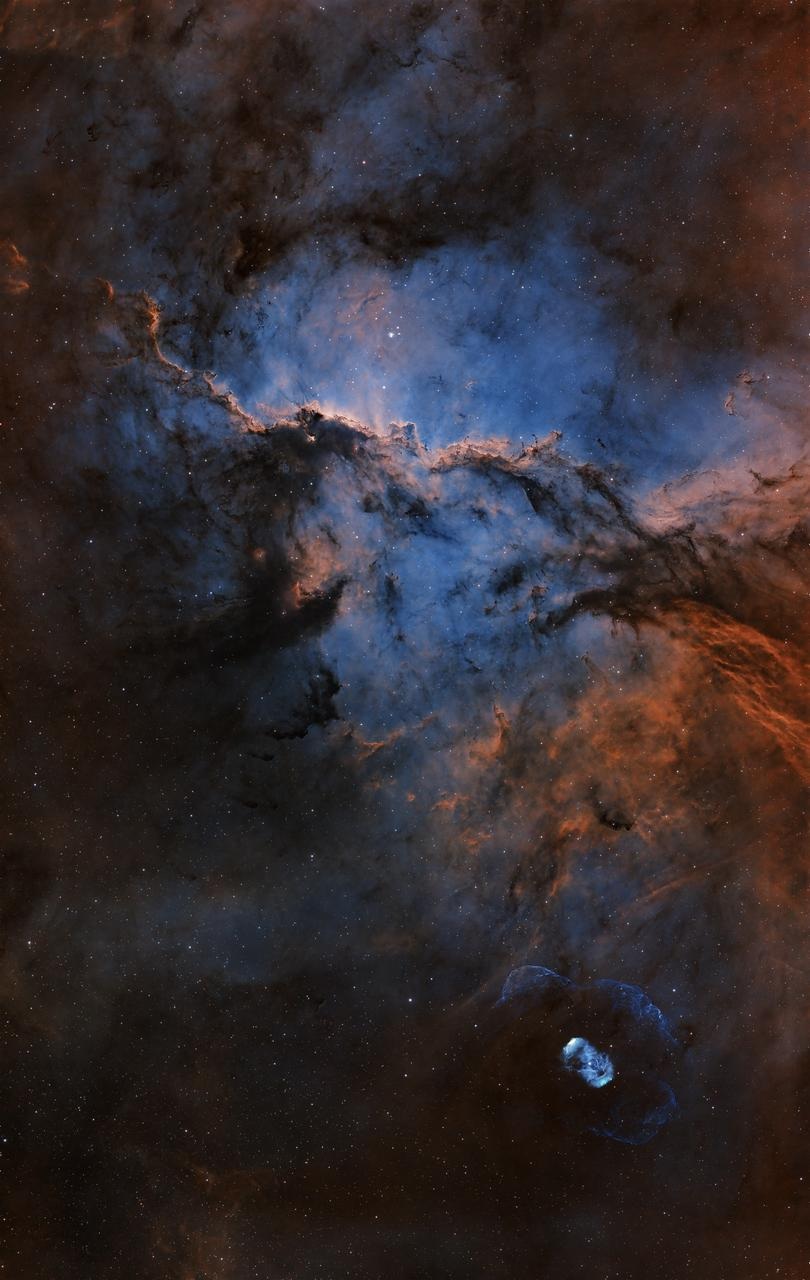
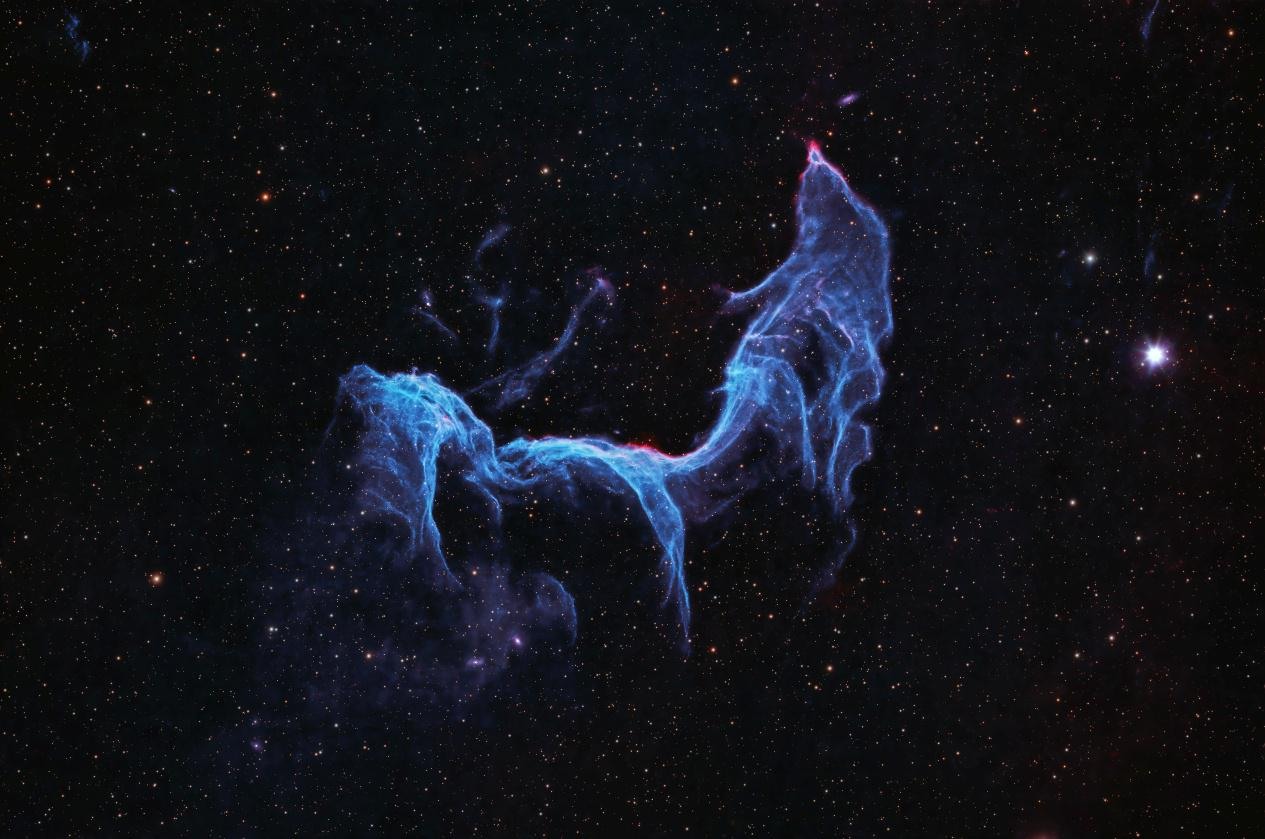
What I really like about the above image is the dept of field that I managed to achieve with an object that is 4,500 light years from Earth. The single fact that it is hard to get your head around is that these images show the objects as they appeared millions of years ago!
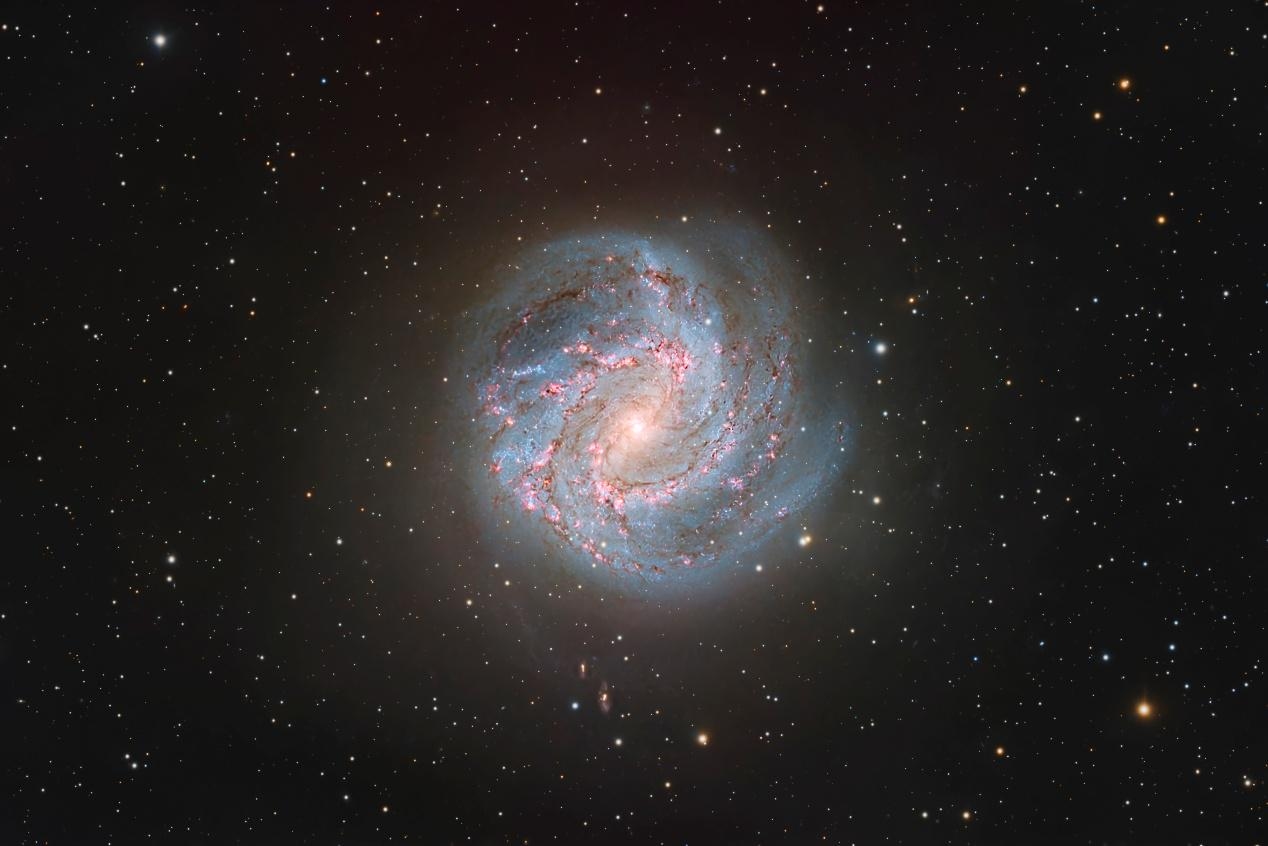
I have photographed some targets a few times with different rigs but there are so many targets that I want to capture, I have to choose my time wisely.
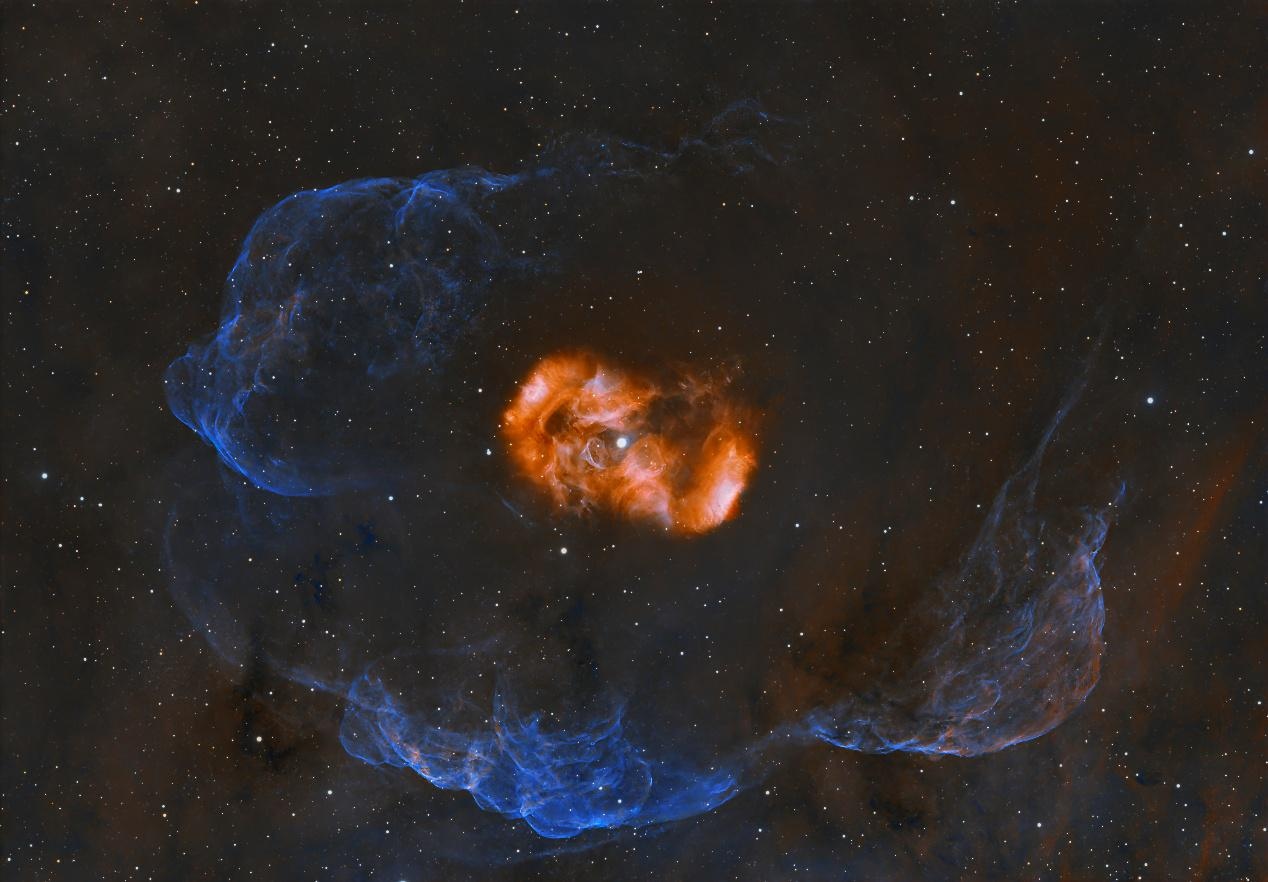
As weather permits, I want to get started on some planetary photography, so Jupiter and Saturn are on my horizon.
I would love to take some gear on my upcoming hiking trip in Nepal but that is simply not practical and I will settle for some star trails and nightscapes.
I recently purchased a ASI676MC and ASI585MC so I am looking forward to some close-up lunar photography and planetary.
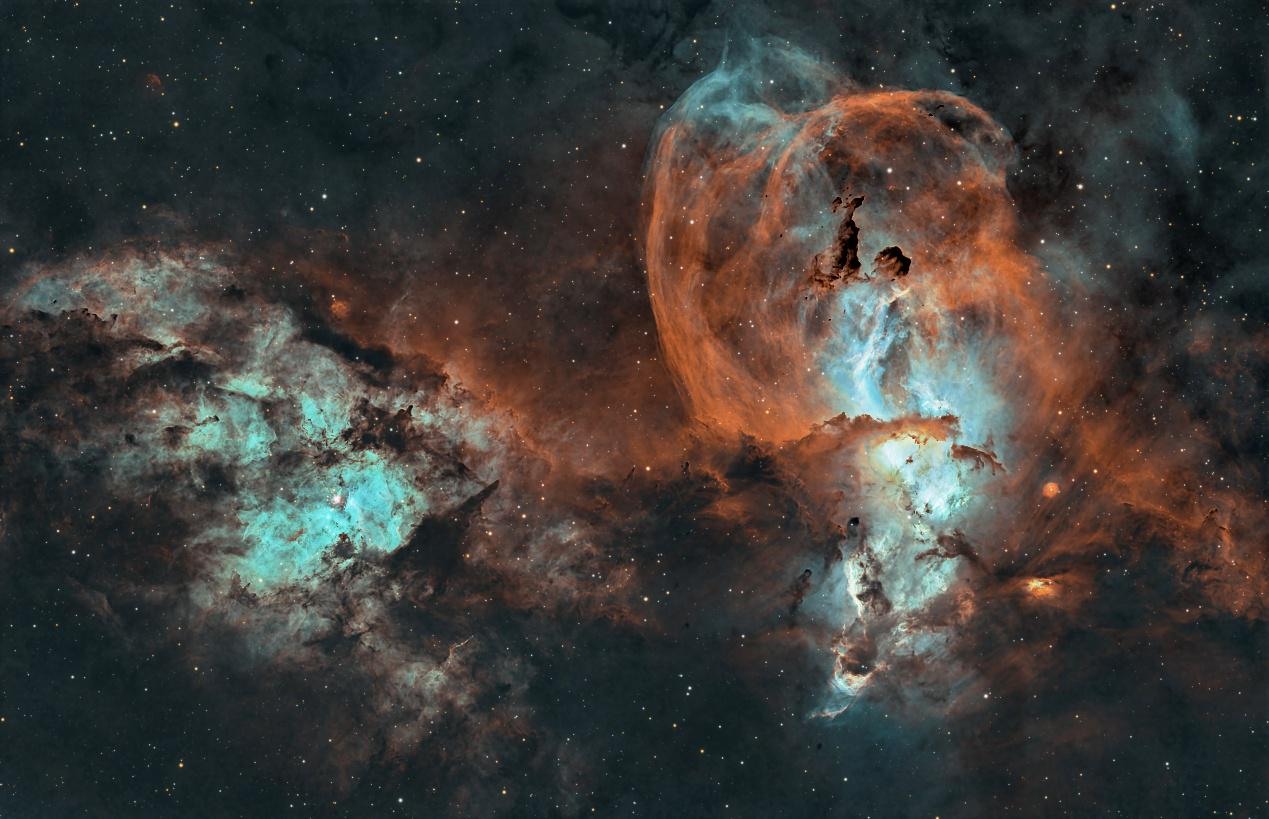
As technology constantly improves, I see the opportunity to retake some objects and reprocess them. This won’t substitute good seeing or processing experience but rather enhance the journey going forward.
After doing a lot of research into equipment that would suit me and my location, it just made sense to me to stick with brand that was a diverse and integrated supplier with a solid reputation. This has worked well for me and helped to reduce the Astrophotography MASSIVE learning curve.
Over the last 4 years I have built up quite a collection of ZWO equipment. These include the ASI2600MC-Pro, ASI2600MM-Pro, ASI676MC, ASI585MC, ASI120MM-Mini, ASI174MM-Mini and ASI220 Mini cameras.
I also own 3 EAFS, 2 filter wheels, 1 OAG, 3 ASIAIR Plus and various other accessories along with a AM3 and AM5 mount.
I would like to see the continued development of the ASIAIR, including stored configurations and improved reliability with WiFi. The introduction of a larger pixel size Mono camera such as an ASI4400MM-Pro would be great for longer focal lengths.
Astrobin: https://app.astrobin.com/u/PeterAmbrose
Recently, a major discovery by an international team of amateur astronomers and scientists has become a huge online hit, and this new discovery is just located in one of the
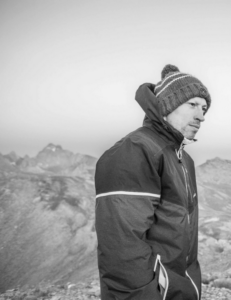
My name is Julien De Winter (@dwj85), and I live in Belgium. I am a Professor of Chemistry at the University of Mons, where my research focuses on mass spectrometry
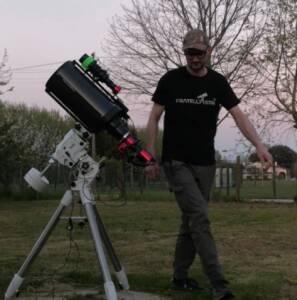
Hi! My name is Nicola Bugin and I live in a town in northern Italy called Borgoricco. I’m really happy that my photo of WR-134 has been so successful that
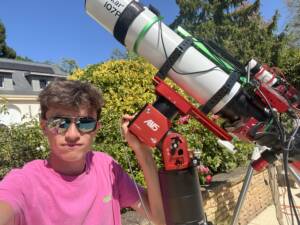
My name is Quentin (@_quentin_g), I am 17 years old, and I live in Nantes, in the west of France. I am currently in a French preparatory class for engineering
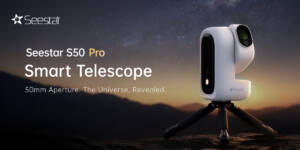
NEW PRODUCT LAUNCH Seestar S50 Pro Now Available: 50mm Aperture. Revealing More of the Universe 50mm Large Aperture · 4K Dual-Lens · One-Tap Post-Processing· Pro-Level Milky Way Shots · Up
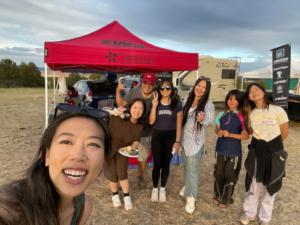
Golden State Star Party 2026 – Friends, Dark Skies, and Perseverance July 11–15, 2026 | Frosty Acres, Northern California Golden State Star Party welcomed astronomers from across California and beyond