
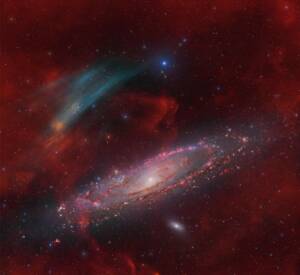
Discovery of the M31 [OIII] emission arc
Recently, a major discovery by an international team of amateur astronomers and scientists has become a huge online hit, and this new discovery is just located in one of the
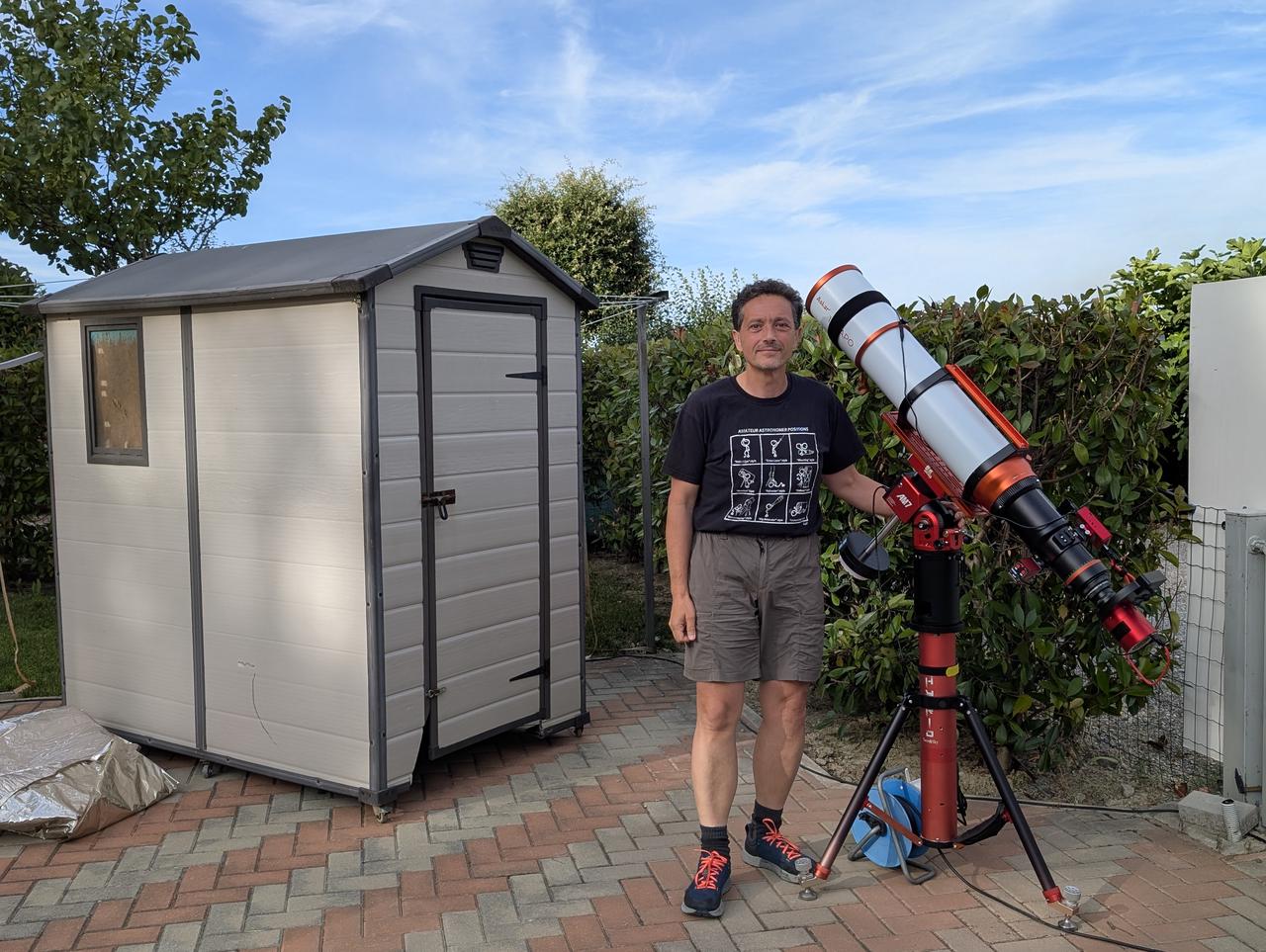
First of all, a big thank you to all the ZWO staff for choosing my “Abell 39” planetary nebula as the #23 ASIWEEK 2026 winning image. I’m Andrea Arbizzi from Modena, Italy. I’m 51 years old, I’m a geologist, and I enjoy travelling, hiking, and of course, astrophotography, which I do both from my backyard and from the mountains in search of the darkest skies.
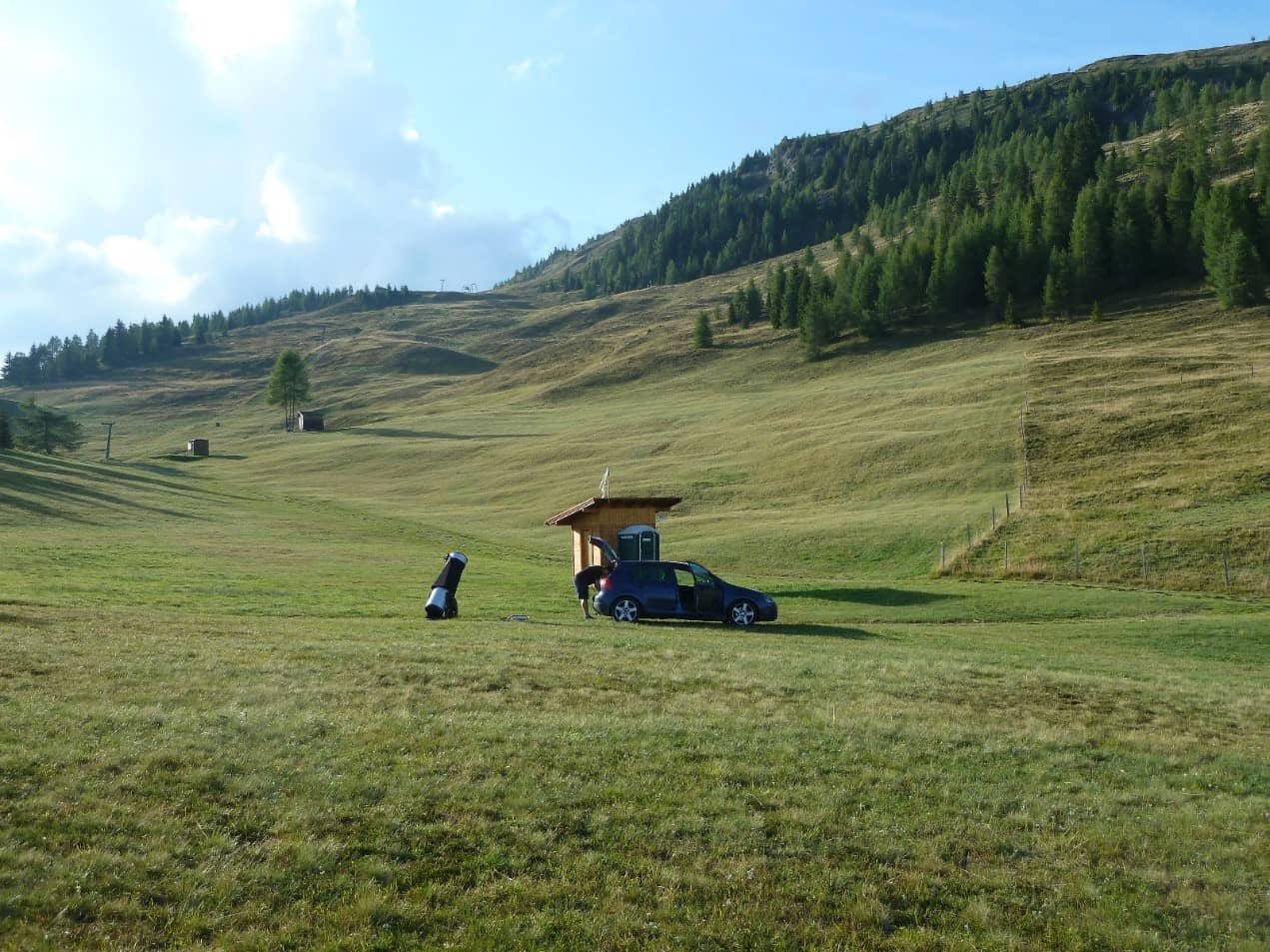
I bought my first telescope (a Meade ETX90) back in the early 2000s when I first started observing the night sky. Over the years, I was lucky enough to travel on holiday in some of the darkest places in the world (Chile, Australia, Mongolia, Namibia, Alaska, and the USA). I was so amazed by the beauty of those skies that I bought the biggest scope I could handle alone (a 12” Dobsonian) and started travelling to the darkest italian and european locations, as I became more interested in deep-sky objects.
However, I soon realized that every DSO I observed, except for a few ones, always looked like a grey, fuzzy, dim spot. That’s when I decided to move on to astrophotography.
Currently, I’m using an Askar triplet apochromat F7 reduced to F5.6 (with a focal length of almost 900 mm), paired with an OSC ZWO ASI2600MC Duo, the great ZWO AM7 mount, a ZWO EFW 5X2, an EAF, and a ZWO ASIAIR Plus.
Back in 2018, I bought my first cooled OSC camera: the ZWO ASI294MC Pro. In February 2020, when the pandemic forced everyone to stay at home, I started taking DSO astrophotography more seriously from my light-polluted backyard sky (Bortle 7.5/8). I experimented a lot, studying and learning the basics, and after almost 7 years, I’m still learning, experimenting, and studying just as much as I did in the beginning.
I have changed so many scopes, mounts, and cameras over the years that I’ve been able to try new things, experiment, and learn a great deal along the way.
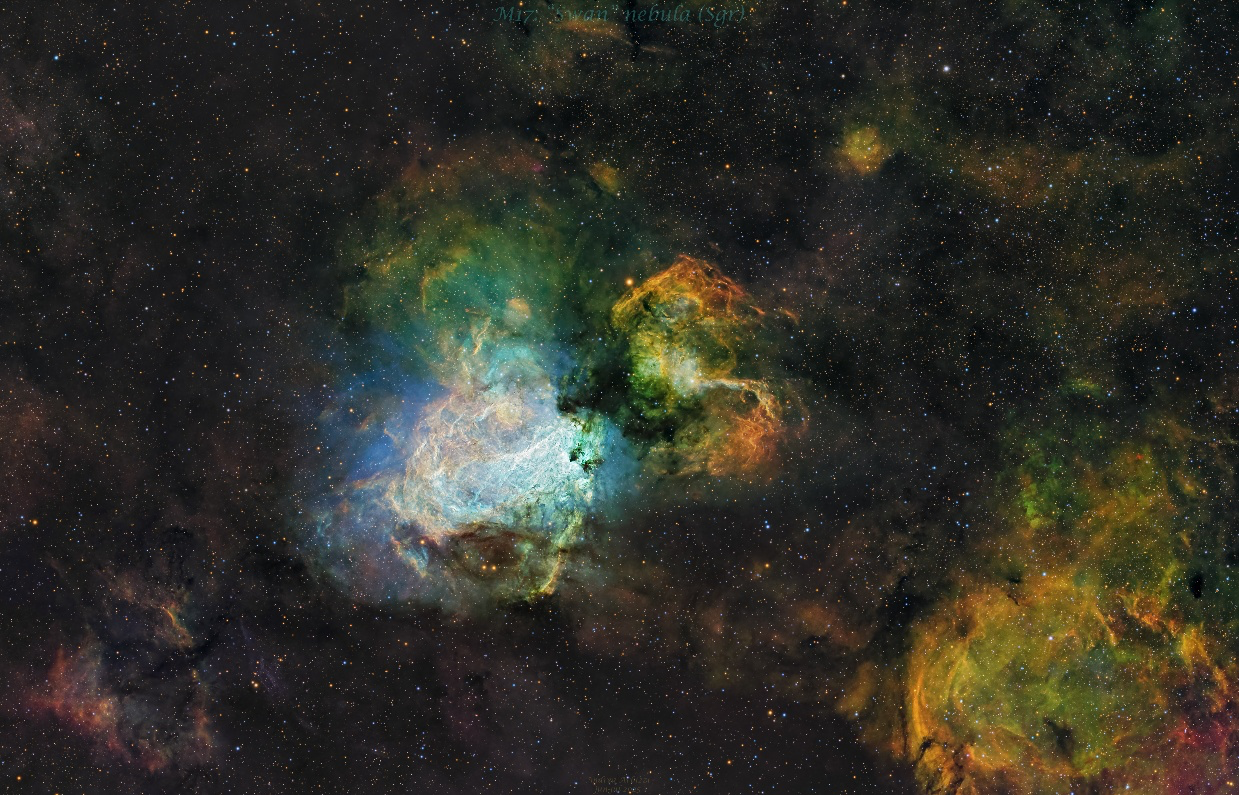
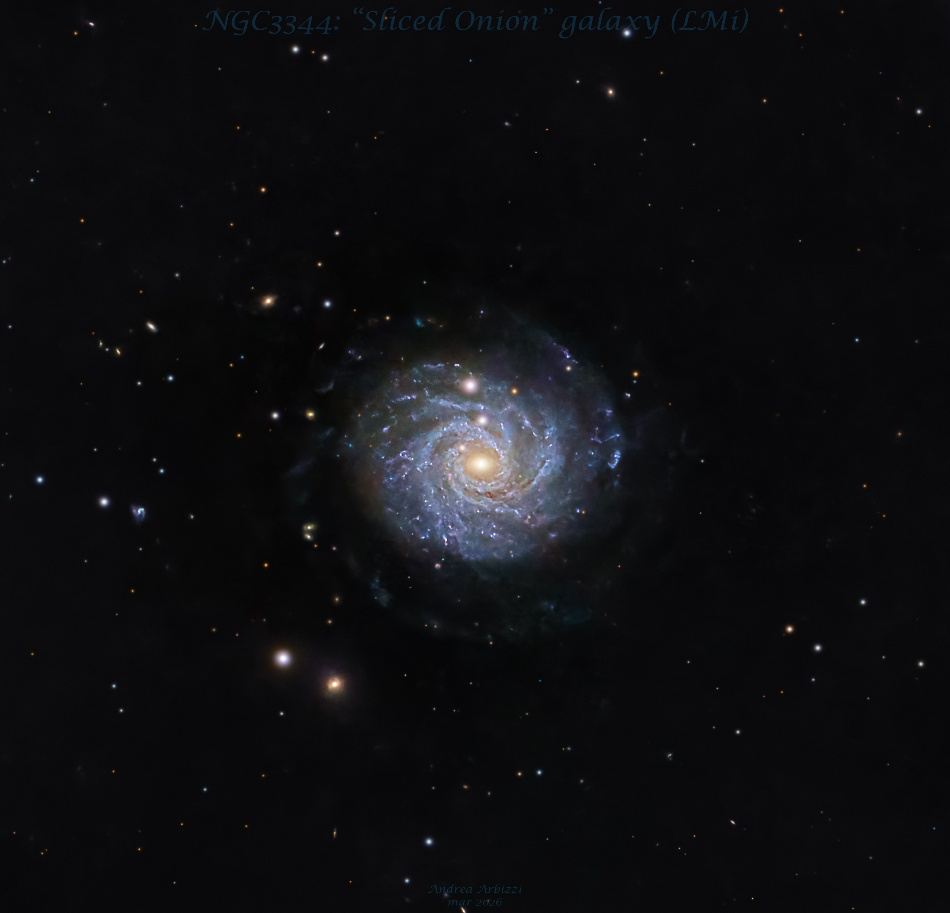
I live in one of the most light-polluted areas in the world, the Po valley in northern Italy. I usually take my photos from my backyard, which means a Bortle 7.5/8 sky at the zenith, with average SQM readings ranging from 18.5 during hazy summer nights to 18.8/18.9 in the cold season. For almost two years now, I’ve been practicing travelling dark-sky astrophotography, exploring mountains in search of good dark-sky spots, which I find to be the most vibrant, authentic, and beautiful aspect of this wonderful hobby. Being in the middle of nowhere, alone or with a friend, contemplating the beauty of the cosmos while the camera and the whole setup are collecting what I call “quality” photons, is an almost idyllic experience. It brings a deep sense of serenity and peace, restoring an incredible state of mental and physical well-being.
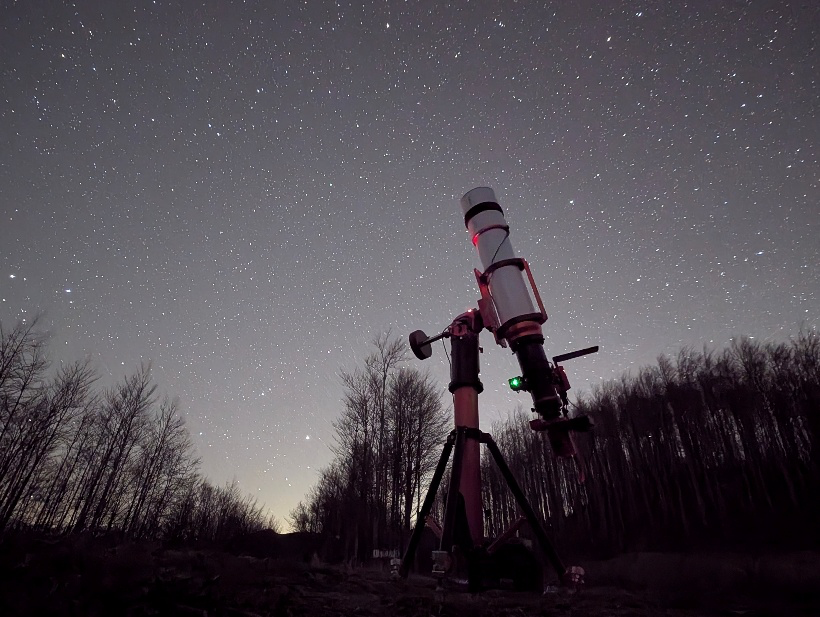
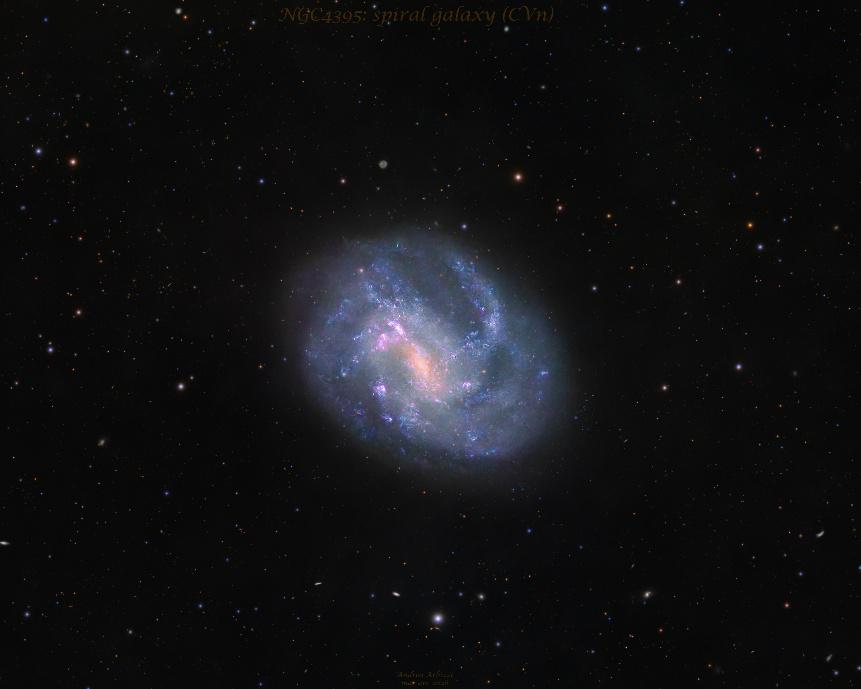
Astrophotography is a challenging hobby that requires patience, an endless, steep learning curve, financial investment, and plenty of time dedicated to studying and experimenting, not to mention sacrificing sleep. Above all, don’t get discouraged and learn to fully master your equipment. Remember that not everything will work out on the first try; the more photos you take, the better you will get at managing every aspect. Learning astrophotography takes a lot of time—it is a long-term investment in yourself, but eventually, it teaches you to believe much more in your own abilities. Even after you have learned to handle numerous hardware and software issues, there is always something new to learn, which enriches you and helps you grow. In the end, the satisfaction becomes that much greater.
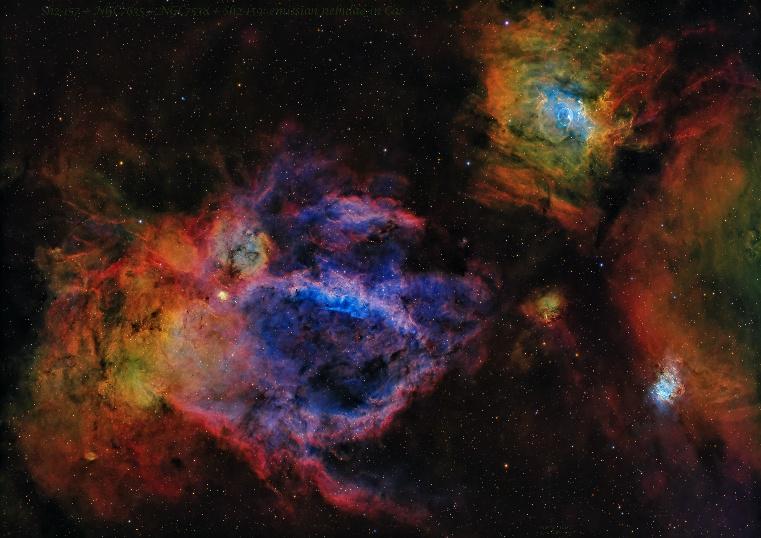
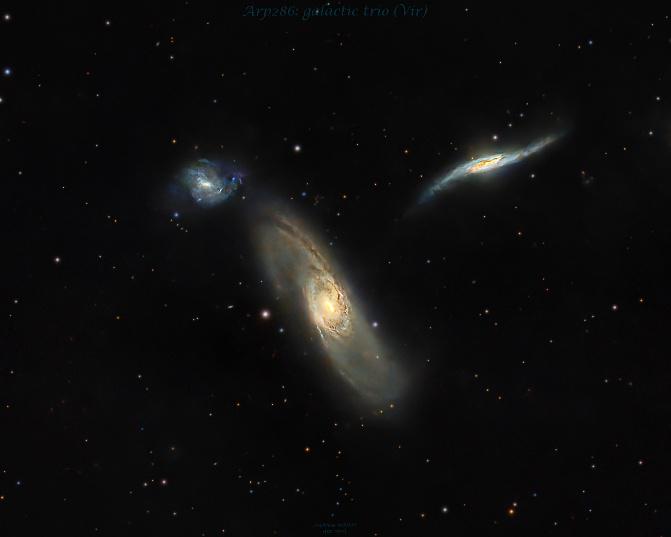
My usual post-processing workflow is the classic, well-established routine used by the majority of astrophotographers. Specifically, for calibration and stacking, I primarily use Astro Pixel Processor, then move on to PixInsight for gradient removal, than using RC Astro tools, and color calibration for broadband data. After that, I create two separate images, stars and starless, and stretch them individually. I do some further processing in PixInsight before exporting them as TIFF files to Photoshop. There, I continue processing the two images separately until I finally merge the stars back onto the starless image to obtain the final JPEG.
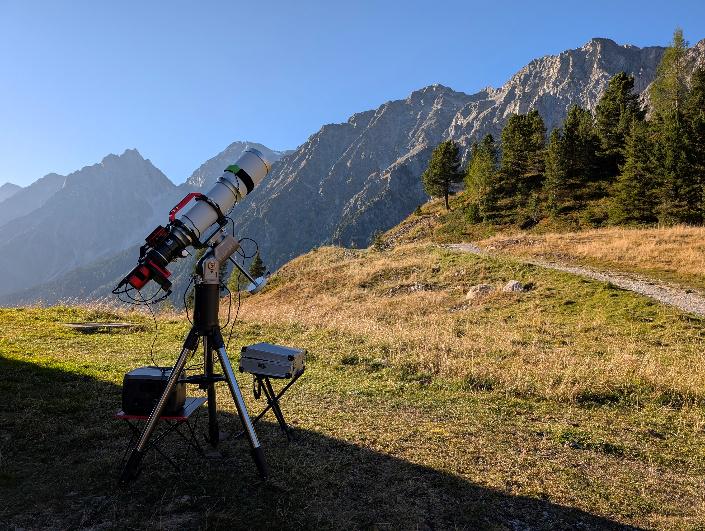
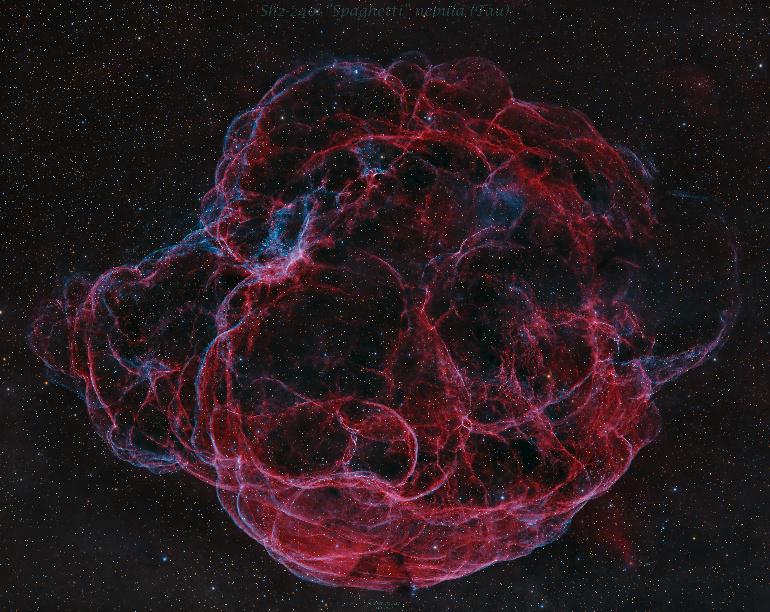
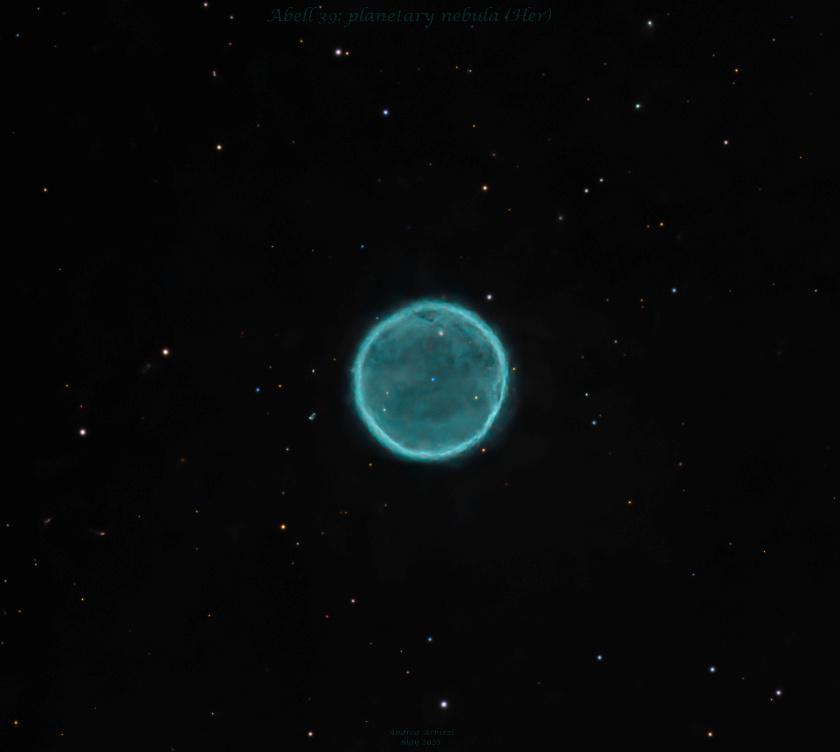
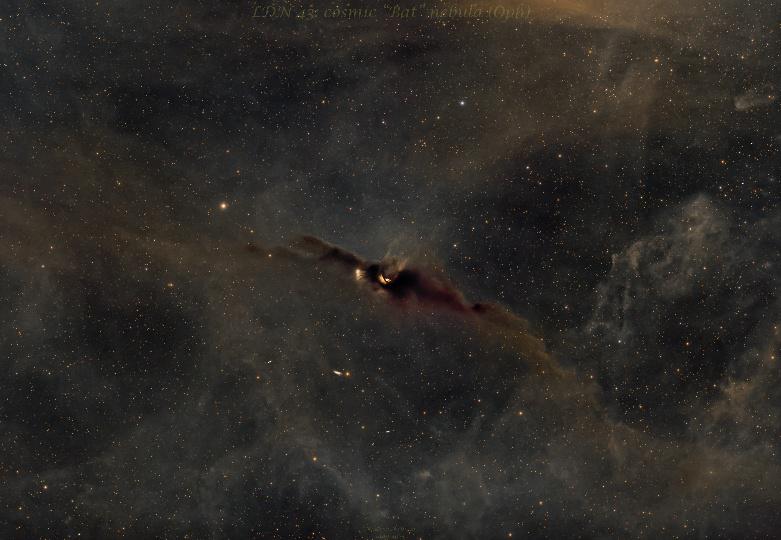
Some images require many hours from my backyard sky (more than 70 hours) because I used 3nm mono narrowband filters on an OSC camera, while other objects, such as globular clusters, require just a few hours and therefore much less effort. I don’t have one specific favorite subject, but I prefer to shoot the most challenging targets, which are dark and reflection nebulae. For these, I have to travel to the darkest skies during the new moon. Emission nebulae, on the other hand, are relatively easier because I can image them from my usual backyard sky using narrowband filters, even when the moon is out. Finally, galaxies and planetary nebulae are also challenging objects from my location because they are generally small and require different imaging techniques and filters.
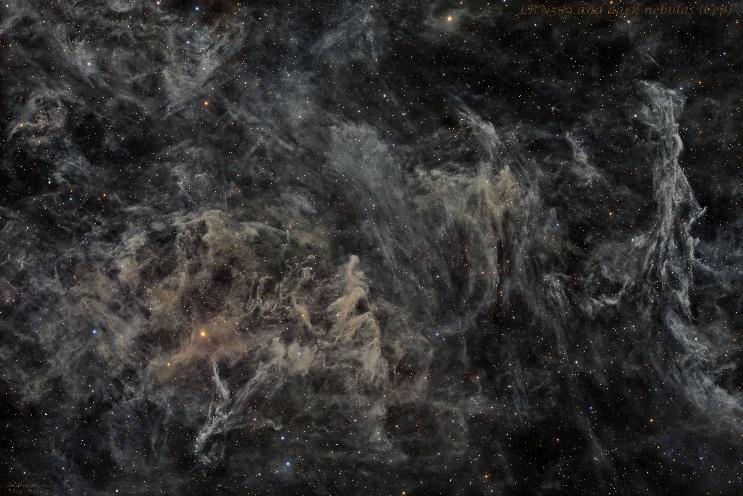
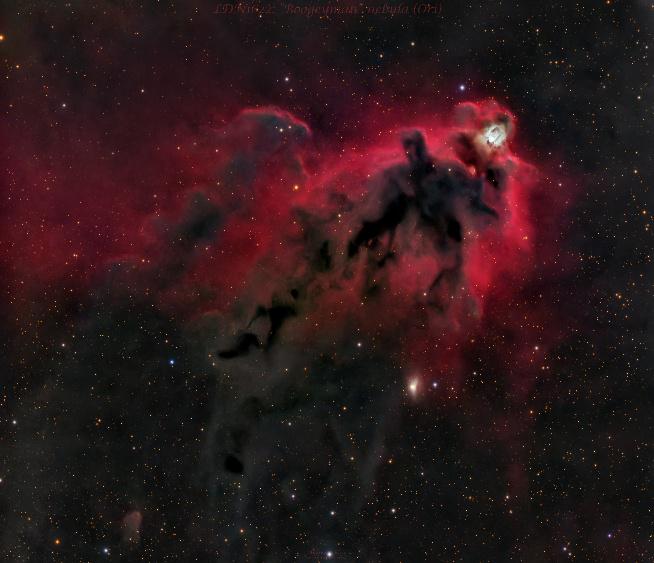
I’d also like to own a newtonian, but after trying a couple, I’ve always gone back to apochromatic refractors because, for my standards, standard newtonians tend to have poor mechanics. I hope my next telescope will be a mechanically high-quality newtonian with a faster and more stable collimation system. Will anyone ever be able to build one at a reasonable price? I would also love to see a polar auto-align feature on upcoming AM7 mounts soon. As for this year, I am really looking forward to heading down to a Bortle 2 sky in the French Alps at an altitude of 2,550 meters.
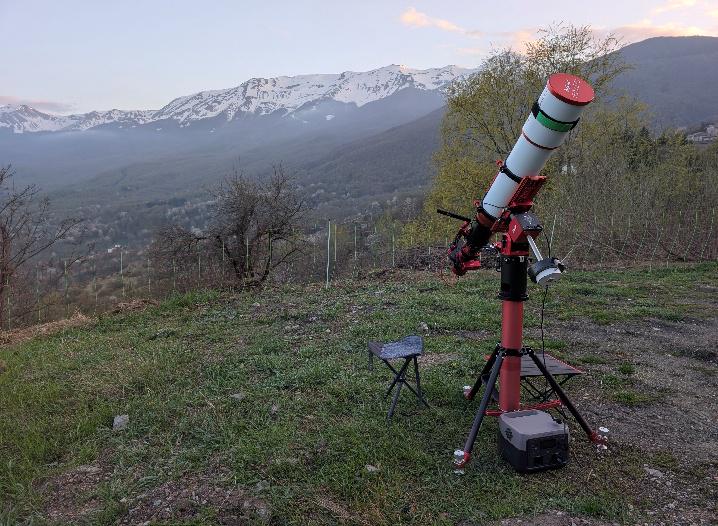
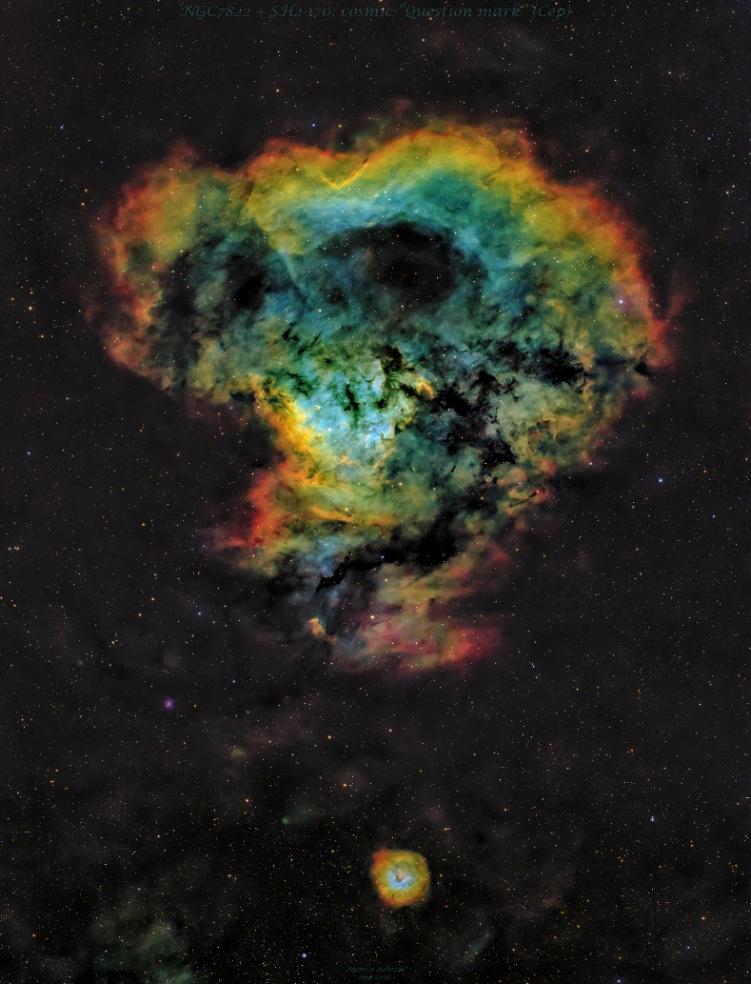
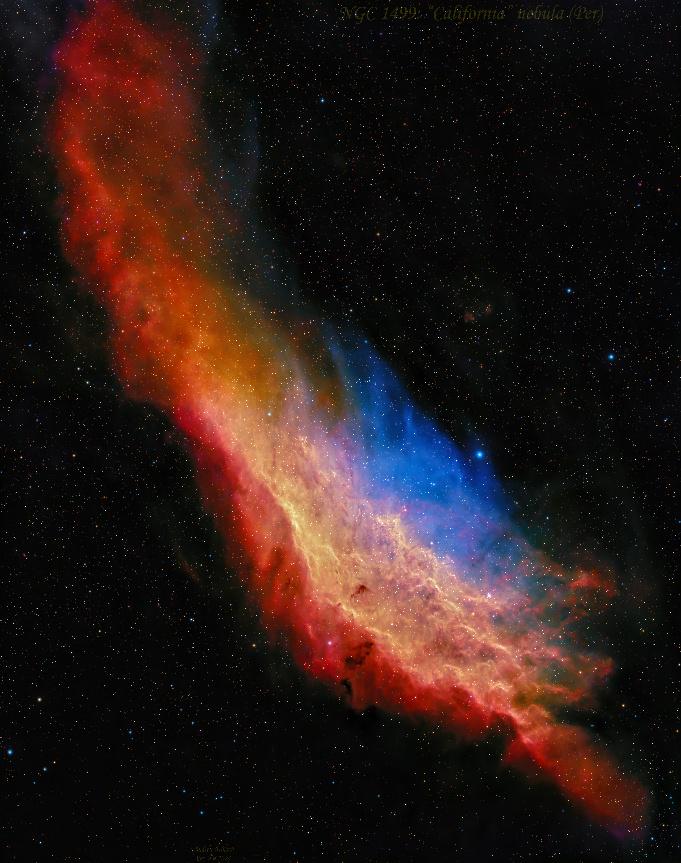
ZWO has given people worldwide the opportunity to practice astrophotography at a relatively low cost without sacrificing quality, allowing many of us to afford an entry-level setup for just a few hundred euros. The ASIAIR has revolutionized the way I, and many others, do and manage astrophotography in the field: much easier, quick and enjoyable.
I hope that one day ZWO will build a fully high-end smart telescope, featuring a premium main camera, an integrated guider, both dual-band narrowband and broadband filters, and a mini equatorial mount that self-aligns to the celestial pole—all in one compact piece. A truly standalone setup weighing around 8 kg, which would be easy to carry in a backpack to the darkest skies in the world.
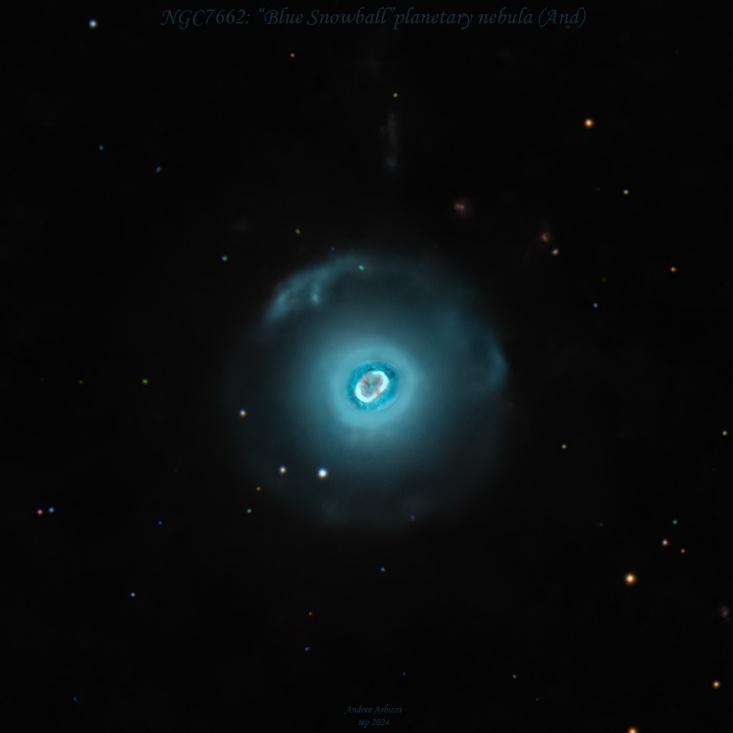
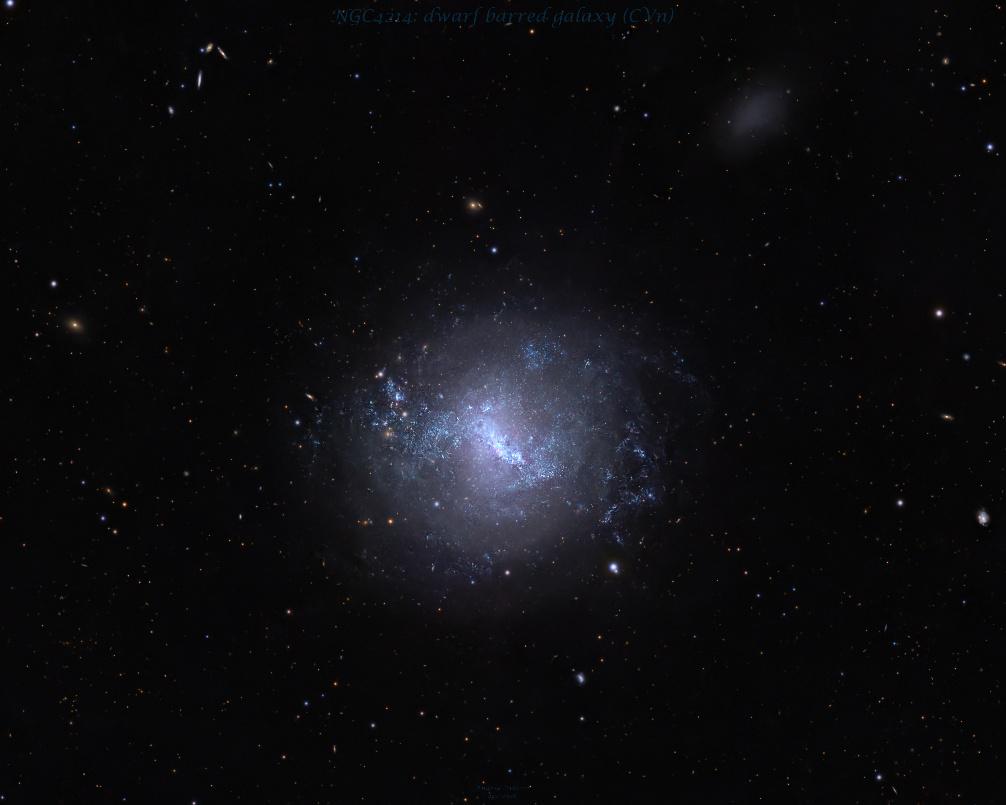
Recently, a major discovery by an international team of amateur astronomers and scientists has become a huge online hit, and this new discovery is just located in one of the
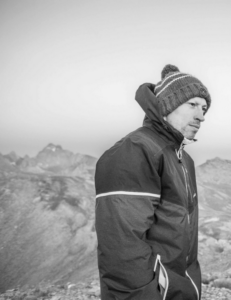
My name is Julien De Winter (@dwj85), and I live in Belgium. I am a Professor of Chemistry at the University of Mons, where my research focuses on mass spectrometry
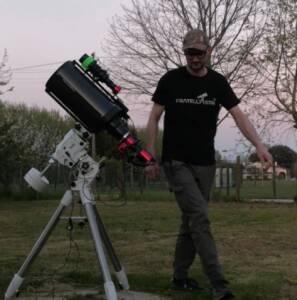
Hi! My name is Nicola Bugin and I live in a town in northern Italy called Borgoricco. I’m really happy that my photo of WR-134 has been so successful that
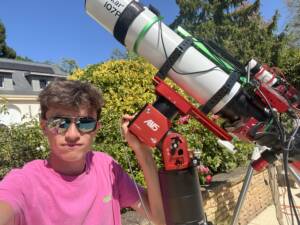
My name is Quentin (@_quentin_g), I am 17 years old, and I live in Nantes, in the west of France. I am currently in a French preparatory class for engineering
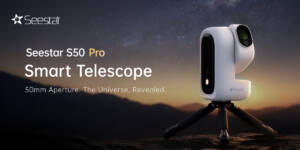
NEW PRODUCT LAUNCH Seestar S50 Pro Now Available: 50mm Aperture. Revealing More of the Universe 50mm Large Aperture · 4K Dual-Lens · One-Tap Post-Processing· Pro-Level Milky Way Shots · Up
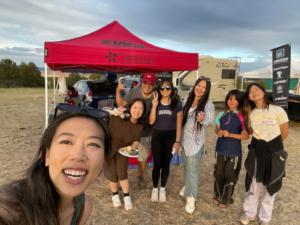
Golden State Star Party 2026 – Friends, Dark Skies, and Perseverance July 11–15, 2026 | Frosty Acres, Northern California Golden State Star Party welcomed astronomers from across California and beyond