
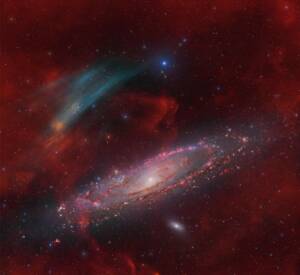
Discovery of the M31 [OIII] emission arc
Recently, a major discovery by an international team of amateur astronomers and scientists has become a huge online hit, and this new discovery is just located in one of the
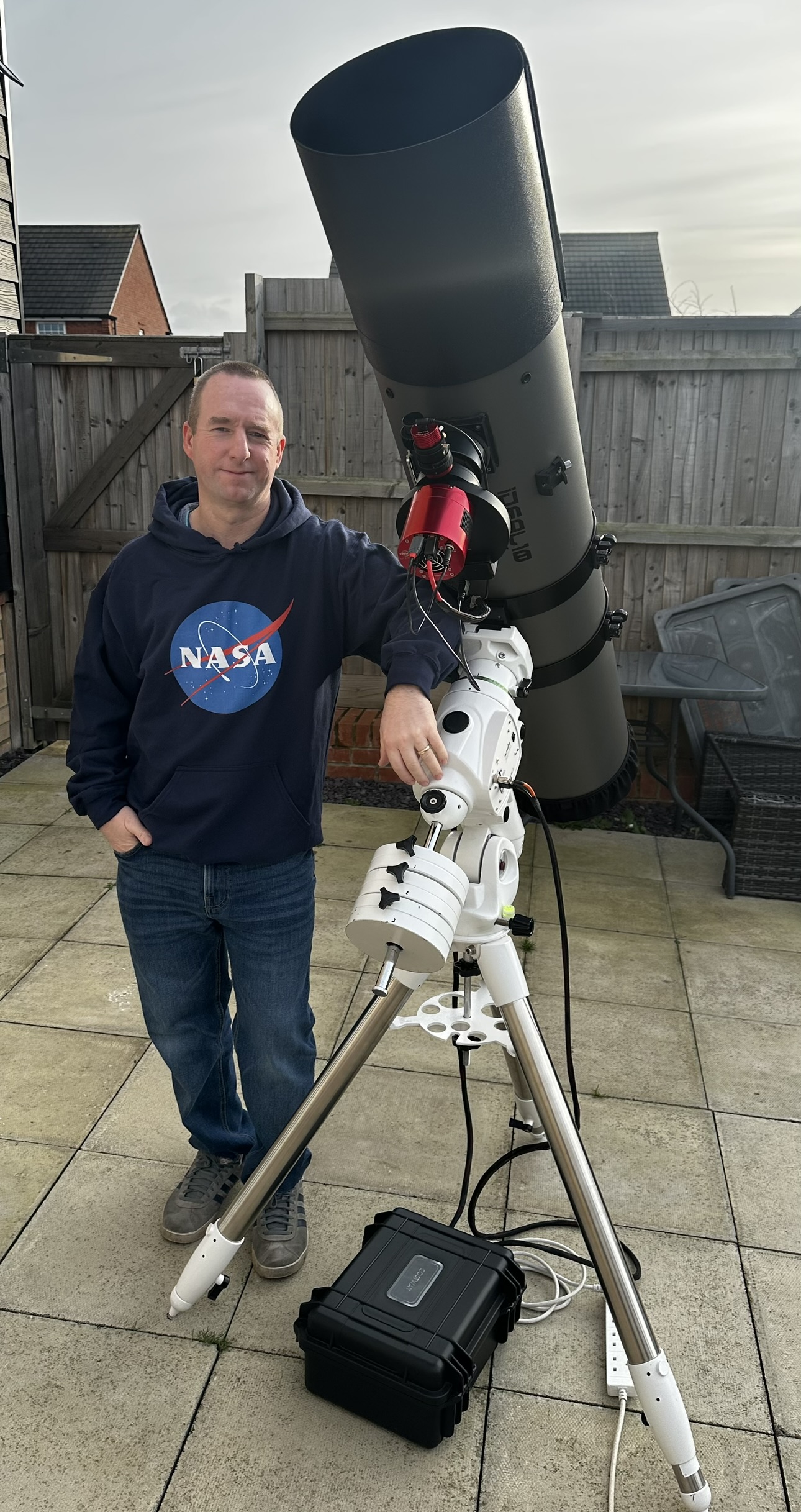
“My favorite moment is seeing that first frame appear on a new target. It’s still amazing to realize I’m capturing photons from something thousands of light-years away.” — Tom
Tom, an Audio Visual Technician from the UK who spends his days setting up sound and lighting for events—and his nights capturing the quiet brilliance of the universe.
Tom’s fascination with astronomy began unexpectedly. Years ago, his brother borrowed a Celestron C8 telescope from a colleague. “We had no idea how to use the equipment, but we set it up as best we could. Despite our inexperience, we manually moved the scope until Jupiter and its moons came into view—only to watch them drift out of the eyepiece moments later. It was absolutely mind-blowing. That brief glimpse sparked my fascination with the night sky and planted the seed for my interest in astrophotography, even though it would be many years before I truly pursued it.”
In July 2021, during the COVID-19 lockdown, Tom’s wife gifted him a Celestron AstroMaster 130EQ.
At first, he observed the Moon and planets visually, but curiosity soon pushed him further: “I wanted to see more than what visual observing allowed. That’s what motivated me to buy a camera and start imaging.” From that point, there was no turning back. “After owning the AstroMaster 130EQ for a few weeks, I wanted to take the next step and began capturing the night sky. I purchased a Sky-Watcher EQ5 GoTo mount along with a ZWO ASI178MC planetary camera, which allowed me to start imaging rather than just observing. Wanting to push further, I then upgraded to a ZWO ASI183MC cooled astro camera and a Sky-Watcher Evoguide scope. I was amazed by what I was able to capture and that experience fueled my passion even more.”
The Setup
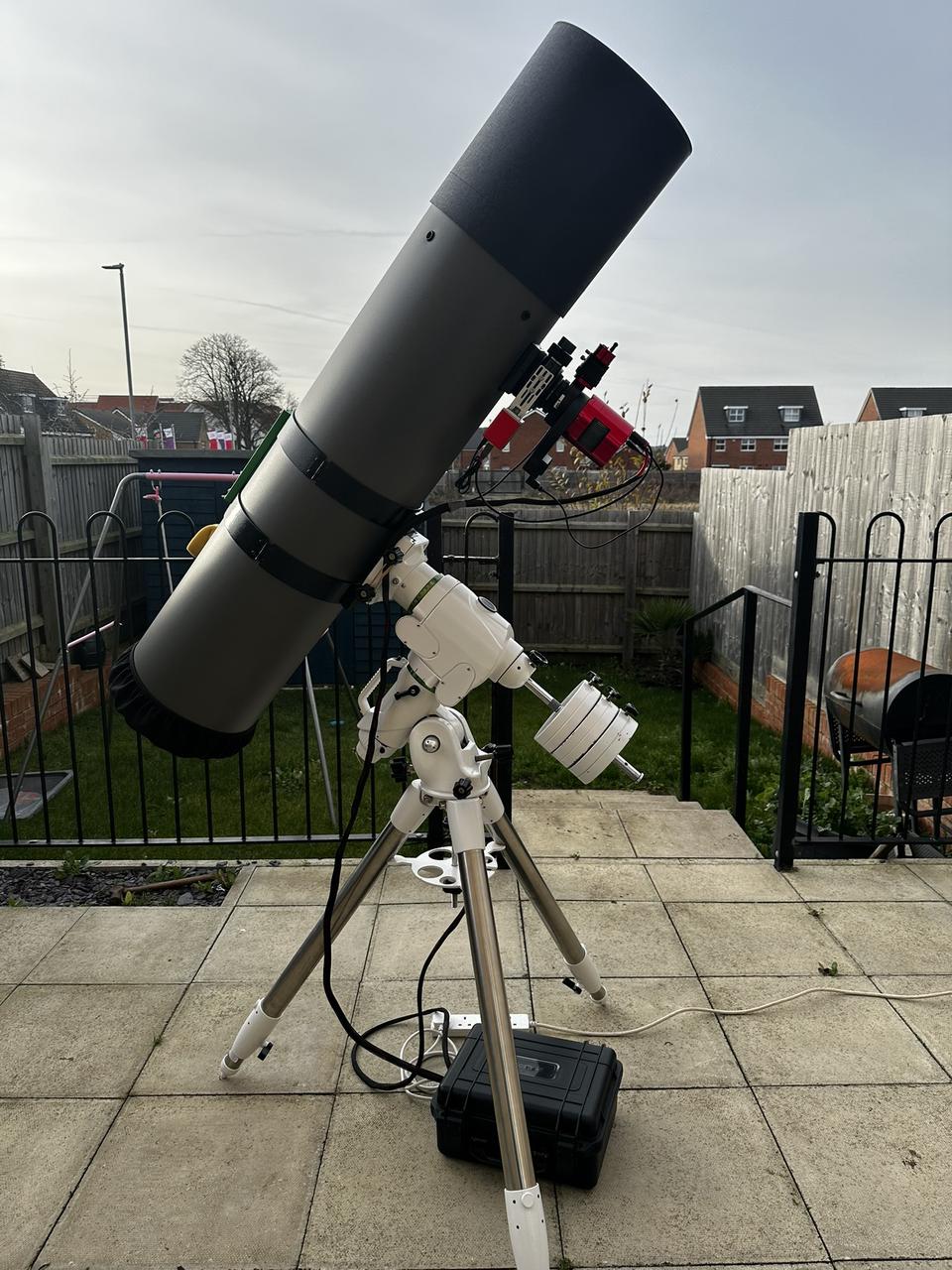
“My setup has evolved significantly over time. I moved from an 8-inch to a 10-inch Newtonian, which is now fitted with an AstroBiscuit “Betty’s” full front-end upgrade, including a 3-vane CNC spider and secondary mirror holder. This upgrade has made collimation much easier and more precise when used with an OCAL electronic collimator. I also transitioned from using a dedicated guide scope to a ZWO L-OAG, which eliminated flexure within the telescope tube and greatly improved guiding accuracy.”
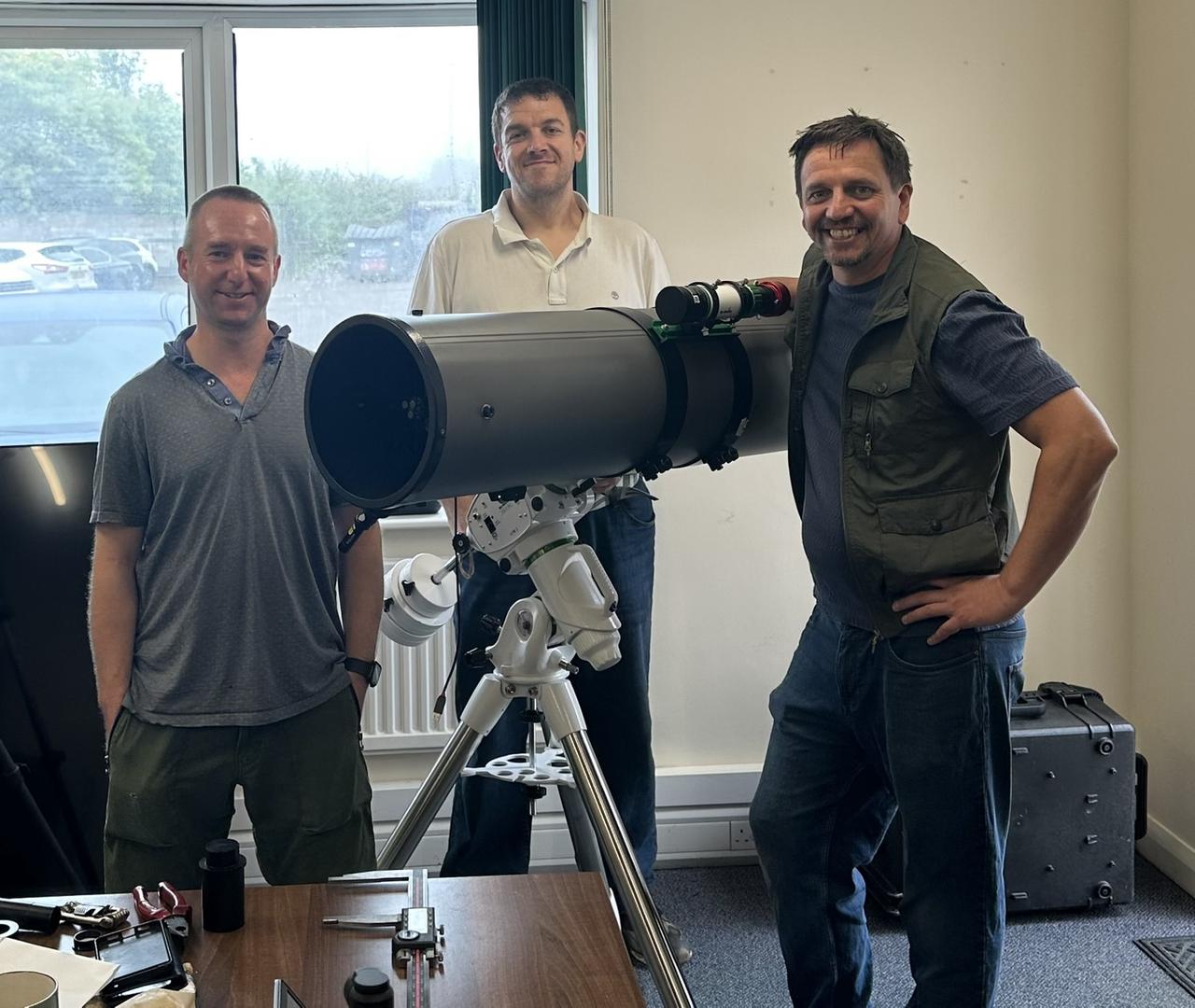
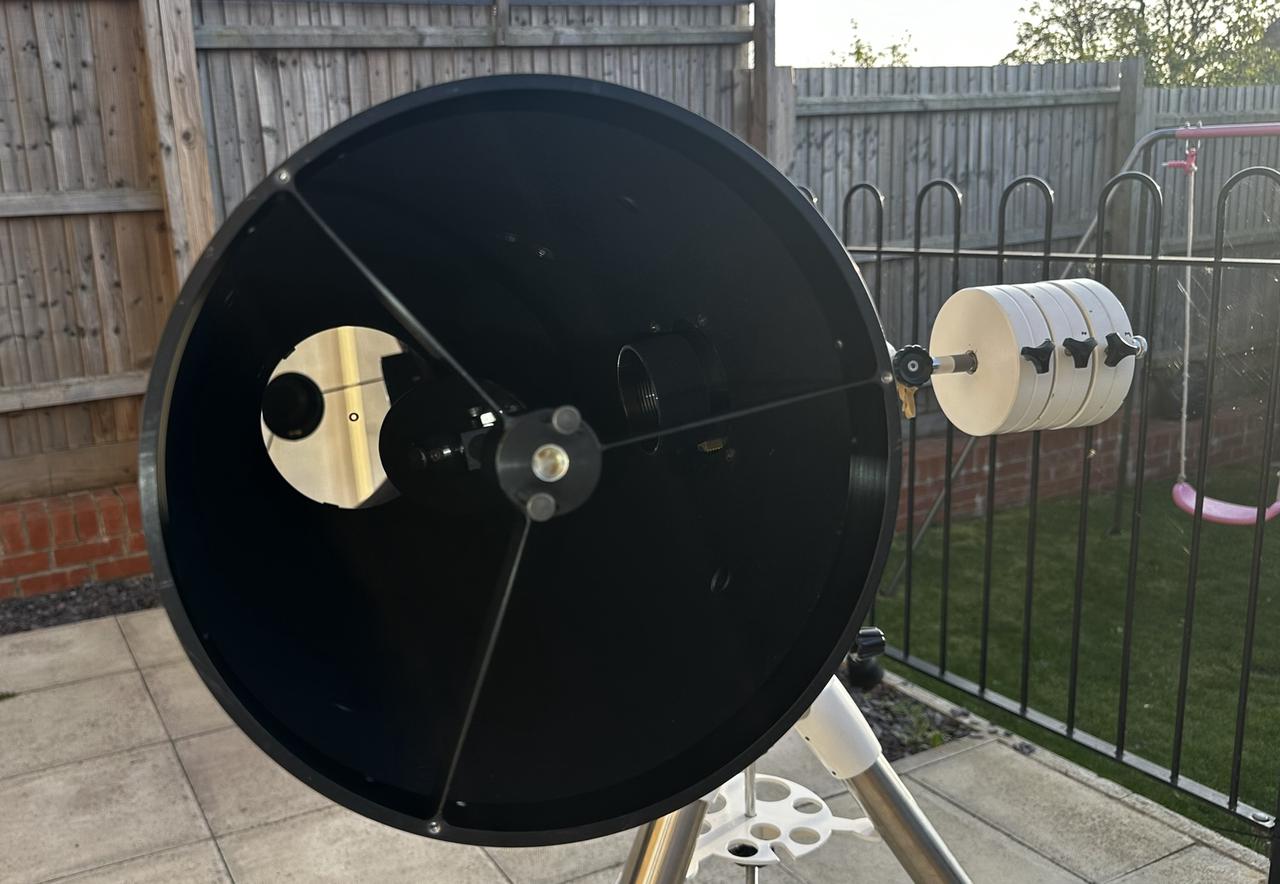
He describes his system as “high-resolution, low-noise, and fully automated”—capable of capturing broadband and narrowband data with precision.
When he switched from the ASI2600MC Pro (color) to the ASI2600MM Pro (mono) in early 2025, everything changed: “That transition unlocked an entirely new level of control and creative freedom. Building SHO and LRGB palettes became a completely different experience.”
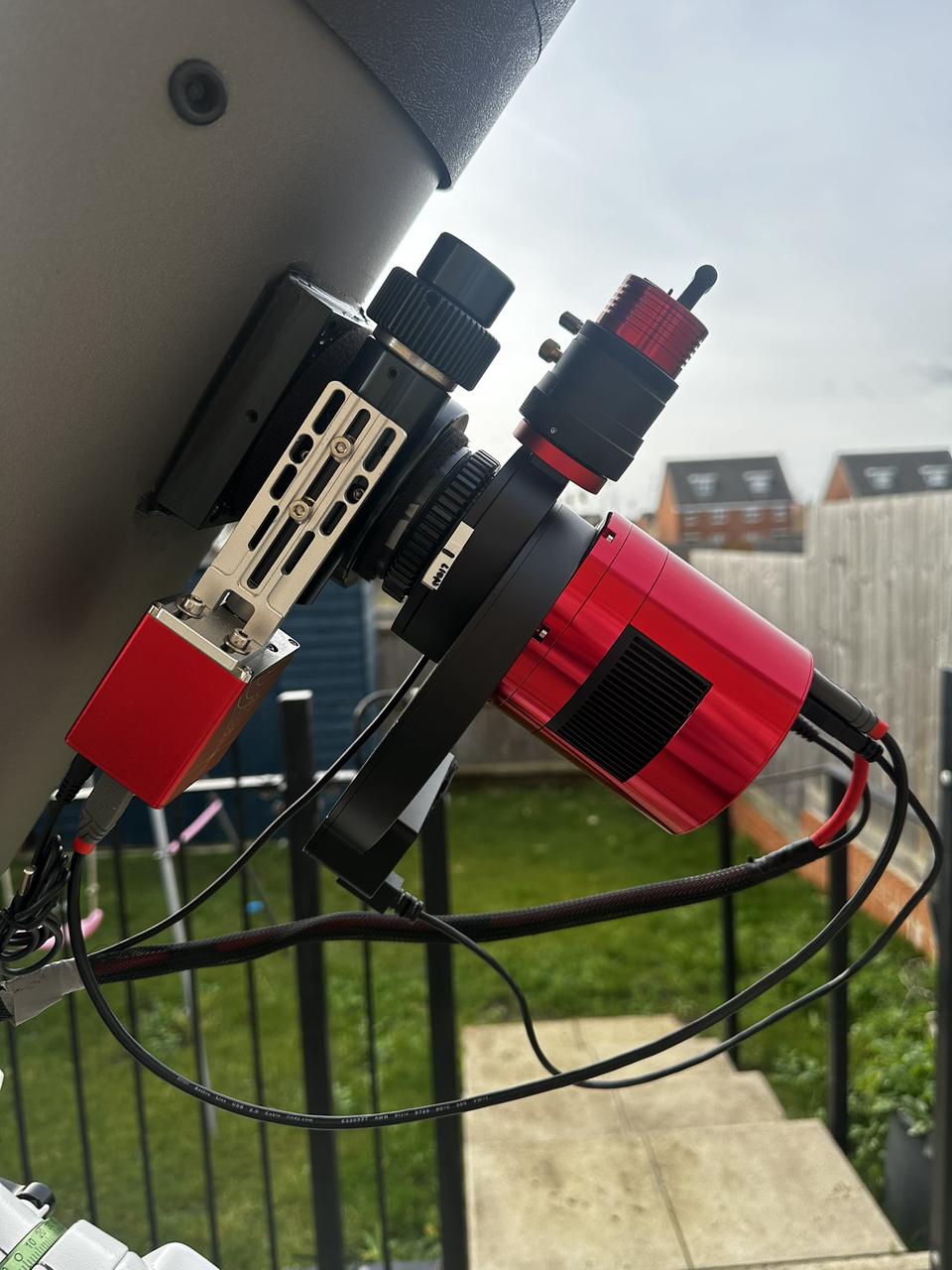
Tom works from his Bortle 5 backyard in Leighton Buzzard, north of London—where clear skies are rare and streetlights plentiful. Still, he embraces the challenge: using 3nm narrowband filters to cut through light pollution, careful polar alignment, and meticulous guiding. “Each setback—weather, tech issues, processing mistakes—has been a chance to learn. Mastering the basics makes all the difference.”
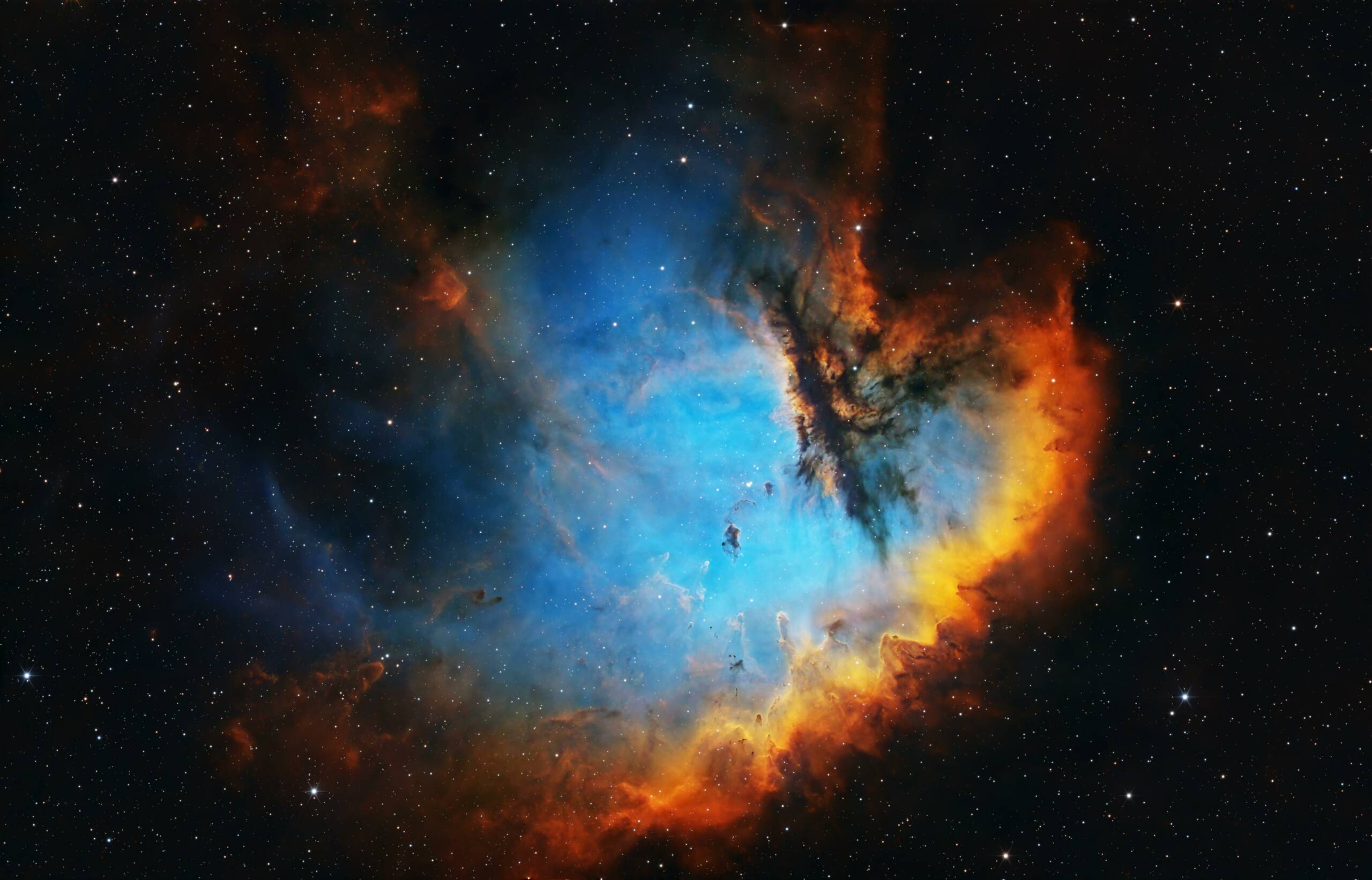
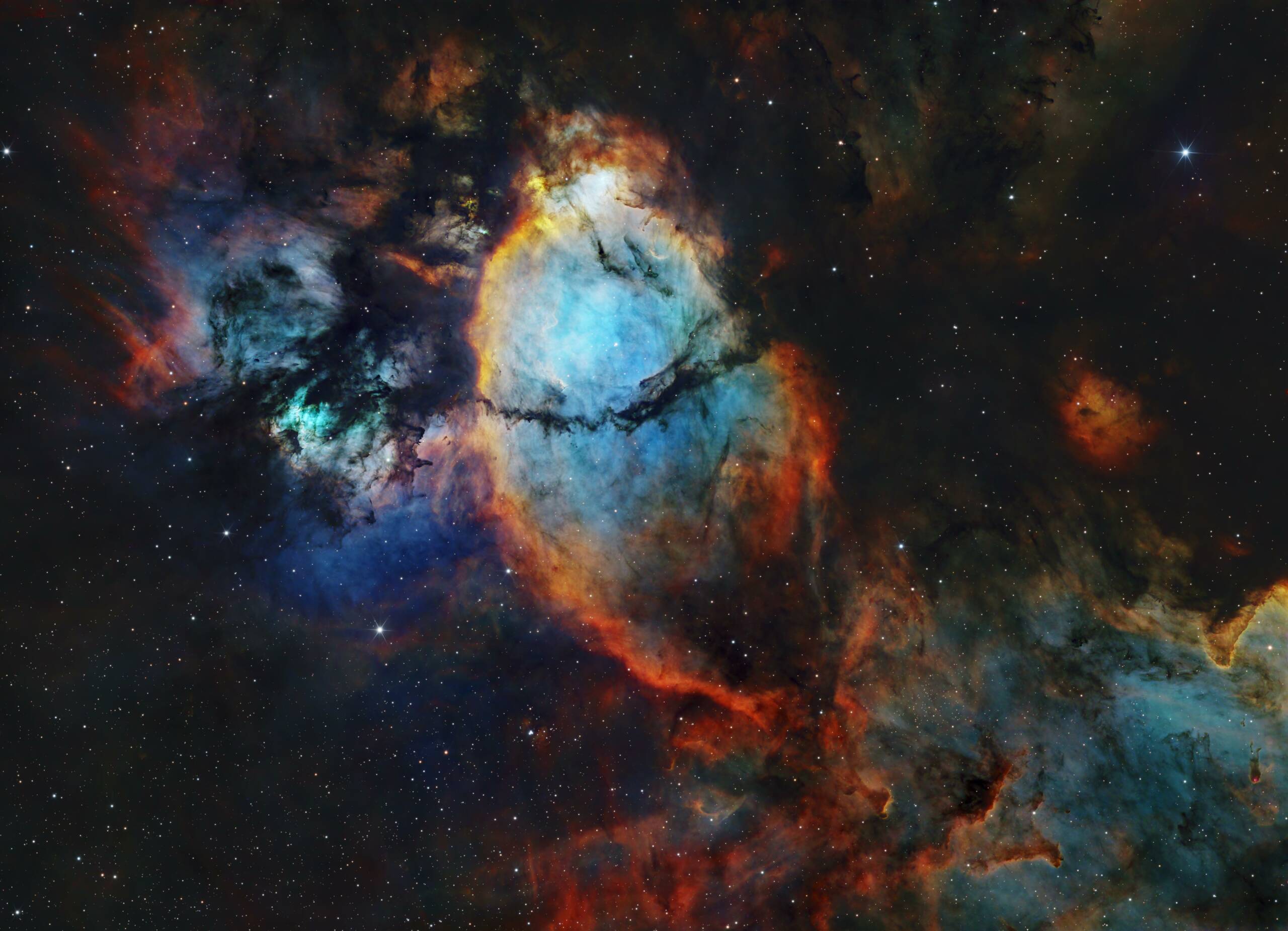
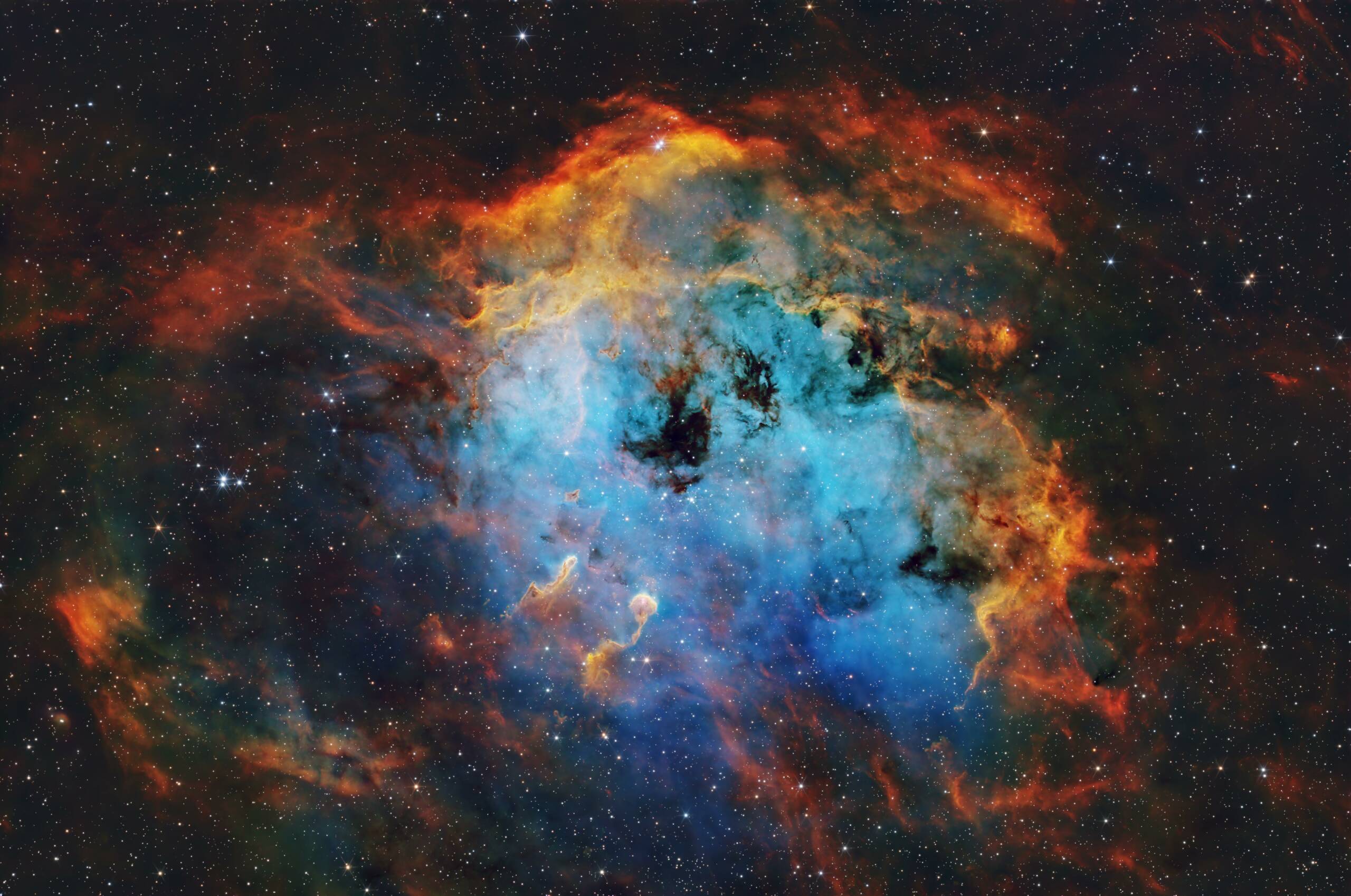
Among his proudest works is his Bubble Nebula project, originally framed wide and later cropped tight for extreme detail. “While Hubble will always win on resolution,” Tom laughs, “I’m proud of what I’ve been able to achieve from my back garden.”
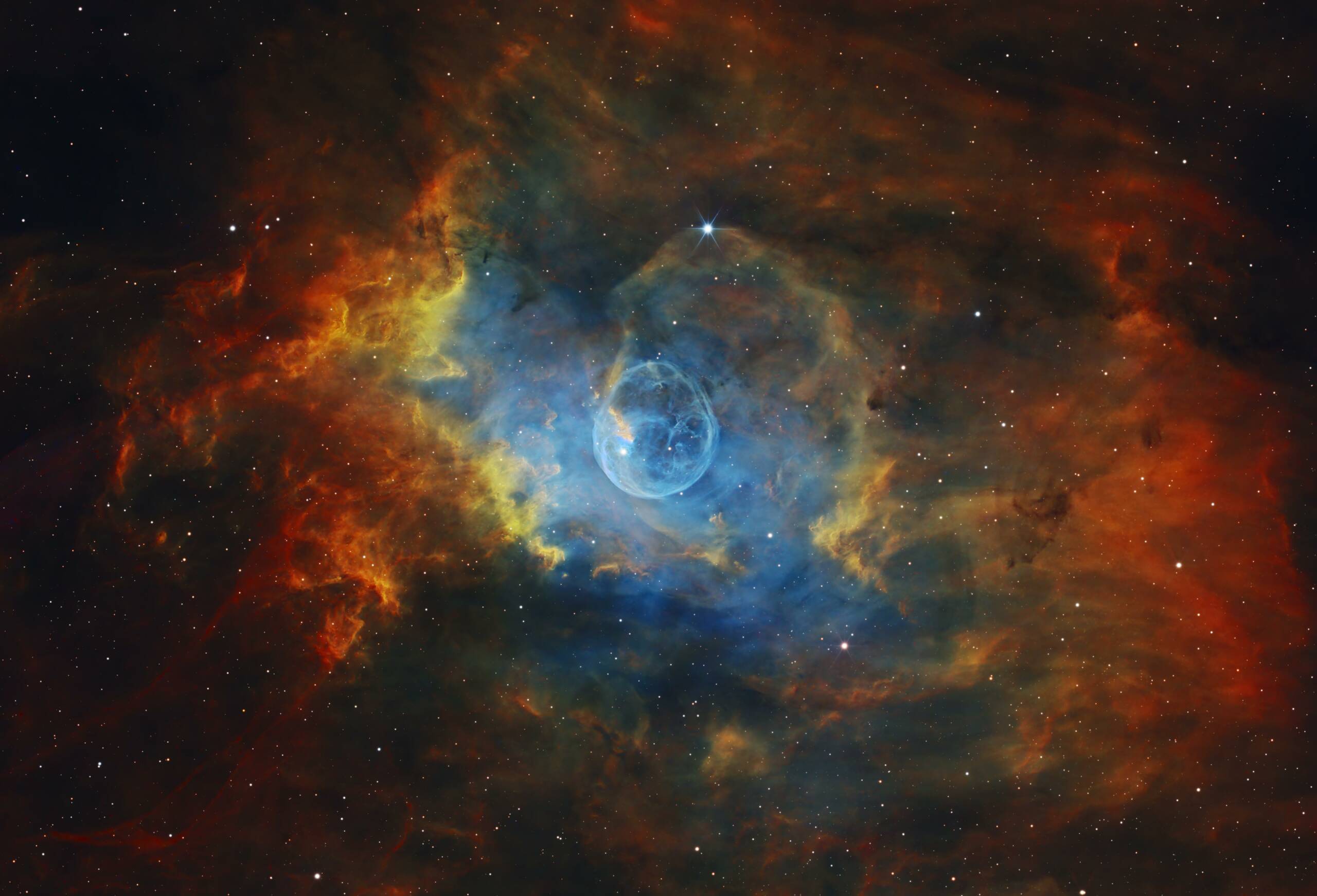
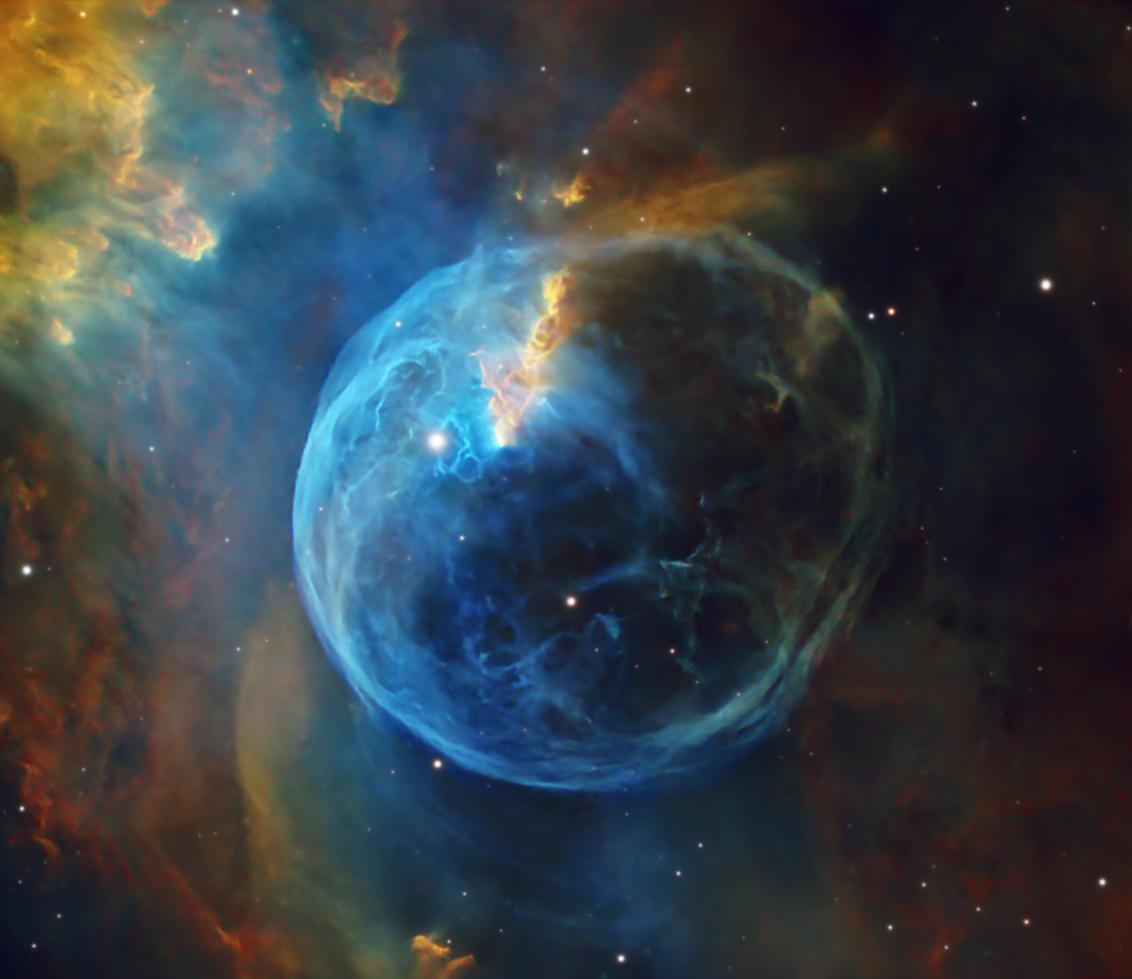
That image, created with over 50 hours of integration time,”From my perspective, it reflects how far I’ve come as an astrophotographer: capturing fine detail from a light-polluted back garden through careful planning, long integration times, and increasingly refined processing techniques.”
“My most unforgettable night was when I aimed my first astrophotography setup at my very first target nebula—M42, the Orion Nebula. As the first 300-second frame appeared on my laptop screen in SharpCap, captured with a ZWO ASI183MC cooled astro camera, I could hardly believe I was collecting light from an object 1,500 light-years away. My favorite moment is seeing the first frame appear on a new target. It’s still remarkable to realize that I’m capturing photons from a deep-sky object thousands of light-years away. I also enjoy the post-acquisition stage—stacking the data to improve signal-to-noise ratio and then combining the channels, where the integrated image begins to emerge during processing.”
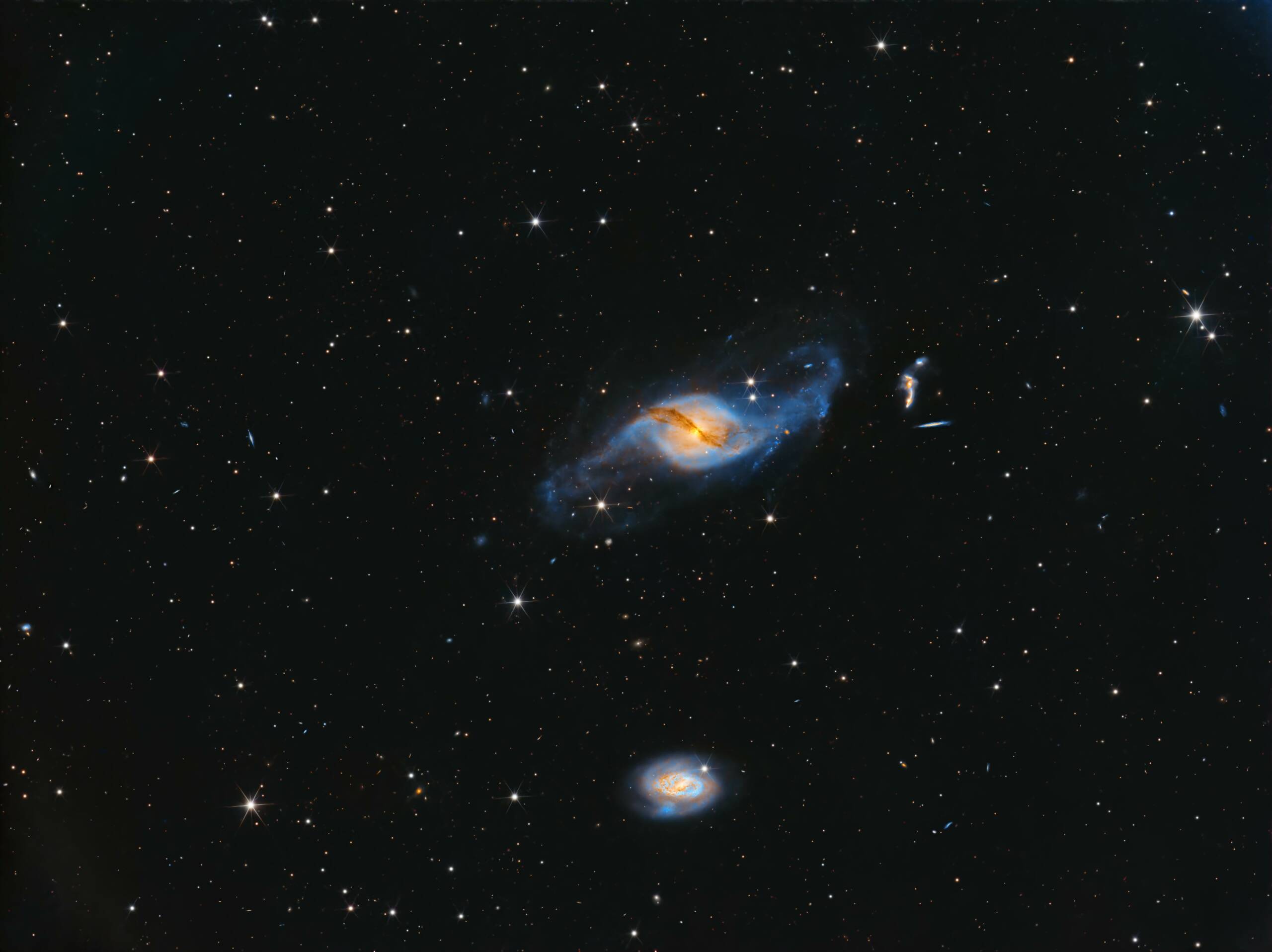
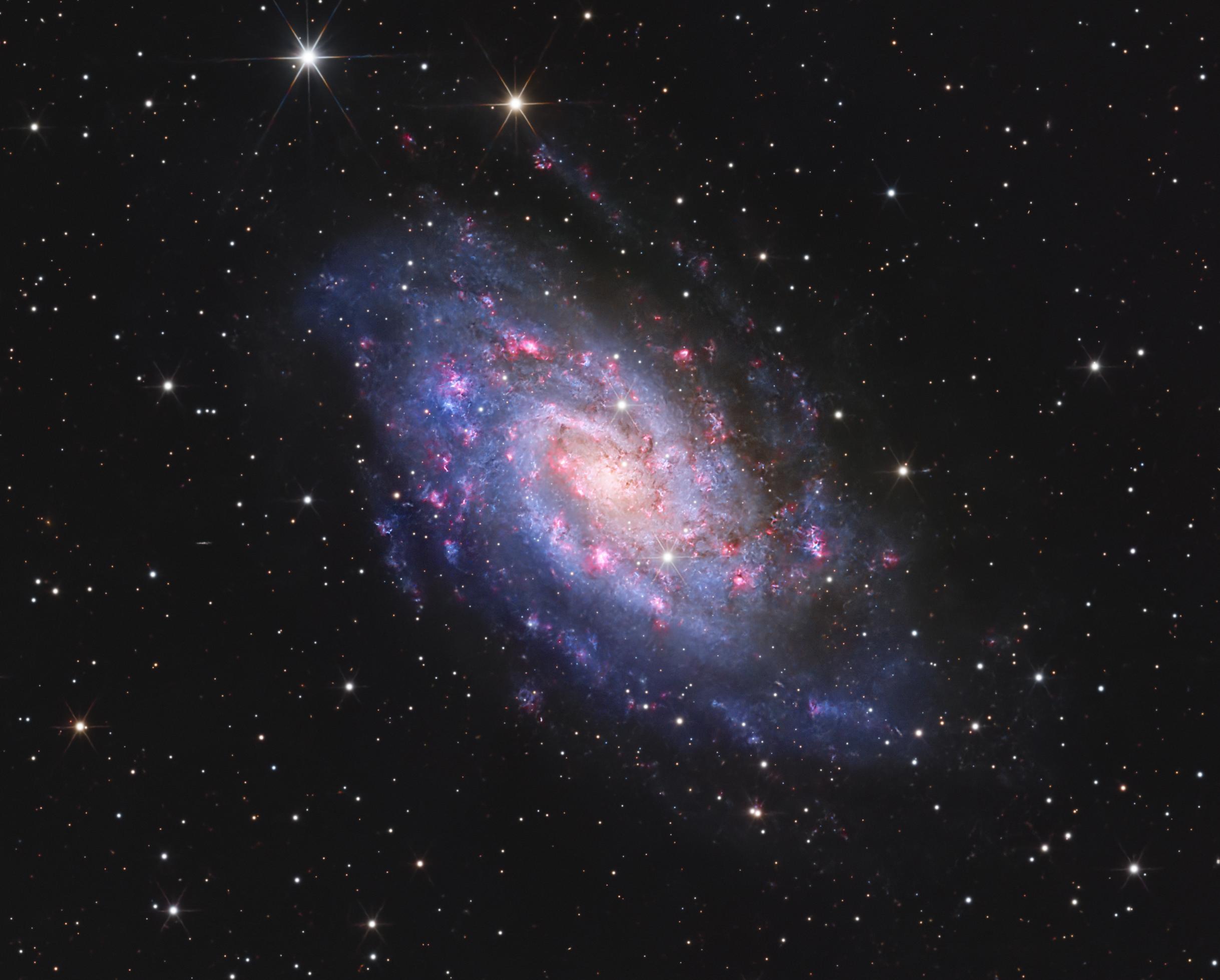
Tom has learned that mastering the fundamentals — such as polar alignment, collimation, and guiding — has a far greater impact on image quality than any single piece of equipment. Every setback, whether caused by weather, technical issues, or processing mistakes, has become an opportunity for him to learn and refine his craft.
When processing his data, Tom begins by inspecting the raw subframes in PixInsight using FITS Viewer or Blink to check for quality issues such as satellite trails, passing clouds, bloated stars, or poor guiding. Once the data is clean, he proceeds to stacking in PixInsight.
For each filter, his workflow starts with cropping and gradient correction, followed by a precise sequence of PixInsight tools:
He then combines the Ha, SII, and OIII channels using the Astrcitas AutoPalette script to create an SHO palette, and applies SetiAstro Statistical Stretch to make the image non-linear.
Once the image is stretched, Tom enhances the details using:
For the stars, he relies on the SetiAstro NB to RGB Stars tool. After stretching the stars to a non-linear state, he recombines them with the starless image, bringing together a balanced and refined final composition.
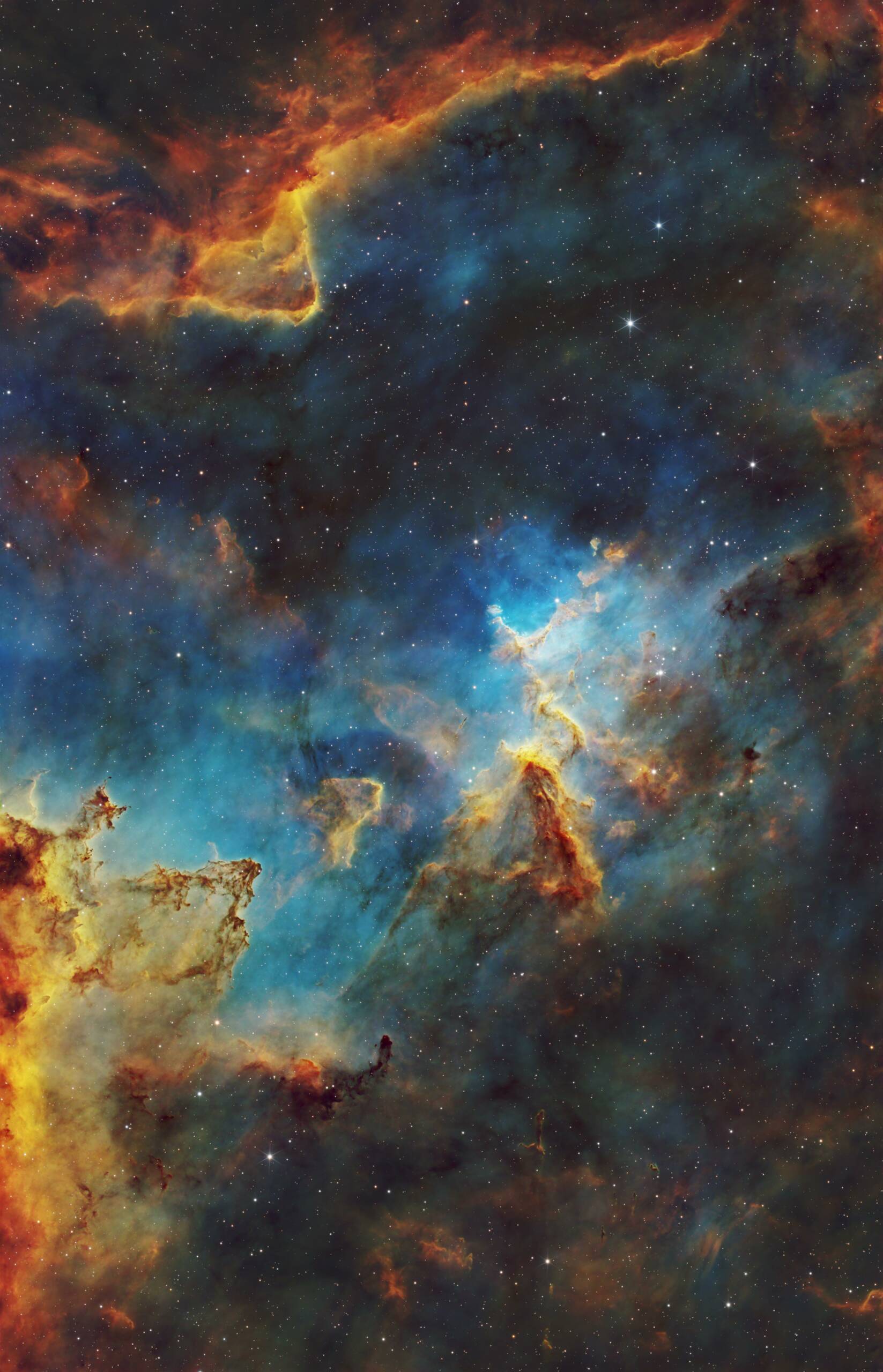
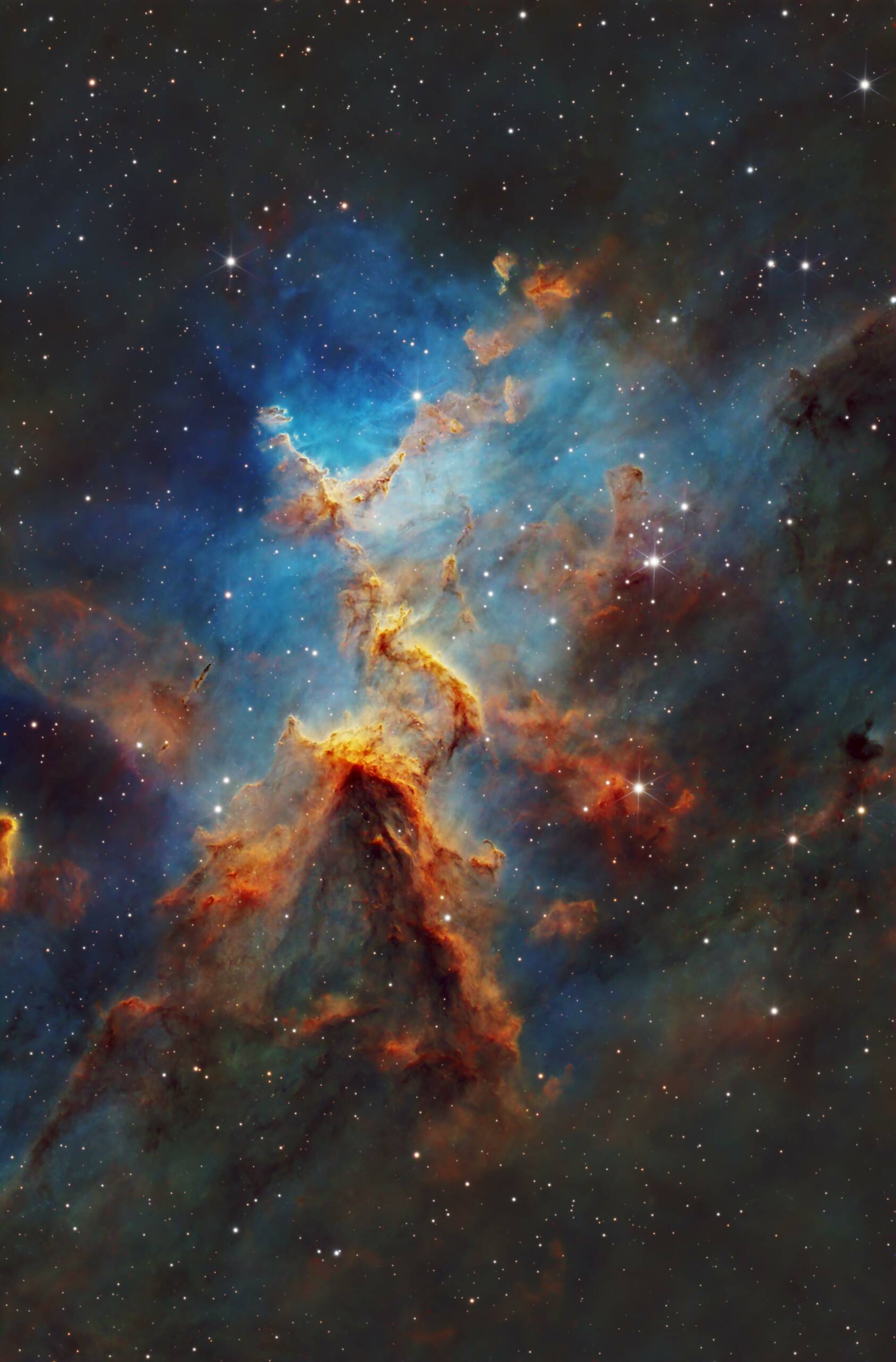
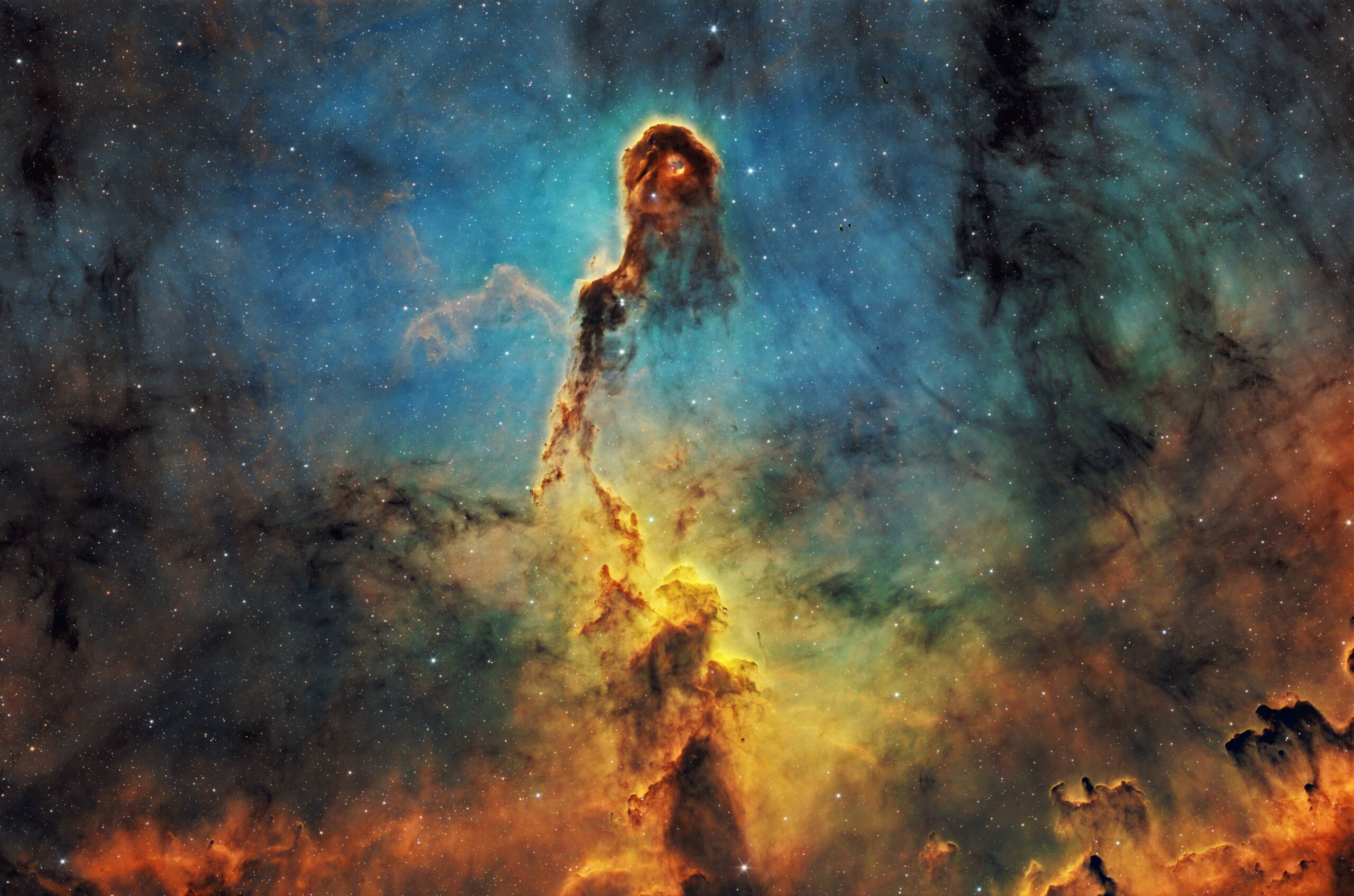
Tom hopes to build a small observatory for remote operation and try the ZWO AM5N Harmonic Mount for more portable imaging under darker skies. He’s also planning a three-panel mosaic of the Soul Nebula in SHO, weather permitting. “Every time I upgrade or revisit a target, I discover something new. The universe never runs out of surprises.”
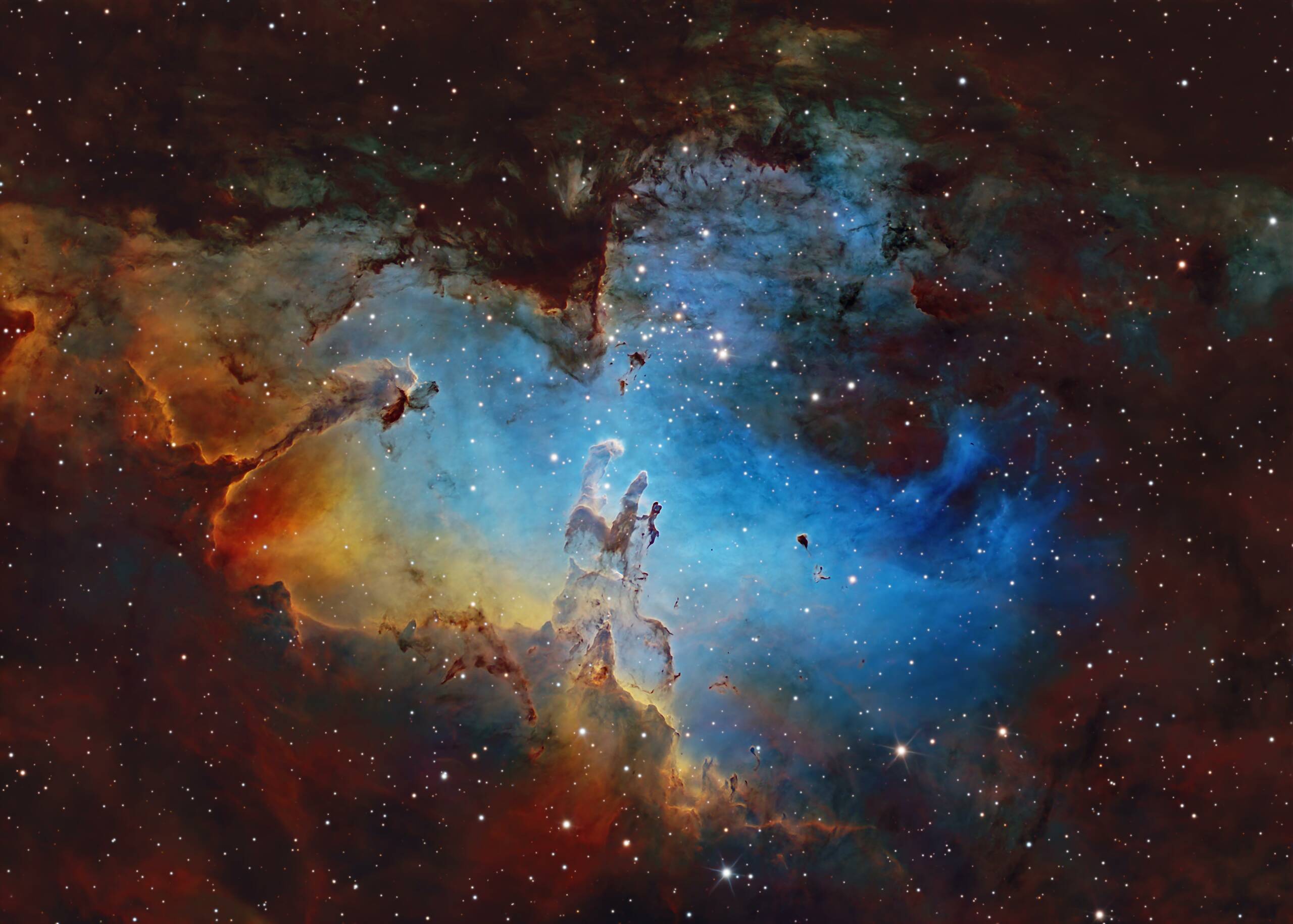
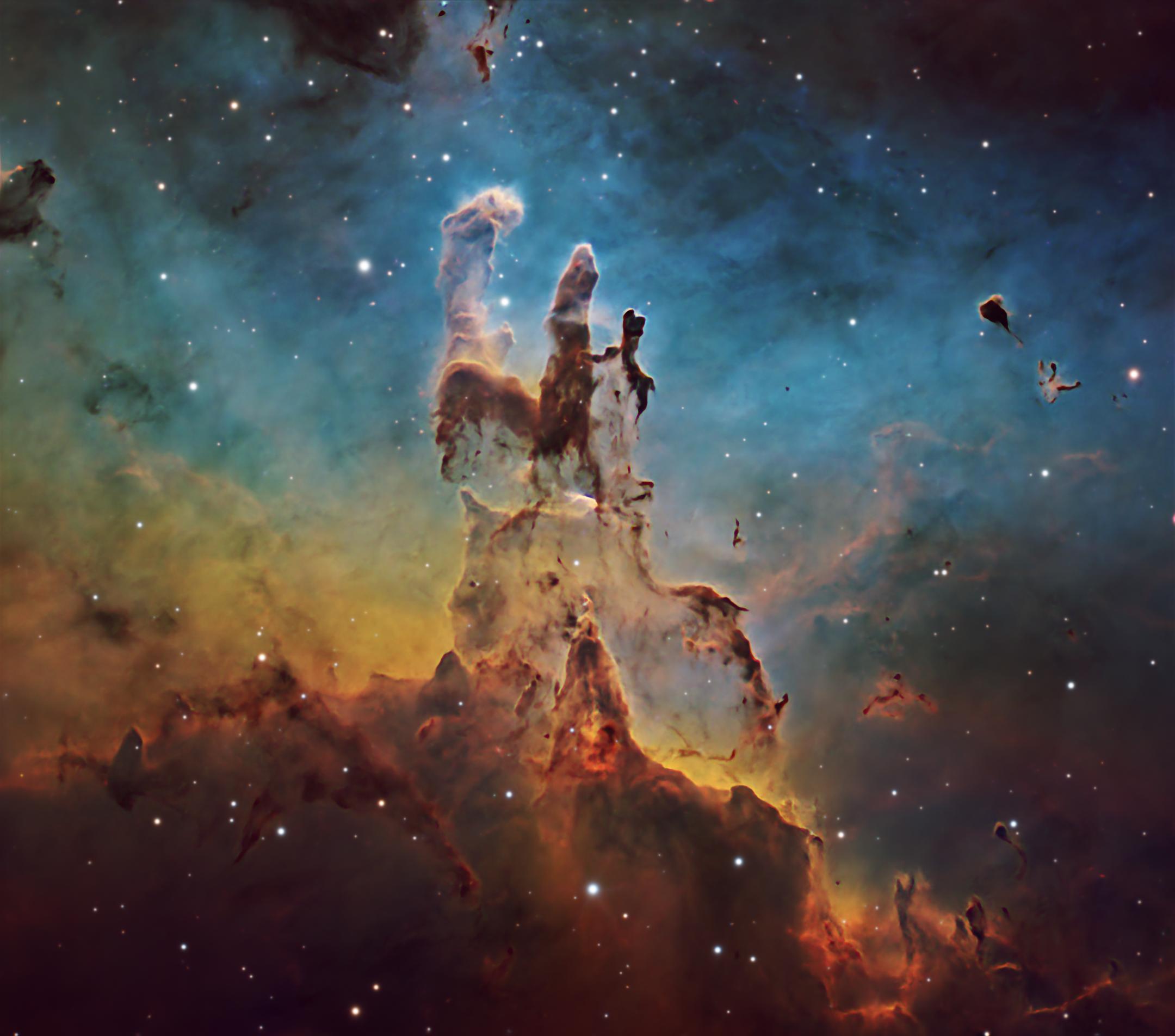
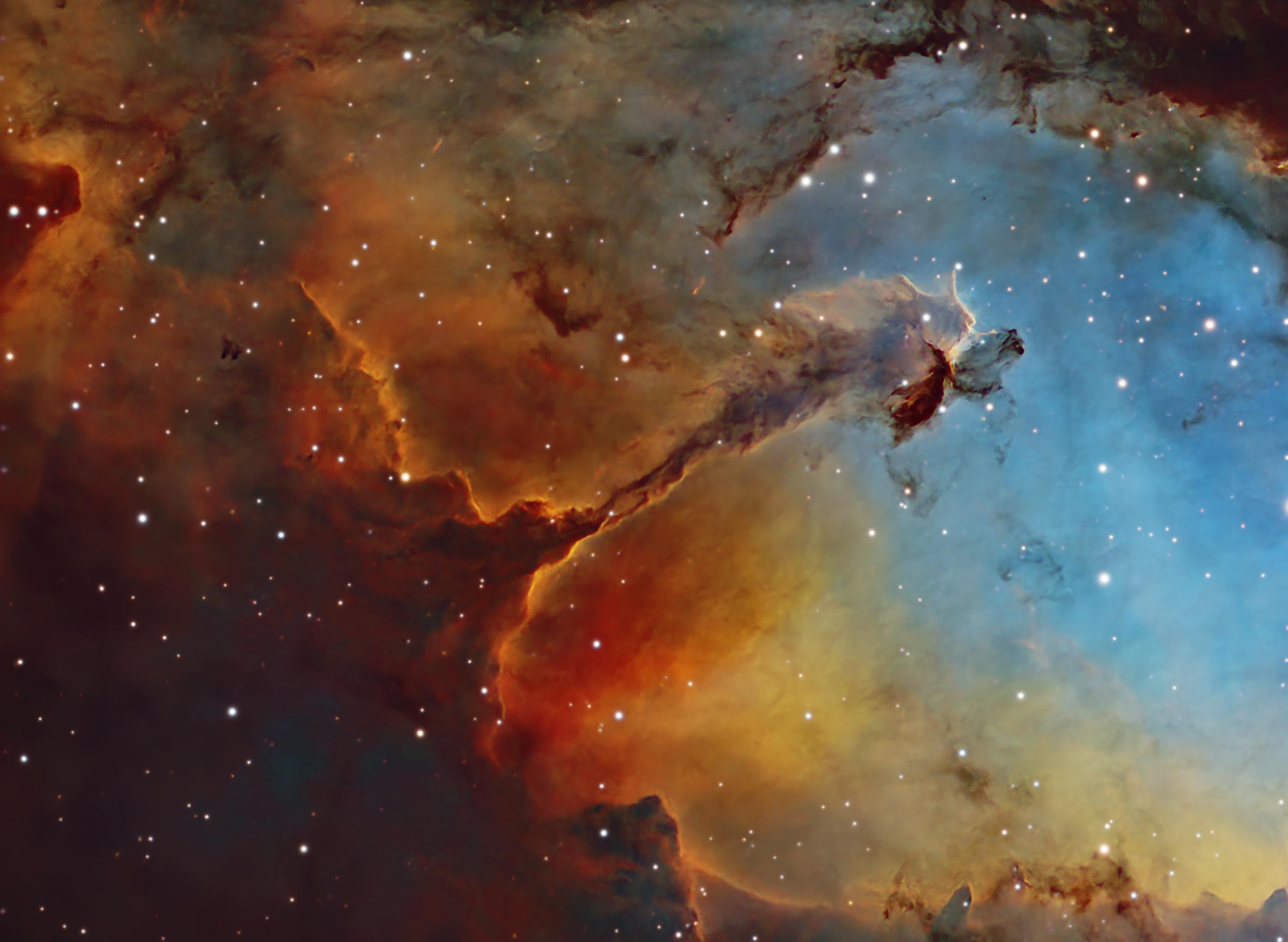
Tom’s setup is powered almost entirely by ZWO:
ASI2600MM Pro, ASI220MM Mini, OAG-L, EAF, EFW, and more—all working together seamlessly. “ZWO products are well-engineered and purpose-built. The compatibility between cameras and accessories makes everything easier—from capture to automation.”
Tom’s story is proof that you don’t need perfect skies or professional observatories to achieve great results. “This journey has taught me that patience is everything. Even under the British weather, there’s always something new waiting above the clouds.”
Want to explore Tom’s astrophotography in full detail?
You can view all his images in full resolution on his galleries:
AstroBin: https://app.astrobin.com/u/TomPrescott#gallery
PicAstro: https://picastro.co.uk/profile/MjgzMQ==
Recently, a major discovery by an international team of amateur astronomers and scientists has become a huge online hit, and this new discovery is just located in one of the
Hi! My name is Nicola Bugin and I live in a town in northern Italy called Borgoricco. I’m really happy that my photo of WR-134 has been so successful that
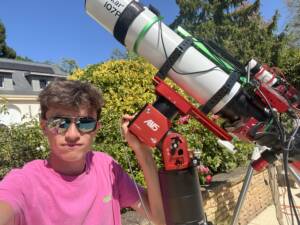
My name is Quentin (@_quentin_g), I am 17 years old, and I live in Nantes, in the west of France. I am currently in a French preparatory class for engineering
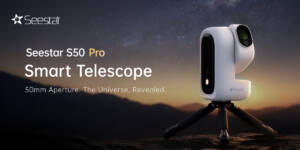
NEW PRODUCT LAUNCH Seestar S50 Pro Now Available: 50mm Aperture. Revealing More of the Universe 50mm Large Aperture · 4K Dual-Lens · One-Tap Post-Processing· Pro-Level Milky Way Shots · Up
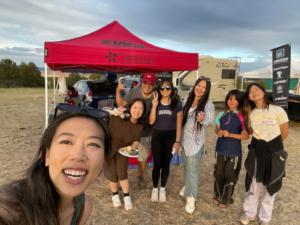
Golden State Star Party 2026 – Friends, Dark Skies, and Perseverance July 11–15, 2026 | Frosty Acres, Northern California Golden State Star Party welcomed astronomers from across California and beyond
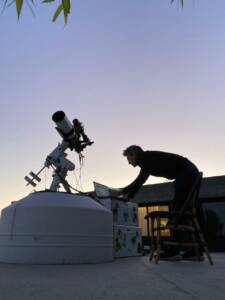
What first made you look up at the night sky and want to photograph it? Hi, I’m Nicolas Paladini. I’ve always been fascinated by space and the endlessness of the