What first made you look up at the night sky and want to photograph it?
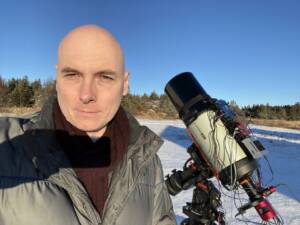
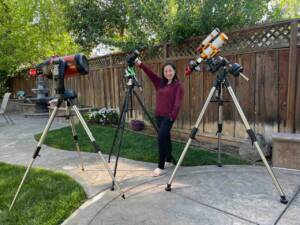
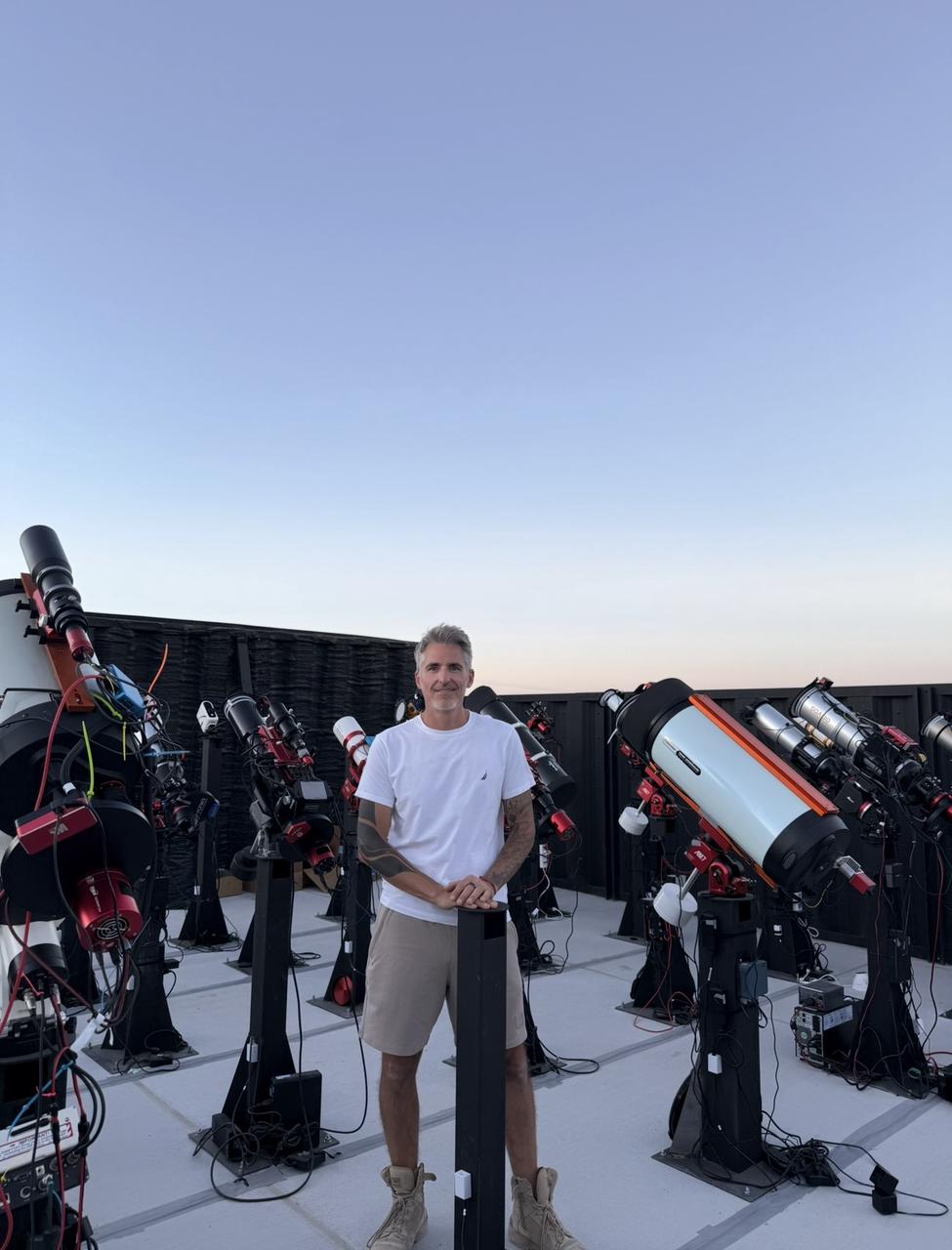
Hi, I’m Nicolas Paladini. I’ve always been fascinated by space and the endlessness of the universe. During the pandemic, that fascination became a true passion. Argentina was under a long lockdown, and for the first time in years I had time to dive into astrophotography.
Three books changed everything for me: Getting Started: Long Exposure Astrophotography by Allan Hall, The Astrophotography Manual by Chris Woodhouse, and The Deep-Sky Imaging Primer by Charles Bracken.
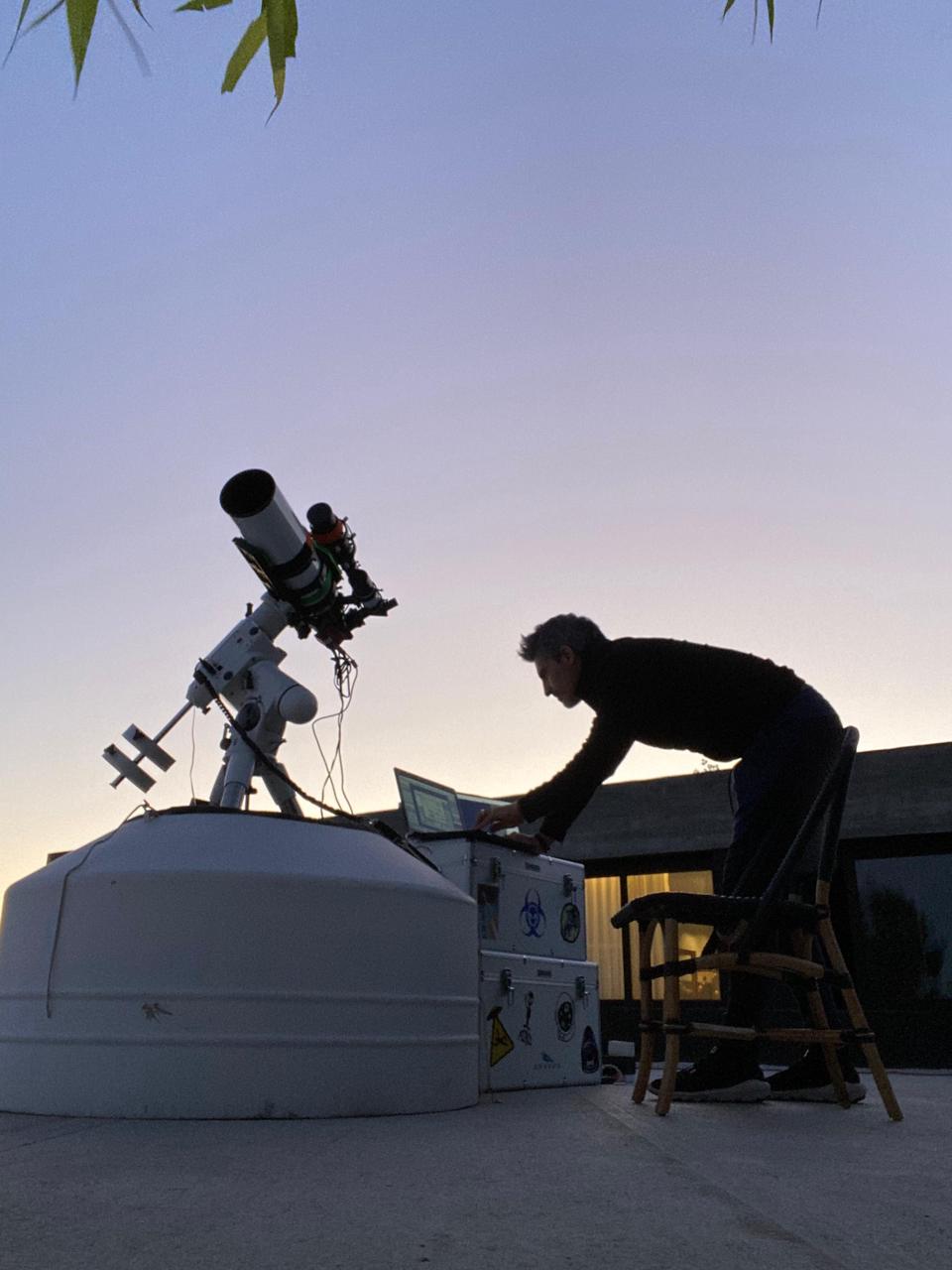
A week later, I ordered my first telescope—a Sky-Watcher Esprit 100ED with a DSLR camera—and built a small observatory on my rooftop. From then on, every clear night became a chance to learn.
Do you remember the first image that made you feel, ‘This is something I want to keep doing’?
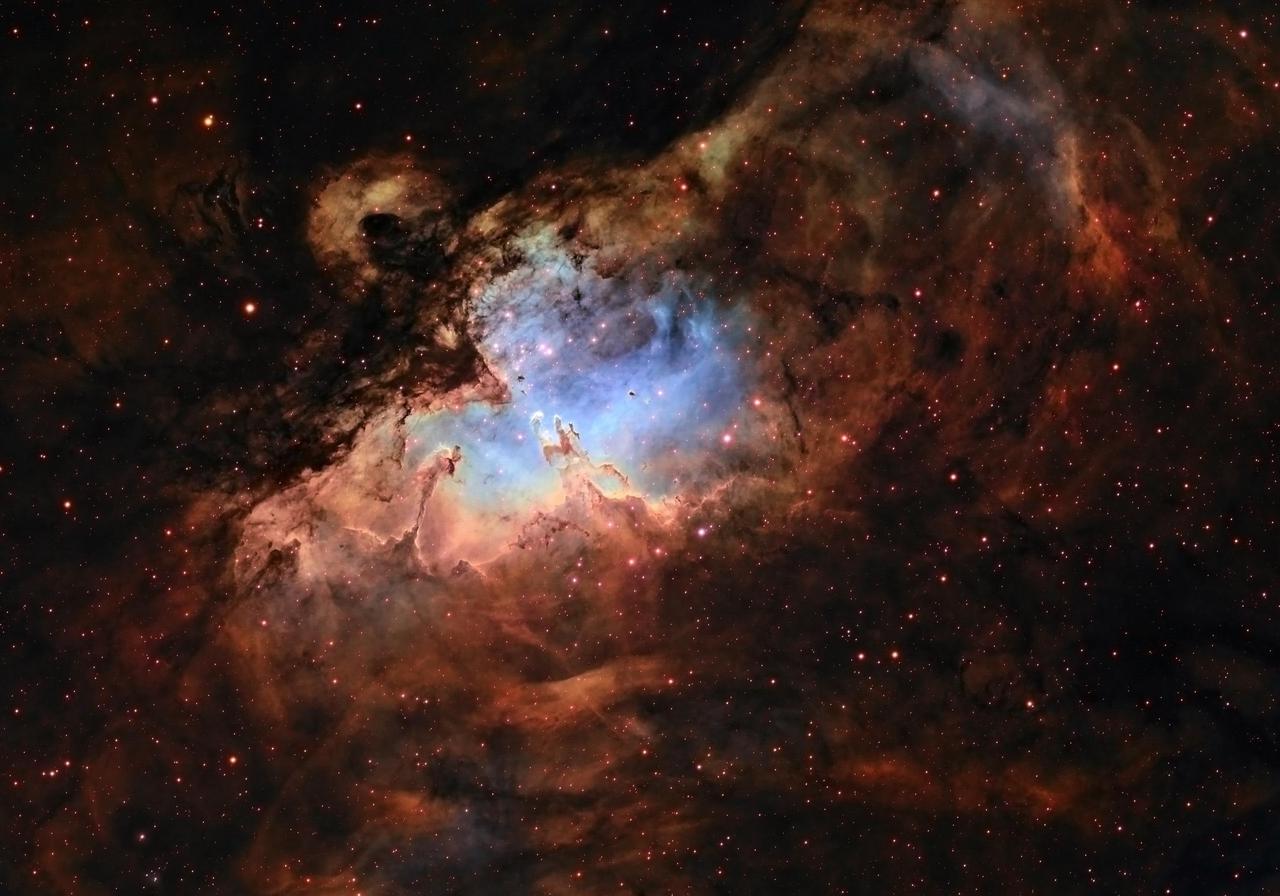
After just two months of starting astrophotography, my image of the Eagle Nebula (M16) was selected as Astronomy Picture of the Day (APOD). That recognition gave me the confidence to take astrophotography much more seriously.
How did you grow from a beginner into an experienced astrophotographer?
I learned through books, YouTube, and several mentors, especially my current business partner, Juan Filas. Soon after we met, we built our own twin DIY JF-NP 12 ” f/4 Newtonian telescopes, which we still use today.
What kind of astrophotographer were you before starting Death Valley Observatories?
Before founding Death Valley Observatories, I imaged from my rooftop, constantly battling clouds, rain, humidity, and lost imaging nights. Those frustrations inspired me to search for a better solution.
The Turning Point
After joining online astrophotography communities, I realized people all over the world faced the same challenges. I shared the idea with Juan Filas, and we immediately knew we wanted to build the observatory we had always wished existed.
Why Death Valley?
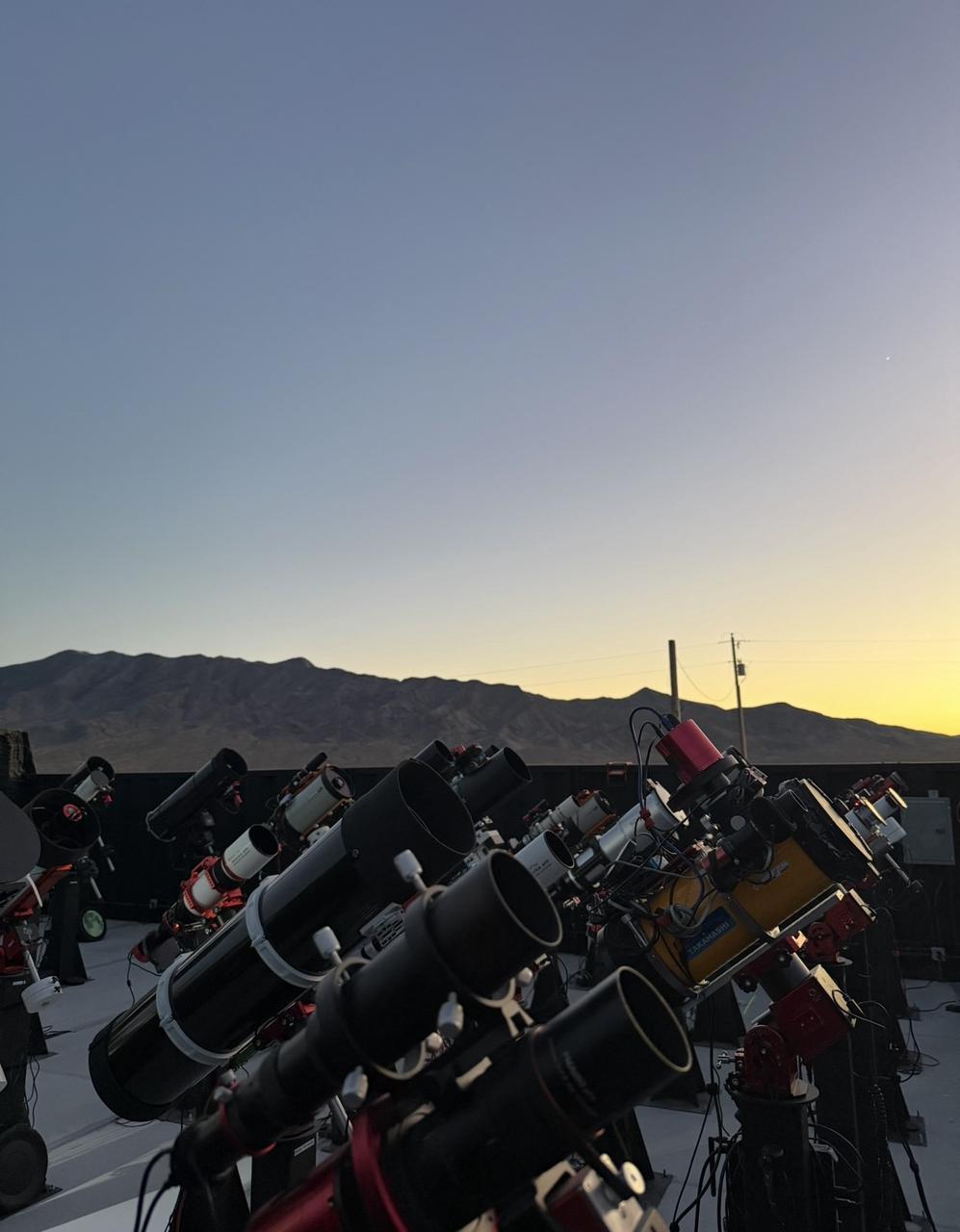
After searching and studying locations around the world, the Mojave Desert stood out with Bortle 1–2 skies, 300+ clear nights per year, low humidity, excellent seeing, and outstanding transparency. I’ll never forget my first night there—I had never seen a sky like that.
Building an Observatory in the Desert
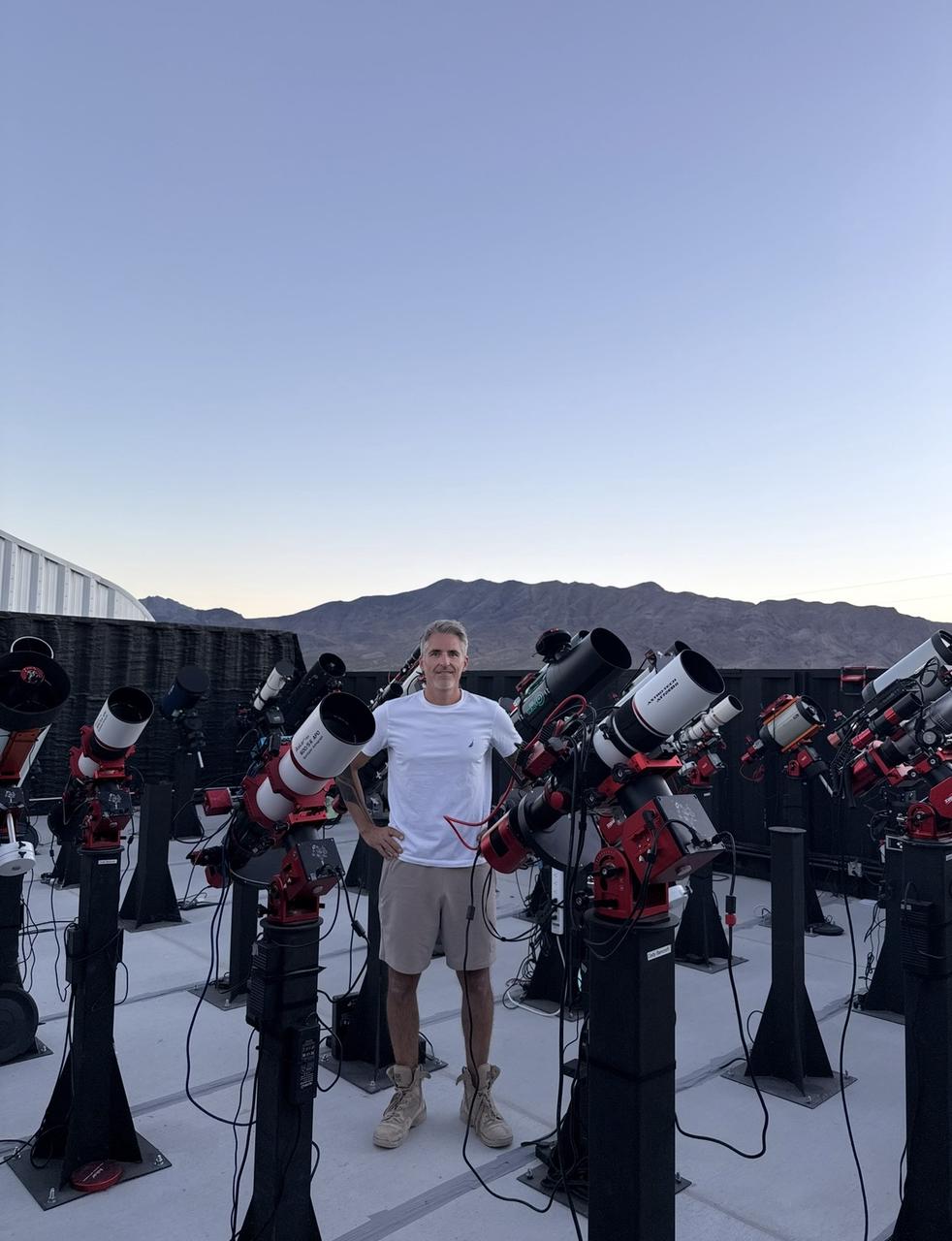
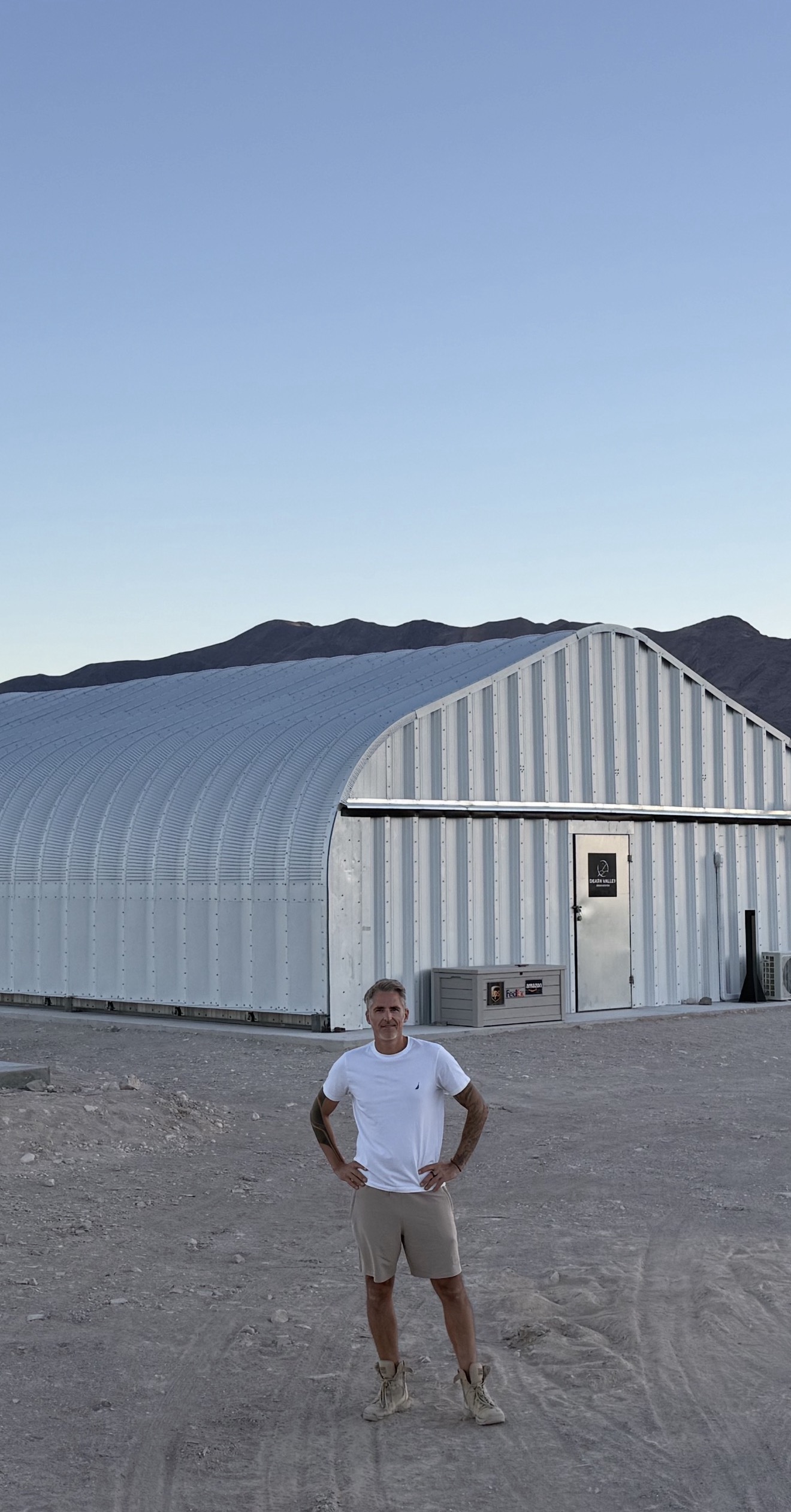
Building in the middle of the Mojave Desert was the biggest challenge. Because we’re astrophotographers ourselves, we designed everything around one idea: every customer should feel their equipment is cared for as if it were our own.
A Special Image or Project
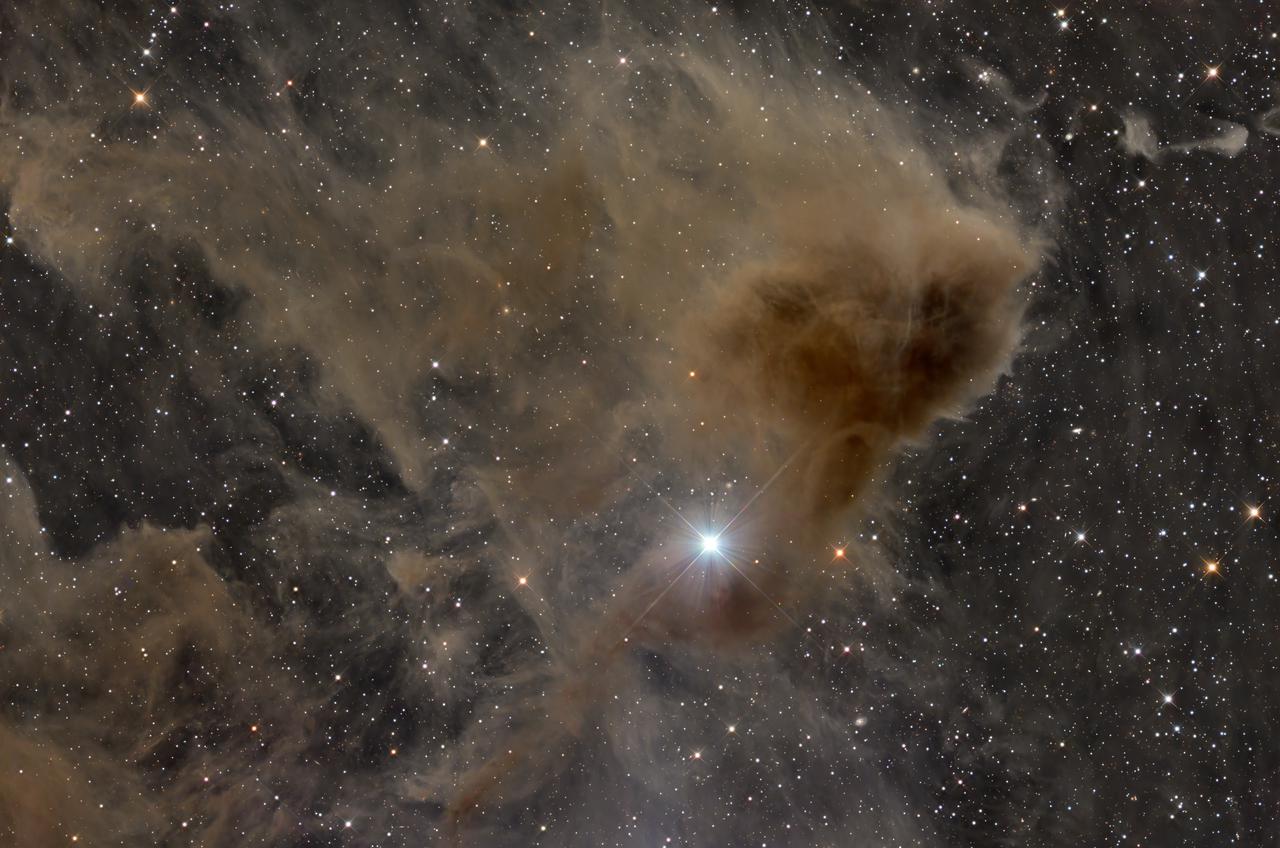
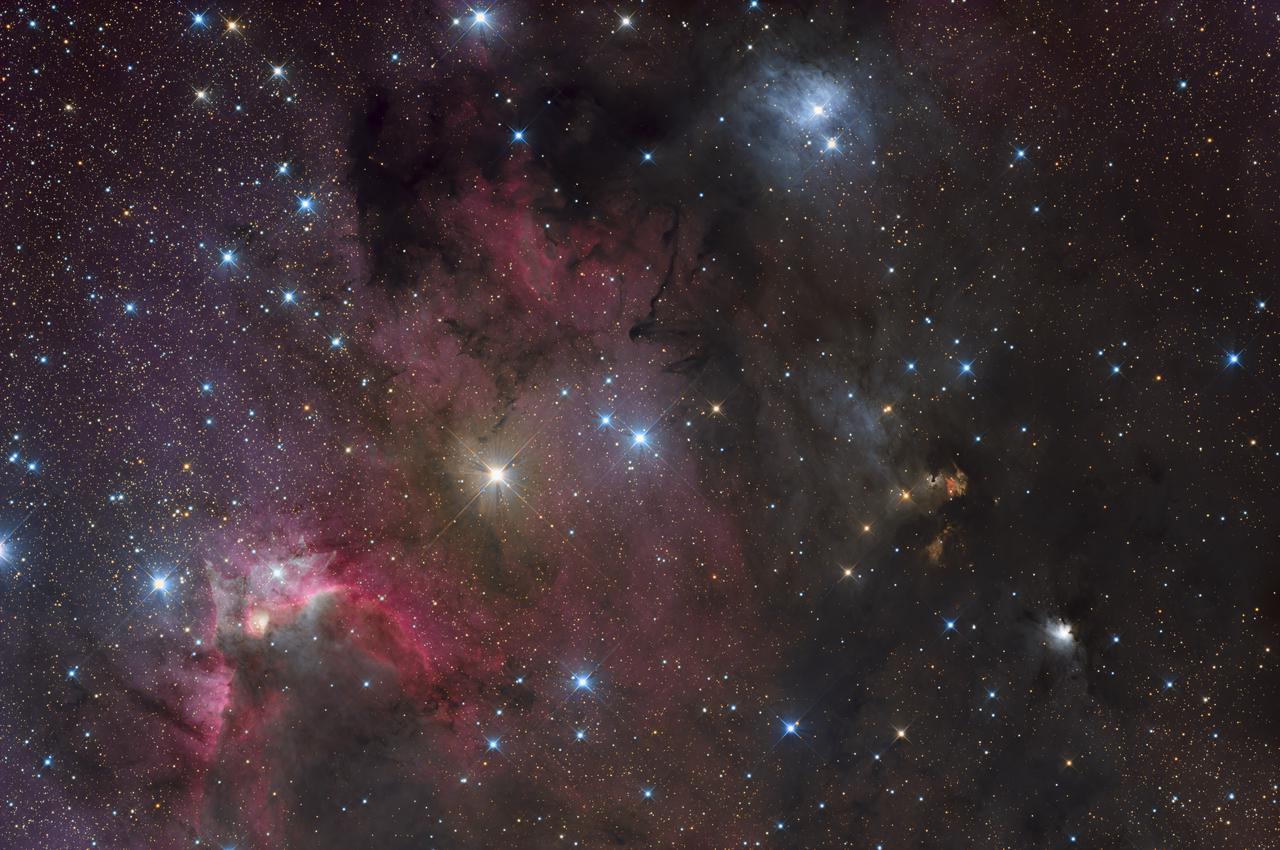
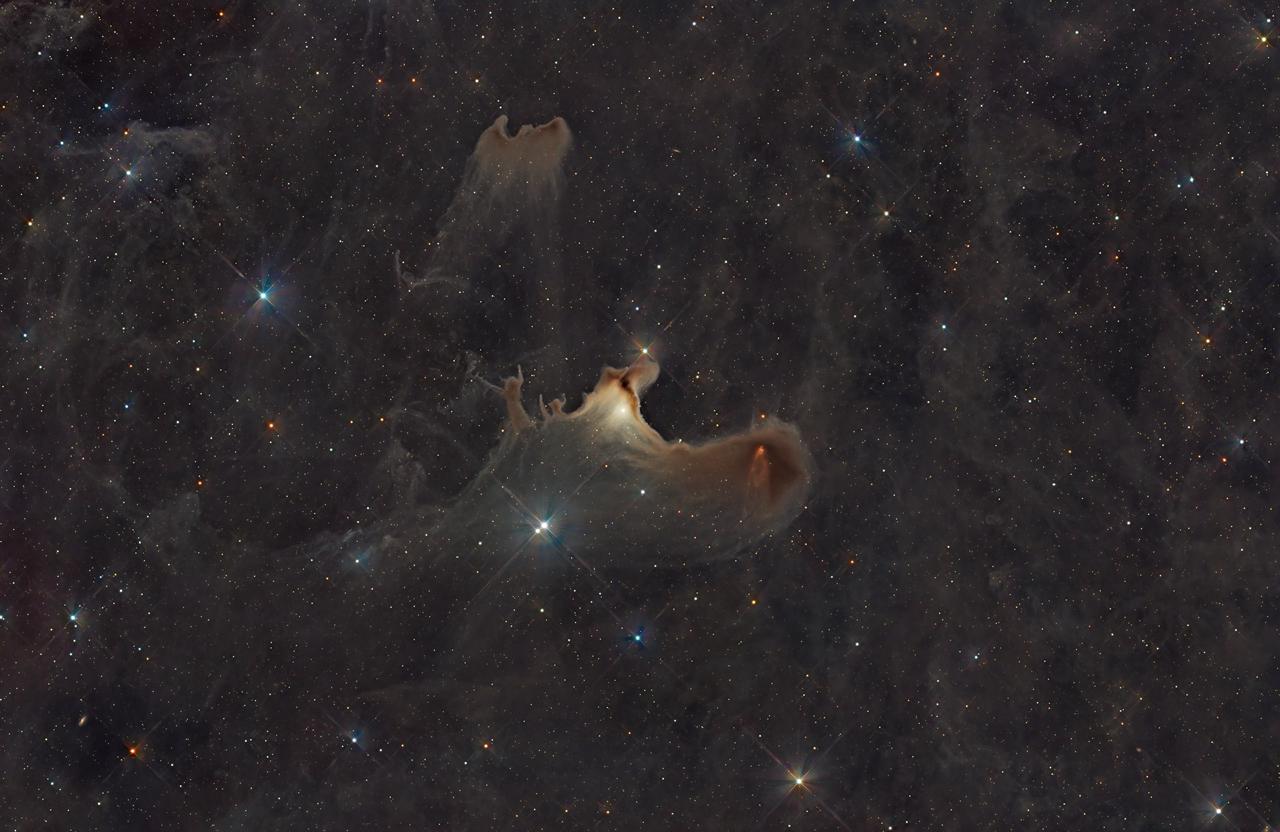
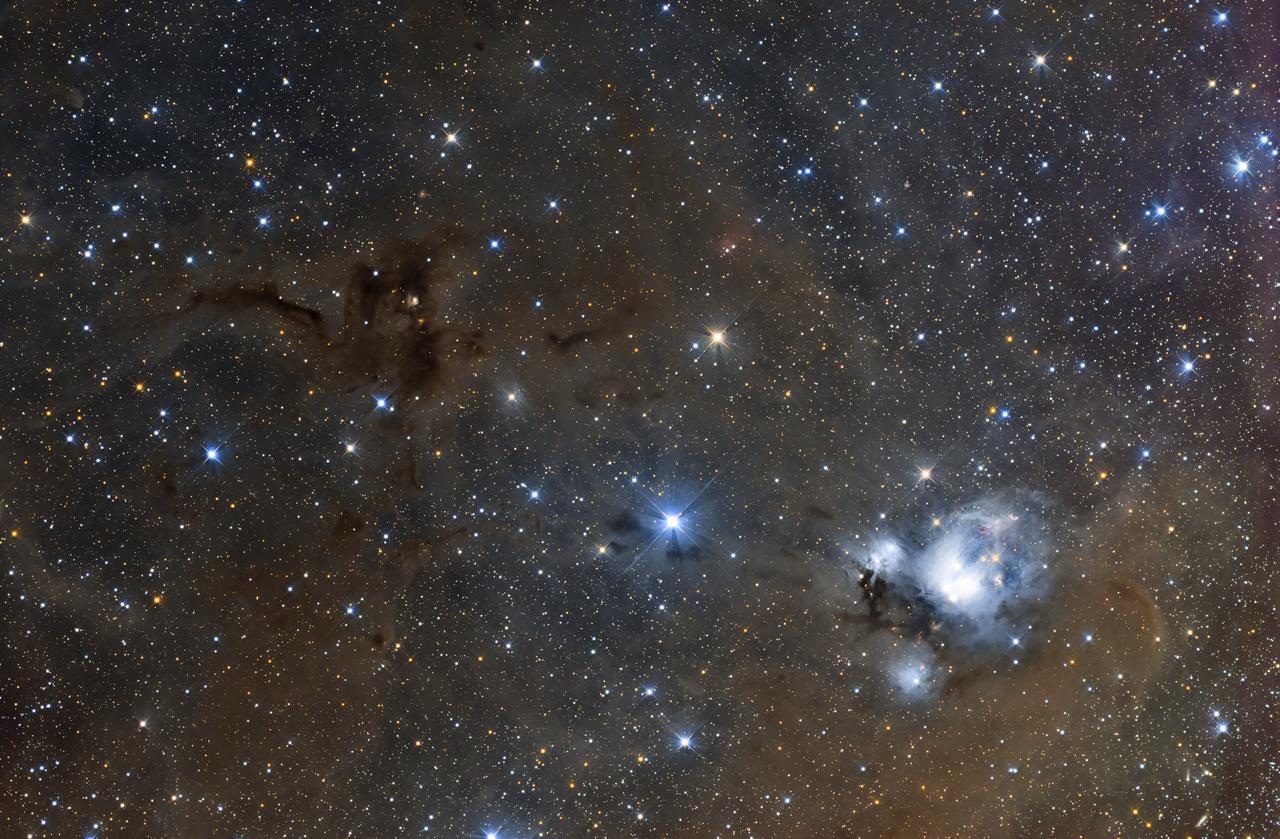
The image that means the most to me is the Nebula vdB 141. I captured it from the side of the road before buying the property while evaluating the sky quality. Every time I see it, I’m reminded of where the dream began.
ZWO in Your Journey
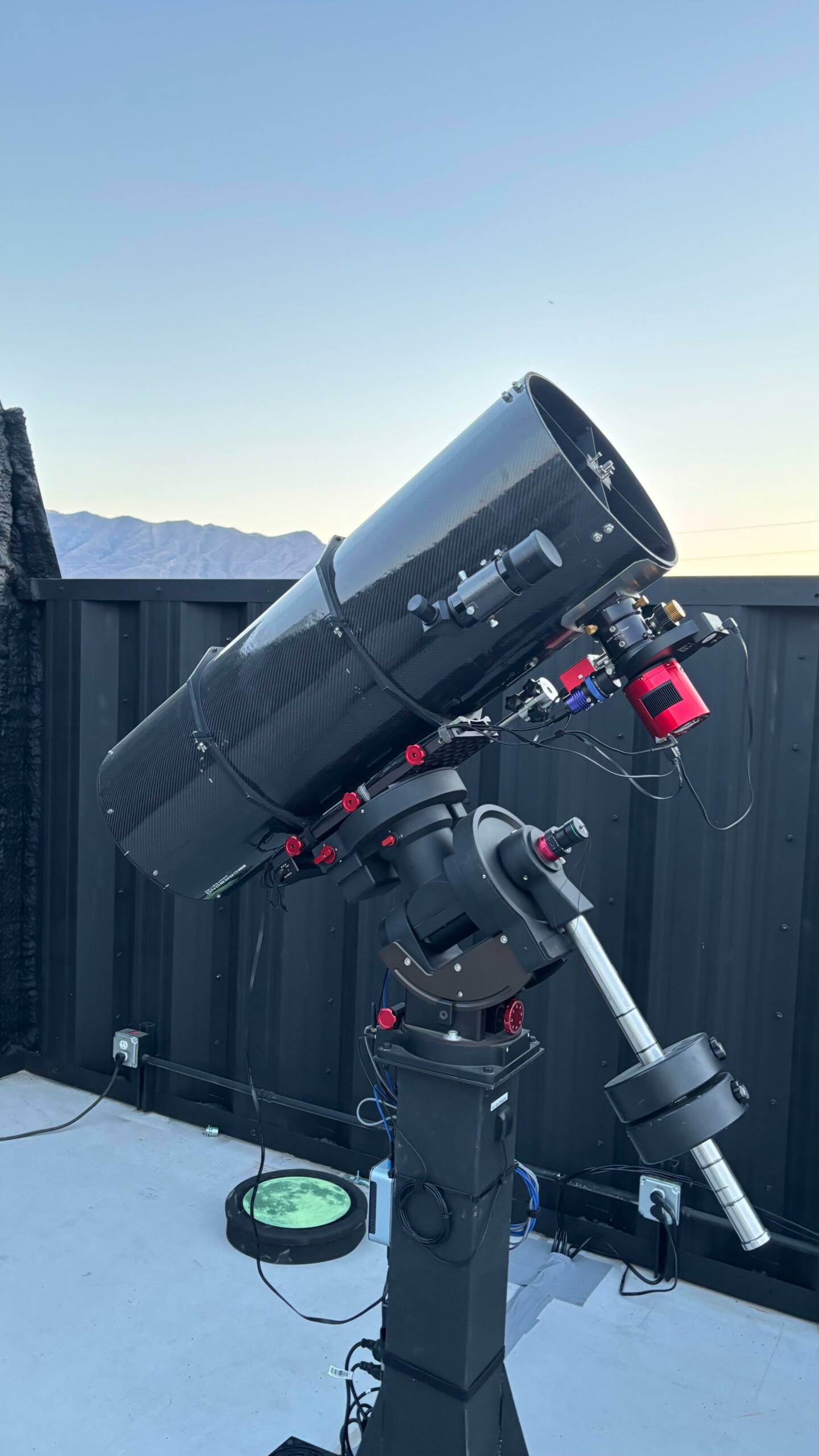
I first discovered ZWO through recommendations from astrophotographers around the world. My first setup included the ASI1600MM Monochrome, 7-position Filter Wheel, and EAF. Today I use the ASI2600MM Pro, 7-position Filter Wheel, OAG, and EAF. Reliability is everything in a remote observatory, and I’d love to see ZWO continue making remote imaging even more reliable and easier to operate.
Looking Ahead
I believe remote astrophotography will continue to grow as more people discover they can image under world-class skies from anywhere. We’re finishing our second observatory and continuing to expand. Success means maintaining our personalized service, fast installations, immediate support, meticulous maintenance, and access to one of the best skies on Earth.
Final Thoughts
At first, I was searching for the perfect sky for my own images. Today, the most rewarding part is helping other astrophotographers achieve theirs. Seeing what people can create under these skies makes all the effort worthwhile.