
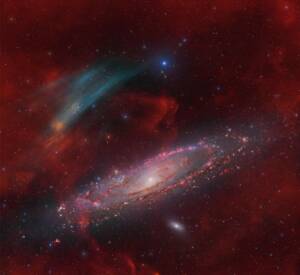
Discovery of the M31 [OIII] emission arc
Recently, a major discovery by an international team of amateur astronomers and scientists has become a huge online hit, and this new discovery is just located in one of the
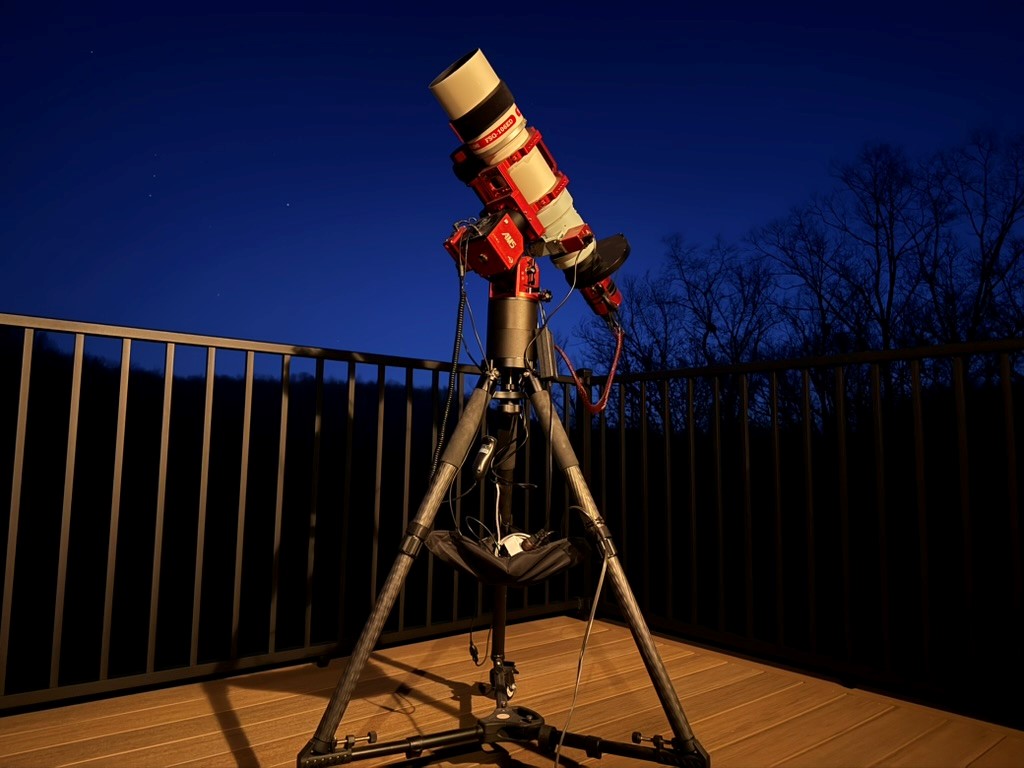
Astrophotography takes no prisoners when it drops below 30 degrees outside – and let’s be honest, it’s hard enough on a calm 70-degree night with low humidity. If you’re not prepared, you could be in for a long, frosty battle… and a few choice words for your telescope.
Author: Richard Harris
Author BIO:
Meet Richard Harris. He is the founder and editor-in-chief of ScopeTrader, with over 30 years of experience in astronomy and astrophotography. He serves as the director of the Ozark Hills Observatory, where his research and imagery have been featured at NASA’s INTUITIVE Planetarium, scientific textbooks, academic publications, and educational media. Among his theoretical contributions is a cosmological proposition known as The Harris Paradox, which explores deep-field observational symmetry and time-invariant structures in cosmic evolution. A committed citizen scientist, Harris is actively involved with the Springfield Astronomical Society, the Amateur Astronomers Association, the Astronomical League, and the International Dark-Sky Association. He is a strong advocate for reducing light pollution and enhancing public understanding of the cosmos. In 2001, Harris developed the German Equatorial HyperTune – a precision mechanical enhancement for equatorial telescope mounts that has since become a global standard among amateur and professional astronomers seeking improved tracking and imaging performance. Driven by both scientific curiosity and creative innovation, Harris continues to blend the frontiers of astronomy and technology, inspiring others to explore the universe and rethink the possibilities within it. When he’s not taking photos of our universe, you can find him with family, playing guitar, or traveling.
Who doesn’t like snow, at least for a little while? It changes everything. The world looks quieter, the landscape feels fresh, and even the daytime seems a bit cleaner. Snow is pretty, sure, but it is also cold enough to remind you quickly that winter does not care about your hobbies.
Winter brings a kind of brutality to astrophotography. Wind that cuts through your jacket, ice that forms on cables, temperatures that make you question your life choices after only a few minutes outside. I have never been built for that kind of endurance. I hate it, to borrow a phrase from a certain creature obsessed with rings.
And yet, winter also brings Orion and the surrounding region, along with some of the best targets of the year. The sky can be crisp, the nights are long, and the objects we dream about all summer finally climb high and clear.
So how do you survive it?
Here is the hint. It starts with being remote.
Most of us have a car with remote start now, right? If you do, then you know.. We press a button from the kitchen and pretend we are tough while the engine warms up for us. We are pampered, and honestly, that is fine. We do not like being extremely cold, and we do not like being extremely hot.
Astronomy has its own version of remote start. Modern astrophotography does not require you to stand beside the telescope all night like it is 1978. Remote astronomy, even if it is just 20’ away from your gear whilst you sit on the couch enjoying the game, is one of the best tools we have for surviving winter imaging.
Remote does not mean lazy. Remote means smart. It means letting the equipment do what it was designed to do, while you stay warm enough to actually enjoy the experience.
Now, this article is not about fully remote astronomy in the sense of having a permanently hosted telescope at a dark sky site like Starfront. That is a wonderful option if you have access to it, but what I am talking about here is something closer to home. This is for the backyard warriors, the people who refuse to let winter shut down their imaging season, and who are still determined to capture that next faint oxygen arc drifting across Andromeda even when the thermometer says otherwise.
The biggest advice any seasoned astronomer can give about enduring the cold is simple. Prepare during daylight.
That is true in every season, but winter makes it non negotiable.
Set up the telescope while the sun is still up. Check your cables. Make sure your cameras are connected. Get rough focus before the temperature drops. Confirm the mount is balanced. Have your power situation sorted out.
You do not want to be fumbling around in the dark with expensive equipment under any circumstances. Add twenty degree air and stiff fingers, and your mindset changes fast. You stop thinking clearly. You rush. That is when mistakes happen.
This article is not really about how to tough it out as a person. Yes, you should bundle up properly. Yes, you should protect your hands and feet. But my focus here is the gear, the process, and how modern astrophotography makes winter manageable.
Winter imaging teaches humility quickly. It teaches you that no amount of passion can override physics. Metal gets colder than air. Batteries drain faster. Plastic becomes brittle. Frost forms quietly and without permission. Even the simplest task, like tightening a knob, can feel like a major project when your hands are numb.
The cold also changes your patience. When you are warm, you will happily troubleshoot a guiding issue for an hour. When you are freezing, you will convince yourself that everything is fine and you will deal with it tomorrow. That is why winter astrophotography demands a different approach. It is not about suffering through it. It is about designing a process that keeps you functional.
Remote astrophotography is not complicated in concept. You want to operate every part of your setup without standing next to it.
That requires a few key pieces of equipment working together.
First, you need a mount that can reliably track and point where you tell it to. A modern GoTo mount is the foundation. Without it, you are outside constantly adjusting and correcting.
Second, you need electronic focusing. In winter, focus shifts constantly as temperatures fall. The days of twisting a focuser knob with frozen fingers are over if you want consistent results.
Third, you need a control computer that lives at the telescope but talks to you inside. That computer becomes your bridge between warmth and productivity.
Fourth, if you shoot monochrome, you need a filter wheel so you can change filters without touching anything.
Fifth, you need software that ties it all together into one clean workflow.
Those are the basic moving parts you will want for a solid remote setup, but the truth is you can take remote astrophotography as far as you want. There are even more advanced options available now, like automated polar alignment bases, remote camera rotators, motorized covers, and other accessories that let you control almost every part of the rig without stepping back outside. But keep in mind, more gear = more complexity and chances for things to go wrong.
The goal is simple. The telescope works outside. You work inside.
Remote astronomy becomes less of a luxury and more of a survival strategy when the air hurts your face.
I will also say this plainly. Some of the best imaging nights happen when it is cold. The sky can be steady, the transparency can be excellent, and the winter objects are worth every effort.
But I am not interested in proving anything by standing out there suffering.
I am more of a fair weather visual observer (you know- eyepieces..) But cold weather is reserved for astrophotography, and even then, only because I can do it remotely.
Remote does not mean you never step outside. You still have to set up. You still have to check things. But it means your exposure time does not require your presence. Once everything is running, you can let the system do its job.
That is the real breakthrough. Astrophotography is already an exercise in patience. The cold just adds an unnecessary layer of discomfort unless you build around it.
A remote workflow also reduces mistakes. When you are warm, you think clearly. You notice problems on the screen before they ruin an entire night. You can monitor guiding graphs, focus curves, and exposure progress without rushing. Warmth is not just comfort, it is clarity.
This is where the modern equipment shines, and I want to stay focused on one ecosystem because simplicity matters.
This is where ZWO equipment really shines. Their ecosystem is resilient, tightly integrated, and designed to work together seamlessly, which helps eliminate many of the usual astrophotography headaches – driver conflicts, software hangs, surprise reboots. And if you’re mixing in non-ZWO gear, that’s perfectly fine – just do a little extra diligence beforehand to make sure everything is playing nicely together before you head out into the cold. When you build a remote setup, you are building comfort, reliability, and consistency.
And comfort matters more than people like to admit.
The old image of astronomy is a person standing beside a telescope all night, bundled up like an arctic expedition. That image is romantic, but it is not necessary anymore for astrophotography. The equipment has evolved. We should evolve with it.
Remote imaging is also safer. Winter nights come with slippery decks, icy driveways, and reduced awareness when you are tired. The less time you spend walking around in the dark, the better.
There is also the simple fact that astrophotography is not a single task. It is a chain of tasks. Polar alignment, focusing, framing, guiding, sequencing, calibration, monitoring. The more of that chain you can automate, the more consistent your results will be.
The cold is the perfect motivation to finally automate the things you have been putting off.
Let us talk about some of the ZWO equipment that makes cold weather astrophotography possible without turning you into an ice sculpture.
The first piece is the mount.
ZWO harmonic drive mounts like the AM5 have changed what portable imaging can look like. They track well, they carry serious payloads for their size, and they integrate smoothly into a remote workflow.
A mount is not just about pointing. In winter, a mount is about reliability. You want something that will keep tracking smoothly even as temperatures drop. Harmonic drive mounts have fewer traditional mechanical issues to worry about, and the portability means you can set up quickly and get back inside.
Pair that with a guiding setup, and you can let the mount do its job while you stay warm.
Next is focusing.
The ZWO EAF, the Electronic Automatic Focuser, is one of the most important upgrades you can make. Focus is not optional in astrophotography. It is everything. Winter temperature drops will shift focus all night long, and the EAF lets you correct that automatically.
If you have ever captured three hours of data only to realize the focus drifted halfway through, you know the pain. In winter, that drift happens faster. Electronic focusing is not a luxury, it is a requirement.
Then there is the control center.
The ASIAIR is one of the most practical tools in astrophotography today. It is a small computer designed specifically for running your rig. It controls the mount, camera, focuser, filter wheel, guiding, and sequencing from one interface.
You can run it from a tablet indoors while the telescope works outside.
That is the heart of remote survival. The ASIAIR becomes your warm control room.
Cameras are the heart of imaging, and ZWO has a strong lineup. The ASI6200 is a workhorse for deep sky imaging, especially in monochrome. Paired with a filter wheel, it becomes a complete system.
Add in a ZWO filter wheel, a guide camera like the ASI290MM, and suddenly you have an entire remote observatory that fits in a portable setup.
Do not forget dew control. Winter does not always mean dry optics. Frost is often worse than dew. A good dew heater system, controlled properly, is essential. The best remote rig in the world is useless if your corrector plate turns into a frosted window.
Power management is also critical. Cold drains batteries quickly. If you run portable power, oversize your capacity. If you run AC power, protect your cables and connections.
The point is not to buy gear for the sake of gear.
The point is to buy comfort, automation, and control when winter makes everything harder.
Being remote can be frustrating at first, hang in there!
You almost have to force yourself not to run outside and fidget with things. Astrophotographers are notorious for tinkering. We want to touch everything, adjust everything, double check everything, brag about it everywhere! It’s a very rewarding hobby when things go right.
Remote imaging requires trust, and trust requires repetition.
It might take a few sessions, but eventually you develop a flow.
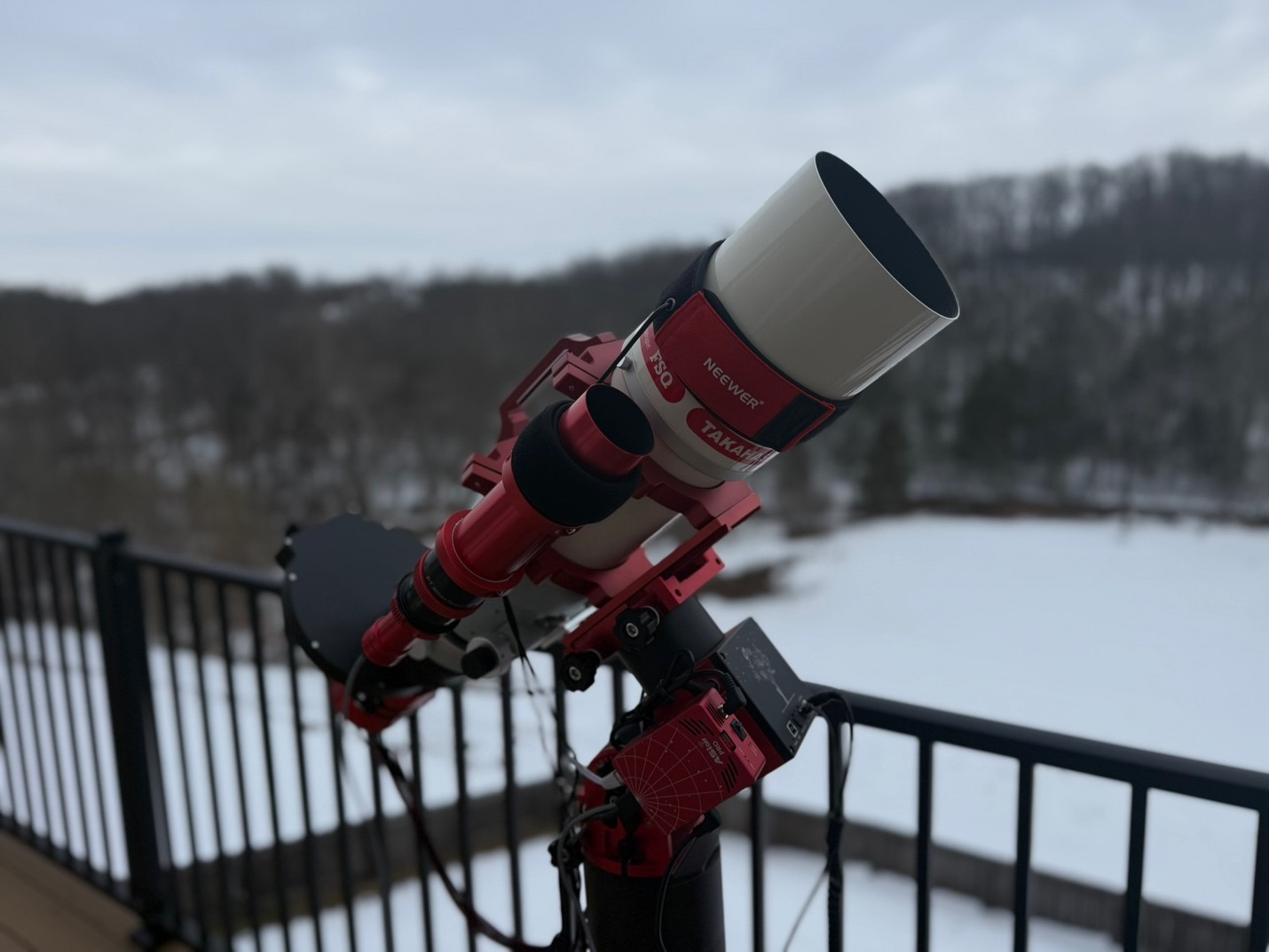
For me, I’m lucky that the back of our house faces east with no obstructions. One of my favorite rigs is a Takahashi FSQ-106-EDX4 with the Tak 0.7 reducer, a ZWO 6200MM camera, ZWO filter wheel + Chroma filters, riding on an AM5, controlled by an ASIAIR in station mode.
It is a wonderful setup and is absolutely mind-blowing what it will produce.
I bring it outside, park it in the same spot, plug it in, and go inside.
It’s as close to what I can imagine of a perfect winter rig.
First, I rig the entire scope inside and do not touch the configuration. I mean it. Everything is zip tied and stays in place.
Second, I keep the rig on a set of rollers. It cost about fifty dollars on Amazon and it is worth every penny. I roll the scope out and roll it back in. It has a dedicated spot indoors where it is unlikely to be disturbed.
The cameras are always in about the same position night after night. The optics stay collimated. The cables stay managed. I am not rebuilding the rig every session.
Third, I have a marked spot outside where the rig goes every time. After enough practice, I can place it exactly where it needs to be. Polar alignment becomes quick and often unnecessary to redo.
The AM5 guides so well with a 50mm guide scope and a ZWO 290MM that I regularly see guiding below 0.3.
Now, I realize my situation is unique, but the point is not the deck markers and rollers. The point is setup + routine.
Remote imaging is easier when you remove variables.
If you set up in a different spot every time, you create new problems every time. If you keep things consistent, the system becomes predictable.
My setup process takes about ninety seconds, then I am back inside.
Occasionally I go out to tweak polar alignment or turn on a dew heater I might havce forgot, but that is it.
The photos I capture with this method, even in brutal cold, remind me that the equipment does not care about comfort. It cares about stability. If you give it stability, it will deliver.
I am always amazed at what I find in the morning when the rig has been running all night. It is a testament to how reliable this equipment can be when you build the system properly – but I got to admit sometimes the amount of frozen dew all over the OTA can make a grown man sigh!
There is something deeply satisfying about waking up, making coffee, and checking the images from the night before. It feels like you collaborated with the sky while you slept.
That is one of the quiet joys of remote astrophotography.
Winter brings challenges beyond personal discomfort.
Cables stiffen. If you have ever tried to coil a frozen cable, you know it feels like wrestling a plastic pipe. Manage your cables carefully and avoid unnecessary strain.
Condensation can happen when you bring cold gear back inside. Always let equipment warm gradually in a sealed environment if possible. Otherwise moisture can form on electronics and optics.
Focus shifts faster. Temperature compensation becomes important.
Grease in mechanical parts can thicken. Good mounts handle this better, but it is still something to consider.
Batteries lose capacity. Keep power supplies insulated or inside where possible.
Wind is often worse in winter. A calm night at forty degrees can be easier than a windy night at twenty five. Wind shakes gear and ruins guiding.
The best winter sessions are often the still ones. Watch the forecast not just for clouds, but for wind.
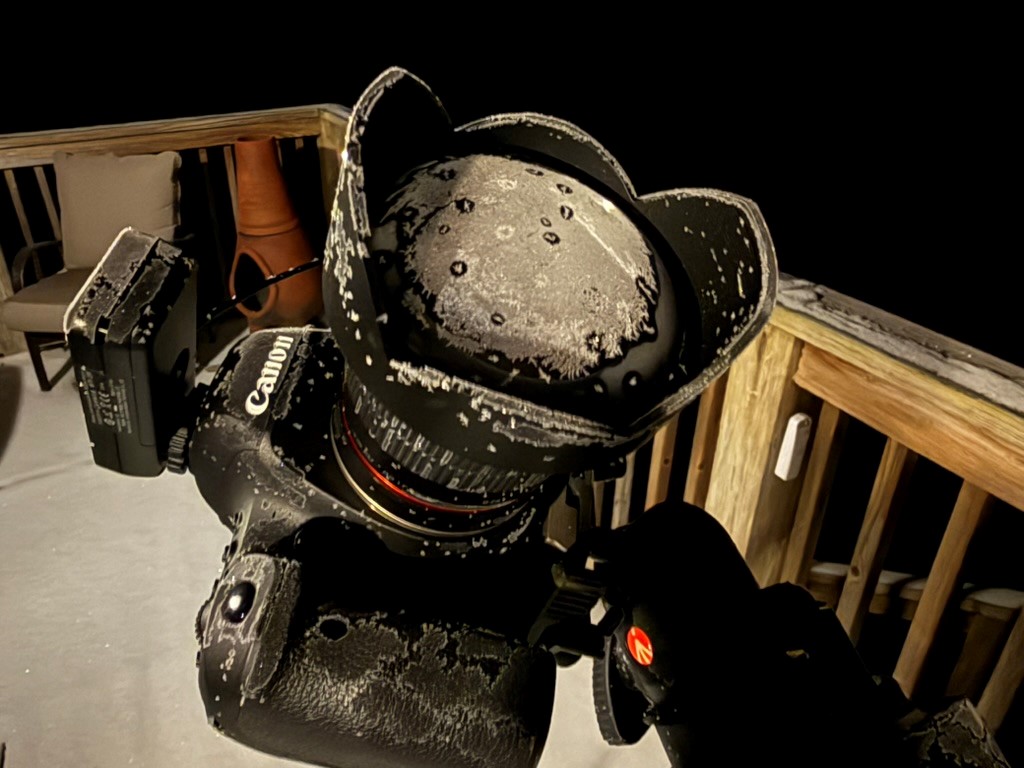
A dew heater is one of those pieces of equipment that feels optional right up until the first night you lose an entire session to frost.
Cold weather astrophotography is not just about the air temperature, it is about moisture. Winter nights can look perfectly clear, but the moment your optics radiate heat into the open sky, they start to cool below the ambient air. That is when dew forms, and when the temperature is low enough, that dew becomes frost. It does not take long before your corrector plate, refractor objective, or even your guide scope looks like it has been left in a freezer.
A simple dew heater strap wrapped around the front of your telescope can save you from that. It keeps the glass just warm enough to stay above the dew point, without introducing heat currents that ruin your image quality. In my opinion, a dew heater is not an accessory in winter, it is part of the core system.
And it is not just the main optics. Guide scopes can frost over too, and nothing is more frustrating than chasing a guiding problem for an hour only to realize the guide camera is staring through a layer of ice. Even your finder scope, if you still use one, can become useless in the cold.
There are other parts of the rig that benefit from a little protection as well. Cables can stiffen and collect frost. Connections can get damp. Filter wheels and cameras are usually fine, but the exposed surfaces around them can still accumulate moisture over a long night.
One practical habit I have developed is covering the OTA when I am done, especially if the scope is going to sit outside for a while. If you leave the telescope exposed, you may come out in the morning and find frozen ice crystals across the tube, the focuser, and everything else. It looks pretty in a way, but it is not what you want on precision equipment. A simple scope cover or insulated wrap can make a big difference, both for protecting the optics and for reducing how quickly frost settles on the rig.
Not everyone can run a fully remote setup.
Maybe you are at a dark site with no shelter nearby.
Maybe you are doing visual observing.
Maybe your gear is still manual.
Maybe you are just starting out.
That is fine.
Remote is a tool, not a requirement.
If you cannot be remote, then the goal becomes reducing the time you spend outside doing unnecessary tasks.
Do everything you can indoors before you leave.
Pre assemble your rig.
Label your cables.
Use gloves that still allow dexterity.
Keep batteries warm because cold kills power quickly.
Bring a small insulated case for electronics.
Use dew heaters because frost does not care how expensive your optics are.
And most importantly, keep your sessions realistic.
Winter will humble you. Shorter sessions are better than miserable marathons.
If you only get two hours instead of six, that is still progress.
Astrophotography is a long game. No single night makes or breaks your work.
You can also compromise. Remote does not have to mean inside the house. It can mean sitting in the car with the heater running while you monitor the session on a tablet. That is still remote enough to make winter bearable.
I have done plenty of sessions where the telescope is outside and I am in the vehicle like a mobile observatory. It works.
The key is reducing exposure to the cold while keeping control of the process.
Winter astrophotography is not about toughness.
It is about strategy.
It is about preparation, automation, and building a workflow that keeps you safe, comfortable, and productive.
Cold weather can bring some of the best skies of the year. Orion, the Rosette, the Horsehead, the winter galaxies, they are all waiting.
But you do not need to freeze beside your tripod to earn them.
Modern tools like GoTo mounts, electronic focusers, filter wheels, and remote controllers like the ASIAIR have changed what is possible.
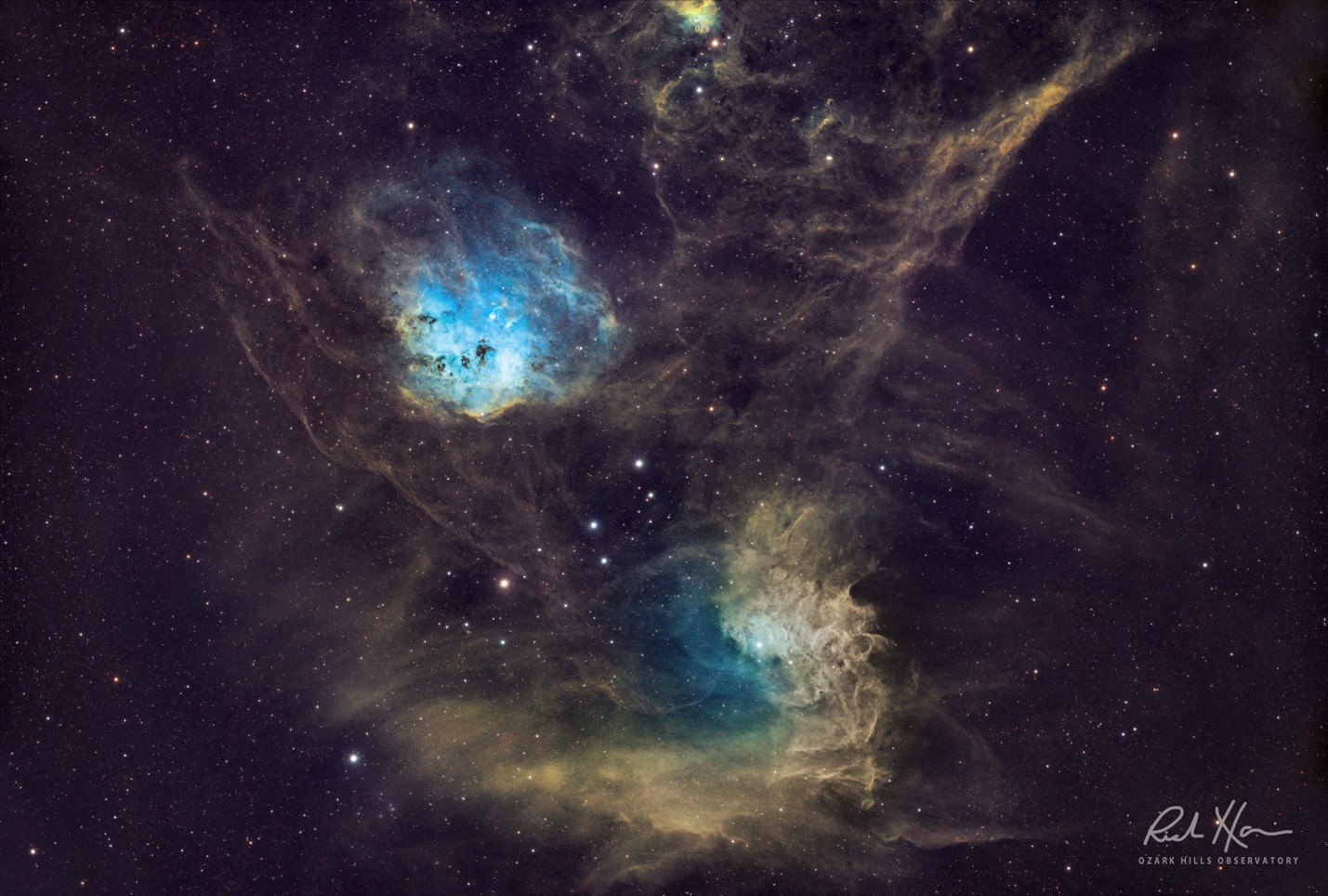
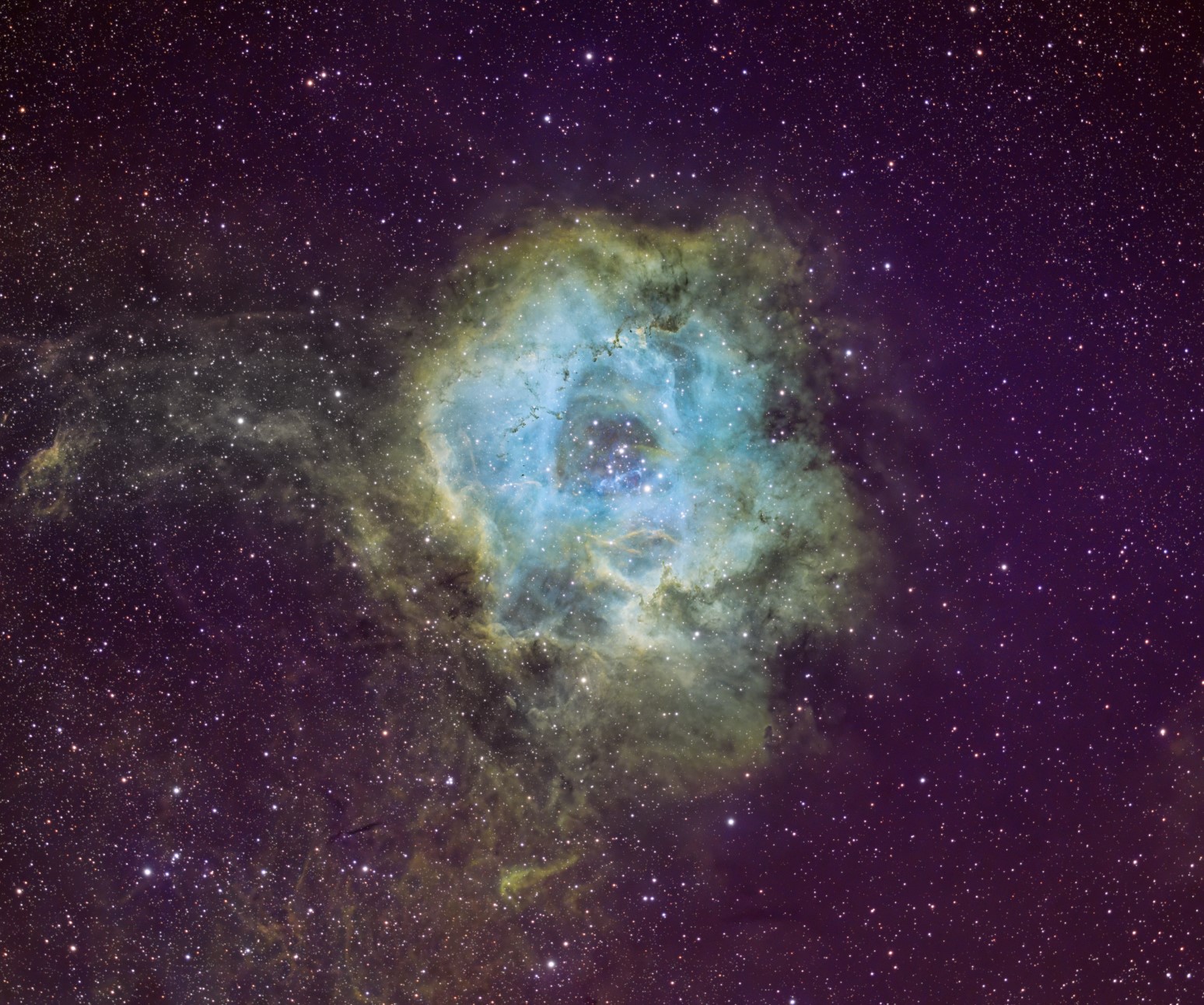
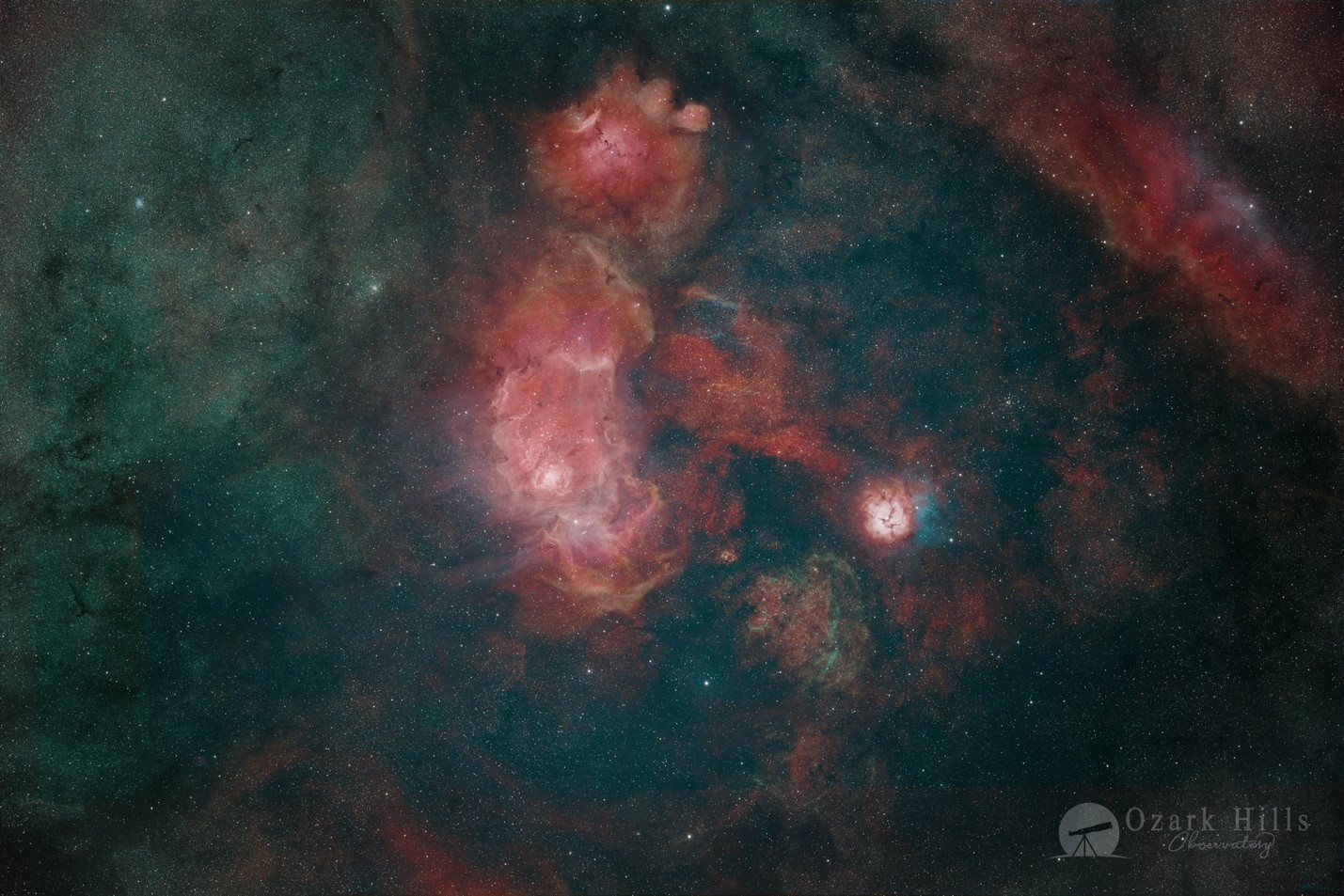
Here are a few of my astrophotos taken during winter months, shot on my back with me just 30 feet away, “remote” – but warm 😊
The best advice I can give is simple.
Rig inside.
Test everything.
Develop a routine.
Be remote when you can.
And when you cannot, be efficient.
The sky does not care if you are cold. The photons will arrive either way.
The question is whether you will still enjoy the process enough to keep going out night after night, year after year.
For me, remote astrophotography is not just convenience.
It is how I keep doing what I love, even when winter tries its best to convince me otherwise.
And if you take nothing else from this, remember this. Winter does not have to stop you. It just forces you to think smarter.
Because the best way to fight the cold is not to fight it at all.
It is to let the telescope do the suffering while you stay warm enough to keep dreaming about what is waiting up there.
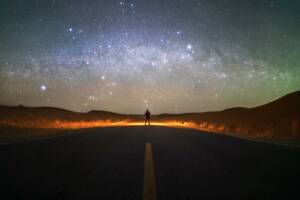
Recently, a major discovery by an international team of amateur astronomers and scientists has become a huge online hit, and this new discovery is just located in one of the
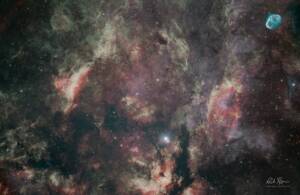
When I first pointed my camera toward the night sky, I never imagined it would lead me here — to winning Astronomy Photographer of the Year 2024 with my image
A reflective, experience-driven story about the emotional and philosophical side of astrophotography: why we point cameras at the sky, what it teaches us, and how it deepens our sense of
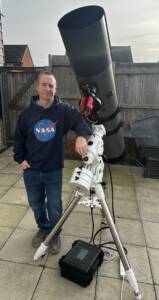
“My favorite moment is seeing that first frame appear on a new target. It’s still amazing to realize I’m capturing photons from something thousands of light-years away.” — Tom Tom,
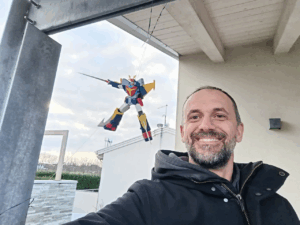
by Alessandro Ravagnin Sometimes, creativity takes you to the most unexpected places. After countless classic shots of our beloved Sun, I decided to do something completely different—to create the strangest
I think most astrophotographers can trace everything back to one very specific moment — that first time looking through a telescope. For me, that moment happened when I was four