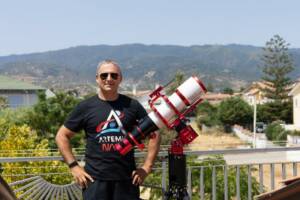
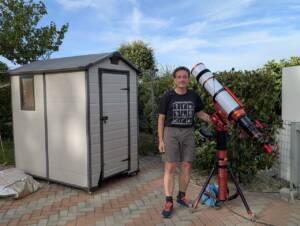
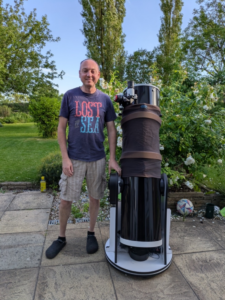
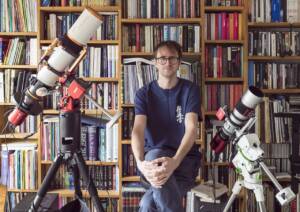
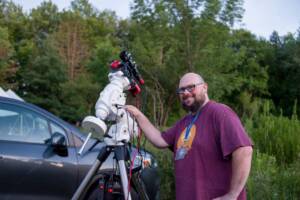
My name is Julien De Winter (@dwj85), and I live in Belgium. I am a Professor of Chemistry at the University of Mons, where my research focuses on mass spectrometry and organic synthesis. Beyond my academic work, I am also deeply involved in the Astronomy Club of the University of Mons, where I actively participate in astronomy outreach and educational activities.
Outside of my professional life, astrophotography has become much more than a hobby. It is a passion that has profoundly changed the way I look at the universe and has introduced me to an incredible community of people from around the world.
My astrophotography journey began in April 2021, thanks to a simple moment with my youngest daughter. One evening, as I was putting her to bed, she asked me to look at the Moon through an old telescope that I had owned for years but rarely used.
Watching her observe the Moon through the eyepiece, I suddenly realized how magical that moment was. I immediately felt that this was something I wanted to share with her. The very next day, I started searching for a used telescope online, and two days later, accompanied by my two daughters, I picked up a Sky-Watcher 150P mounted on a manual EQ3-2 equatorial mount.
That first night was a revelation.
For the first time in my life, I observed Saturn through a telescope. The emotion was overwhelming. I still remember wanting to share that feeling with everyone around me. Naturally, I started trying to take photographs with my smartphone. The results were terrible, but I quickly became fascinated by the idea of capturing and sharing what I was seeing.
I first experimented with smartphone adapters, but the images remained disappointing. In July 2021, I decided to take a major step forward and purchased my first astronomy camera: a ZWO ASI224MC. My initial goal was planetary imaging, and this marked my first real steps into astrophotography.
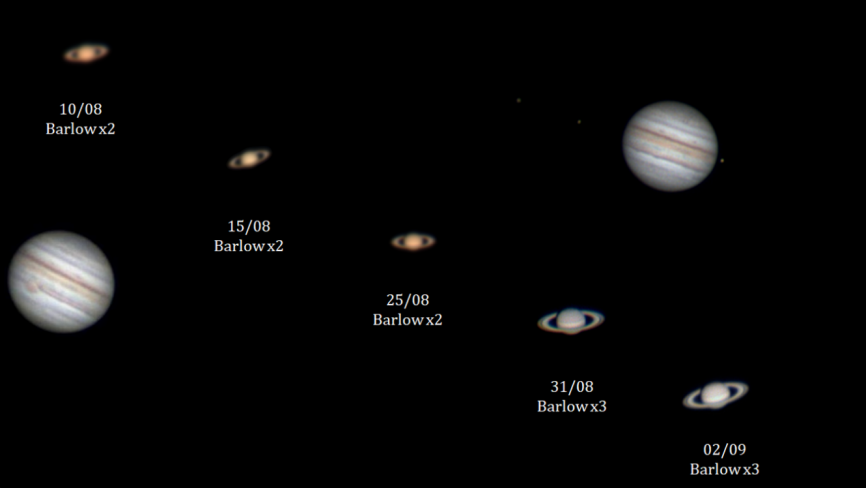
At the time, I was working with only 750 mm of focal length, with barlow x2 and x3, and no motorized tracking. While far from ideal, these limitations forced me to learn, experiment, and improve my techniques. As the months passed, my growing ambition was clear: I wanted to photograph deep-sky objects.
My astrophotography journey began in April 2021, thanks to a simple moment with my youngest daughter. One evening, as I was putting her to bed, she asked me to look at the Moon through an old telescope that I had owned for years but rarely used.
Watching her observe the Moon through the eyepiece, I suddenly realized how magical that moment was. I immediately felt that this was something I wanted to share with her. The very next day, I started searching for a used telescope online, and two days later, accompanied by my two daughters, I picked up a Sky-Watcher 150P mounted on a manual EQ3-2 equatorial mount.
That first night was a revelation.
For the first time in my life, I observed Saturn through a telescope. The emotion was overwhelming. I still remember wanting to share that feeling with everyone around me. Naturally, I started trying to take photographs with my smartphone. The results were terrible, but I quickly became fascinated by the idea of capturing and sharing what I was seeing.
I first experimented with smartphone adapters, but the images remained disappointing. In July 2021, I decided to take a major step forward and purchased my first astronomy camera: a ZWO ASI224MC. My initial goal was planetary imaging, and this marked my first real steps into astrophotography.
At the time, I was working with only 750 mm of focal length, with barlow x2 and x3, and no motorized tracking. While far from ideal, these limitations forced me to learn, experiment, and improve my techniques. As the months passed, my growing ambition was clear: I wanted to photograph deep-sky objects.

Figure 1 : First images recorded with ASI 224MC, Newton 150/750 no tracking mount
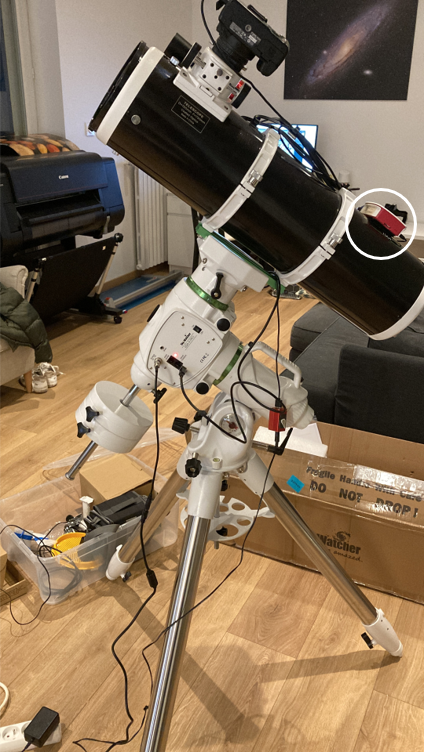
Eventually, I took the plunge and invested in my first tracking mount. On the day it arrived, 24 November 2021, I visited my friend Victor Sabet, who helped me assemble everything. During that session, he also introduced me to the first-generation ASIAIR. To capture images, I used an old Canon 1000D DSLR that I already owned.
Figure 2 : The very first astrophotography setup for deep sky imaging and the fist results obtained the days after.
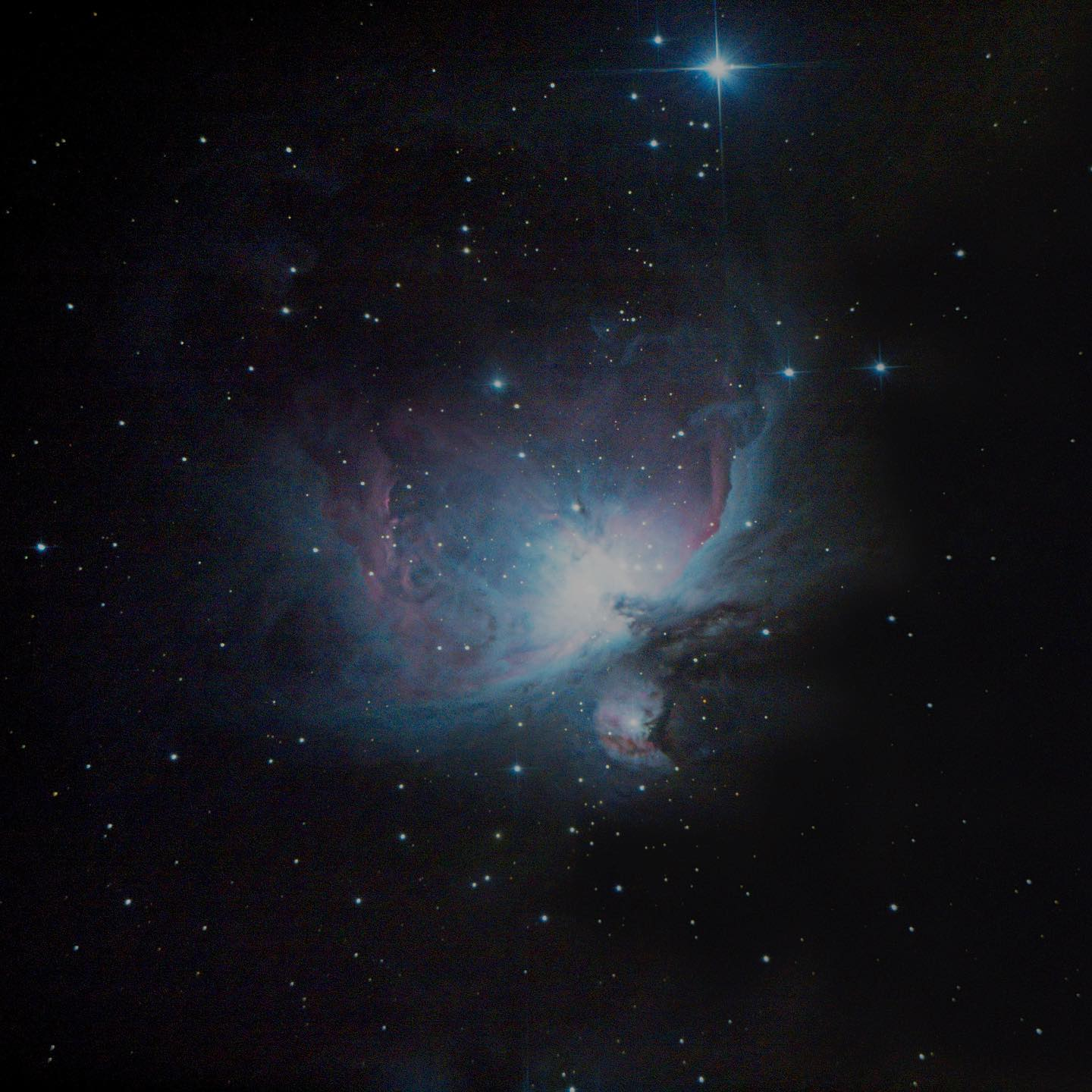
Few days later, my true first deep-sky target was done, the well known Orion Nebula.
Looking back today, the image clearly had plenty of weaknesses, but it remains one of my most treasured photographs because it represents the moment I truly became an astrophotographer. For me, this was the real beginning of my deep-sky imaging adventure.
Like many astrophotographers, I soon felt limited by my equipment. I first modified my DSLR to improve its sensitivity to hydrogen-alpha emission.
Looking back today, the image clearly had plenty of weaknesses, but it remains one of my most treasured photographs because it represents the moment I truly became an astrophotographer. For me, this was the real beginning of my deep-sky imaging adventure.
Like many astrophotographers, I soon felt limited by my equipment. I first modified my DSLR to improve its sensitivity to hydrogen-alpha emission.
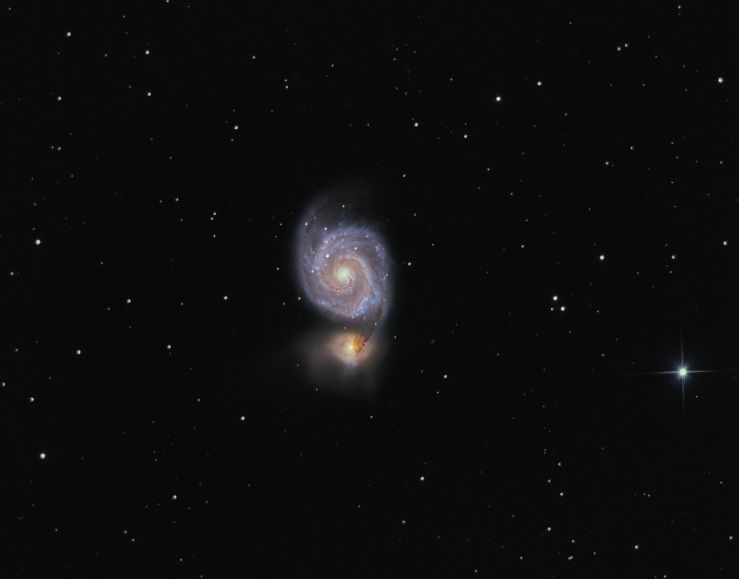
Figure 3 : M51 (March 2022), Canon 1000d 140 x 120s (~4h40)
Shortly afterward, end of July 2022, I purchased a ZWO ASI1600MM monochrome camera, a ZWO electronic filter wheel, and a full set of 36 mm LRGB and SHO filters from fellow astrophotographer David Khara. 
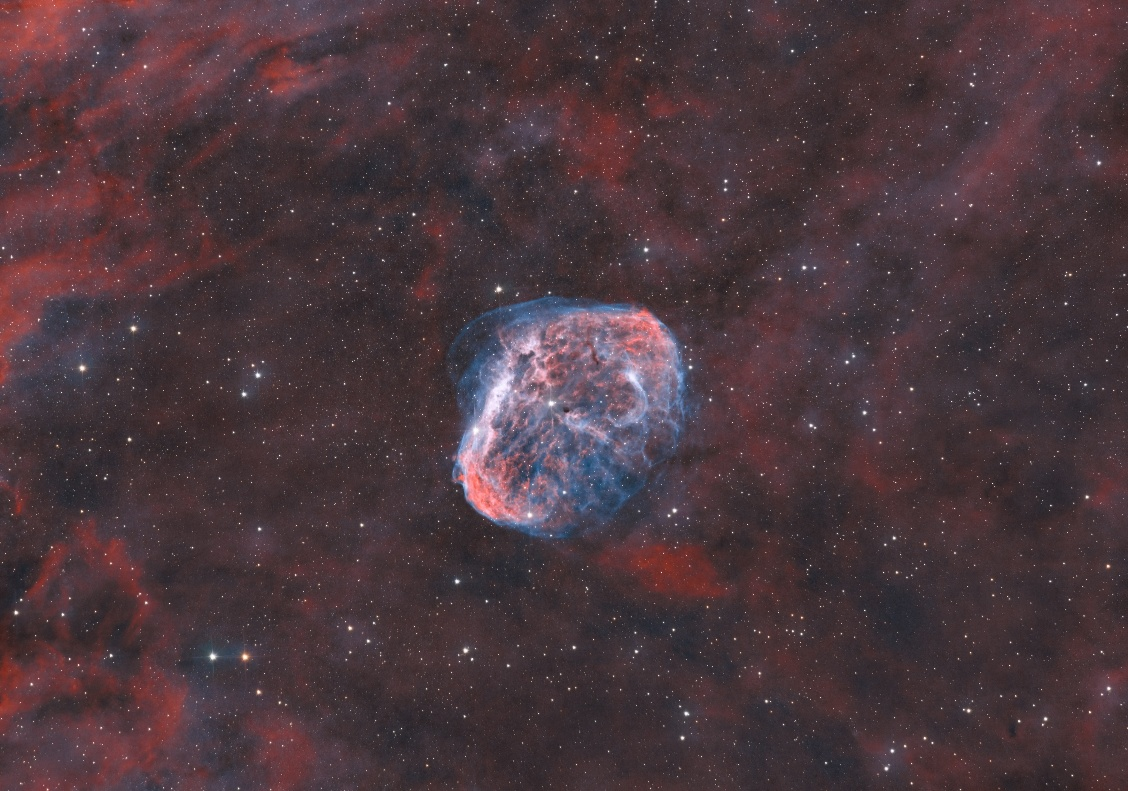
Figure 4 : Crescent Nebula, Newton 150/750 – ASI 1600 MM 13h 45′Aquisition time 13h 45′
That purchase proved to be important in more ways than one. Through David, I discovered his YouTube channel, which eventually introduced me to Yann Sainty, one of the most inspiring people I have met in this hobby. Inspired not only by his astrophotography but also by his generosity and humanity, I reached out to him.
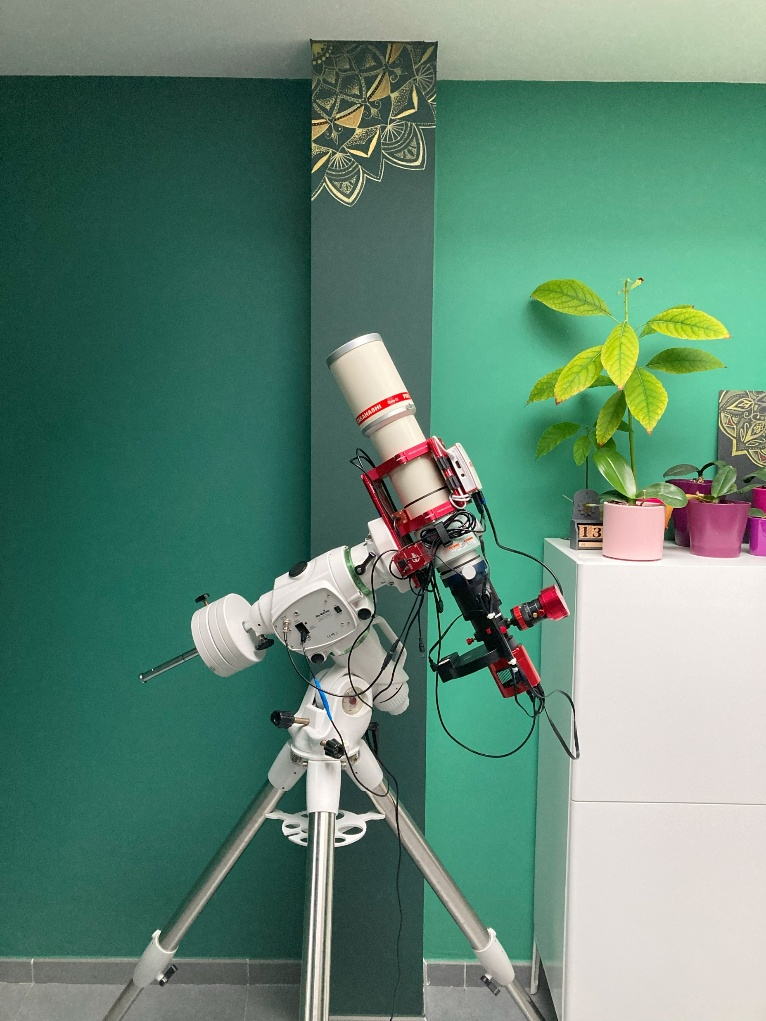
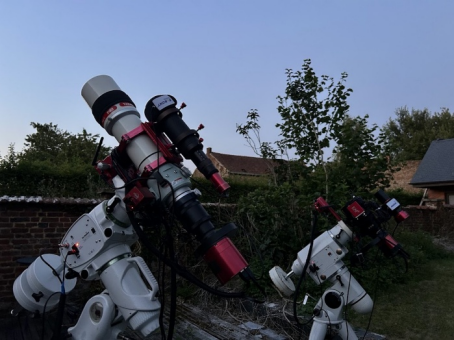
Through our discussions, Yann connected me with another astrophotographer who was selling a Takahashi FSQ-85ED refractor. In October 2022, I decided to invest in this new telescope, which significantly improved my capabilities and opened the door to more ambitious projects.

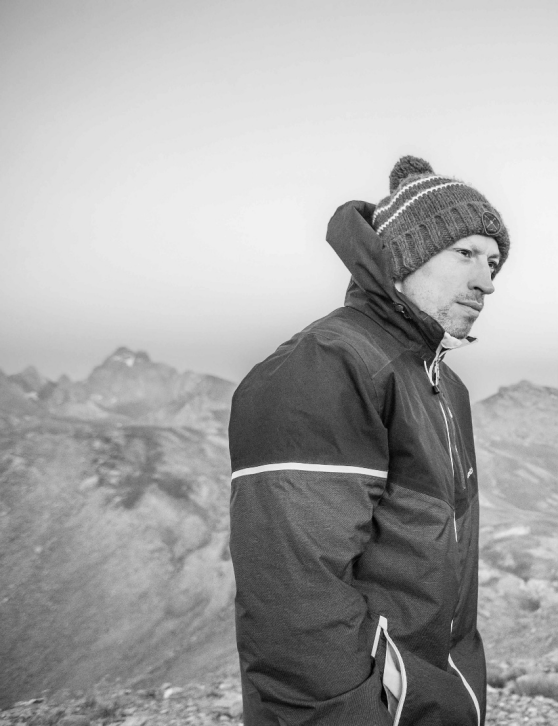
Figure 5 : From Newton to Refractor
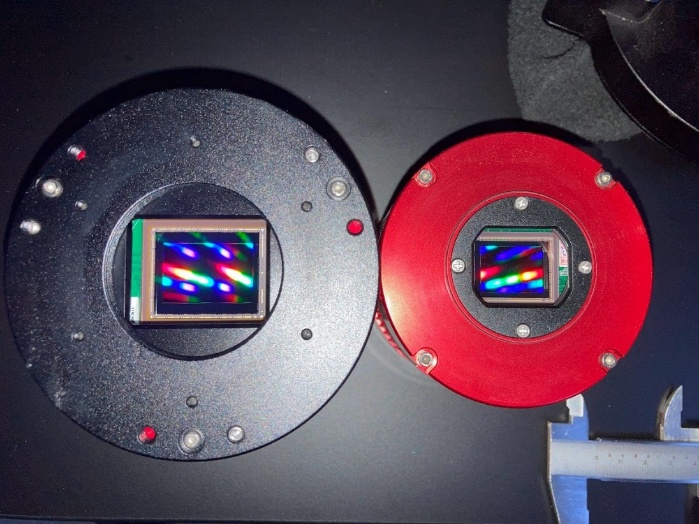
In May 2023, I upgraded again, this time to the ZWO ASI2600MM Pro, a camera that became the centerpiece of my imaging setup. Around the same period, I also built a second portable imaging system based on a 135 mm lens controlled by an ASIAIR Plus.
Figure 6 : from 1600 MM to 2600 MM a game changer (15 juin 2023)
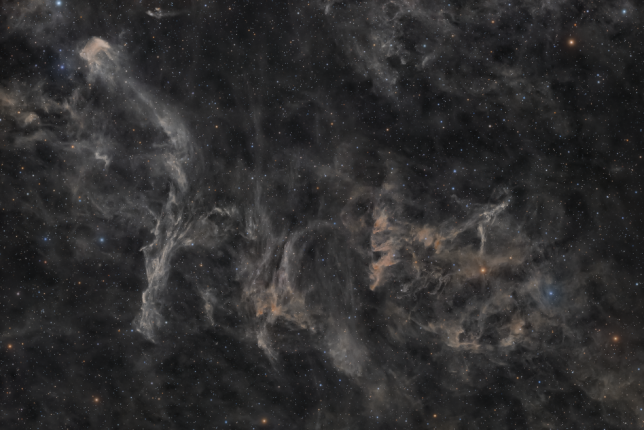
At the end of 2024, I joined the FACT Team (French Amateur Collaborative Telescope), a French speaking collaborative astrophotography group created by Louis Leroux that pools imaging data from multiple contributors. Living in Belgium, where weather conditions often make long-term projects challenging, this collaborative approach allows us to accumulate the dozens of hours of exposure required for advanced deep-sky imaging projects.
Figure 7 : LBN 569 and the celestial ‘comma’ (Team FACT june 2025)
Then came 2025, a year marked by exceptionally poor weather in Belgium. After months of frustration, Victor and I decided to send his imaging setup to Starfront Observatories in Texas. The system consisted of an Askar FRA600 refractor, a ZWO ASI2600MM Pro, a ZWO 2-inch filter wheel, ZWO filters, and a ZWO electronic focuser.
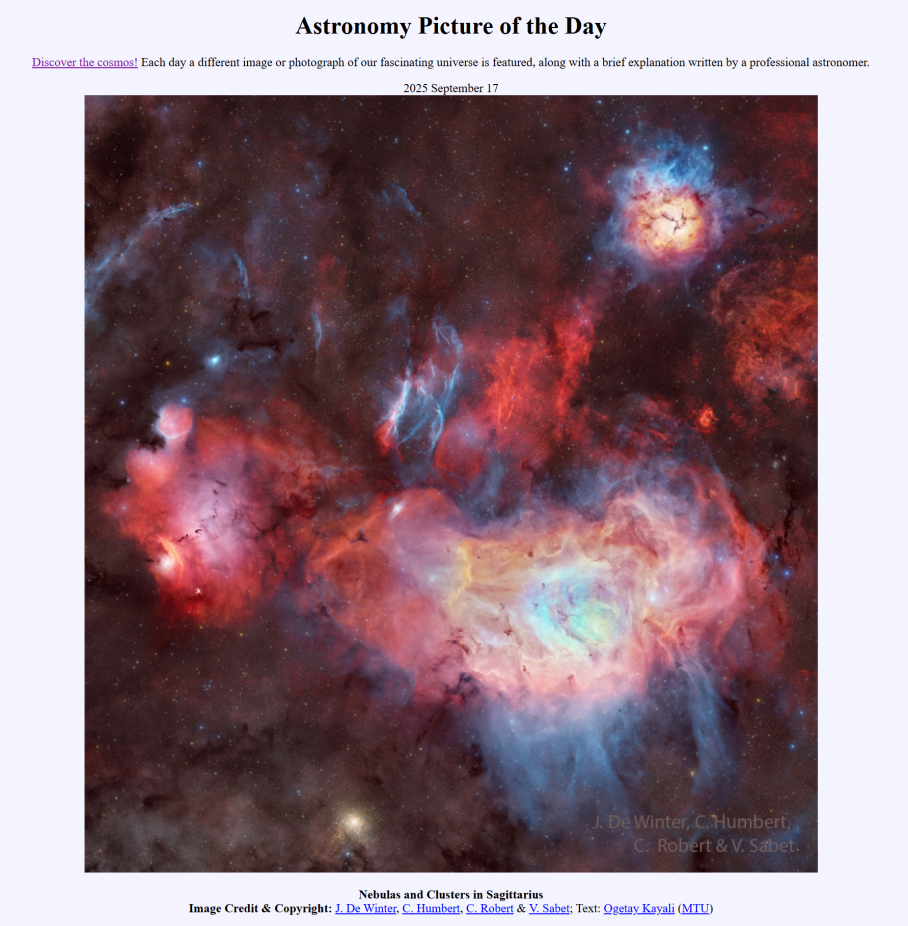
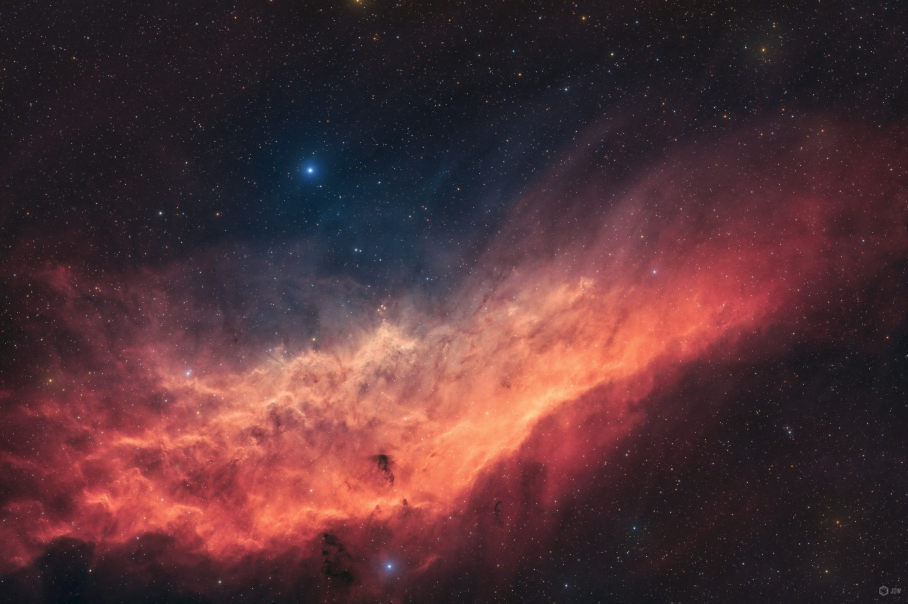
Access to the dark and stable skies of Texas transformed our imaging possibilities. For the first time, we were able to gather data of a quality and quantity that had been almost impossible to obtain from Belgium. The improvement was remarkable, allowing us to pursue increasingly ambitious projects and initiate new collaborations with Cedric Humbert and Charles Robert. This first collaboration also gave rise to our first APOD.
Figure 8 : https://apod.nasa.gov/apod/ap250917.html
Today, I continue this adventure without Victor, who no longer has the time to pursue it, while collaborating with the FACT Team, Yann Sainty, and several members of the Starfront community (Joydeep Bismas, Max Kuster,…).
In particular, Landon Boehm has given me the opportunity to process a significant amount of astronomical data, allowing me to continue learning and improving my processing workflow. When I started working with Landon, he had an Epsilon 180 ED equipped with an ASI 6200MC. He has since upgraded to an ASI 6200MM with LRGB and SHO filters.
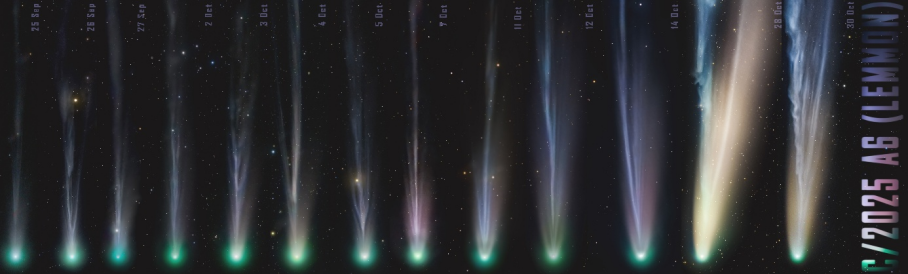
Over time in Starfront Observatories, I have found myself increasingly attracted to comets, particularly since the appearance of Lemmon in 2025. I had the opportunity to image it several timesover the course of a few weeks, eventually allowing me to build a panoramic view of the evolution of its tail.
Figure 9 : Goodbye Lemmon (C/2025 A6)
Among the various images capture with my scope (Figure 9), one has been recorded by the Landon’s telescope.
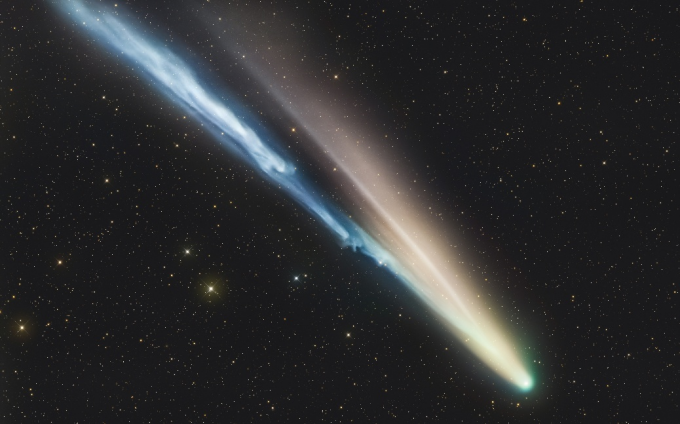
Since we started working together, he has given me the opportunity to process so many amazing images, and has also agreed to capture some of the targets I have asked for such this comet or also 10P/Tempel2 or 220P/McNaught.
Figure 10 : C/2025 A6 (October 28)
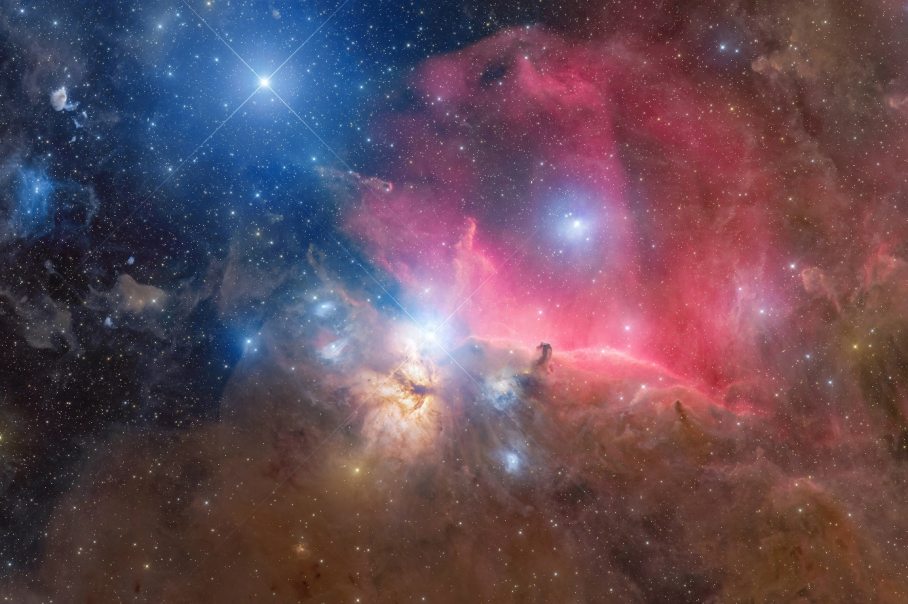
Figure 11 : The Dark Horse and the Cosmic Flame
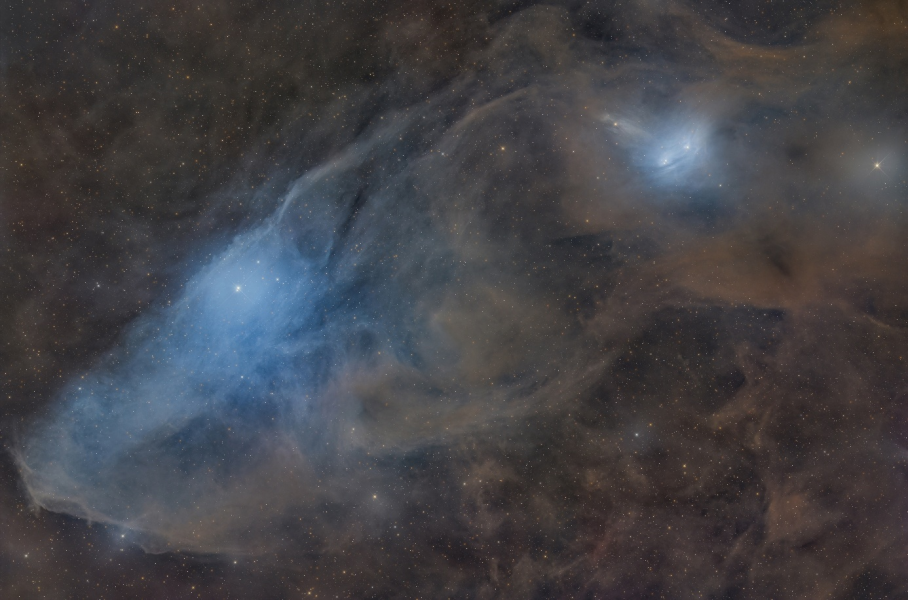
Figure 12 : IC 4592 aka The Blue Horsehead Nebula
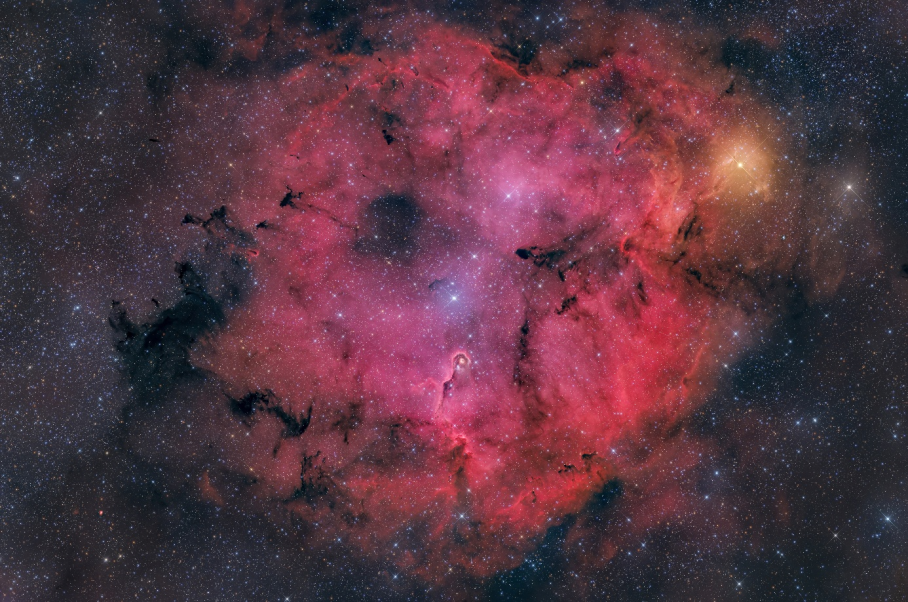
Figure 13 : The Elephant’s Trunk (IC 1396) – A Broadband View of a Stellar Nursery
As a scientist, I have always been fascinated by observing and understanding things that are invisible to the naked eye. In many ways, astrophotography extends that same curiosity beyond the laboratory. Whether through mass spectrometry, chemistry, or astronomical imaging, the goal remains remarkably similar: revealing hidden worlds and uncovering details that cannot be seen directly.
Nearly five years after that first evening with my daughter and the Moon, astrophotography has completely transformed my life. It has allowed me to discover countless deep-sky wonders, but above all, it has sparked a deep passion for comets, which now occupy a very special place in my heart.
Several of my comet images have been featured in prestigious publications, including The New York Times, American Scientist, and NASA’s Astronomy Picture of the Day (APOD). For someone who started by taking blurry smartphone photographs through a telescope, these recognitions were beyond anything I could have imagined.
Throughout this entire journey, ZWO equipment has been present at every major milestone. From my first ASI224MC to the ASIAIR ecosystem, the ASI1600MM, the ASI2600MM Pro, filter wheels, filters, and focusers, ZWO products have continually helped me progress and achieve goals that once seemed impossible.
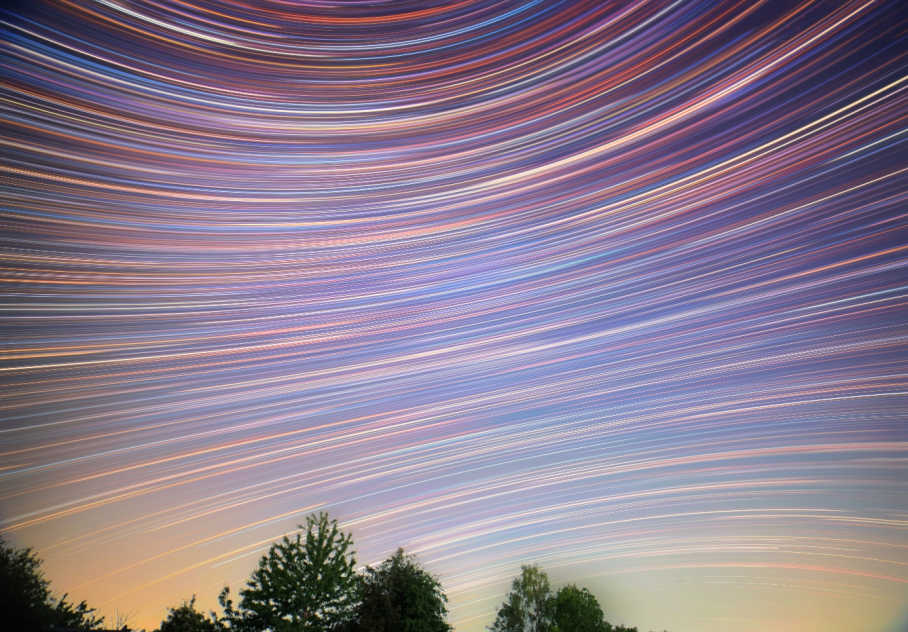
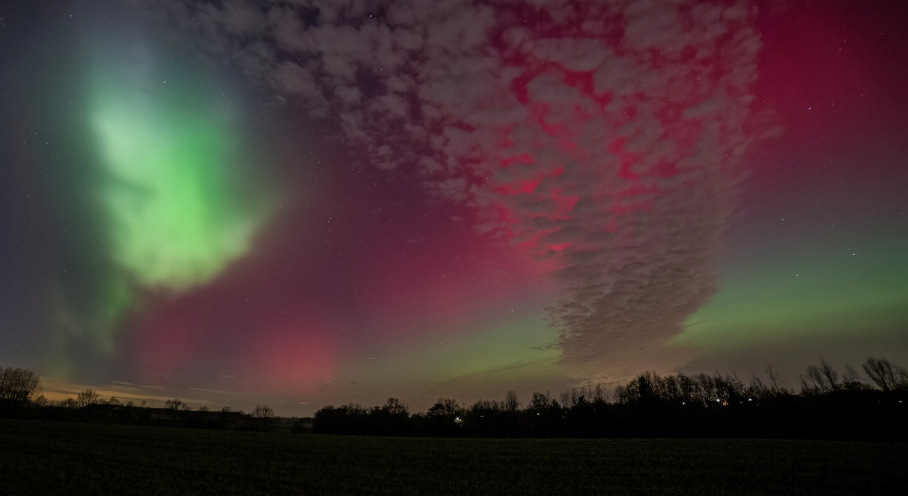
Although I have a telescope located in the USA, I also make the most of the clear skies in Belgium, imaging with different setups depending on the target and the circumstances. I use focal lengths ranging from 135 mm to 450 mm, as well as wide-field lenses when special astronomical events call for a broader perspective.
135 mm collaboration with Quentin De Meur
Astrobin link: https://app.astrobin.com/u/JDW85