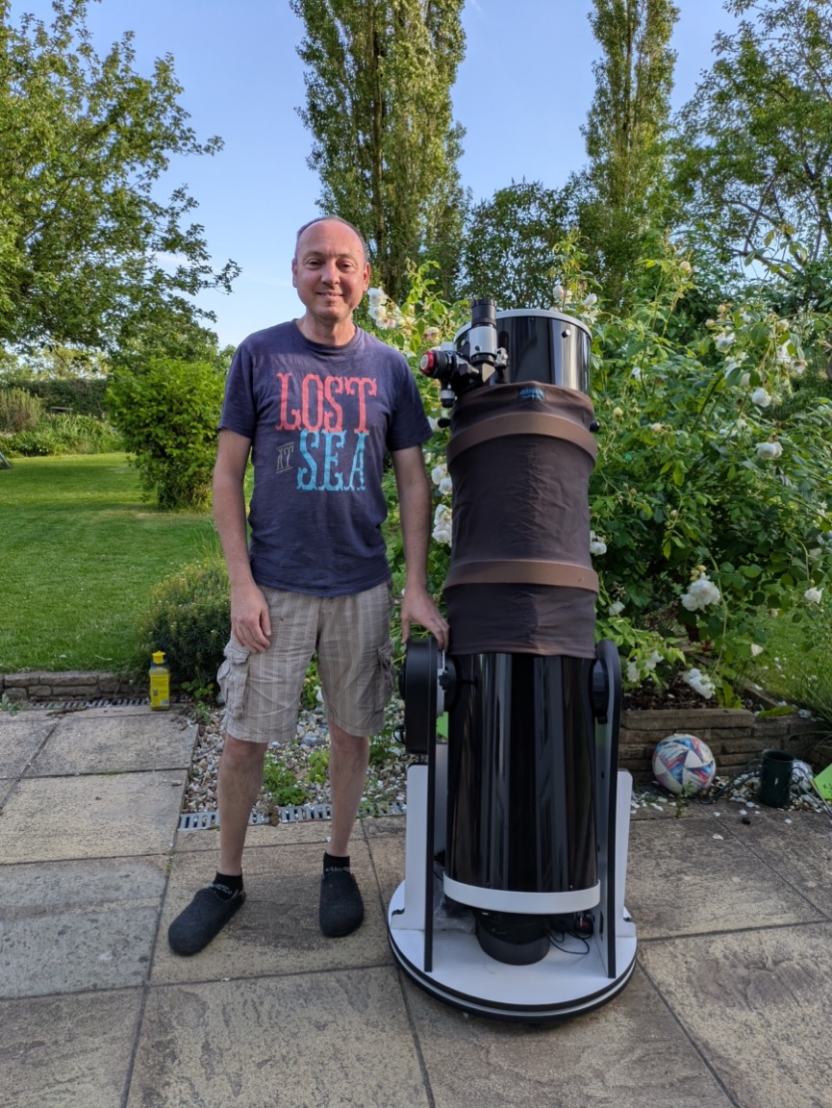
My name is Konstantinos Beis. I am a 48-year-old originally from Athens, Greece, but I have been living in the UK for the past 30 years.
I started serious astrophotography in 2021, although I had previously used my DSLR camera to photograph the Milky Way. My original setup was a manual 8-inch Dobsonian telescope, which was not well suited to deep-sky object (DSO) imaging because it lacked tracking capabilities. This naturally led me towards planetary imaging, as I could capture short videos for post-processing.
I quickly became fascinated by the dynamic nature of the planets, their cloud systems, rotation, and events such as moons transiting across their disks. Three years ago, I upgraded to a 12-inch GoTo Dobsonian, which has significantly enhanced my imaging experience. The tracking capabilities have not only improved my planetary imaging but have also allowed me to explore deep-sky astrophotography, opening up a whole new side of the hobby.
Winning ASIWEEK three times is a great recognition from the imaging community, and I am genuinely surprised given the many outstanding images submitted to ZWO site. Interestingly, two of these awards were for images of Venusian cloud features, a particularly challenging target to capture and process. There seems to be a trend emerging, and I believe it reflects the consistent workflow I have developed for producing high-quality Venus images.
Your Astrophotography Setup
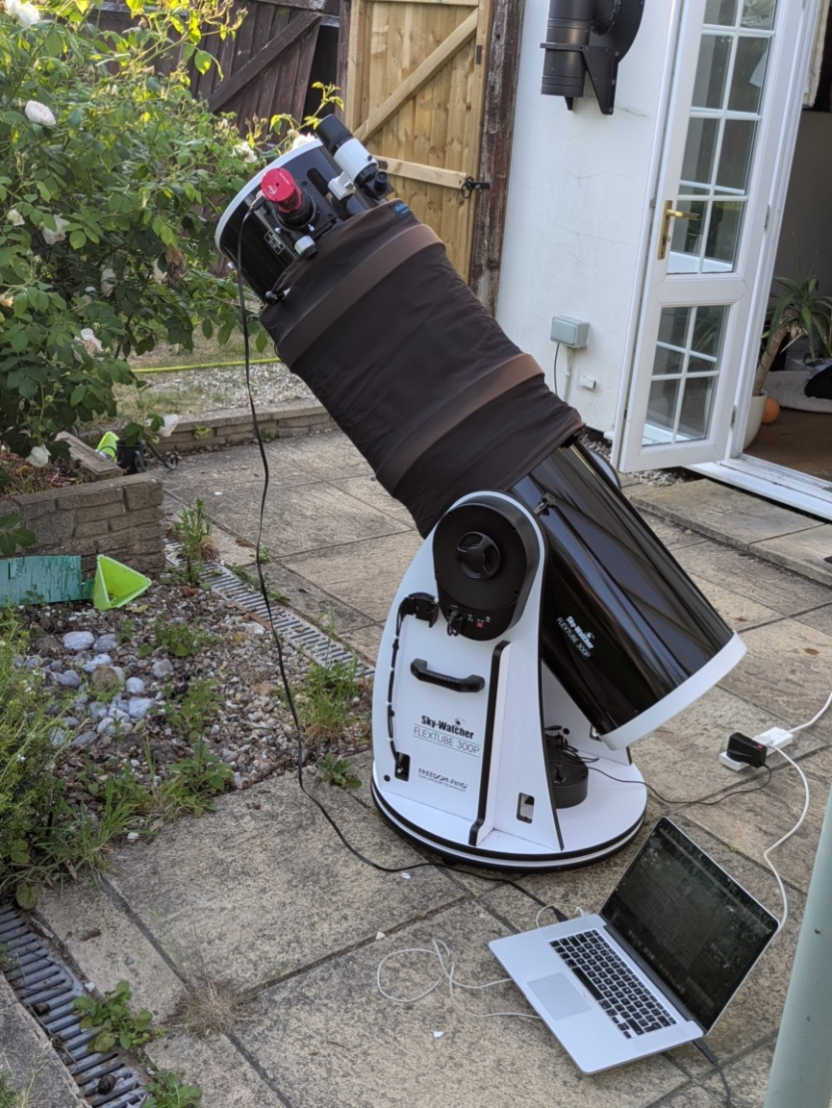
My current setup is a Skywatcher 300P Flextube goto (12”) Dob coupled to either an asi 585mc or asi 462mm. This combination has been put together for my planetary imaging. The mono camera is essential for the UV imaging of Venus clouds. My setup has evolved since I started in 2021 from a mobile phone at the eyepiece to my proper astrophotography cameras. The larger aperture (going from 8” to 12”) has greatly enhanced my imaging capabilities and the details I can resolve. Venus clouds fascinated me and the mono camera was essential to get these details.
Under the Stars: Your Shooting Experiences
I image from my back garden in rural Wiltshire. Although dark skies are less important for planetary imaging, I am fortunate to have relatively dark conditions for my deep-sky imaging as well. I enjoy spending time outside under the night sky, looking up at the stars while my equipment is capturing data. I also make a point of observing through the eyepiece whenever possible, especially when interesting events such as moon transits on Saturn or Jupiter are taking place.
There is something very peaceful about being outside at night, and after a long day at work, I find it incredibly relaxing.
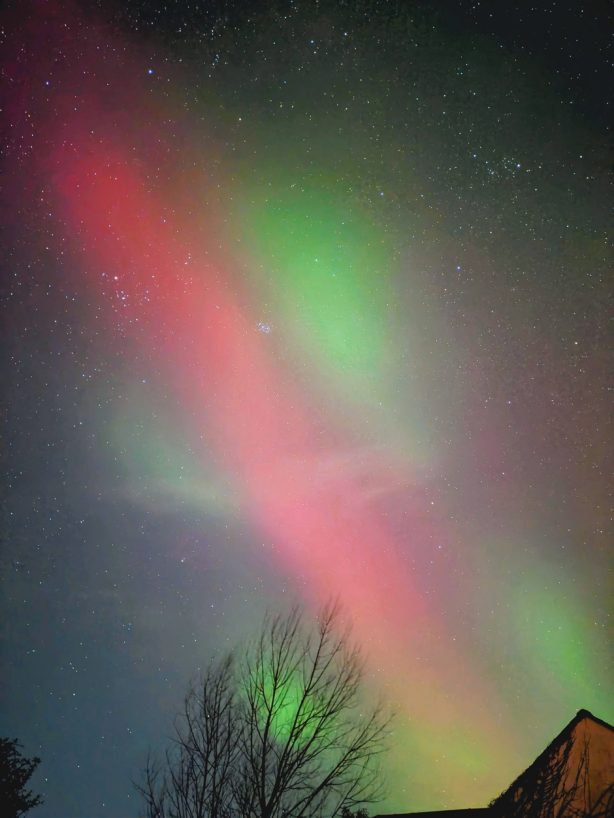
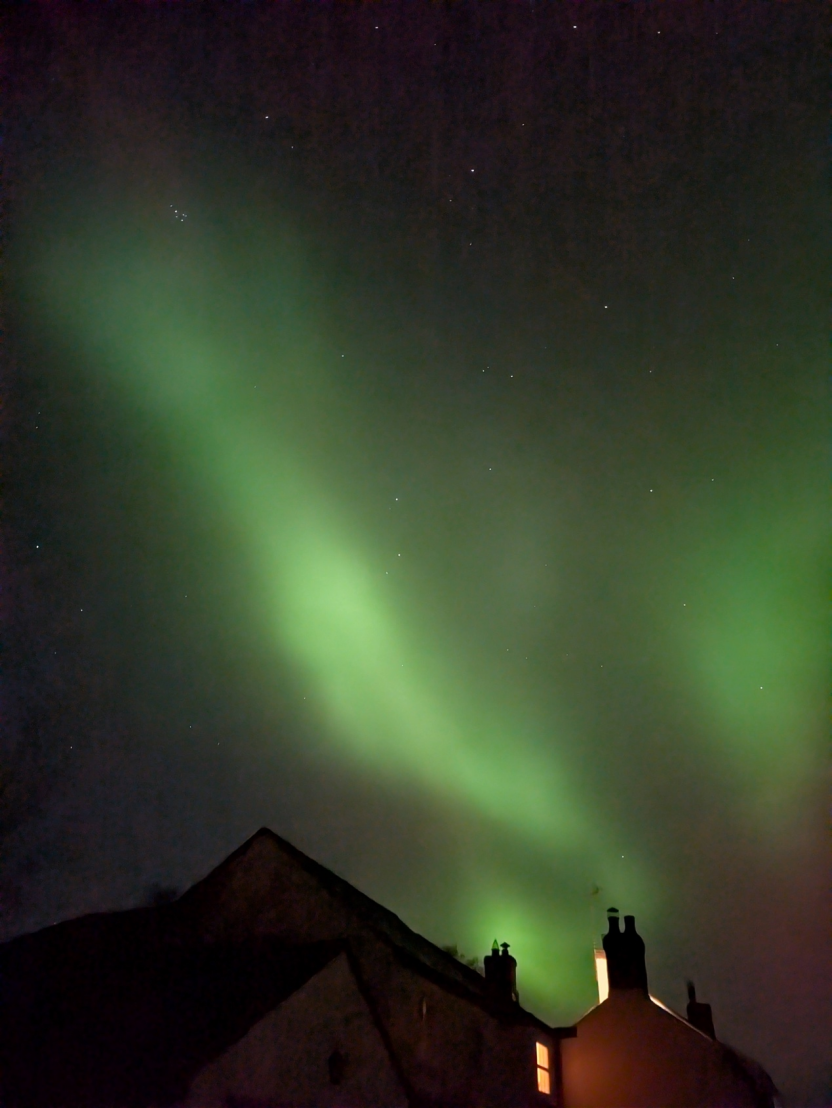
Aurora from my backgarden during the solar activity from earlier this year.
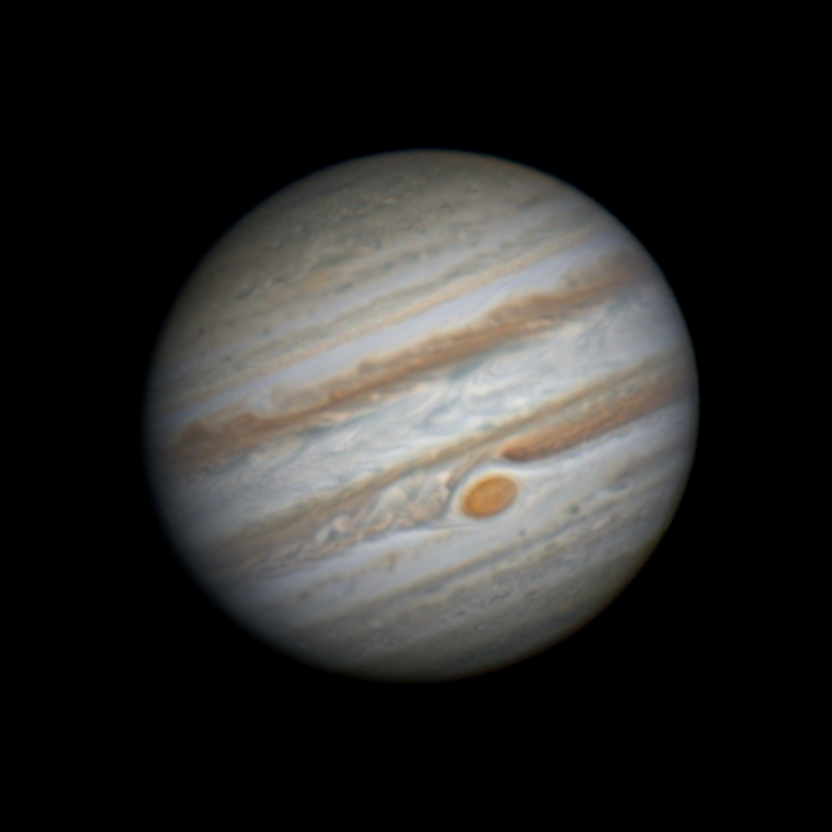
The best feeling, however, is when I begin imaging a planet and can immediately see excellent detail in the raw video feed. At that moment, I know the conditions are good and that the final images are likely to be of high quality. One of these moments was a recent Jupiter image that I captured where the Great Red Spot (GRS) and different cloud bands were visible on the laptop screen.
Jupiter under very good seeing. Captured using a Skywatcher 300P, Flextube goto, asi 585mc, x3 barlow with a UV/IR cut filter.
The Challenges You’ve Faced
The toughest challenge for planetary imaging has been the weather which I cannot do much about it. The overhead jetstream can be very challenging to get stable conditions to get high resolution images in the UK. I have found that DSO imaging is a lot more forgiving and when the seeing is not ideal or the planets are not in view, then they are my go-to targets.
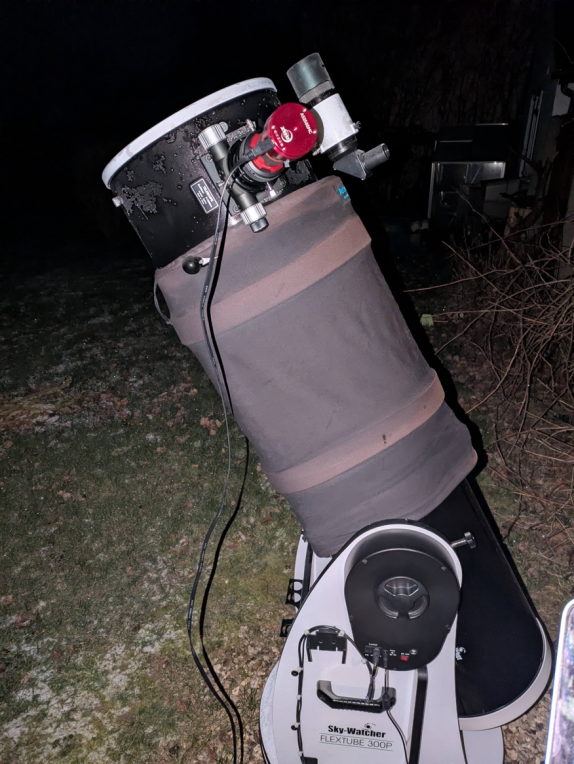
The frosty winters is another challenge but it usually means good seeing. At least the equipments are up to the challenge
The 12” Dob covered in ice.
Post-Processing & New Insights on Planetary Shooting
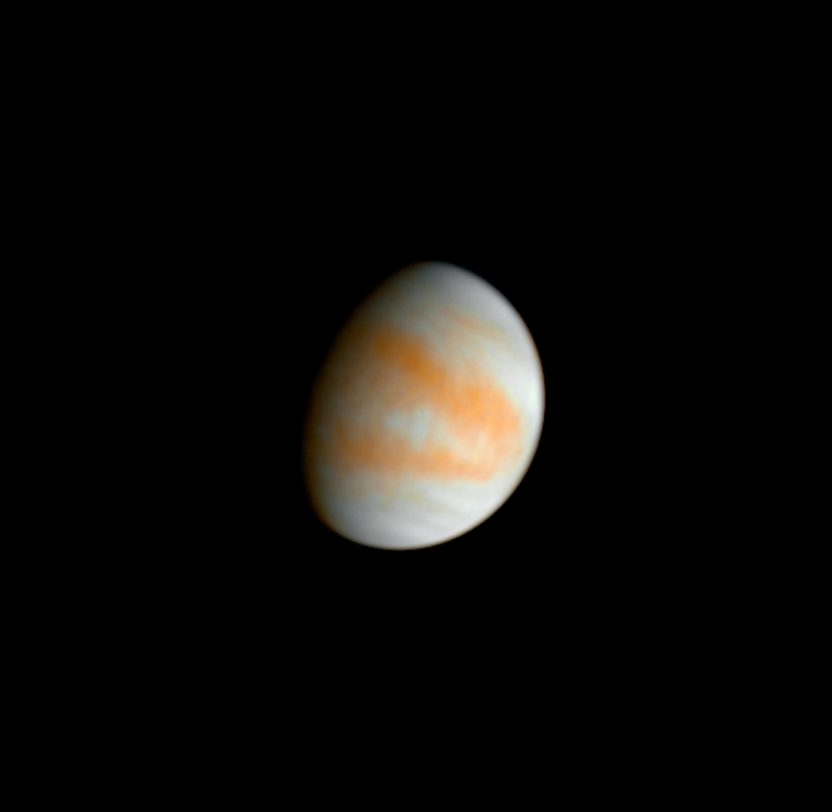
Since this interview is about my winning Venus image I can give you a brief account of my processing. My workflow is pretty unchanged, where I try to collect as many possible videos with either the UV or IR pass filters. I stack them using AutoStakkert!4; it depends on the quality I will select between 25-50% of the frames for the UV and 10-15% for the IR. I combine each filter images using Winjupos and derotate them. I finally sharpen them in Astrosurface. The colours come in postprocessing in Gimp where I assign UV to blue channel, IR to red and I make a synthetic green from 50% UV and 50% IR. I colour balance in Astrosurface and further colour manipulation in Gimp.
Venus clouds under excellent sight. Captured using a Skywatcher 300P, Flextube goto, asi 462mm, x3 barlow with either a UV pass and IR pass filters.
Your Most Proud Achievements
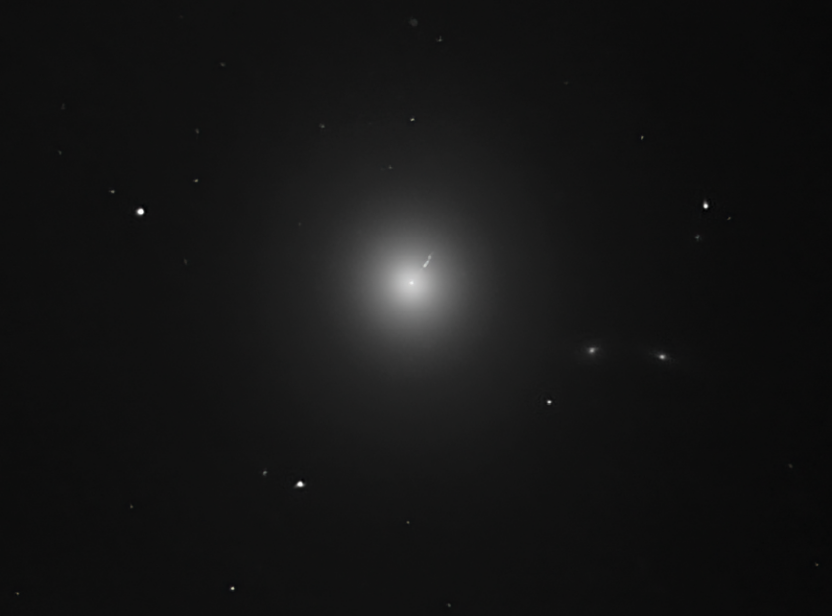
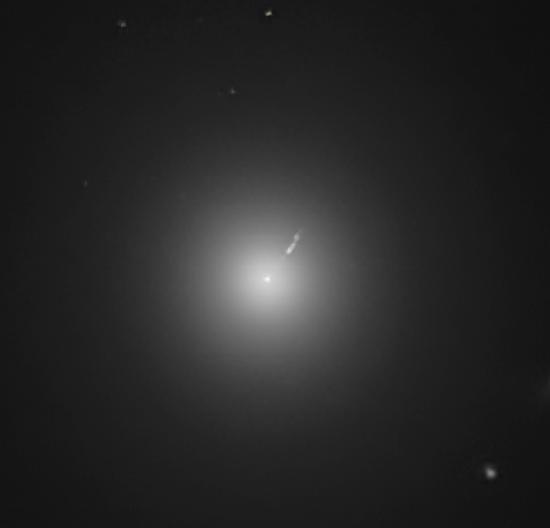
Imaging the planets is what really excites me, but I also enjoy challenging DSO imaging. Capturing the relativistic jet of Messier 87 (M87) in high definition has been a personal achievement. M87 contains a supermassive black hole whose relativistic jet ejects particles at nearly the speed of light and extends for about 5,000 light-years. Being able to capture this jet in an image is incredible when you think about the extreme physics it reveals.
M87 jet. Captured using a Skywatcher 300P, Flextube goto, asi 585mc with an IR pass filter. First image is the wide field of view and second a close crop around the M87-jet.
Looking Ahead: Your Vision & Goals
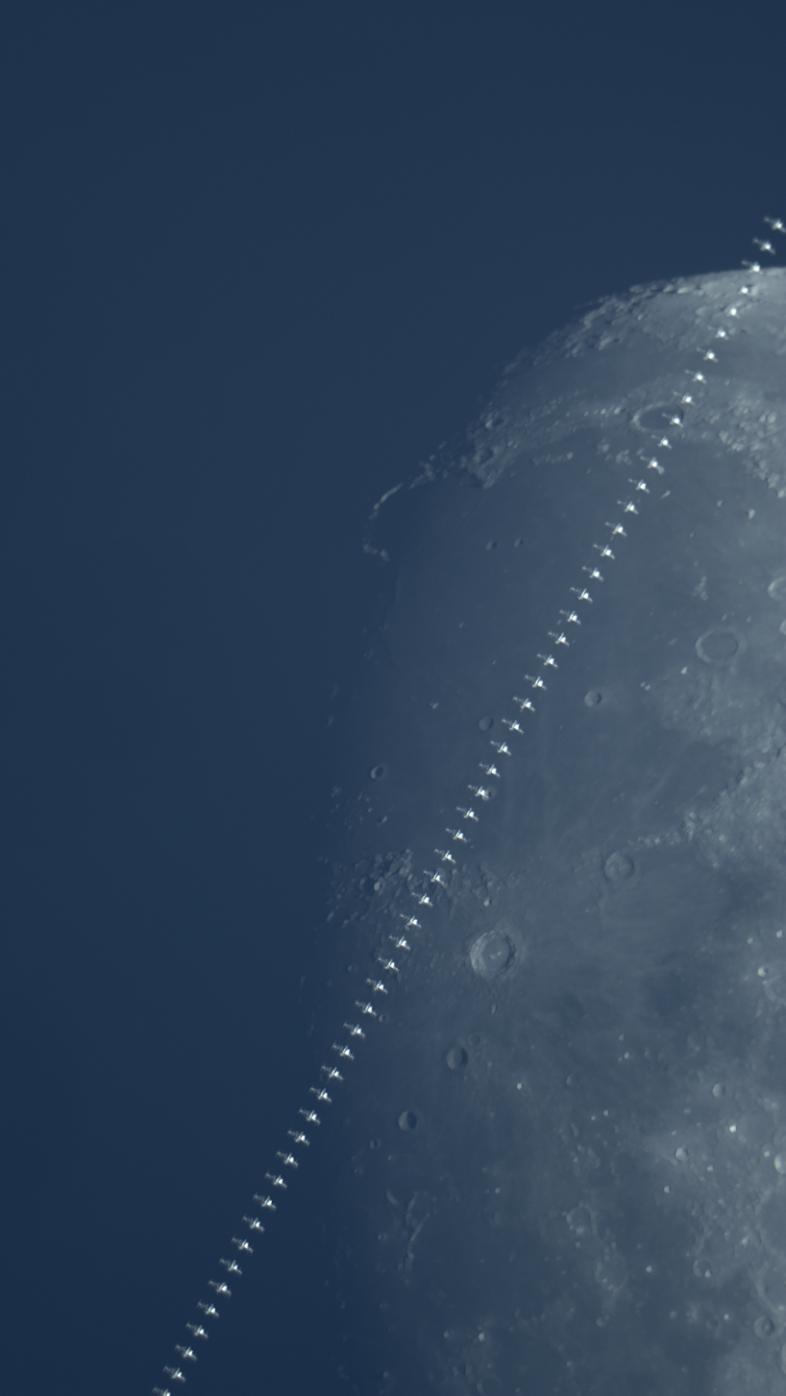
A dream project that finally came to fruition was to capture a lunar transit by the International Space Station. After careful planning and the cooperation of the weather, I was able to get a daylight lunar transit earlier this year.
ISS transiting the moon. Captured using a Skywatcher 300P, Flextube goto, asi 585mc with a UV/IR cut filter.
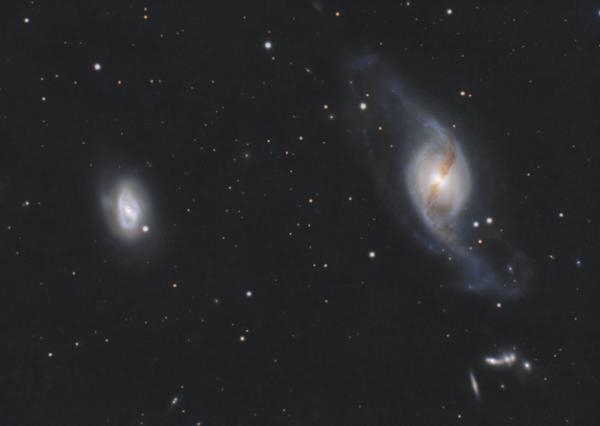
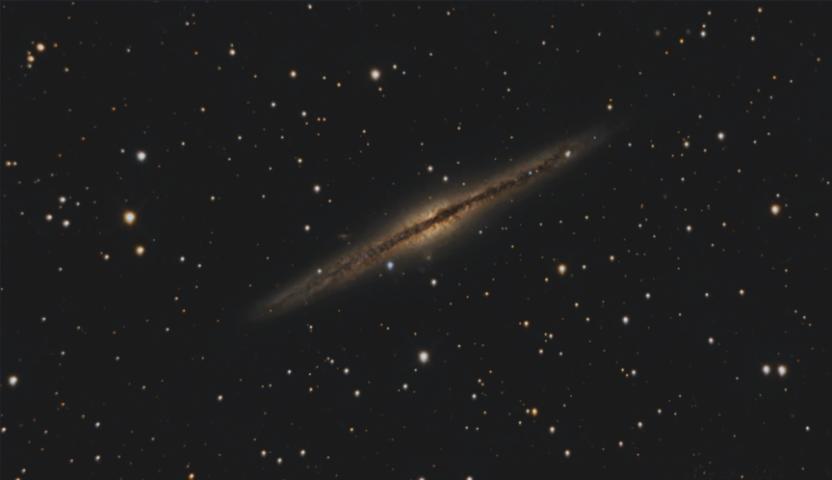
Besides planetary imaging, I am getting more and more interested in DSO imaging and especially planetary nebulas and galaxies. Due to my limited field of view, I am targeting these smaller DSOs.
NGC3718
NGC891
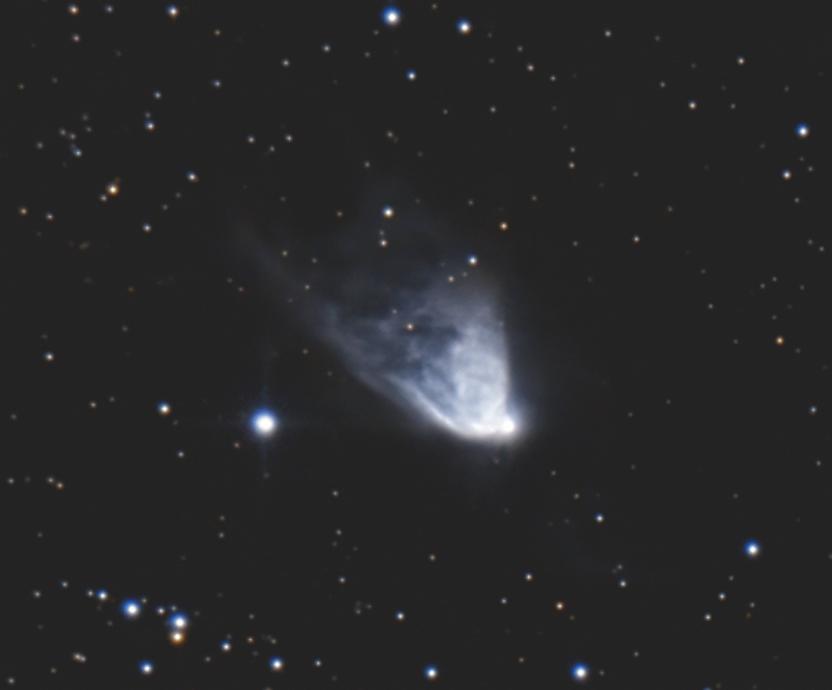
NGC2261
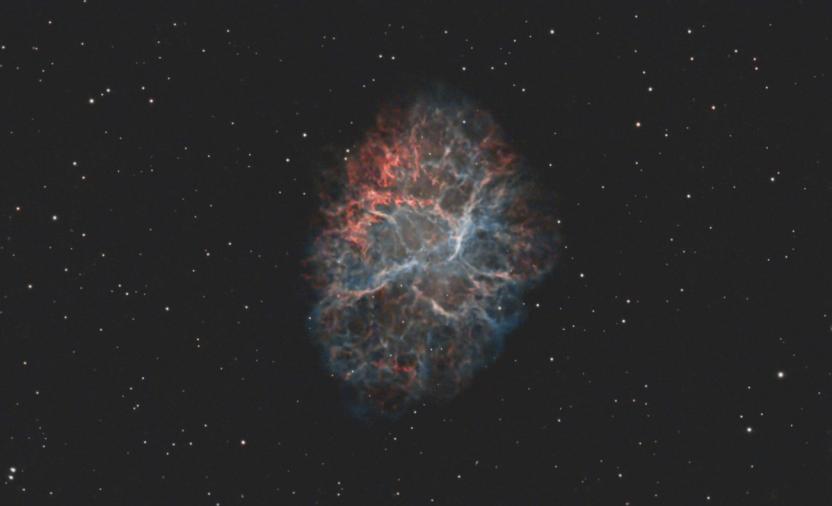
M1
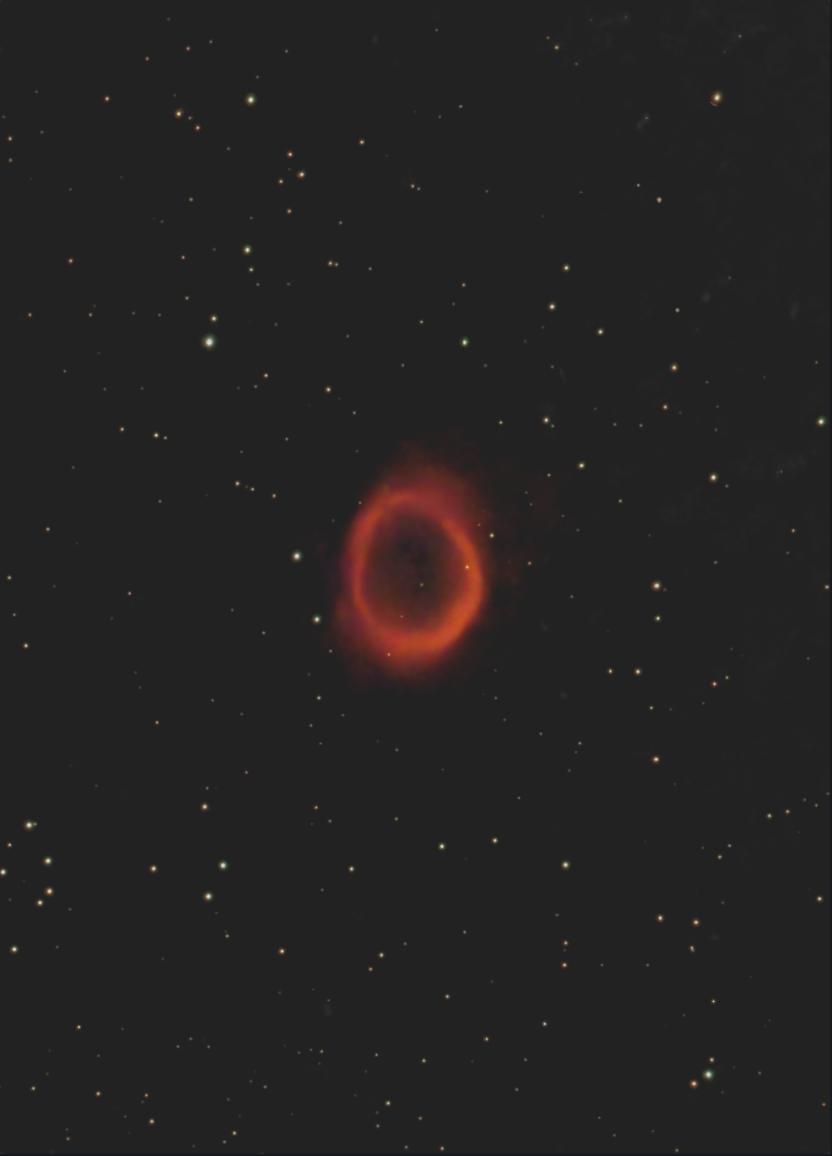
Abell 13
ZWO: Your Partner in Astrophotography
I use an asi 585mc for planetary and DSO colour imaging and my trusted asi 462mm for its excellent UV and IR sensitivity. The asi 585mc was an upgrade from the asi 462mc for planetary imaging as it has very good colour balance but also excellent IR sensitivity. It is an excellent camera for my DSO work too.
Some astrophotographers spend years searching for the perfect image. For Deqian Li, the journey began only in 2024—yet within a remarkably short time, several of his images have already been
Part 1: What’s New in ASIAIR V3.0 New Features Optimized & Fixed Telescope Network is now live No matter where you are, as long as your device is online, you
How It All Began Meet Benoit De Mulder(@ bigbenuniverse) , 52, and started visual astronomy at the age of 8. “For as long as I can remember, I’ve been fascinated
Preparations in Advance On April 8, 2024, my wife, two of my daughters, and I drove to Beaulac-Garthby, a small municipality in Quebec, Canada, a little under 900 km from
Tracy Cao is a 45-year-old stay-at-home mom based in Pleasanton, California, who discovered her passion for astrophotography in the summer of 2021. Although she is relatively new to the industry,