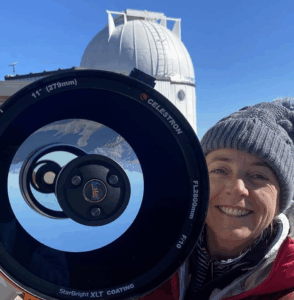
In 1994, I built my first fully functional reflecting telescope in Hungary with my own hands. In the former Eastern Bloc countries, telescopes still could not be purchased in stores at that time—everyone constructed their own instruments, often with the help of skilled craftsmen. The optics were ground by experts at the Urania Public Observatory in Budapest for the country’s amateur astronomers. With this 125/1000 Newtonian telescope and a homemade, motorless equatorial mount, I captured my very first images of the Moon on ISO 100 black-and-white negative film. I had to wait a full week for the results, as the local photo shop needed that much time to develop them. My first color photo of the Orion Nebula was taken in 1997, using a hand-guided, single-motor homemade equatorial mount. The exposure time was 40 minutes on Kodak Ektar 1000 film. Around this time came the spectacular comet of the century’s end, C/1995 O1 Hale–Bopp, which I also photographed. After that, for a long period I focused on visual observations only, taking part in school outreach programs across Hungary and leading astronomy workshops in nature camps. The first wave of digital photography reached me in 2006 (with a Canon EOS 300D), but I did not have the time to immerse myself in it—only a few modest attempts fit into my limited spare time. The true breakthrough for me came in 2018 with the appearance of ZWO cameras, and especially the AsiAir. Since then, I have been in continuous development.
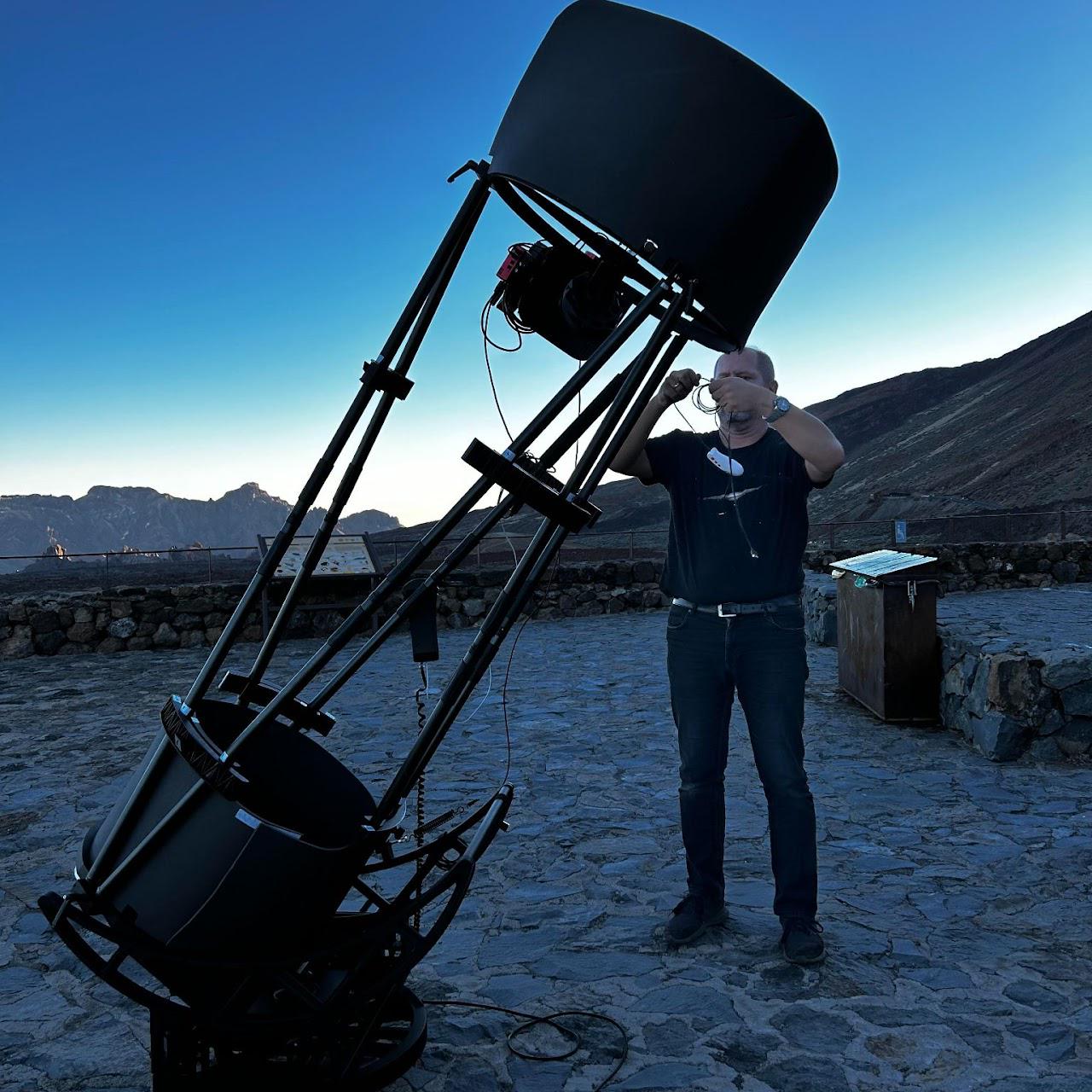
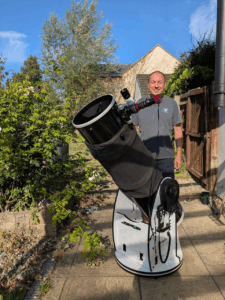
At present, my primary imaging instrument is a SkyWatcher 500P GoTo Dobsonian telescope, which has been my main setup since 2018. Although an alt-az mount is not ideal for astrophotography due to field rotation and other limitations, I am persistent. Together with my friends, I developed a dual-motor equatorial platform with ST4 guiding capability. Once mounted on this platform, the large Dobsonian became a true imaging tool. I use an AsiAir Pro computer, a focus motor, and several ZWO color cameras: the Asi294MC Pro, Asi178MC, and Asi585MC. I greatly admire the AsiAir—it is an exceptionally well-designed and brilliant device; in fact, I was among its earliest preorder customers in 2018. For guiding, I use a 50/185 finder scope paired with an Asi120MM Mini.
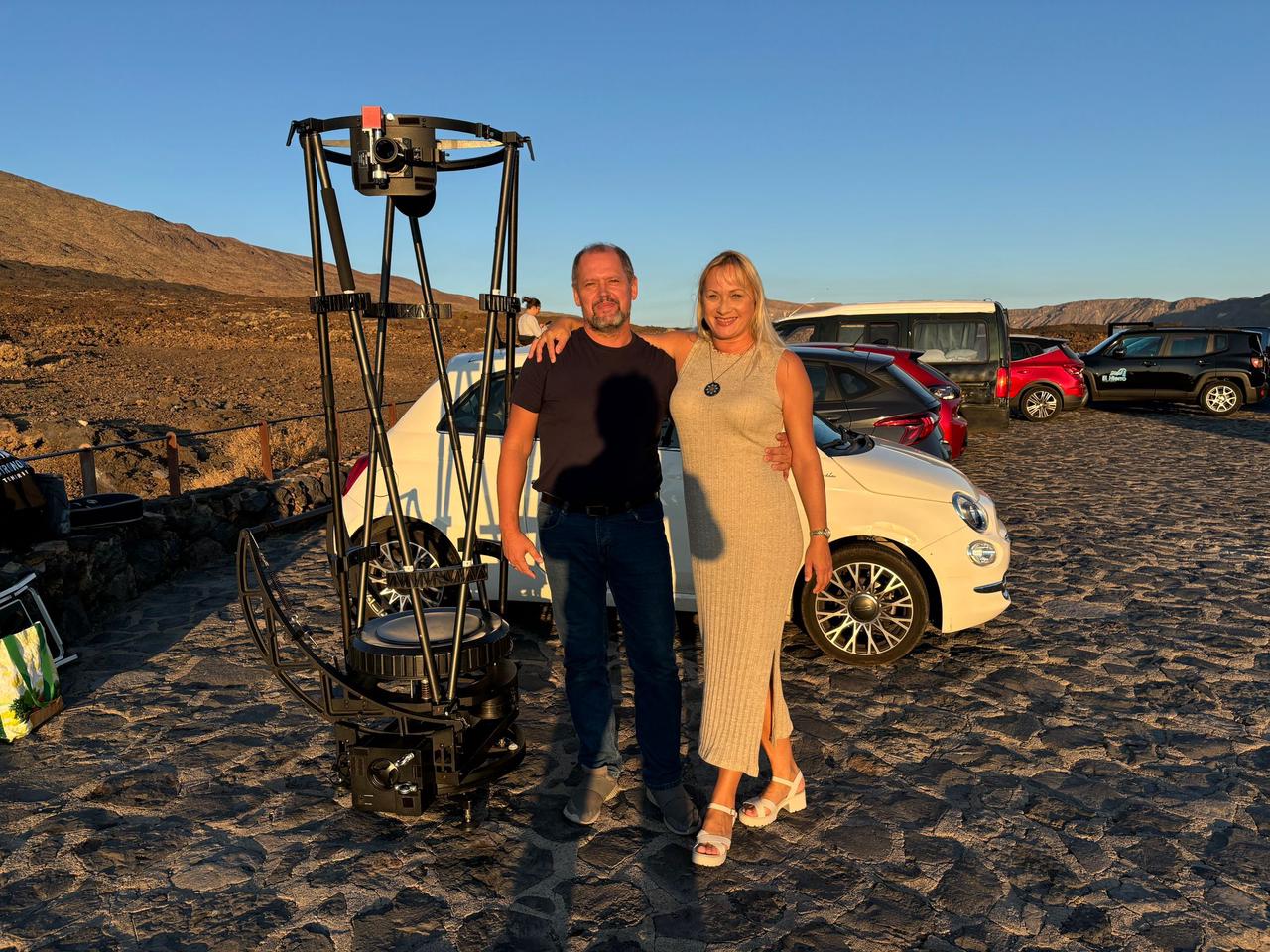
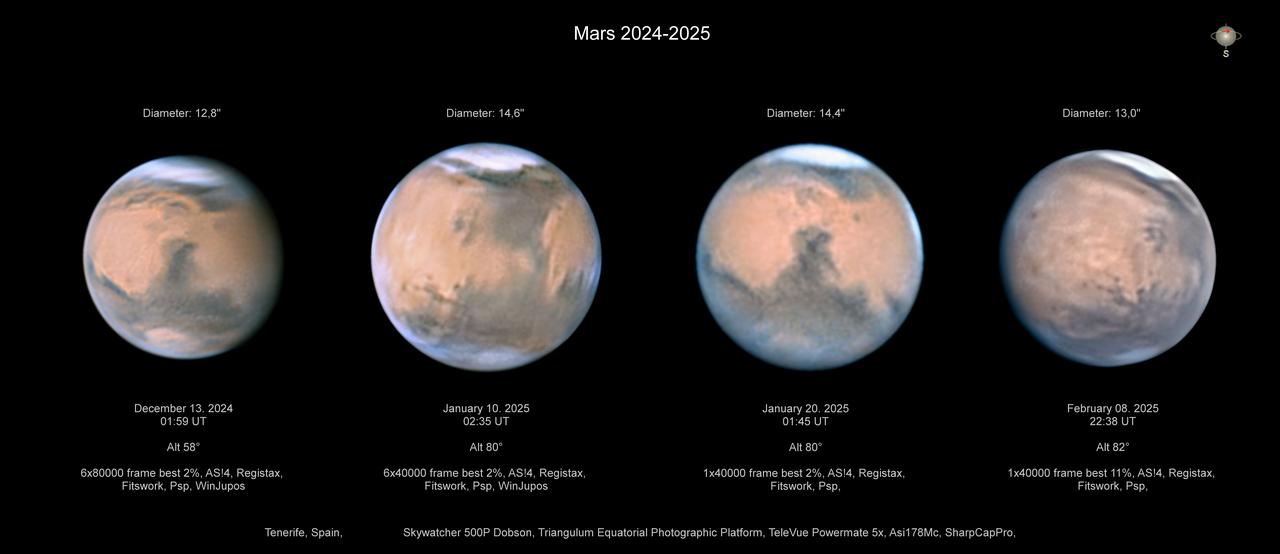
In Hungary, I photographed under Bortle 4–5 skies at an elevation of 185 meters, in the outskirts of a town of 60,000 residents. Our home’s terrace faced south, but the streetlights—especially after recent upgrades—made imaging increasingly difficult. In winter, rising smoke and warm air from neighbors’ chimneys further limited my opportunities. In the summer of 2023, my wife Anna and I moved to Tenerife in the Canary Islands. Here we operate a stargazing business for tourists at elevations above 2,000 meters. After our programs conclude, I usually remain on site to photograph; the skies here are Bortle 1–2. It is a breathtaking experience to stand alone on the slopes of the volcano in Teide National Park under a sparkling sky, while a few dozen kilometers away, along the coast, millions of people enjoy their holidays. At 2,100 meters, in perfect calm, the target drifts into the screen, and the imaging begins. That moment tells me everything is working flawlessly, and the next few hours will be my connection with the Universe.
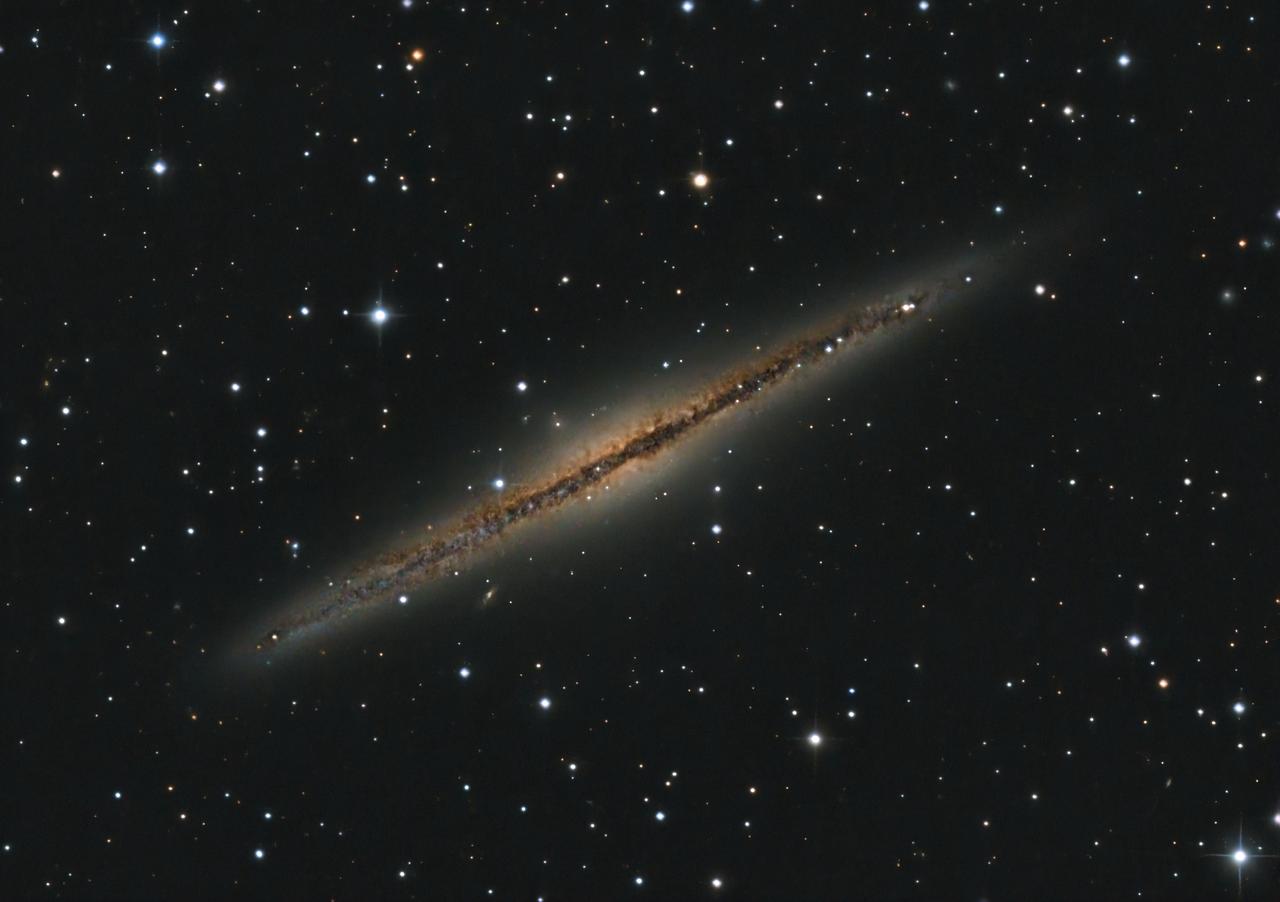
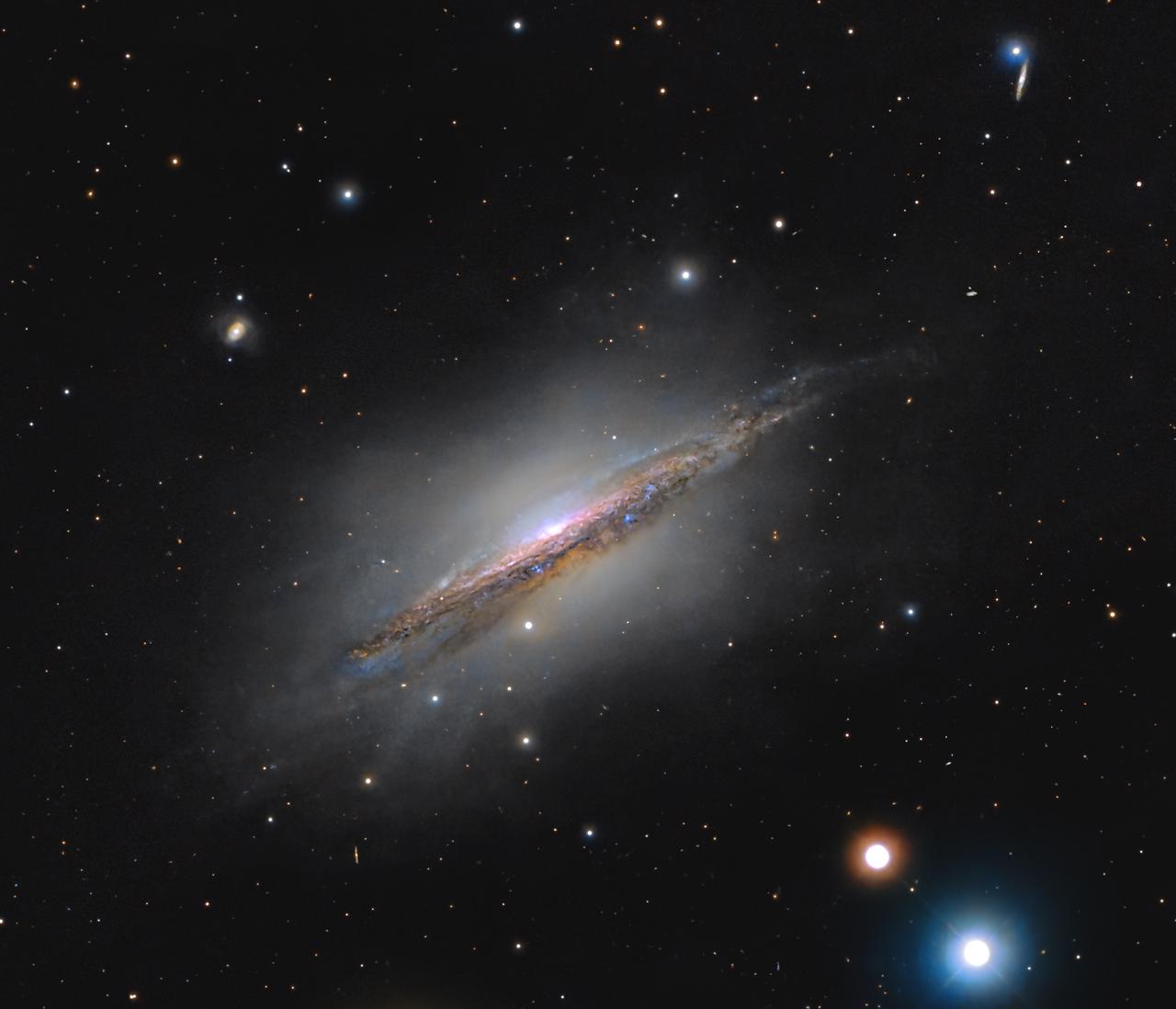
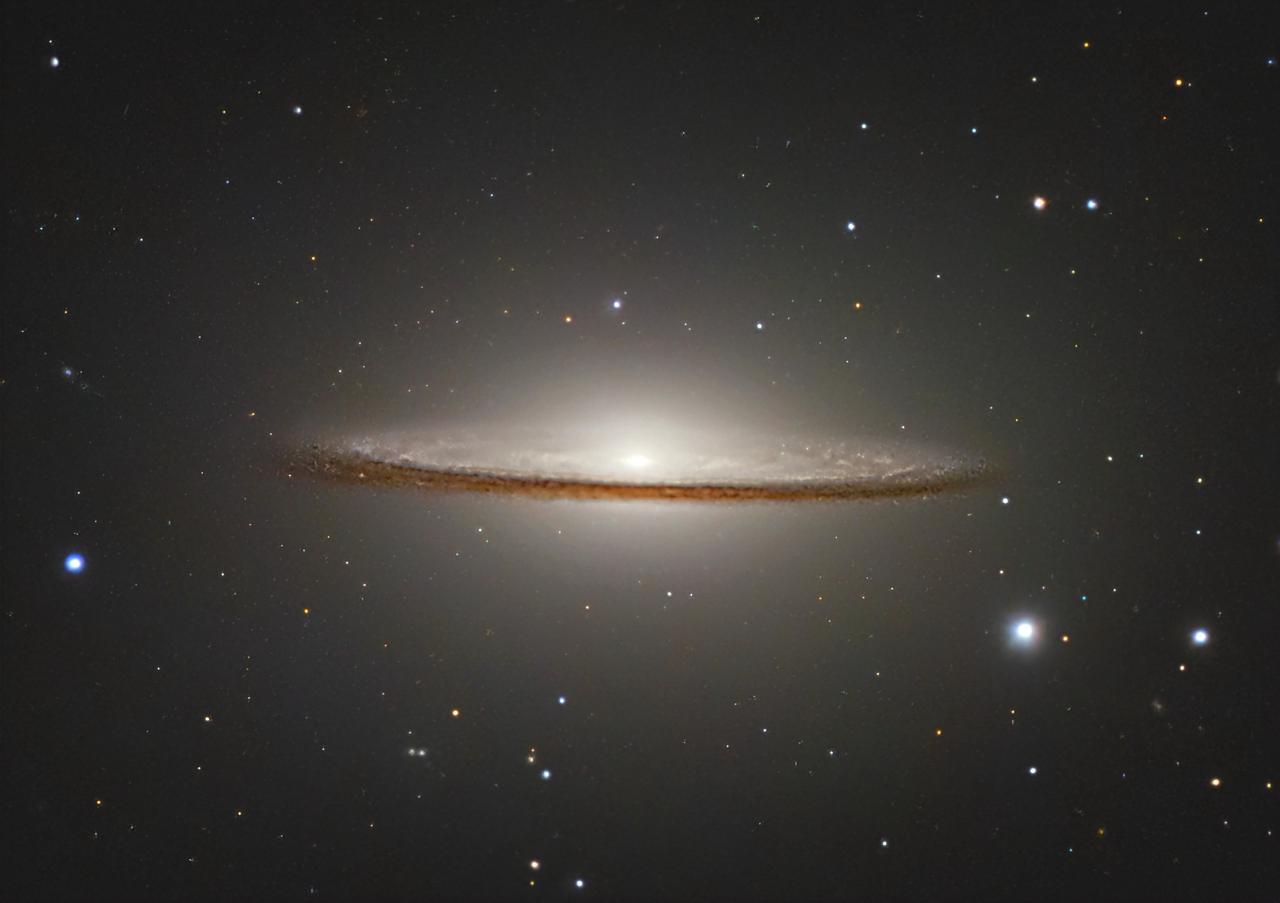
NGC891 Tenerife 43minCrop
I watch each subframe as it arrives, the details of galaxies, the faint streaks of distant asteroids, or the trails of meteors—sometimes visible only as a fleeting flash in the corner of my eye. Recently, Anna has begun joining me during these sessions, and I owe this to the Seestar S30! This remarkable little instrument captivated her so much that since we bought it, she has become an astrophotographer herself.
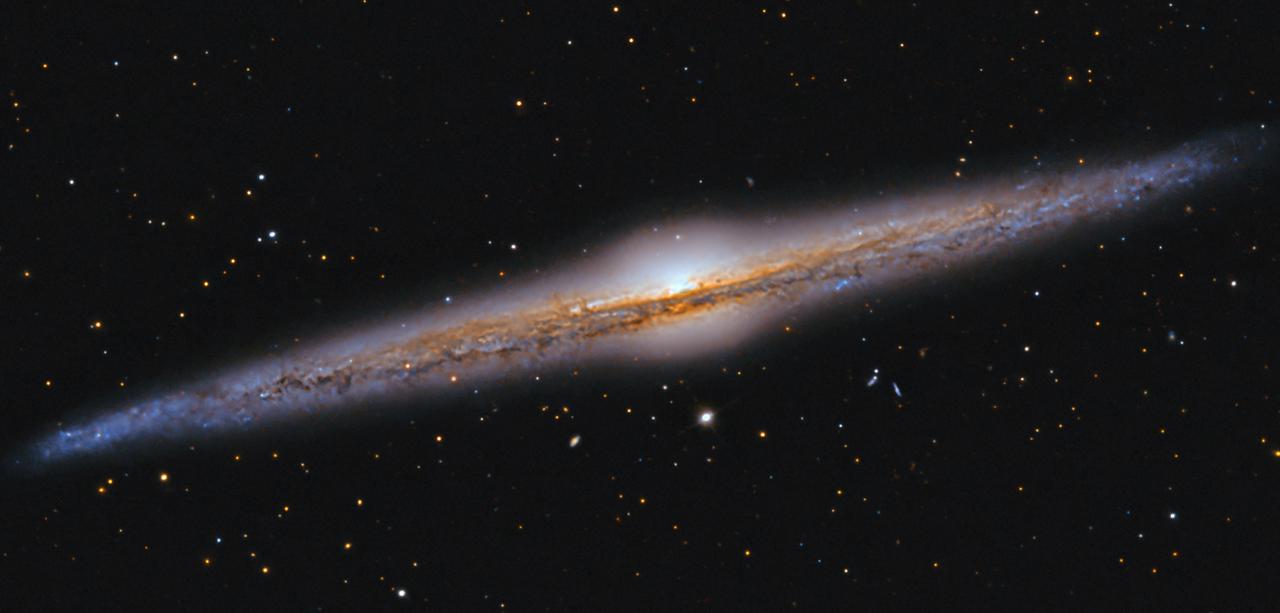
NGC4565
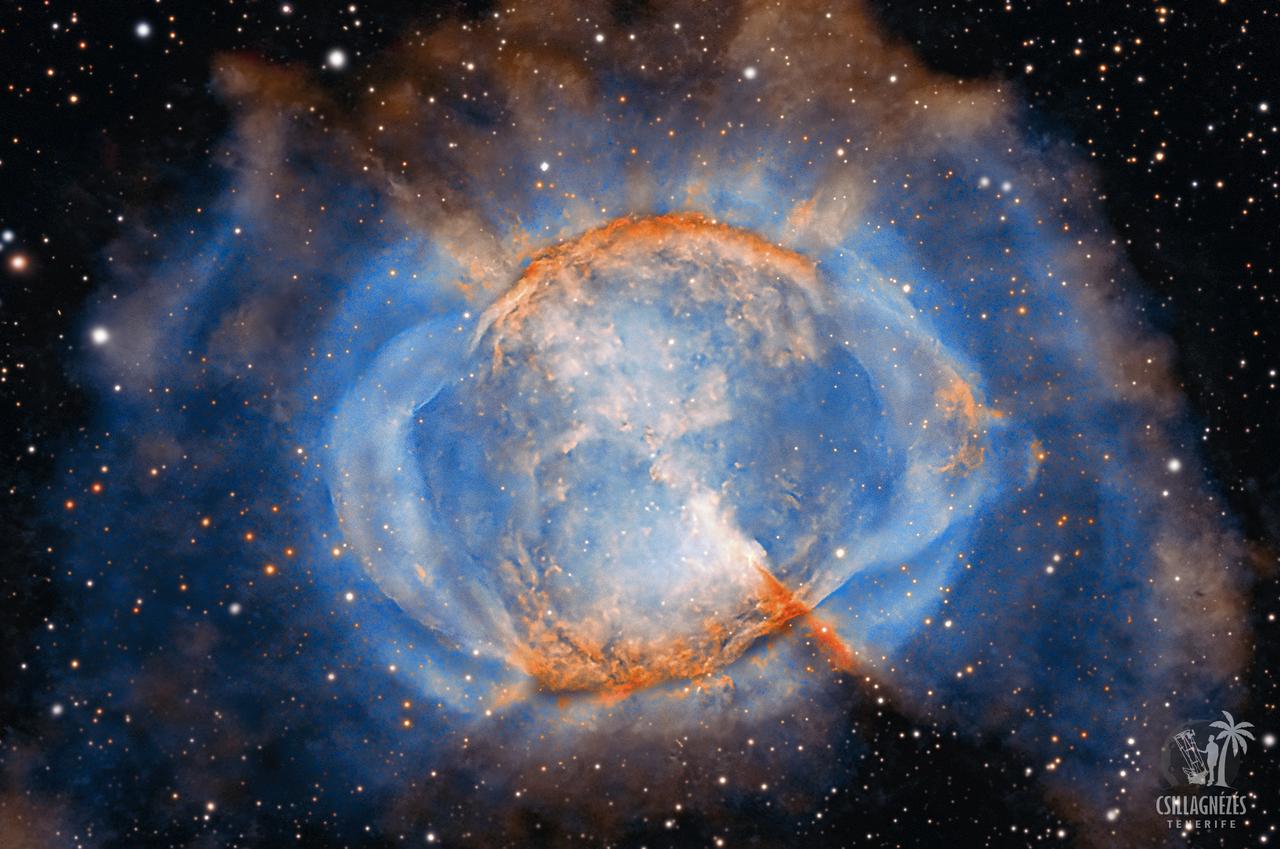
This summer I began photographing two famous planetary nebulae: the Ring Nebula (M57) and the Dumbbell Nebula (M27). The M57 project is still not complete—I will only be able to finish it next year. I can capture high-resolution raw frames only in entirely windless conditions, and this year provided few such nights.
My image of M27, however, came together over a single calm night, and I would not have been able to process it to this standard without the PixInsight software, which is still quite new to me. The greatest challenge I currently face is the absence of Alt-Az guiding. Since I am unable to capture guided subframes, the maximum exposure time is dictated entirely by the accuracy of the GoTo system. In general, I can take unguided images of about 3–5 seconds each. Occasionally, exposures of up to 10 seconds are possible, though this depends heavily on precise alignment and the target’s position in the sky. The Dobsonian mount does not track as accurately near the zenith as it does closer to the celestial equator. Due to the lack of guiding, the image drifts slightly over time, which I must correct manually with fine adjustments every 20–30 subframes.
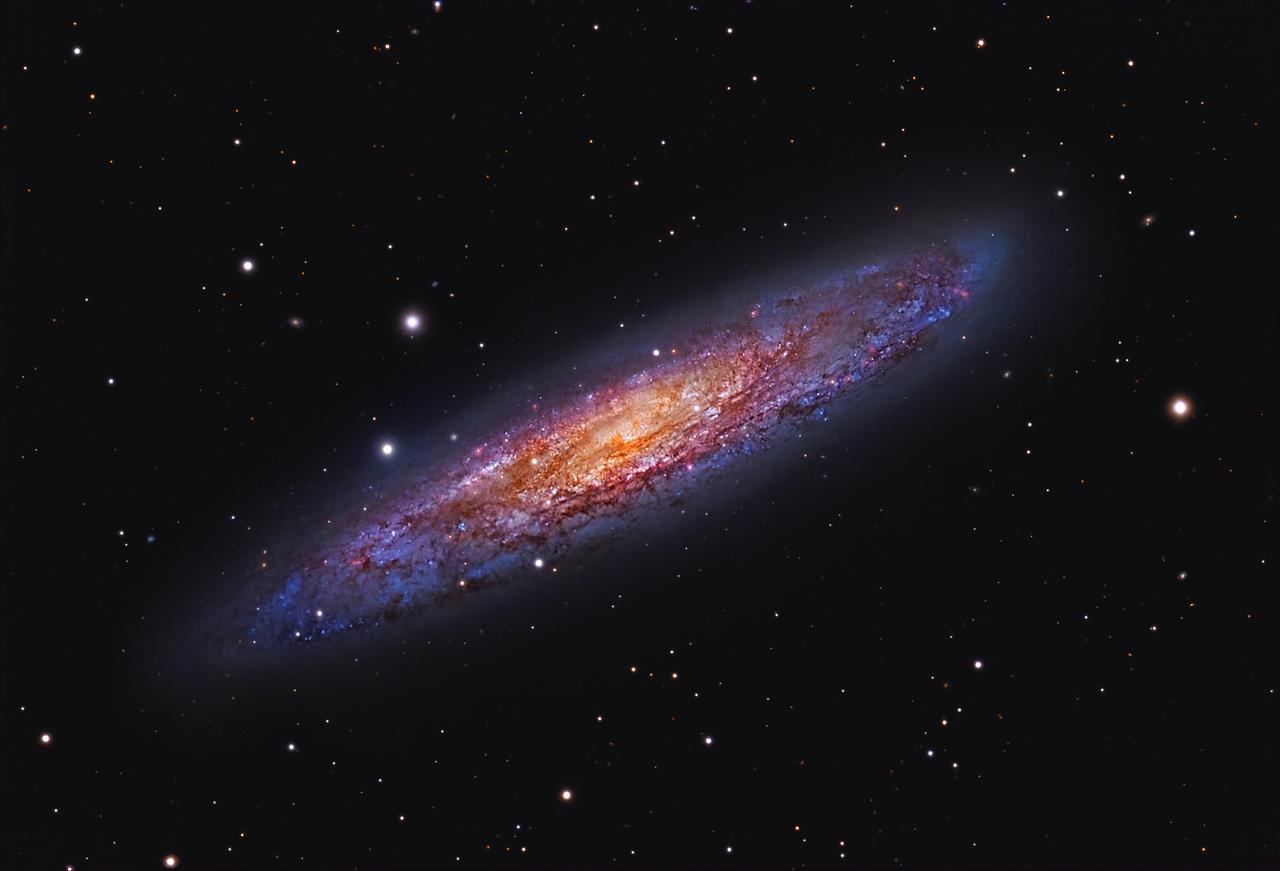
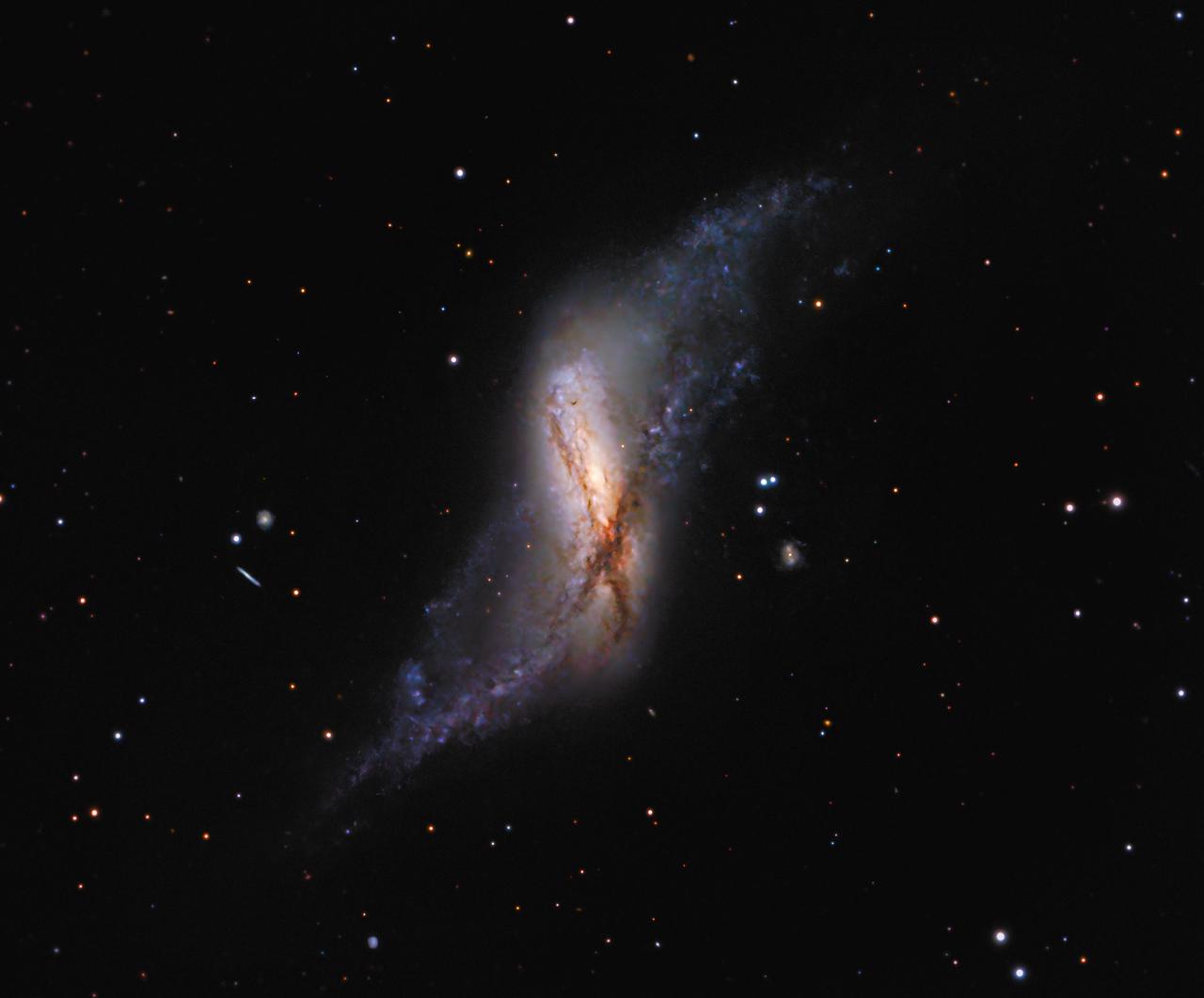
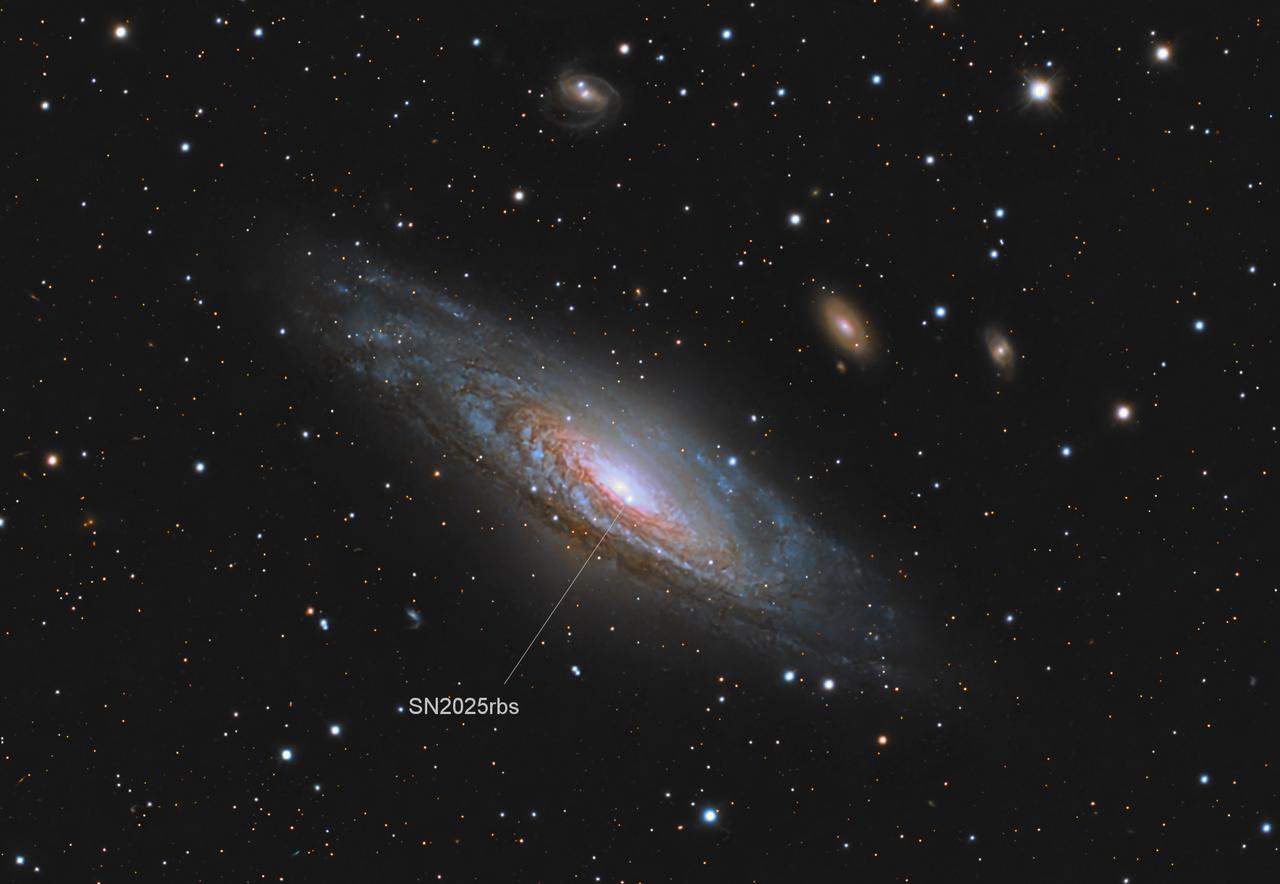
NGC253 Sculptor Galaxy Fine1h39minNGC660
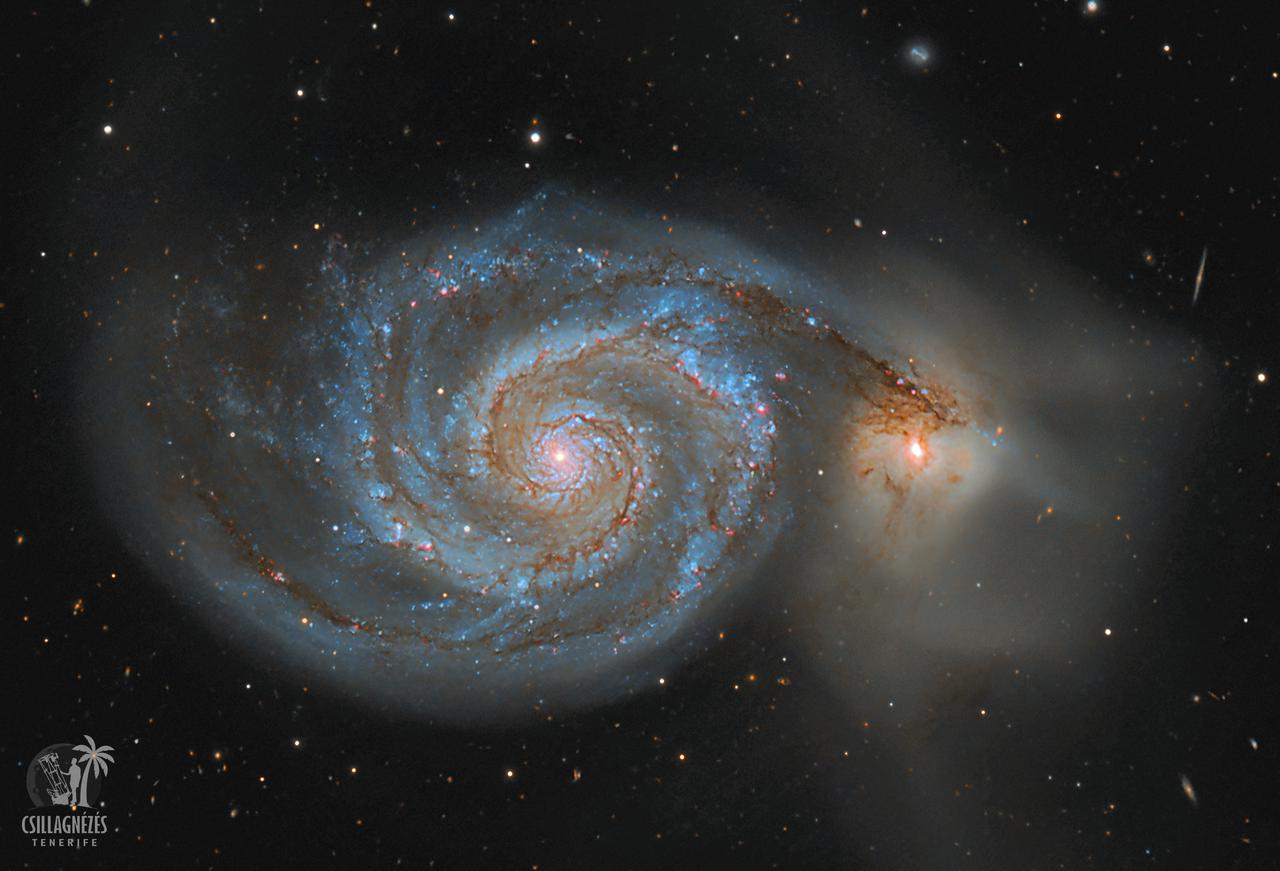
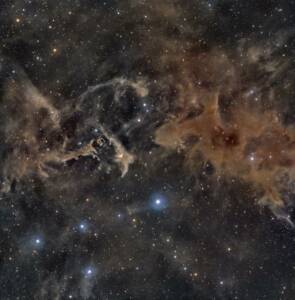
For many years I used the free software available, with varying results, but I was never completely satisfied with the final images. This changed when, at the end of the summer, I purchased PixInsight along with the most popular plugins. The RC Astro plugins represented a real leap in quality, allowing me to reprocess several of my earlier images. This is what I did with my personal favorite—the Whirlpool Galaxy (M51).
My photograph of the galaxy NGC 1055 was selected as the winner of Week 43 in the ZWO ASIWEEK competition.
NGC1005NGC7331
Several of my images have been awarded “Astrophotograph of the Month” on the online platform of National Geographic Hungary:
September 2020: Mars at opposition
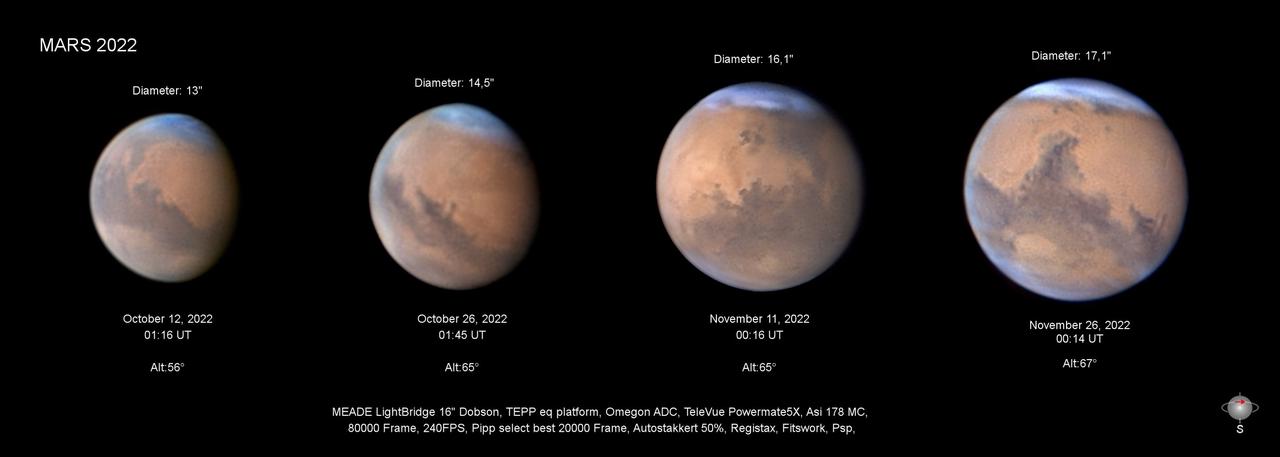
November 2022: Four-frame Mars series
November 2023: Silver Dollar Galaxy
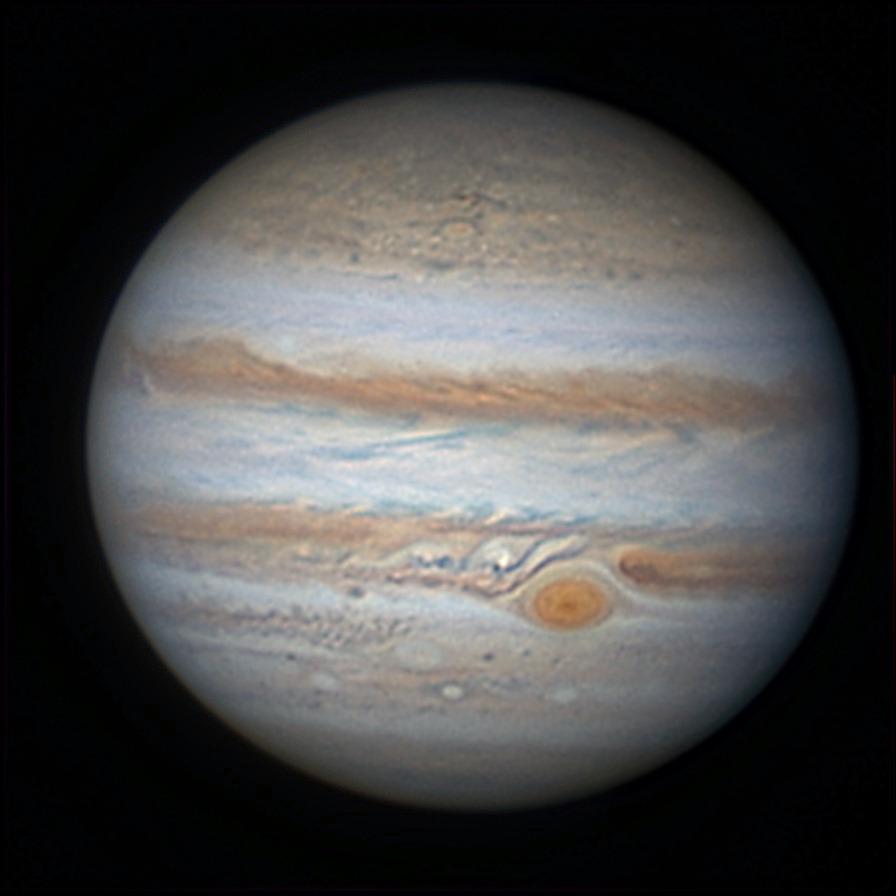
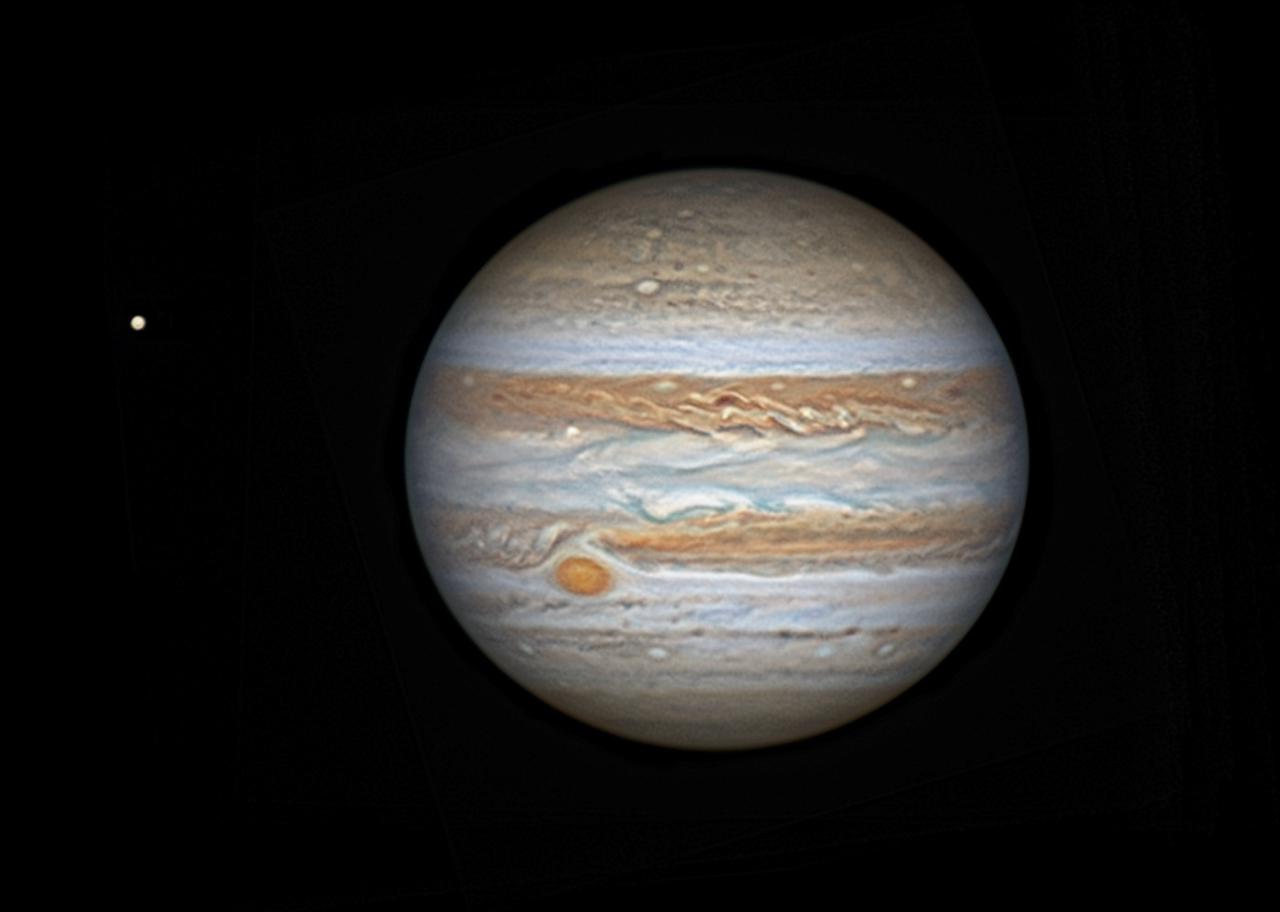
December 2024: Jupiter at opposition
November 2025: Dumbbell Nebula (M27) I continually return to imaging the Whirlpool Galaxy (M51). With evolving knowledge and improving equipment, I strive to reveal ever more detail.
I aim to achieve the maximum resolution possible with my 508 mm optics. I am currently experimenting with a rotator to eliminate field rotation, and I have already succeeded in removing the diffraction spikes around stars using 3D-printed masks. My goal is to acquire a full-frame ZWO camera with smaller pixels and to develop a guiding solution for alt-az mounts.
Professional-level astrophotography has become accessible to me through ZWO devices. Now that my wife has joined me, we spend our time together under the stars as well.
My journey into astrophotography began in 2020, during a time when I wasn’t very confident with computers. I remember joining online astrophotography communities, full of hope and questions—but instead of
The International Space Station has been my favorite target since I started astrophotography five years ago. Even though my conditions aren’t ideal—I live in a light-polluted area surrounded by trees,
Beginnings in Astrophotography Konstantinos Beis has always been fascinated by the night sky. After moving to a rural area in 2017, where the Milky Way was clearly visible, his passion
Roy Simanovich, an avid astrophotographer from a heavily light-polluted area (Bortle 9), recently embarked on a solo journey to capture some of the dark nebulae. Let’s follow Roy on that
Exclusive Title Sponsorship of the World’s Premier Astronomy Photography Competition August 2025 — ZWO, a pioneer in astronomical imaging from China, is proud to announce its role as the exclusive