
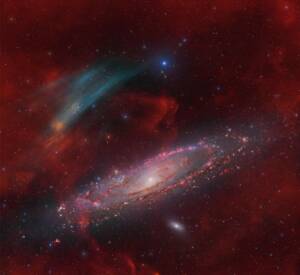
Discovery of the M31 [OIII] emission arc
Recently, a major discovery by an international team of amateur astronomers and scientists has become a huge online hit, and this new discovery is just located in one of the
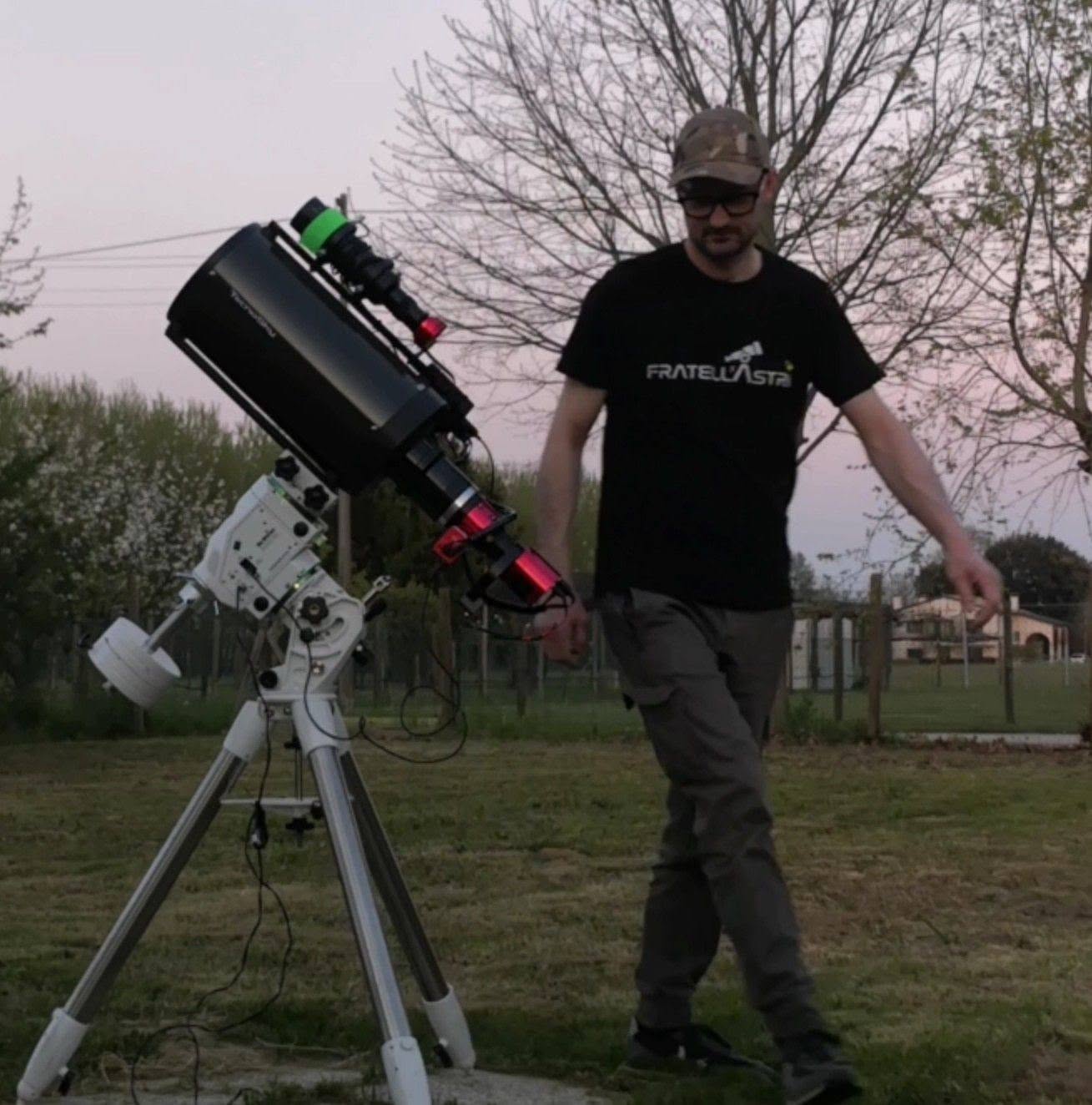
I’ve been fascinated by the starry sky since I was a kid. I remember that when I was 7 or 8, I could see lots of stars from my home garden, which I unfortunately can’t do anymore because of the growing light pollution. I’ve also always been interested in documentaries about astronomy and physics, but I only started practicing astronomy recently, more precisely in 2018. Afterward, I started buying my first tools to watch the stars.
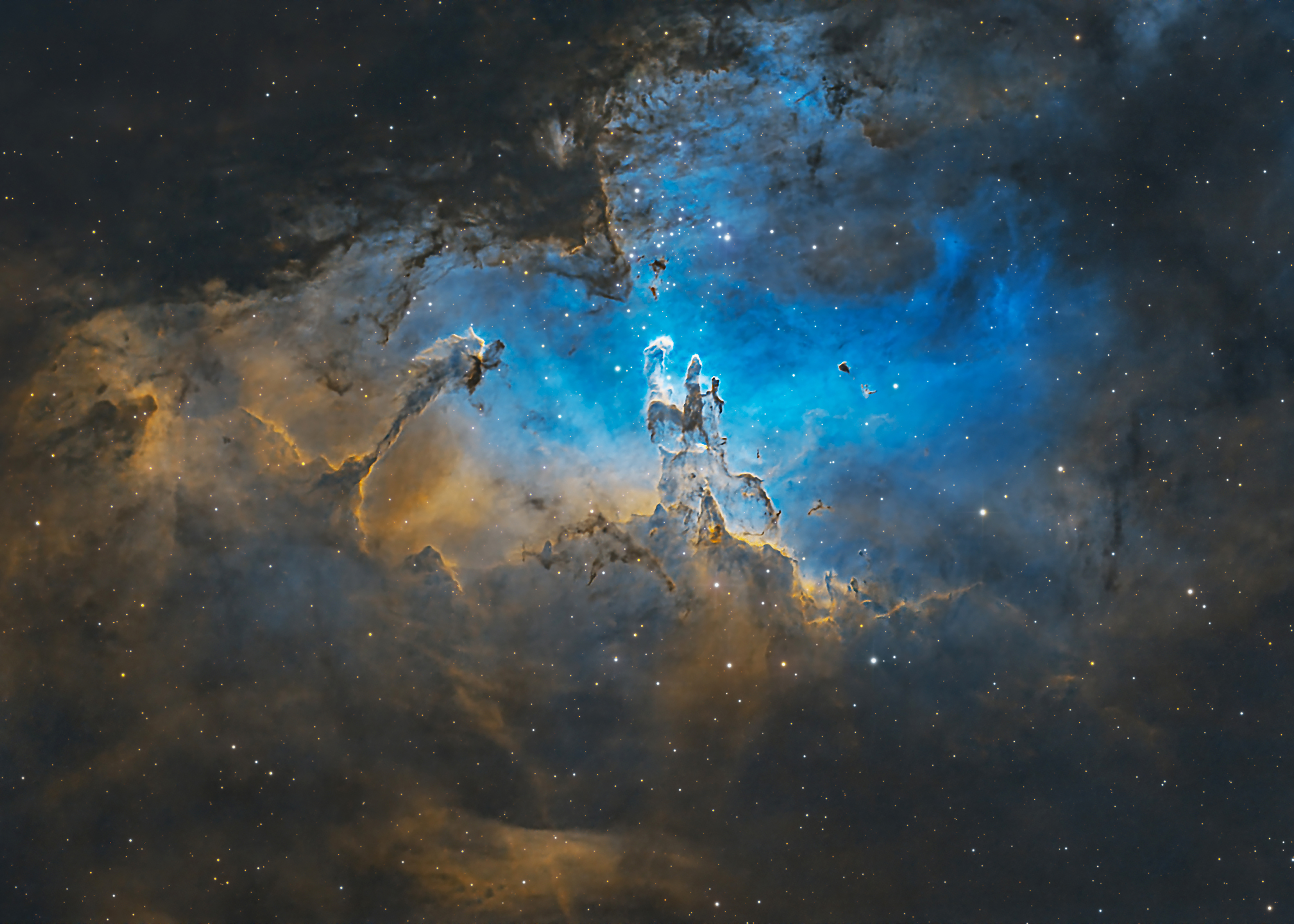
My first telescope was a 200f5 Newtonian with an equatorial mount, with which I started observing the stars. Then, while browsing the web, I was amazed to discover that you could also take photos of galaxies and nebulae, so I bought my first DSLR and started taking my first awful photos, and from that moment I fell into the spiral of astrophotography!
It has been a really tough journey, full of unexpected events and frustrations, but honestly, it still is! I remember the first photo I ever took was M42, the Orion Nebula. Looking at it now almost makes me laugh, but I remember when I took it I couldn’t believe my eyes: I had photographed an object 1,300 light-years away! It’s been 8 years since then, and even though my experience has grown a lot, I still feel the same emotions.
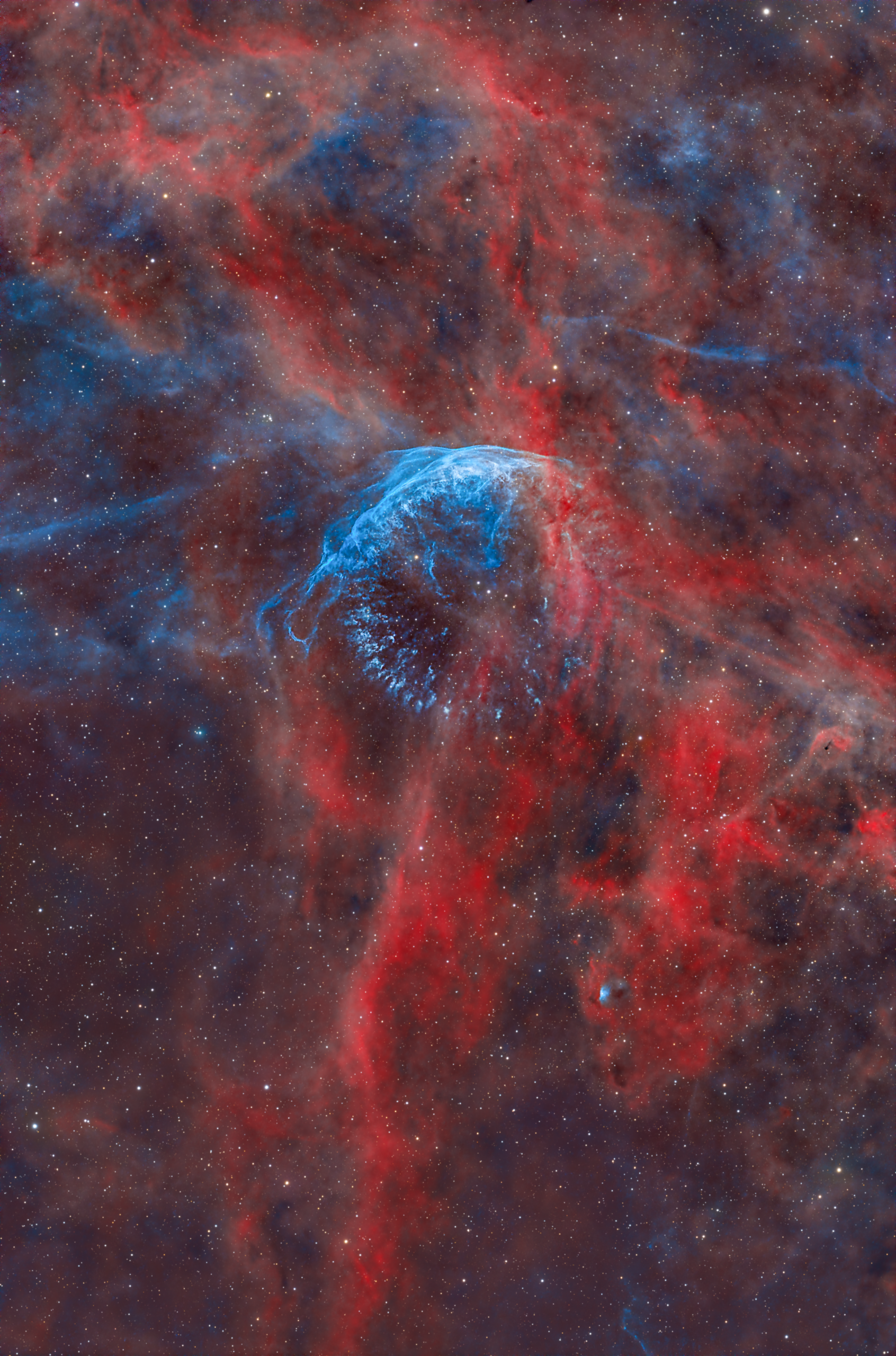
Tell us about your current astrophotography setup — what’s your main gear combo right now?
At the moment my setup consists of an RC8 telescope, a Skywatcher AZEQ6 and Heq5pro mount, a ZWO ASI 294 MM/MC, RGB filters and narrowband filters, two ASIAIR, and two autoguiding system. I’m also setting up a Canon 70-300 lens for wide-field shots. By the way I’m about to replace the RC8 telescope with a 126/880 refractor. I also have a modified DSLR and a tripod to photograph the Milky Way when I go to dark places.
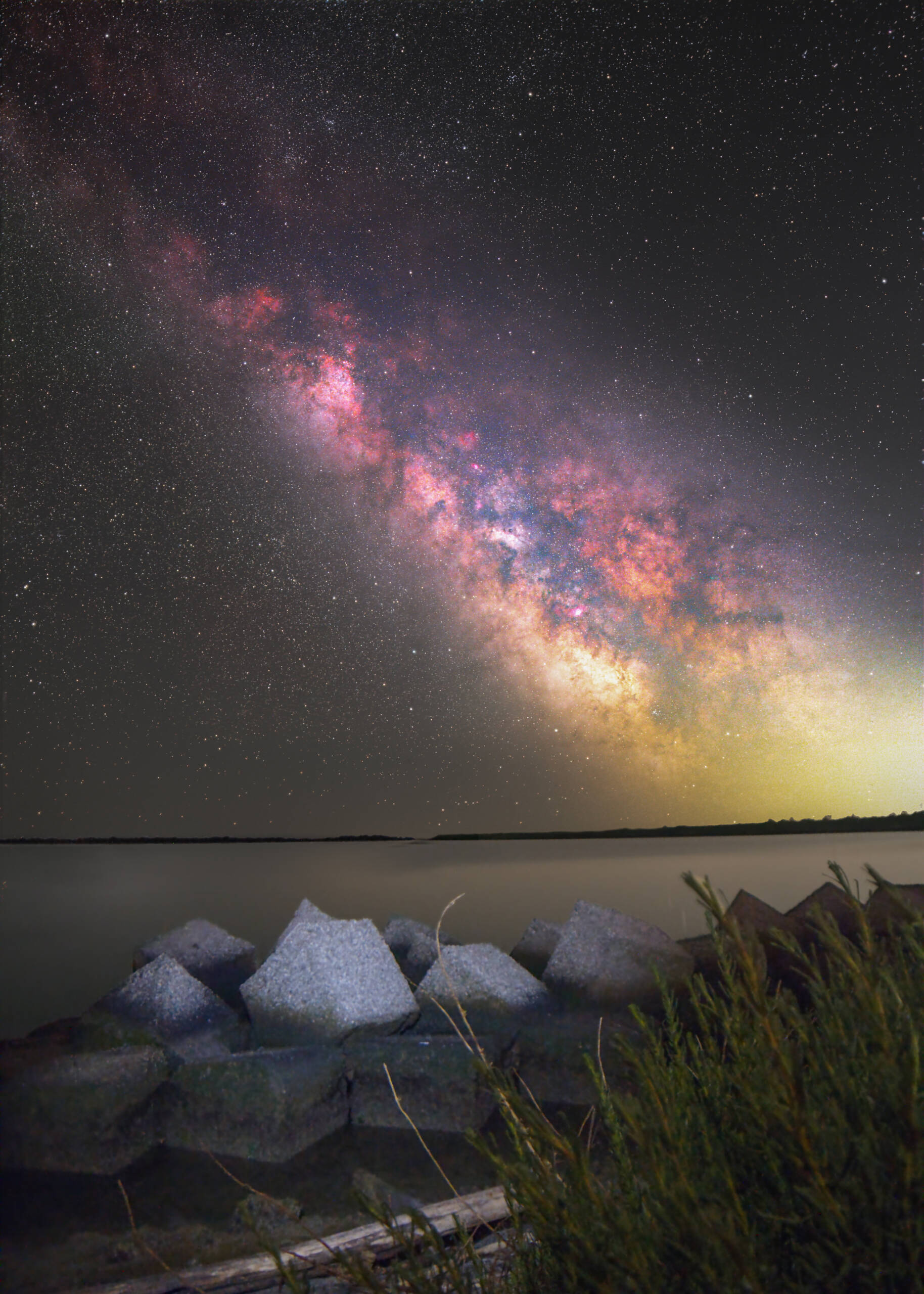
Over the years I’ve changed various instruments: mirror telescopes, refractors, camera lenses, etc… When it comes to cameras, as I’ve already said, I started with a DSLR and after a year I immediately switched to a monochrome camera. This is one of the accessories that changed my life. At first, it was tough because I skipped the color astronomy camera stage and went straight to monochrome, but it was the best choice especially since I shoot under a very light-polluted sky. Another accessory that changed my life was AsiAir. Before, I used to connect everything to my laptop and that was really frustrating, but life became easier thanks to AsiAir.
The sky in my area is absolutely not suitable for broadband photography, being moderately light-polluted (bortle 8). Anyway, I can still photograph emission nebulae with narrowband filters, which have really saved my life. What bothers me the most where I live is the humidity: the Po Valley is becoming more humid than a rainforest! Taking photos from my backyard is definitely very convenient, but I always prefer going under darker skies, like in the Dolomites or at the mouth of the Po River.
I really enjoy sharing this passion with some astrophotographer friends, and I have a great time with them, from setting up the equipment to coffee time. But recently I bought a Dobson telescope, so while my equipment is doing its thing, I have fun searching for deep sky objects, and I also really enjoy being alone under the starry sky in complete silence, that’s something I absolutely love.
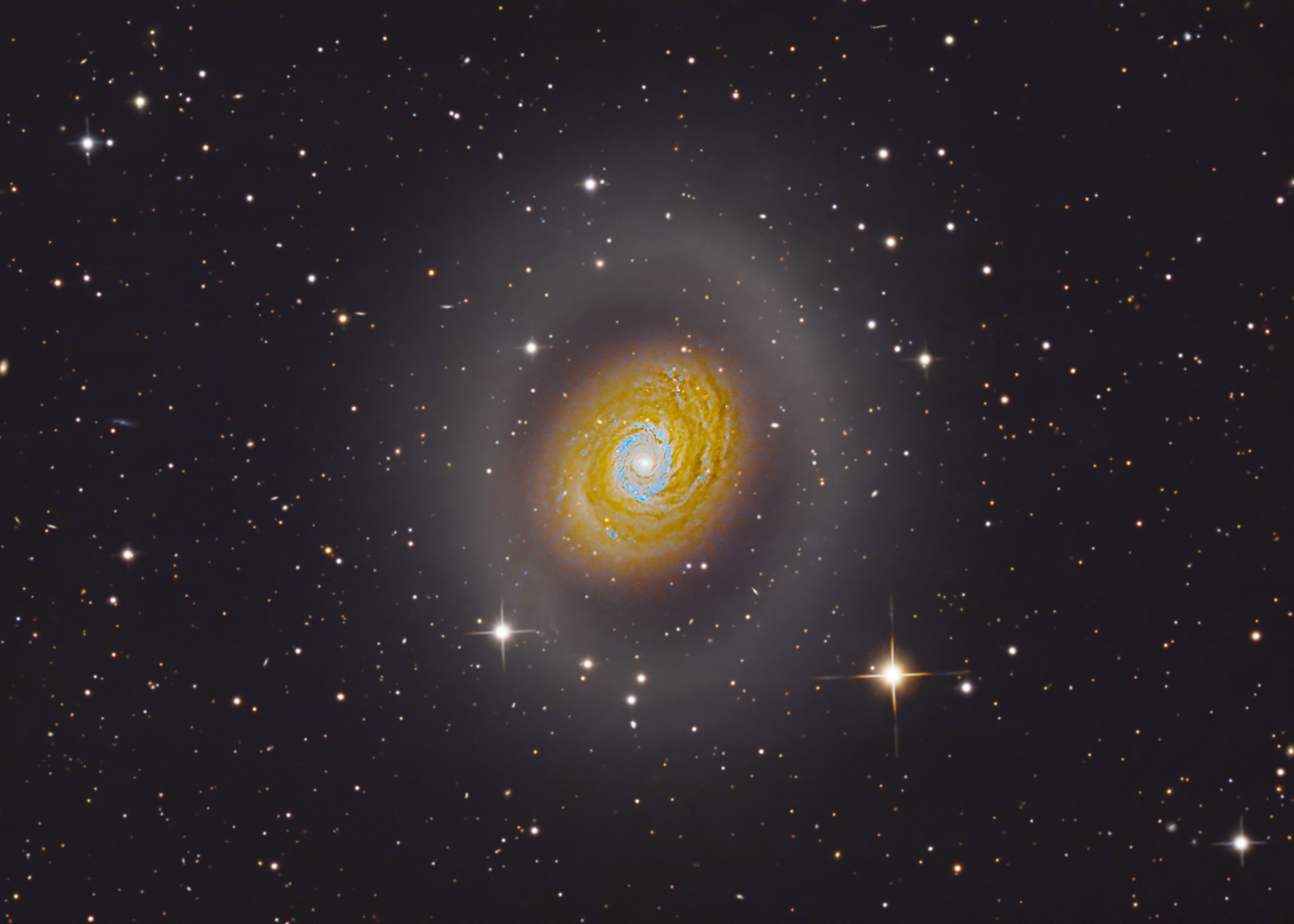
I think astrophotography is a constant challenge. I’ve been doing astrophotography for over 8 years now, but there’s always something to learn, something that doesn’t work and needs fixing, there are always unexpected things.
What I’ve learned is that you shouldn’t get discouraged. As I said before, there are a lot of variables that can affect the outcome of a photo: bad weather, something wrong with the equipment, poor seeing… I’ve wasted entire nights because of these issues, but that gives me the drive to try again and do better each time, and when the results come, it’s really satisfying.
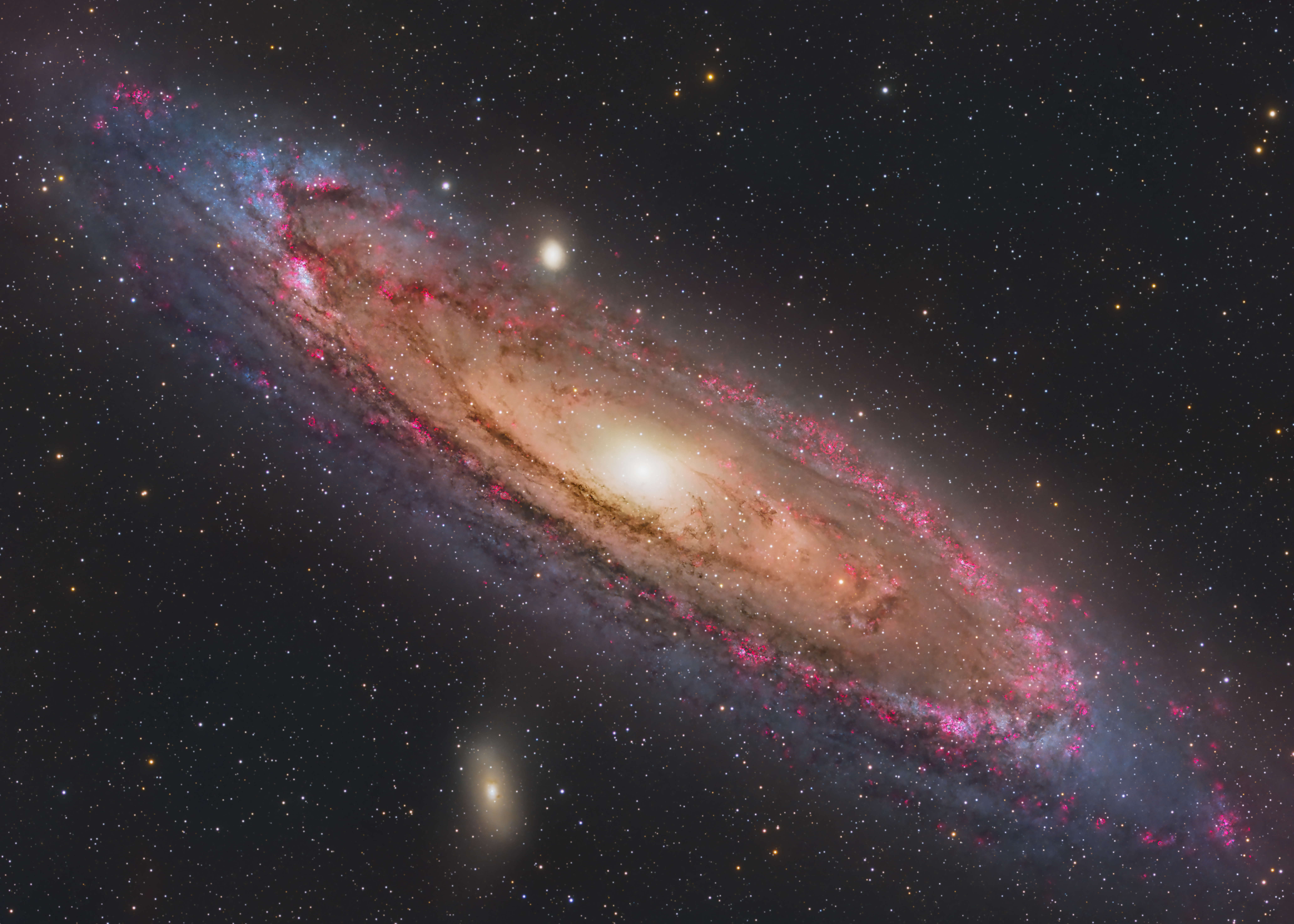
How has your approach to processing evolved over time?
Currently I use PixInsight and Photoshop; describing the entire workflow would probably be too long and boring. I can say that I come from the so-called ‘old school’, meaning a time before the tools we have today existed, which make post-processing much easier. So I was able to cut my teeth on the old methods for removing gradients, reducing noise, etc. Post-processing methods have changed a lot in recent years and allow for better results, but I think they should be used in moderation so as not to alter the final image too much.
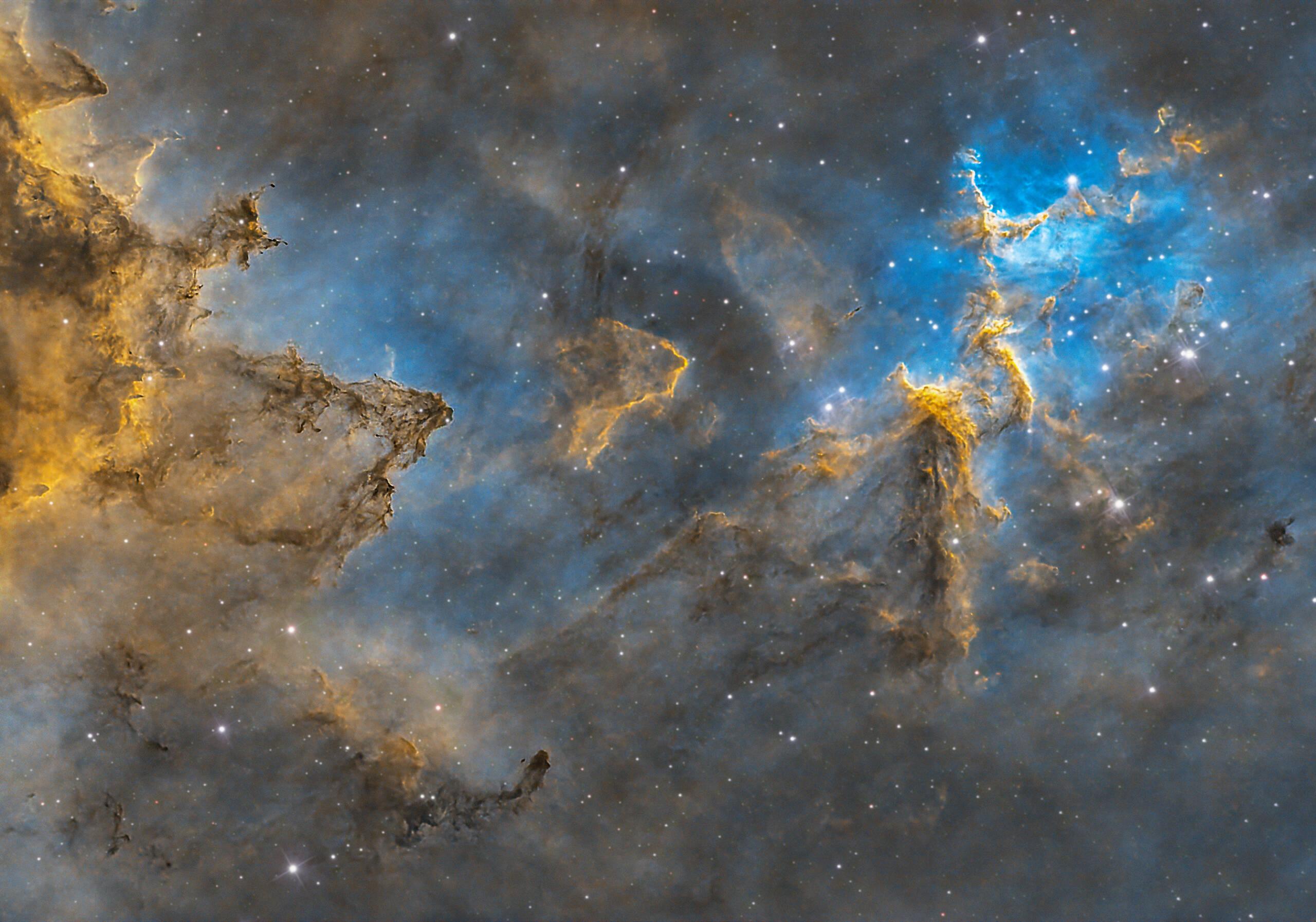
The image that has given me the most satisfaction so far has been the one of the IC1871 nebula, which allowed me to win the NASA APOD. It made me very proud because it was taken from my backyard with heavy light pollution!
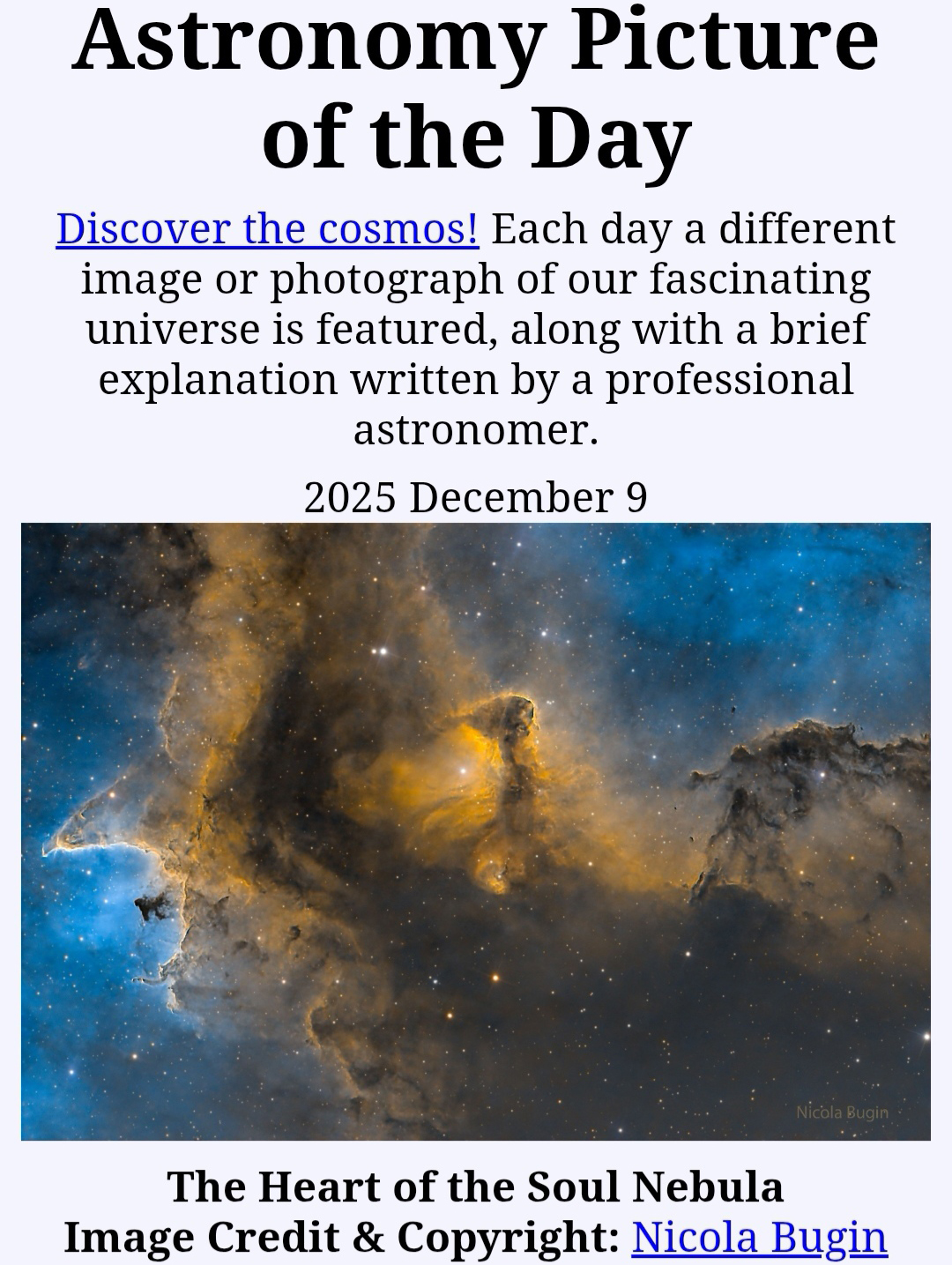
The Orion constellation and the Cygnus constellation are my favorite areas because I’ve changed several telescopes during my career, and every time you change the focal length, you discover new and interesting things. These areas are full of nebulae and very interesting objects. Also, the Orion Nebula was the first object I photographed, so I’m really attached to it.
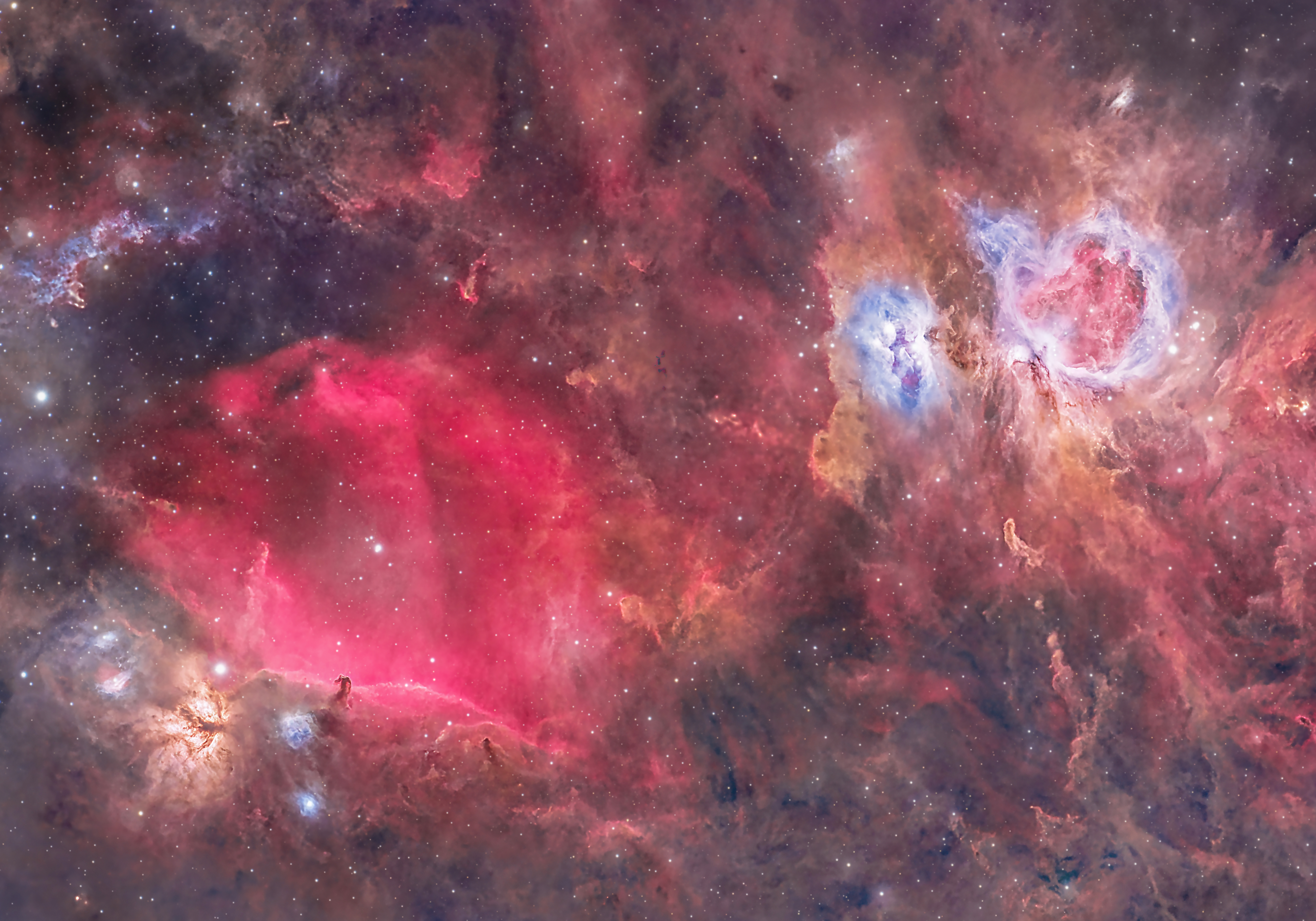
This year has been full of achievements for me, including the NASA APOD and other recognitions. Also, I’m part of a group called Fratell’Astri, and we focus on outreach through public events with telescope observations and astrophotography exhibitions. I hope our group can grow because it gives us so much satisfaction to see people observing the Moon and stars and hear them say ‘wow!!’
My dream is to go under a really dark sky like the one in Atacama, but I’m not so sure because I’m certain that when I get back home under my “beautiful” bortle 8 sky, I’ll just feel like crying!
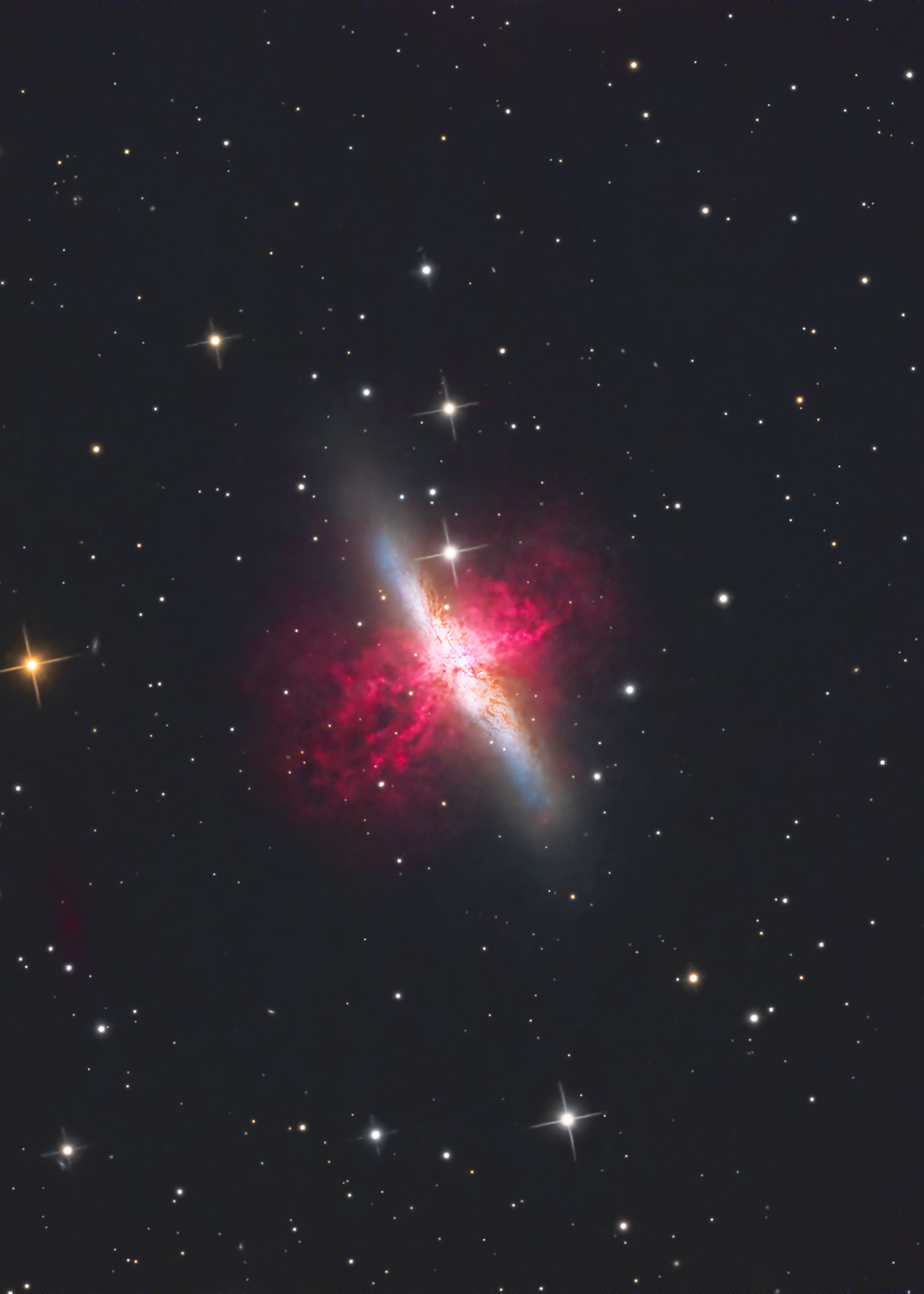
I got to know the ZWO brand from some reviews on YouTube, and they spoke about it so well that I wanted to try it, immediately buying a 294MM. Later my friend introduced me to AsiAir, and I have to say that my life literally changed afterward. The jump from laptop to AsiAir was significant, and I would never go back.
From the ZWO brand, I own a monochrome 294 and a color one to use when I’m under dark skies. Then I have 2 AsiAirs, a filter wheel, and two guiding cameras: 120 mm and 120 mc.
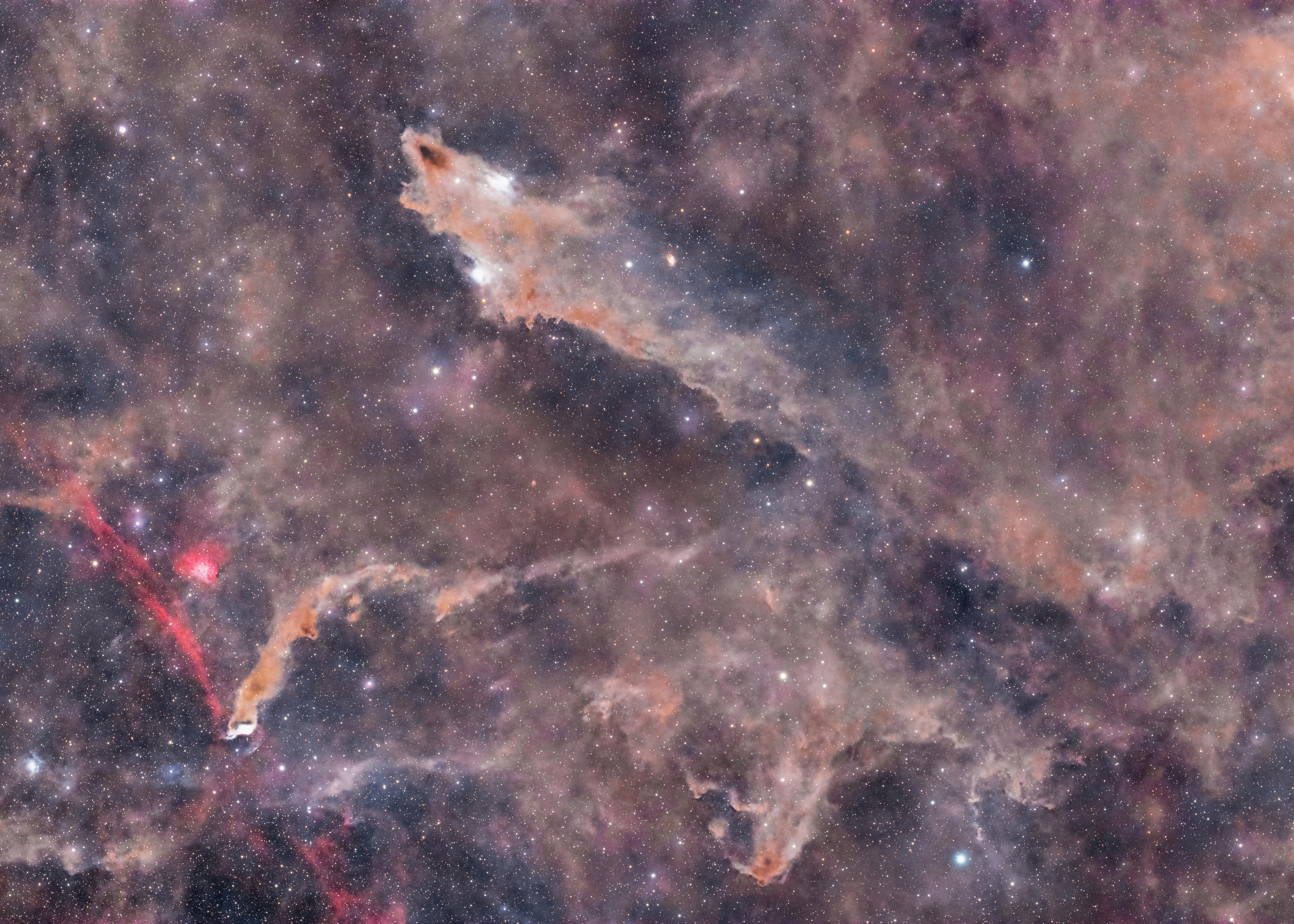
I would like some improvements to be made on AsiAir, for example regarding the star map, I would like some objects to be more visible, such as dark nebulae. Planning the sensor orientation is sometimes difficult because the nebulae are not visible and you have to navigate using the stars in the preview. An automatic sensor warm-up at the end of the photography session would also be very useful. Despite these small details, I find AsiAir really fantastic and I couldn’t do without it!
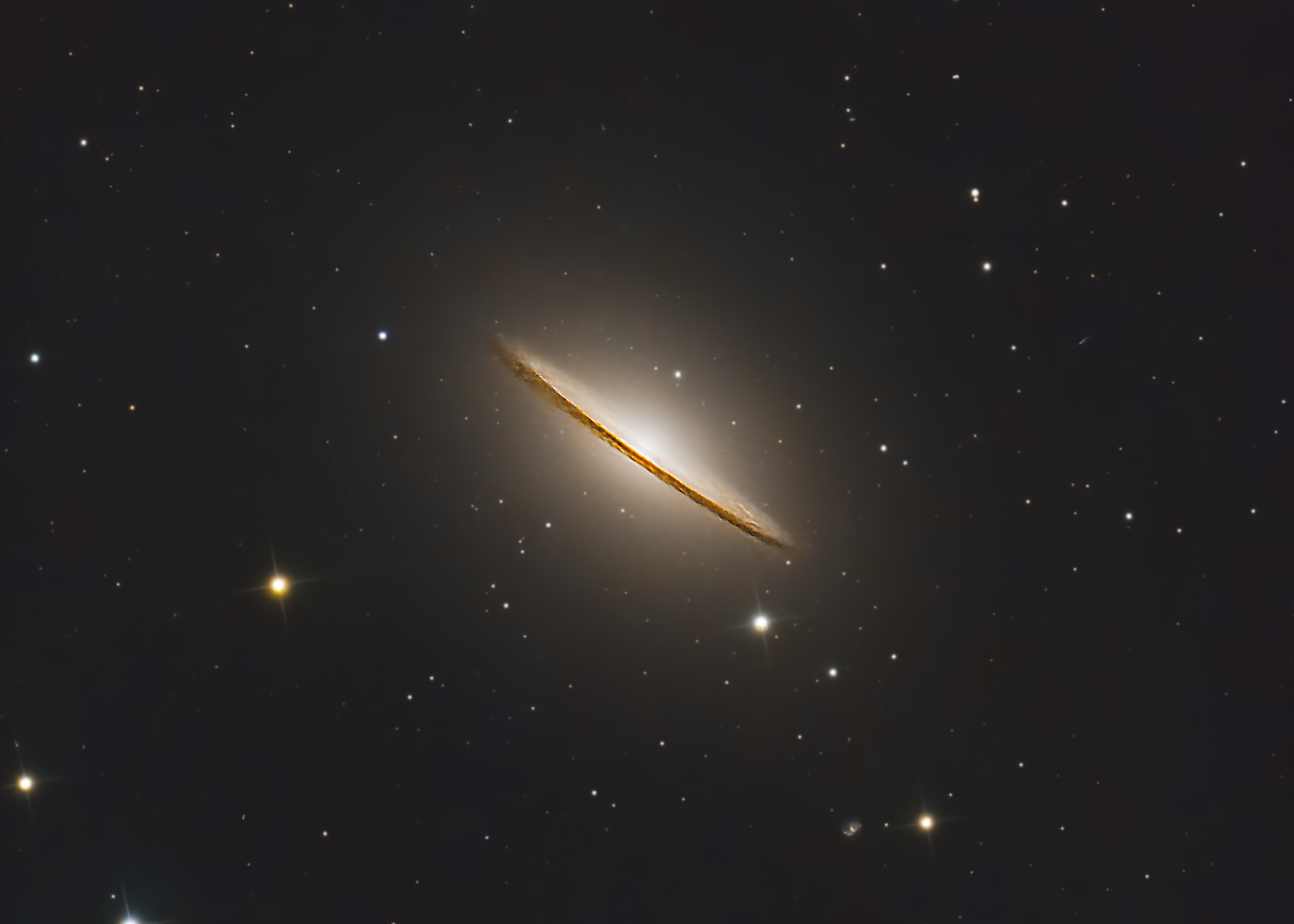
Recently, a major discovery by an international team of amateur astronomers and scientists has become a huge online hit, and this new discovery is just located in one of the
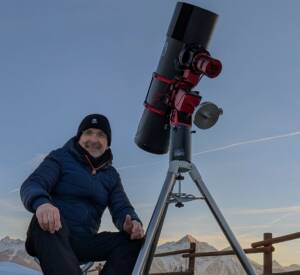
Hi, my name is Alessandro Cipolat Bares, I’m 72 years old , I live in Aosta, in the Aosta Valley, a mountainous region in the heart of the Western Alps.
My name is Julien De Winter (@dwj85), and I live in Belgium. I am a Professor of Chemistry at the University of Mons, where my research focuses on mass spectrometry
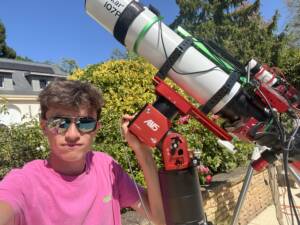
My name is Quentin (@_quentin_g), I am 17 years old, and I live in Nantes, in the west of France. I am currently in a French preparatory class for engineering
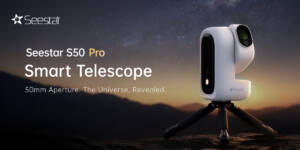
NEW PRODUCT LAUNCH Seestar S50 Pro Now Available: 50mm Aperture. Revealing More of the Universe 50mm Large Aperture · 4K Dual-Lens · One-Tap Post-Processing· Pro-Level Milky Way Shots · Up
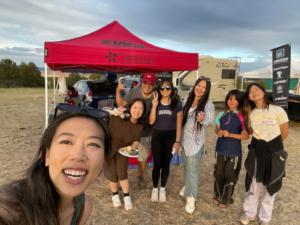
Golden State Star Party 2026 – Friends, Dark Skies, and Perseverance July 11–15, 2026 | Frosty Acres, Northern California Golden State Star Party welcomed astronomers from across California and beyond
2 Comments
Simonetta Rizzo
Nicola sei il top in questo campo. I tuoi lavori, la passione che ci metti danno i risultati splendidi che meriti.
👍
olia.liu@zwoastro.com
Ti ringraziamo di cuore per il tuo commento! È meraviglioso vedere che la passione di Nicola per l’astronomia riesce a toccare le persone. Speriamo che continui a seguirci per altre storie astronomiche.