

From Curiosity to Mastery: The Astrophotography Journey of Puig Nicolas
1. How It All Began For Puig Nicolas, it all started at the age of 10 with a 60/700 refractor and a 114/900 reflector. His first celestial encounters — the
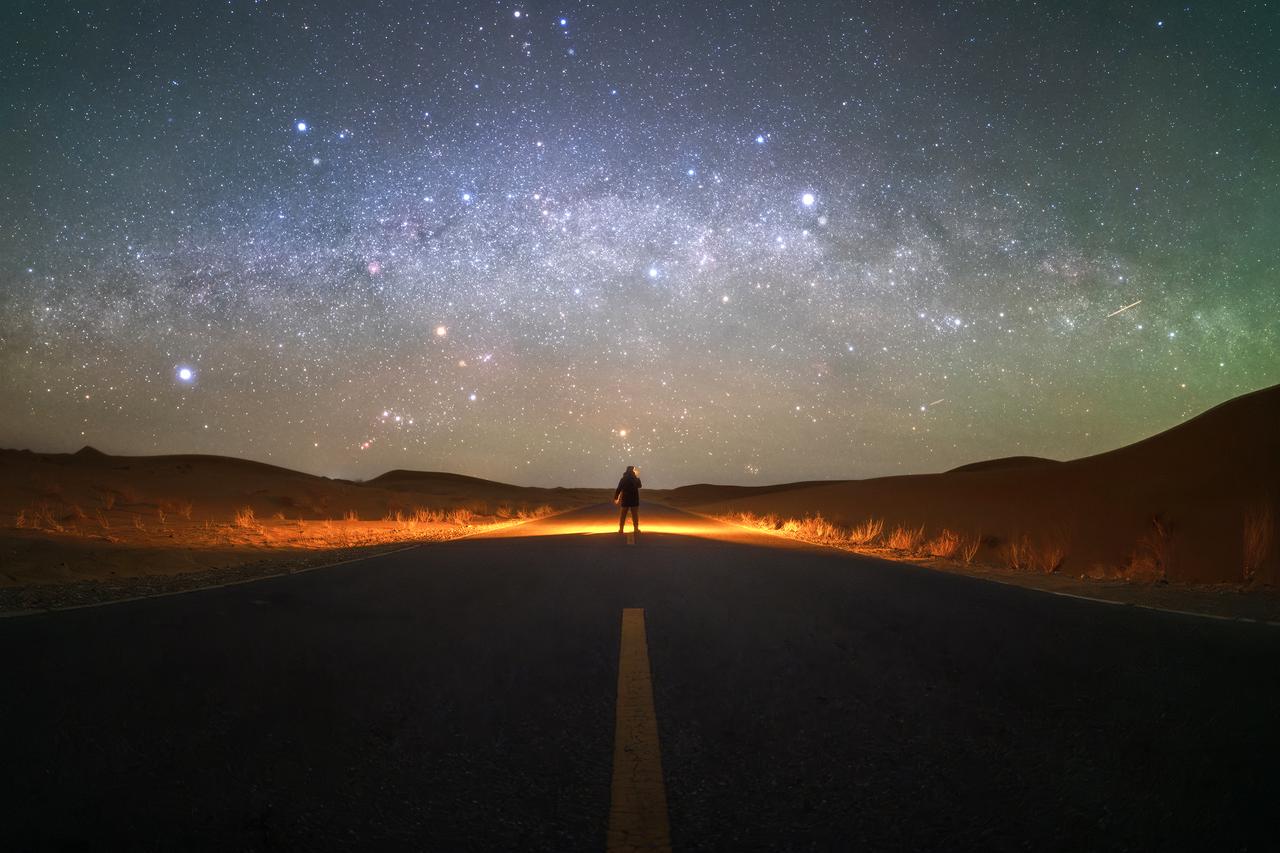
When I first pointed my camera toward the night sky, I never imagined it would lead me here — to winning Astronomy Photographer of the Year 2024 with my image The Melody of the Sky.
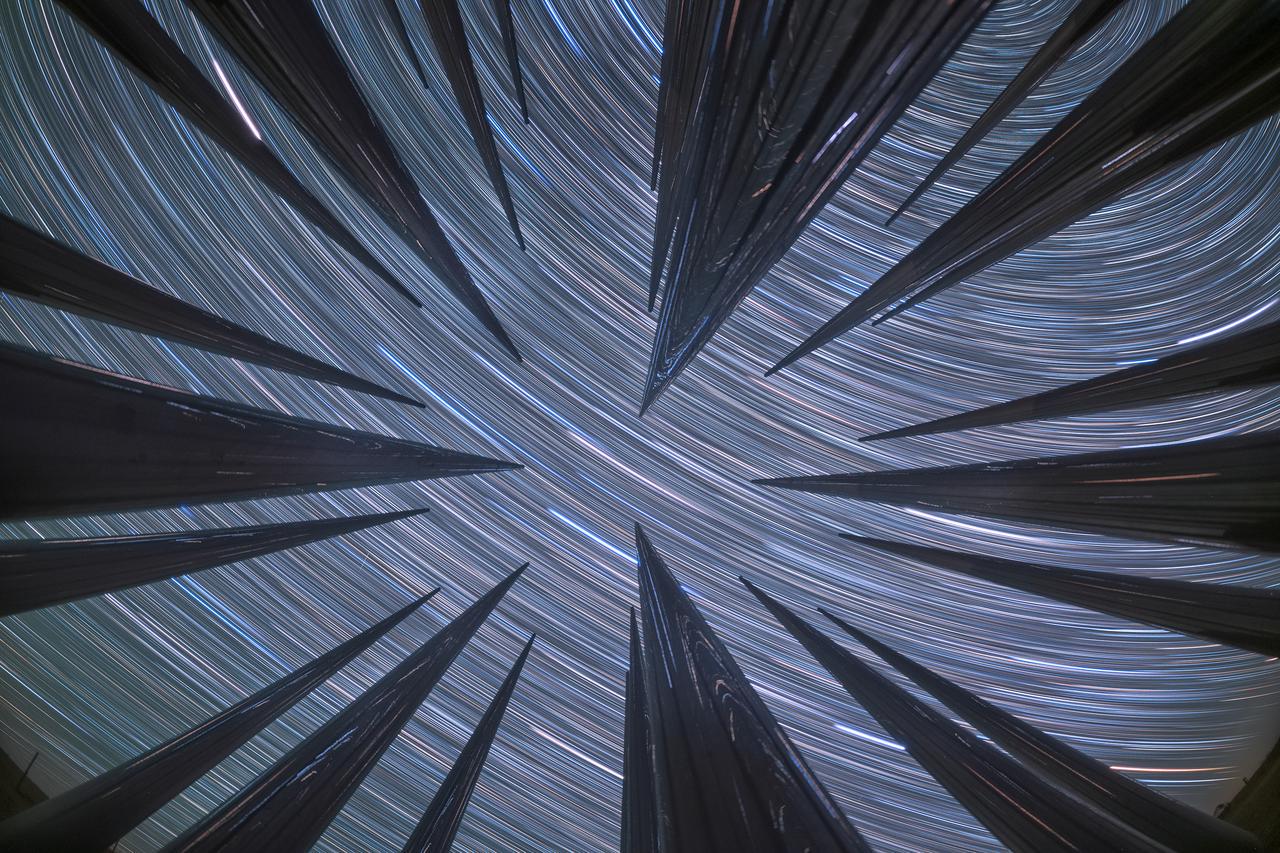
That night, I wanted to create something different. Many photographers had already captured that same location, so I chose to experiment with a 14mm fisheye lens. The ultra-wide perspective revealed the colorful trails of the stars and the strong distortion of the structure beneath them. Together, they formed a perfect visual tension — a kind of music frozen in light.
I spent only about two hours on that shot, using long exposures stacked together. What makes this image special to me is the reflection of the star trails on the metal sculpture, mirroring the real ones above. The sky and the structure seemed to echo one another — like two instruments playing in harmony. That’s how The Melody of the Sky came to life.
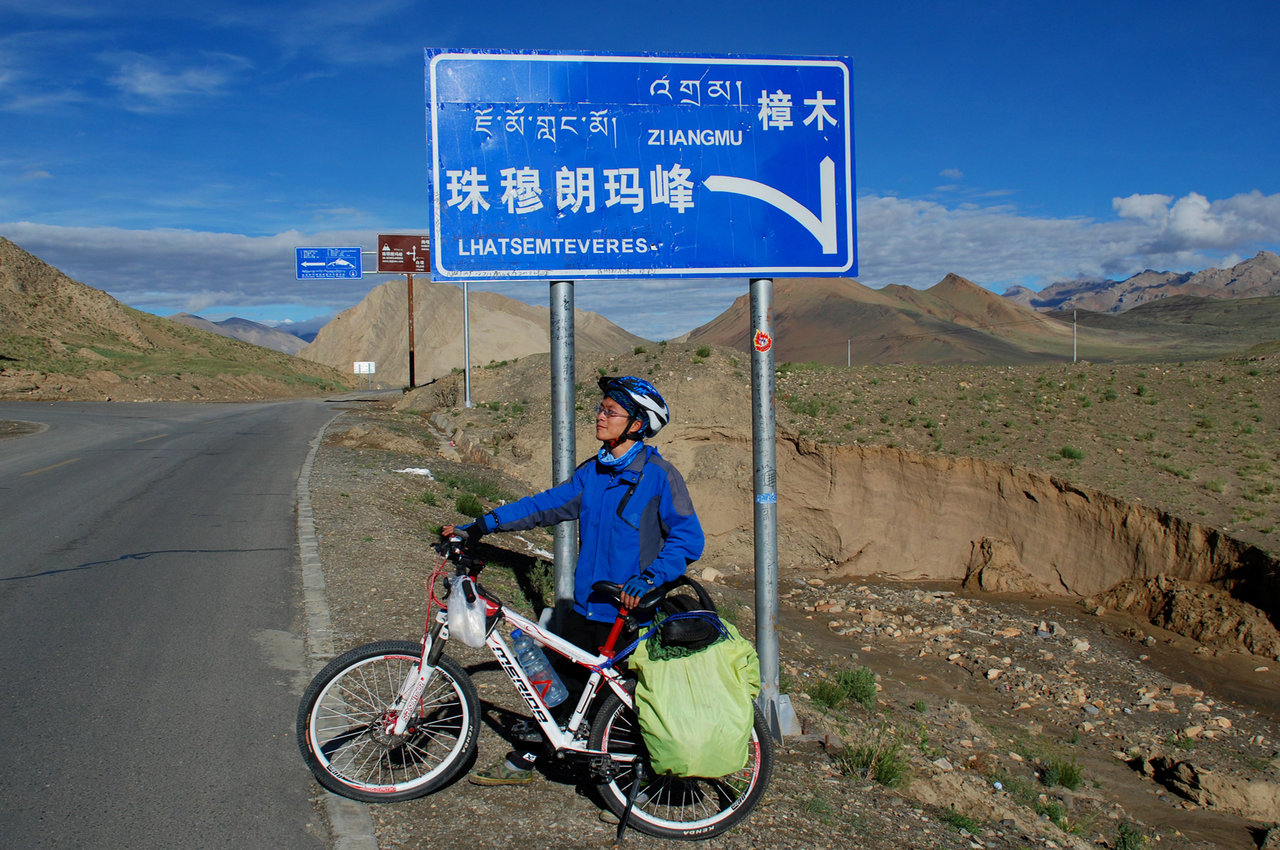
My story with astrophotography began long before awards or recognition. In 2012, when I was still in college, I decided to ride my bicycle from Xi’an all the way to Nepal — 4,300 kilometers over 46 days. Somewhere along the Tibetan Plateau, under a pitch-black sky, I saw the Milky Way for the first time.
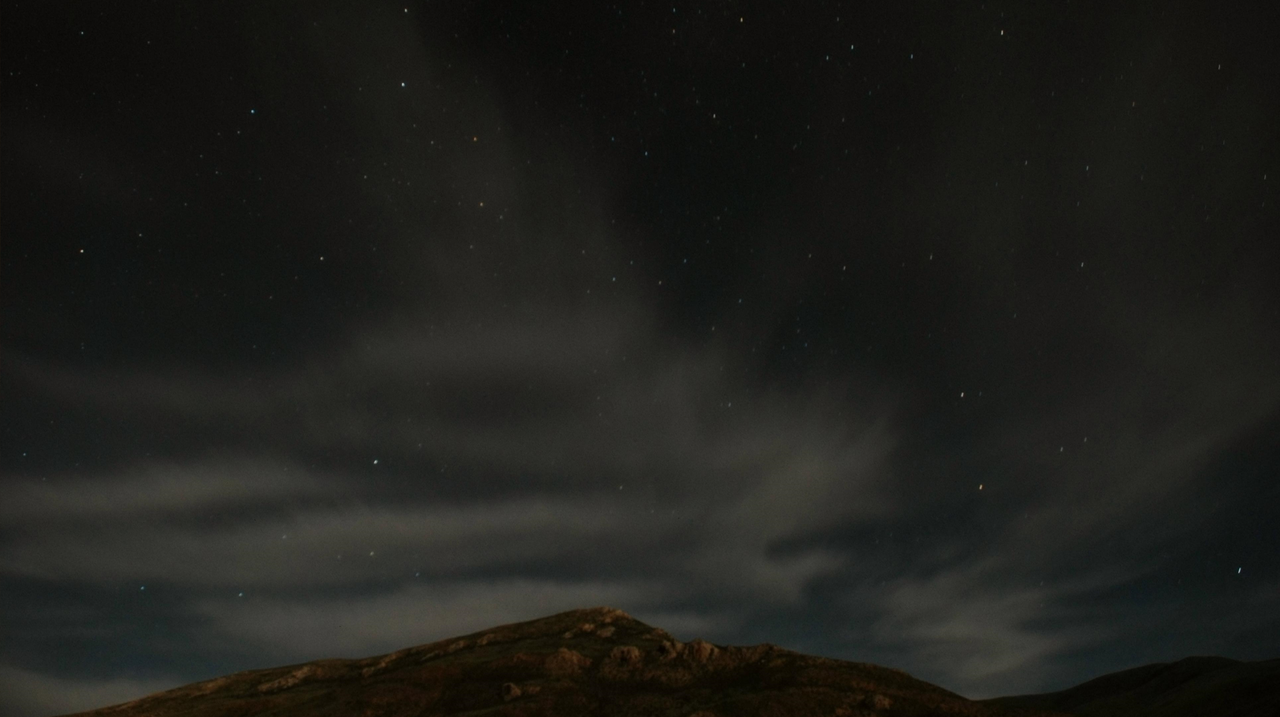
I took a photo — just one. It was dark, noisy, and imperfect. But for me, it changed everything. I realized the stars weren’t as unreachable as I thought. You could actually capture them with a camera. That single moment opened a new world for me. From then on, I started learning about astrophotography — how to balance an equatorial mount, how to track the stars, how to process faint details. It was my university’s astronomy club that guided me into this field, and I’ve never looked back.
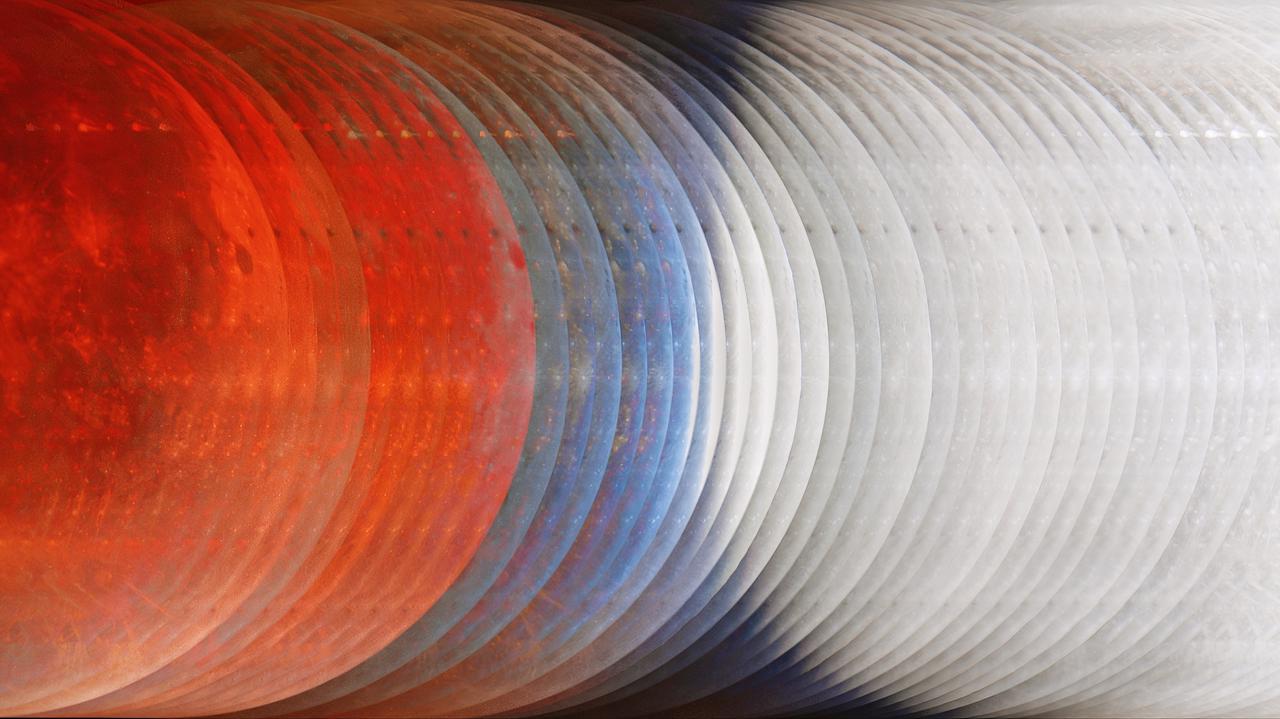
Over the years, I’ve photographed everything from the Sun to the Moon and deep-sky objects far beyond. I still remember last year’s total lunar eclipse in Xinjiang. I brought my ZWO AM3 mount and ASI432MM camera. The setup was small enough to carry on a plane, yet stable enough to track the Moon precisely for two hours. Later, by stacking images from different stages, I could show how the color of the lunar surface changed throughout the eclipse. For solar imaging, I’ve also used ZWO monochrome planetary cameras — first the ASI174MM, later the ASI432MM — to capture delicate details on the solar surface.
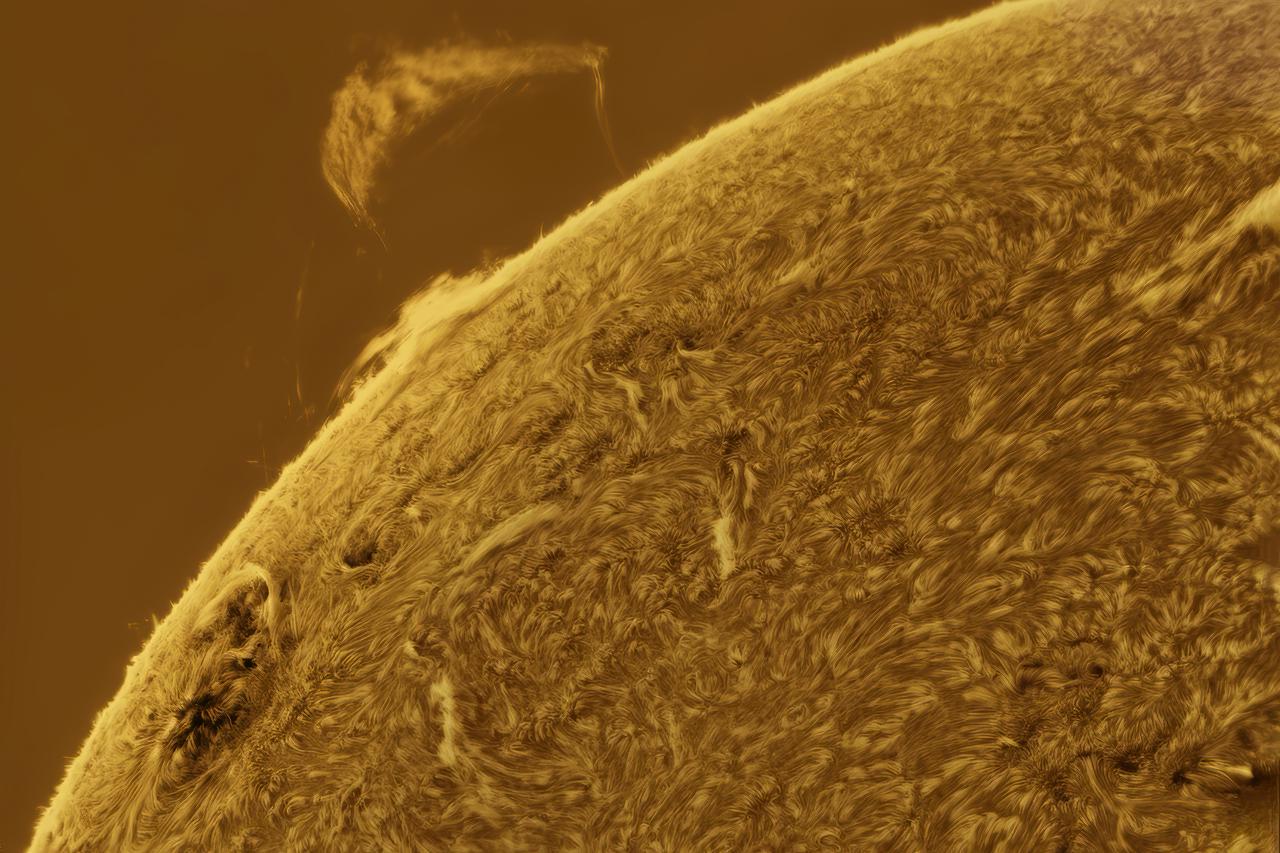
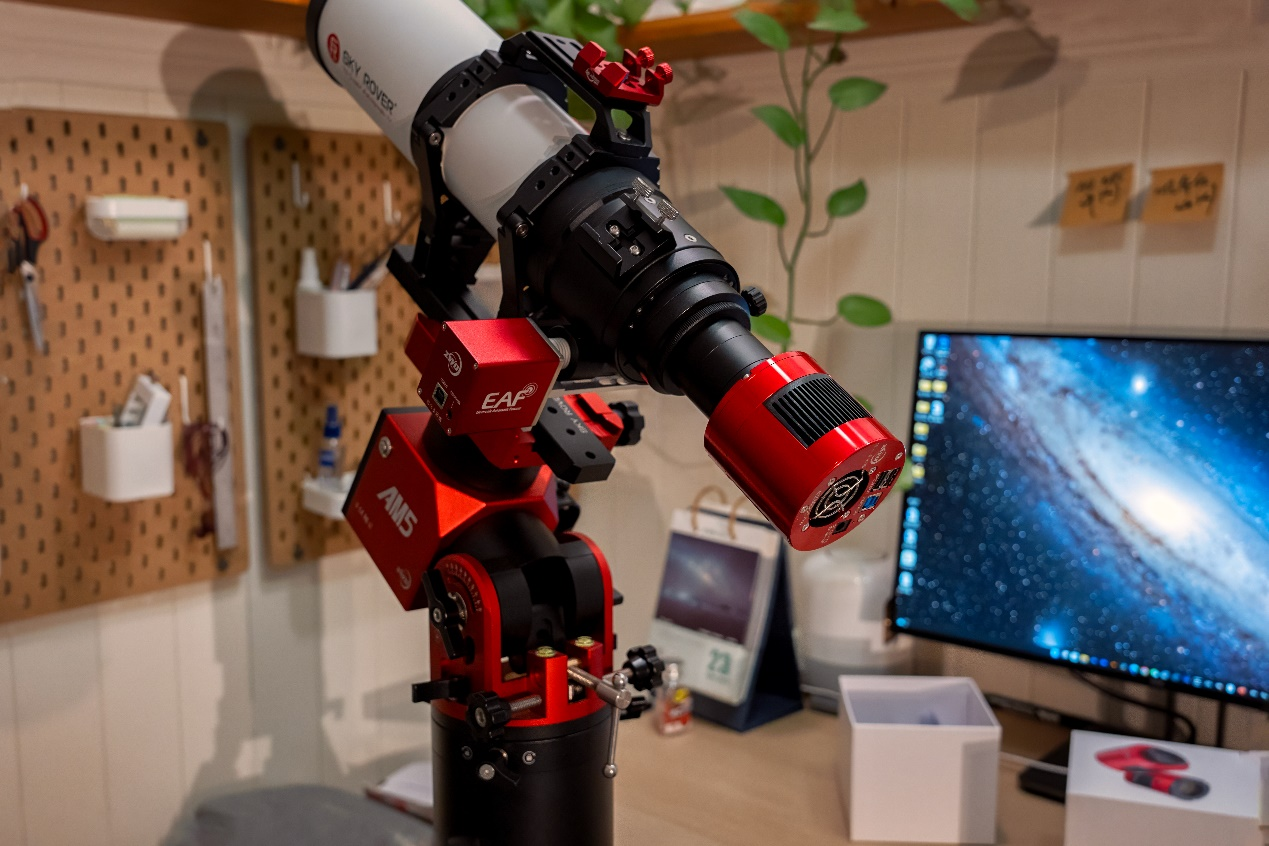
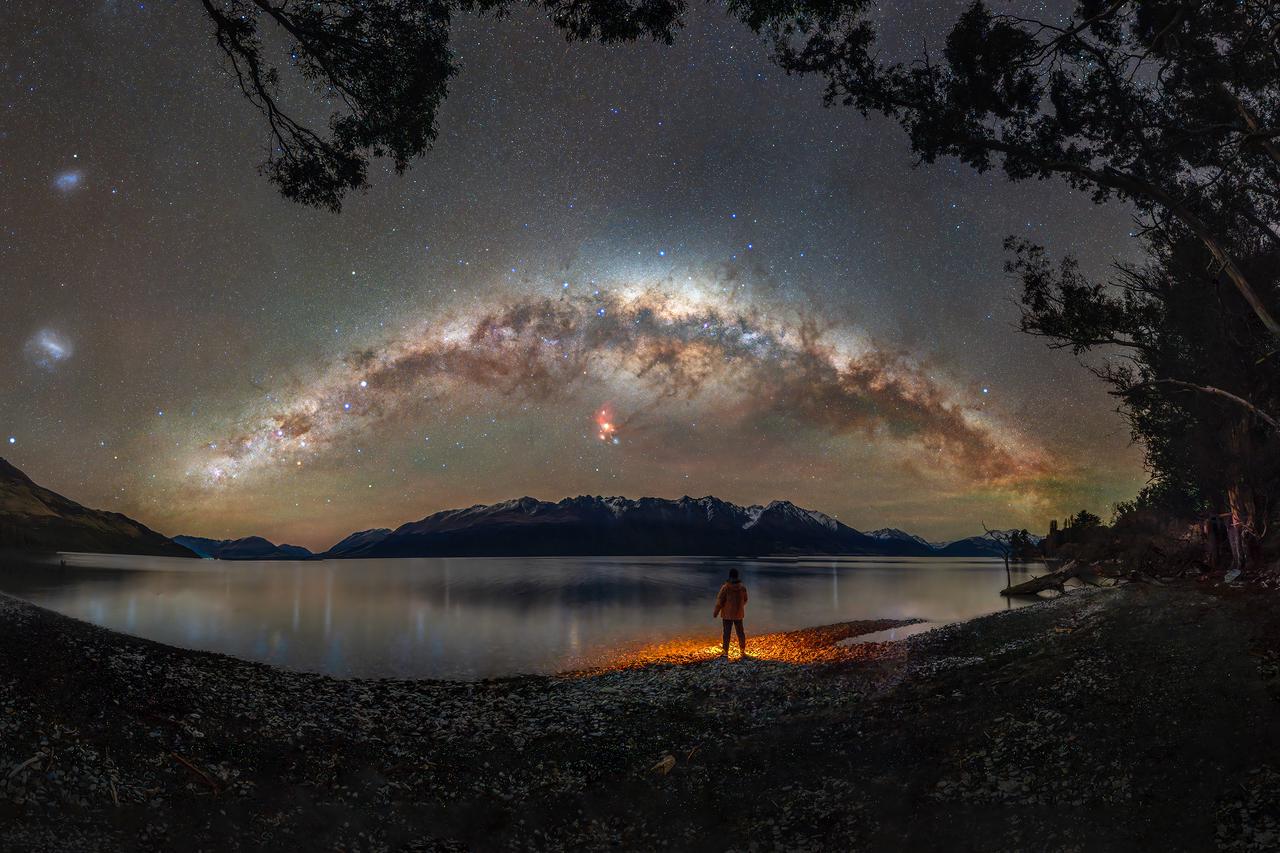
The Milky Way remains one of my favorite subjects. I’ve photographed it from deserts in Inner Mongolia and from the southern skies of New Zealand. The winter Milky Way arch I captured in the Alxa Desert stretches gracefully across the horizon, while the summer Milky Way I shot in the Southern Hemisphere shows the galactic core perfectly centered — framed by Scorpius and the Magellanic Clouds. Down there, the entire galactic arch rises overhead like a cosmic bridge, and you can see the Milky Way in its full glory. Even with a ZWO AM5, ASI2600 camera, and a 102mm APO telescope, the results are incredible — far beyond what the world’s top observatories could capture a century ago. Technology has changed everything about how we see the universe.
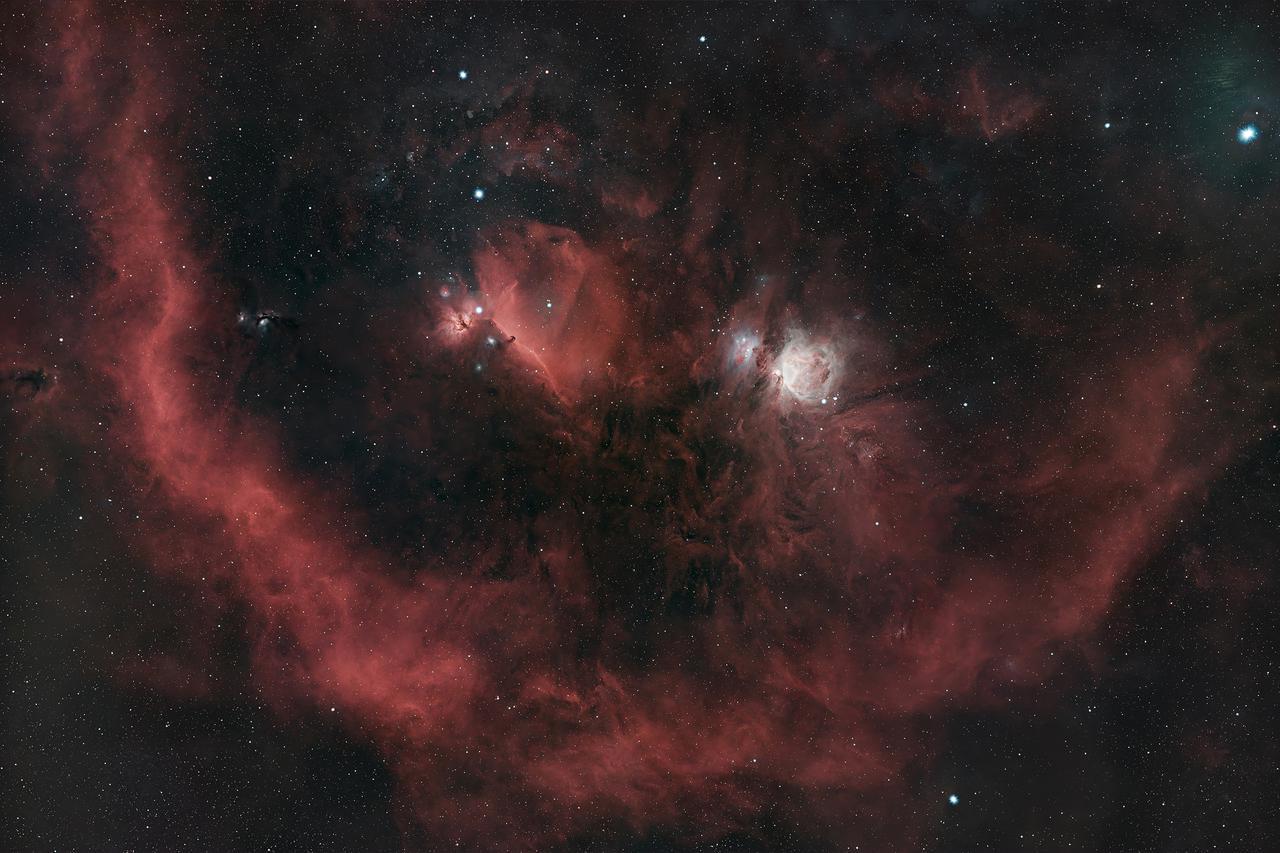
As scientist Shi Yigong once said, “Even with all our technology combined, we understand less than 5% of the universe. The other 95% is still full of surprises.” That mystery keeps me going.
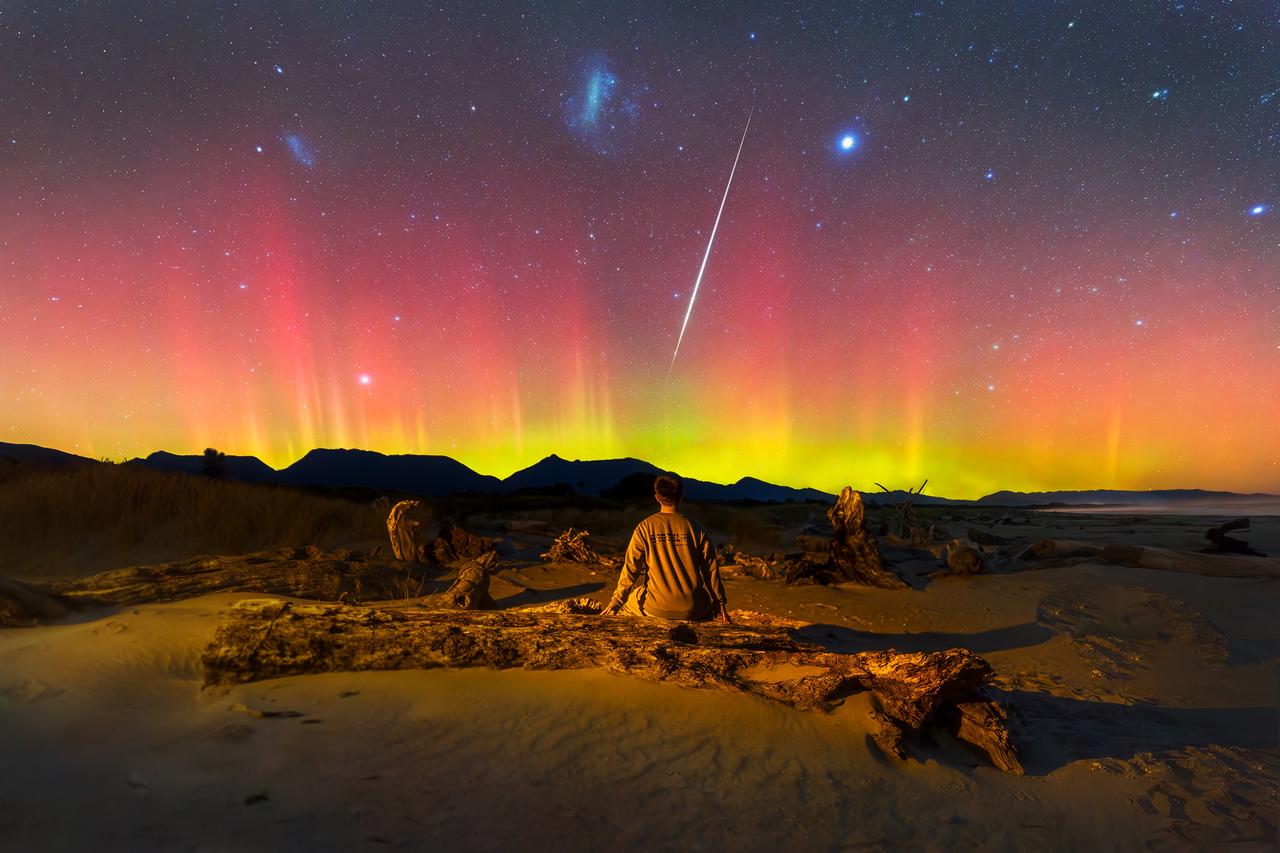
When I started out, very few people in China knew much about astrophotography. Now, every time a major celestial event happens, even mainstream media reports it. The barriers are lower, and more young people are joining the community. If I had one piece of advice for newcomers, it’s this: follow your passion first. Everything else — skill, technique, recognition — comes later. Each session under the stars is more than just a photo. It’s an experience — planning, shooting, solving problems, meeting people, seeing the world from new perspectives. Every image becomes a piece of your own story written in starlight.
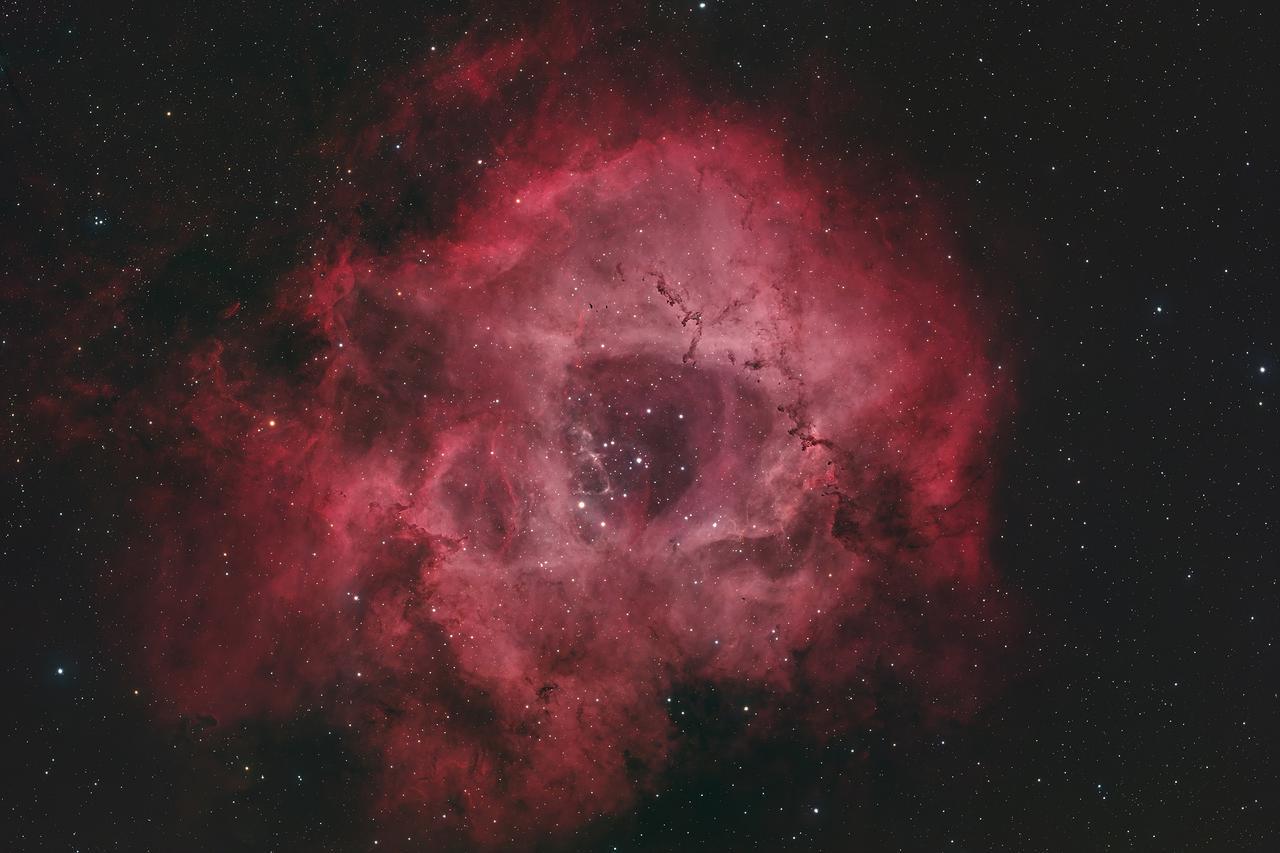
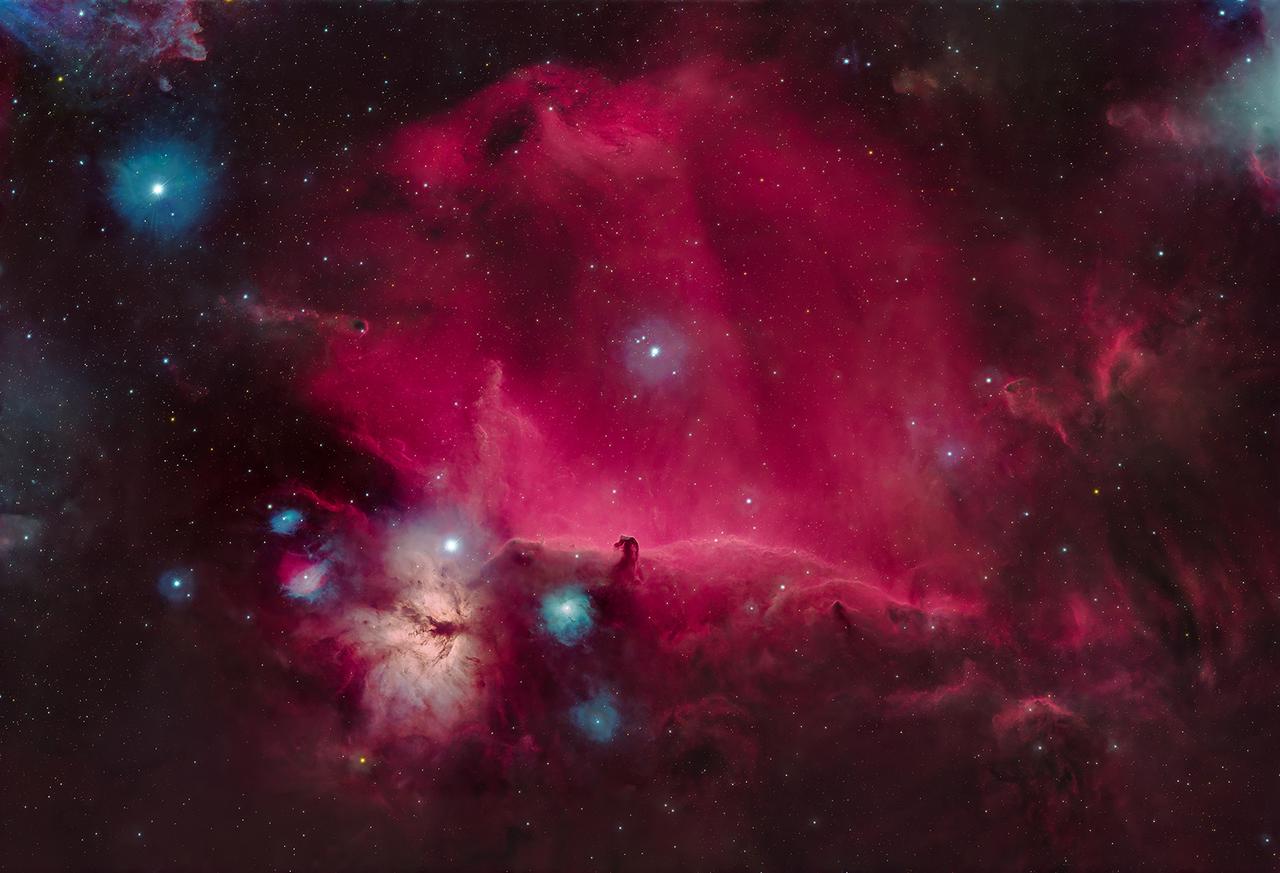
ZWO, as one of the leading astrophotography brands, has built a complete ecosystem for every level of user — from beginners to professionals. For experienced astrophotographers, there are high-end cooled cameras and precision harmonic mounts. For families or newcomers, the Seestar smart telescopes like the S30 and S50 make the night sky instantly accessible. Even though I work with professional equipment, I still use Seestar for public outreach and live demos. It’s an incredible way to help people experience the joy of astrophotography in real time — watching an image appear on-screen within minutes, rather than waiting hours to process it. That feeling — of seeing the universe unfold before your eyes — is what draws people in. Start simple, start small, but start now. The sky is waiting.
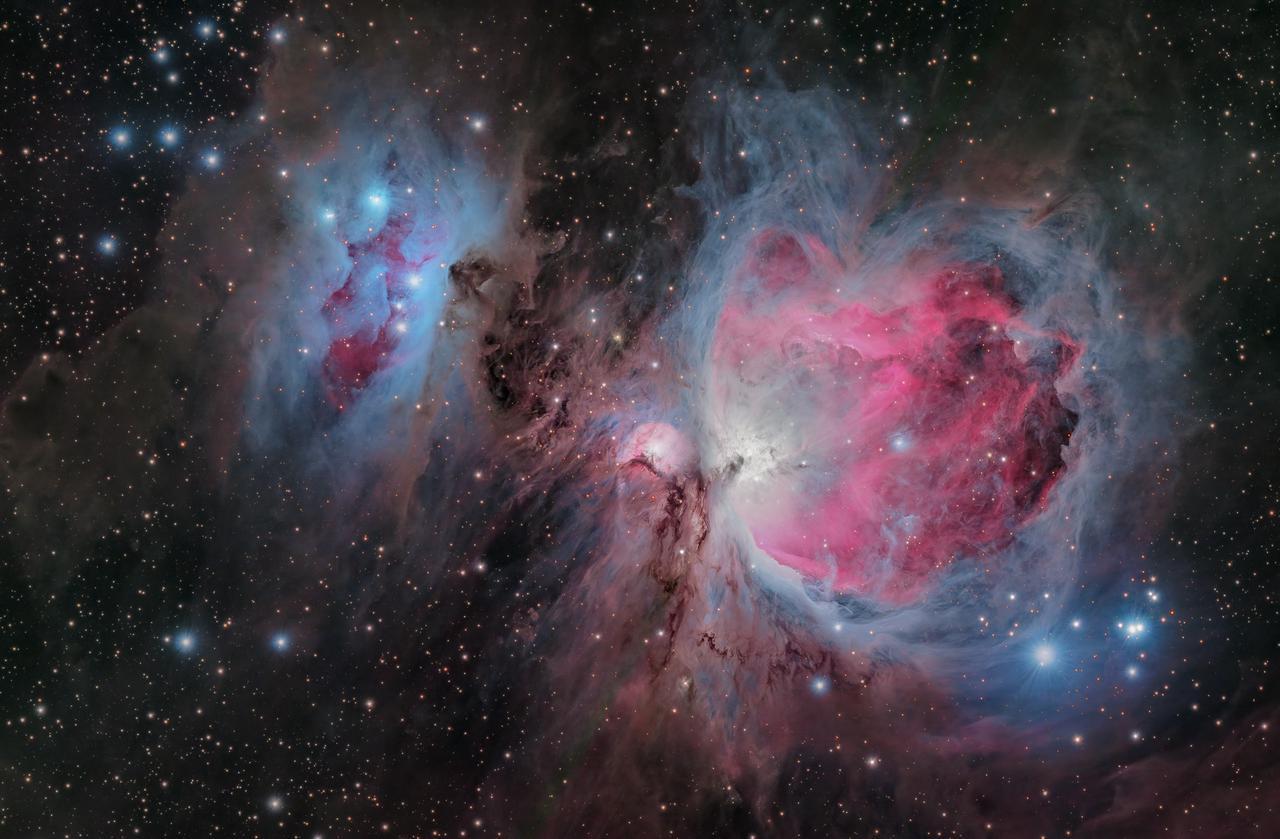
“Astrophotography isn’t just about taking pictures of the sky.
It’s about capturing a moment of connection between yourself and the universe.”
— Fei Xue
1. How It All Began For Puig Nicolas, it all started at the age of 10 with a 60/700 refractor and a 114/900 reflector. His first celestial encounters — the
By day, David Cruz works as a digital designer. By night, he designs something far greater — images of the universe itself. “Since I was young, I was always interested
bbrown_admin, October 30, 2025 INITIAL IMPRESSIONS: The ZWO ASI585MC Air came well packaged from the manufacturer. The box is improved and has an impressive feel with a magnetic closure on
– Q3 ASIWEEK Winner Gianni Lacroce’s Astrophotography Journey Hi, I’m Gianni Lacroce, an Italian astrophotographer. My passion for the night sky began long before I owned a telescope or a
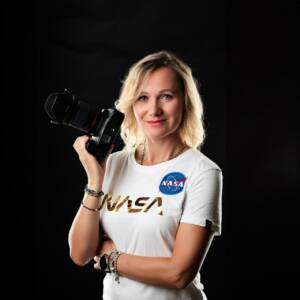
INTRODUCTION My name is Marzena Rogozińska. I live in Bytom (Poland) and work as a psychologist and pedagogue at two schools. I would like to thank you for honoring my